
Athens, the Winter of Hunger
In the autumn of 1941, defeated Greece is carved up among three occupiers: Germany, Italy, and Bulgaria divide the country and its resources between them. The occupier's requisitions sweep up harvests, livestock, and stockpiles, while the Allied naval blockade cuts off the imports on which a land poor in wheat normally depended. The rail and road network, thrown into disorder by the war and then by the partitioning of zones, no longer moves supplies from the countryside to the capital.
In Athens, an overcrowded city with no food-producing hinterland of its own, the vise closes quickly. Rationed bread shrinks to a paltry portion, often impossible to find, and the currency collapses amid runaway inflation. On the official stalls there is nothing left; the prices of the little that remains soar to dizzying heights, far beyond the reach of wages. The cold settles over a population already worn out.
In this destitution, a mother bears alone the burden of feeding her family, day after day, with no assured relief. Each morning poses the same question, more pressing than the day before. She must decide now how to make it through the winter.
To keep her children alive in starving Athens in the winter of 1941, what should a mother stake everything on?
Like the vast majority of Athenians, these families survived by bartering their last possessions on the black market — jewelry, linens, furniture — for a little oil, flour, or dried vegetables, and by queuing at the soup kitchens organized by parishes, municipalities, and mutual-aid committees. The official rations, paltry and irregular, could keep no one alive. Yet the winter of 1941-1942 was a disaster: the "great famine" killed tens of thousands of Athenians, many of whom collapsed in the streets and were collected at dawn by carts; the weakest, the old and the children, went first. Bartering, neighborhood solidarity, and resourcefulness only delayed the death of the most fragile. Large-scale relief — Canadian wheat shipped via neutral Sweden under the auspices of the Red Cross — did not arrive until 1942, too late for the first victims of that winter.
Learn more about this event
Related polls
10
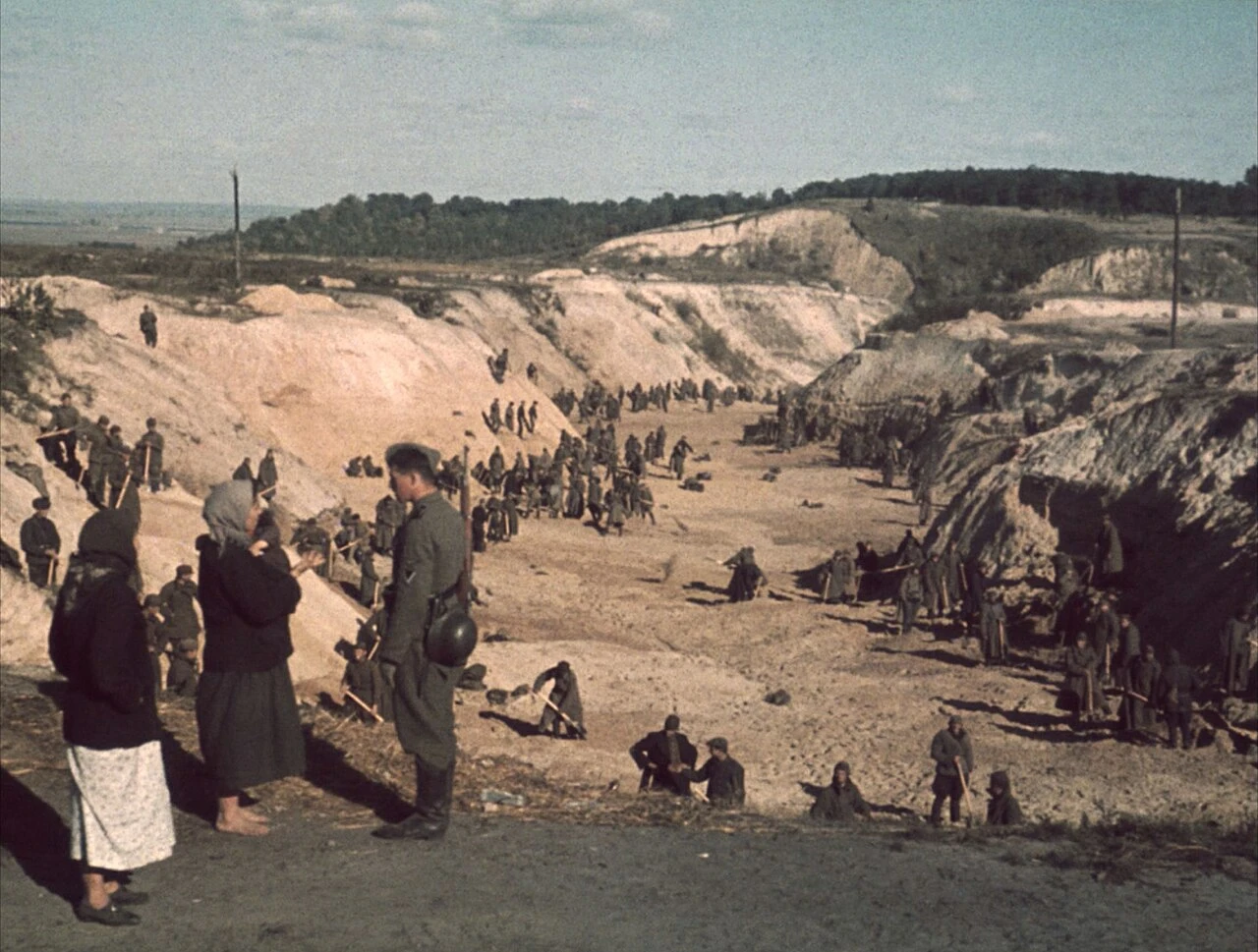
Kiev, 29 September 1941: The Posted Notice
Czerniaków — the offer of the Judenrat
The Belgrade medical student and the call of the Partisans
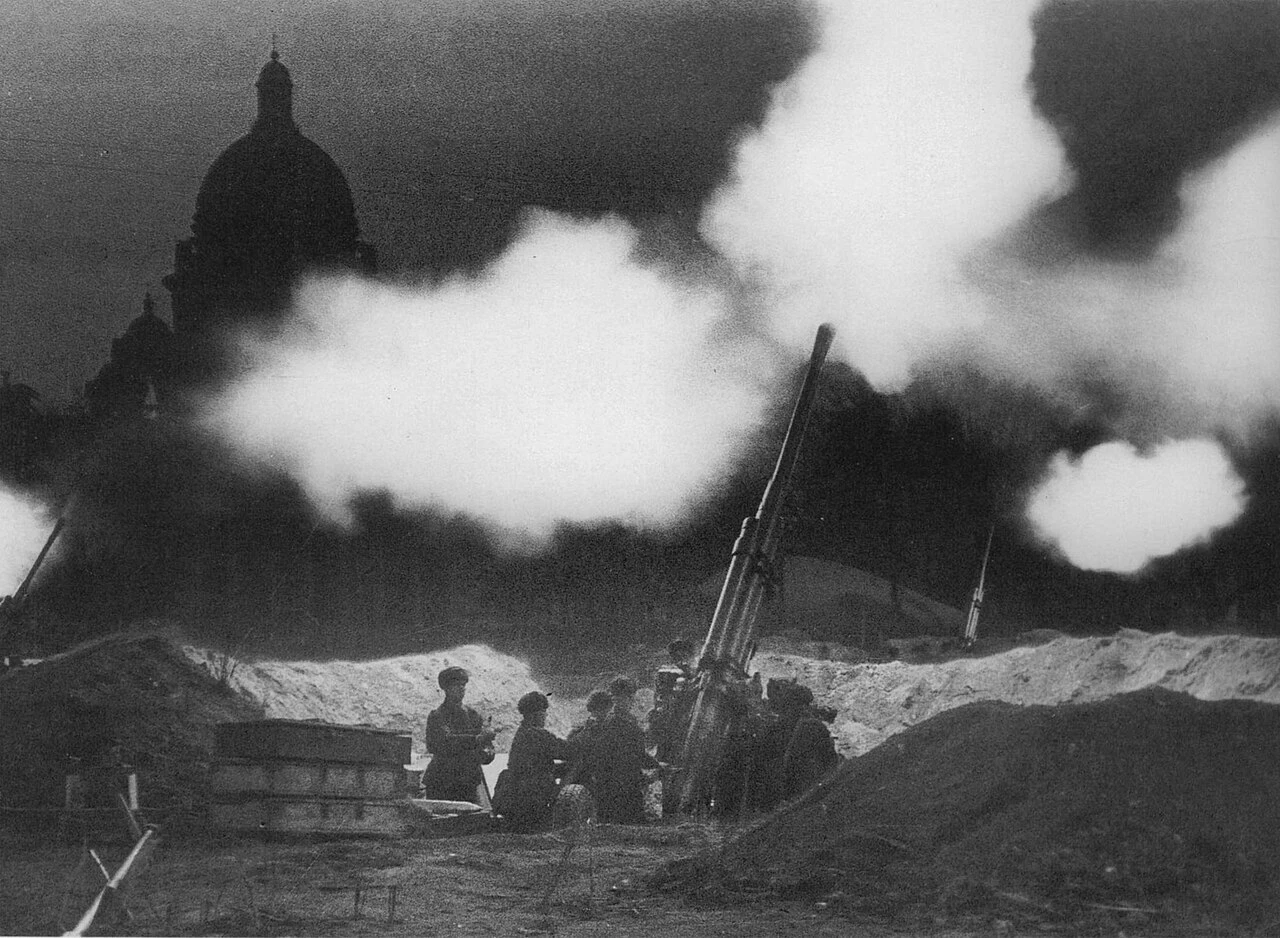
Leningrad besieged: hunger as a weapon
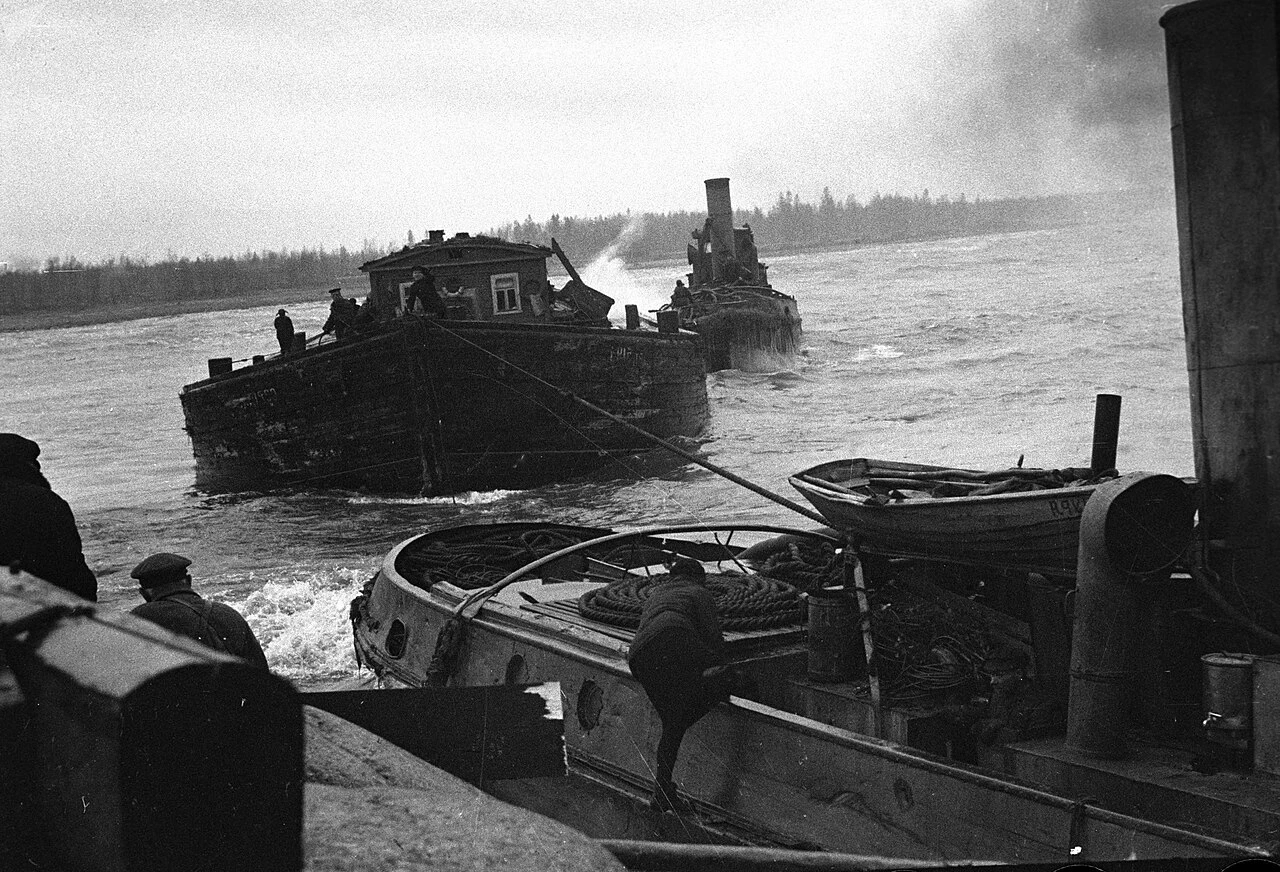
Leningrad: The First Ice on Lake Ladoga
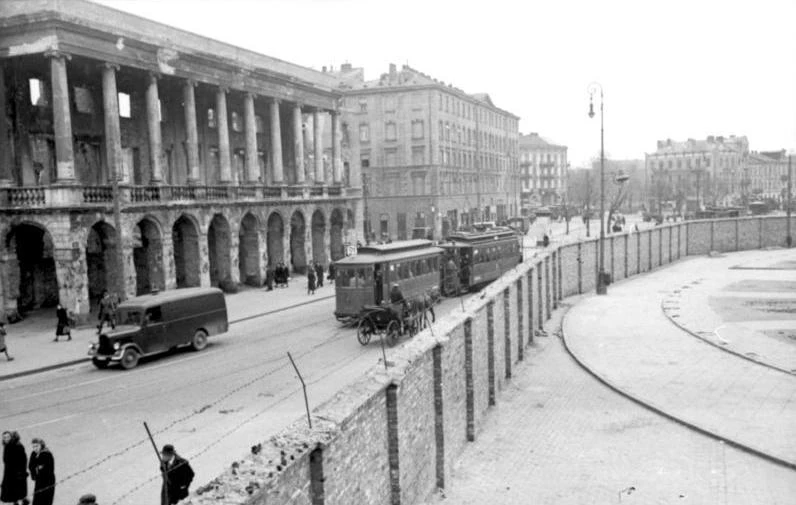
Studying in the Warsaw Ghetto
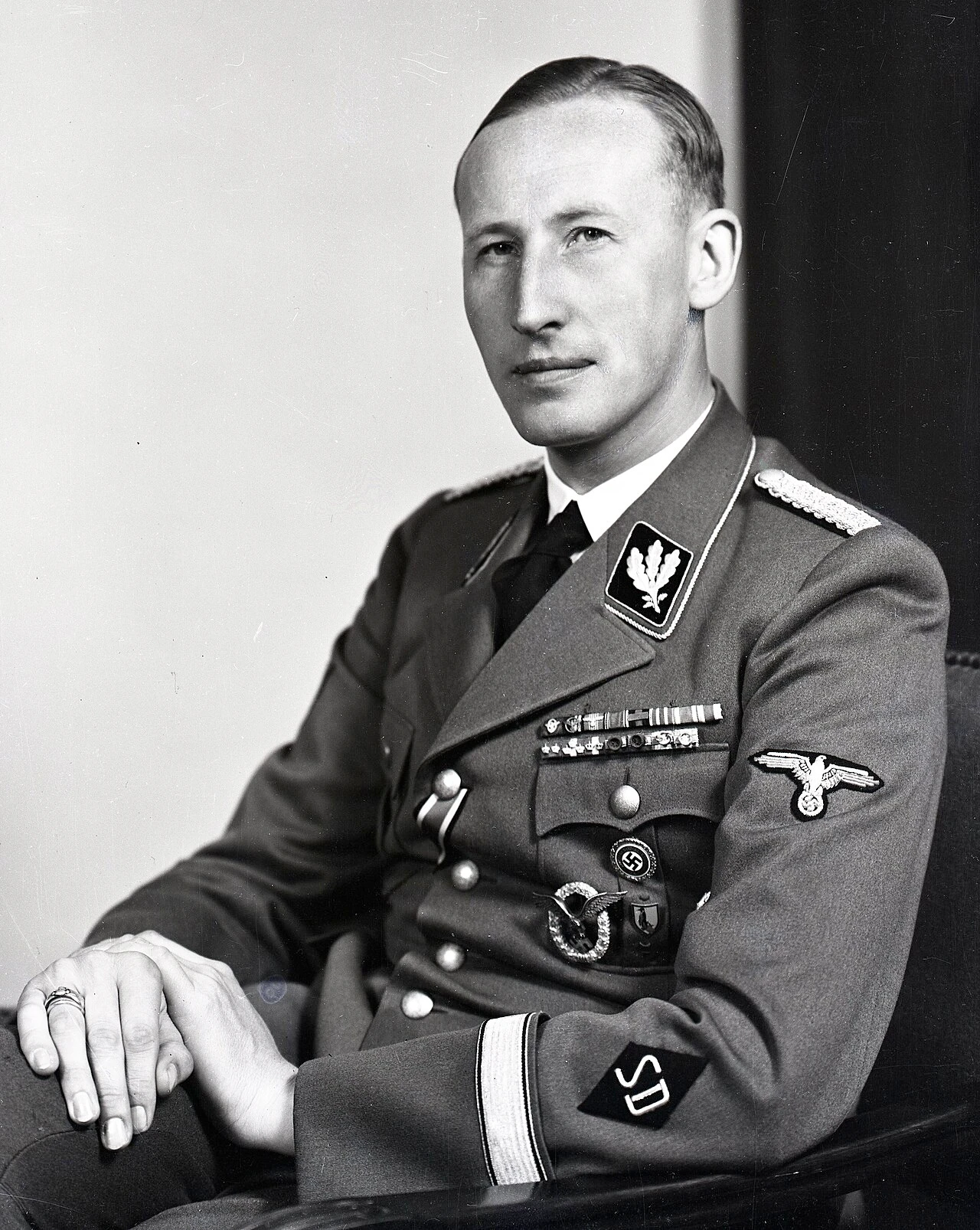
Heydrich Arrives in Prague
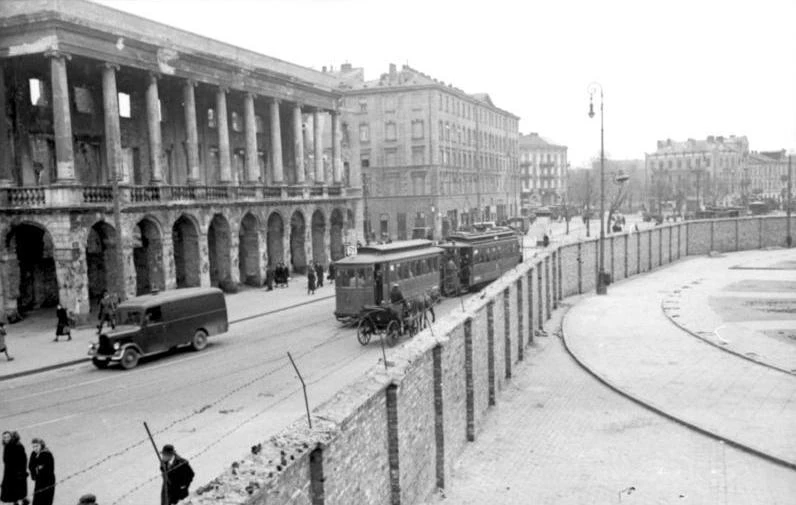
Clandestine teaching in the Warsaw Ghetto
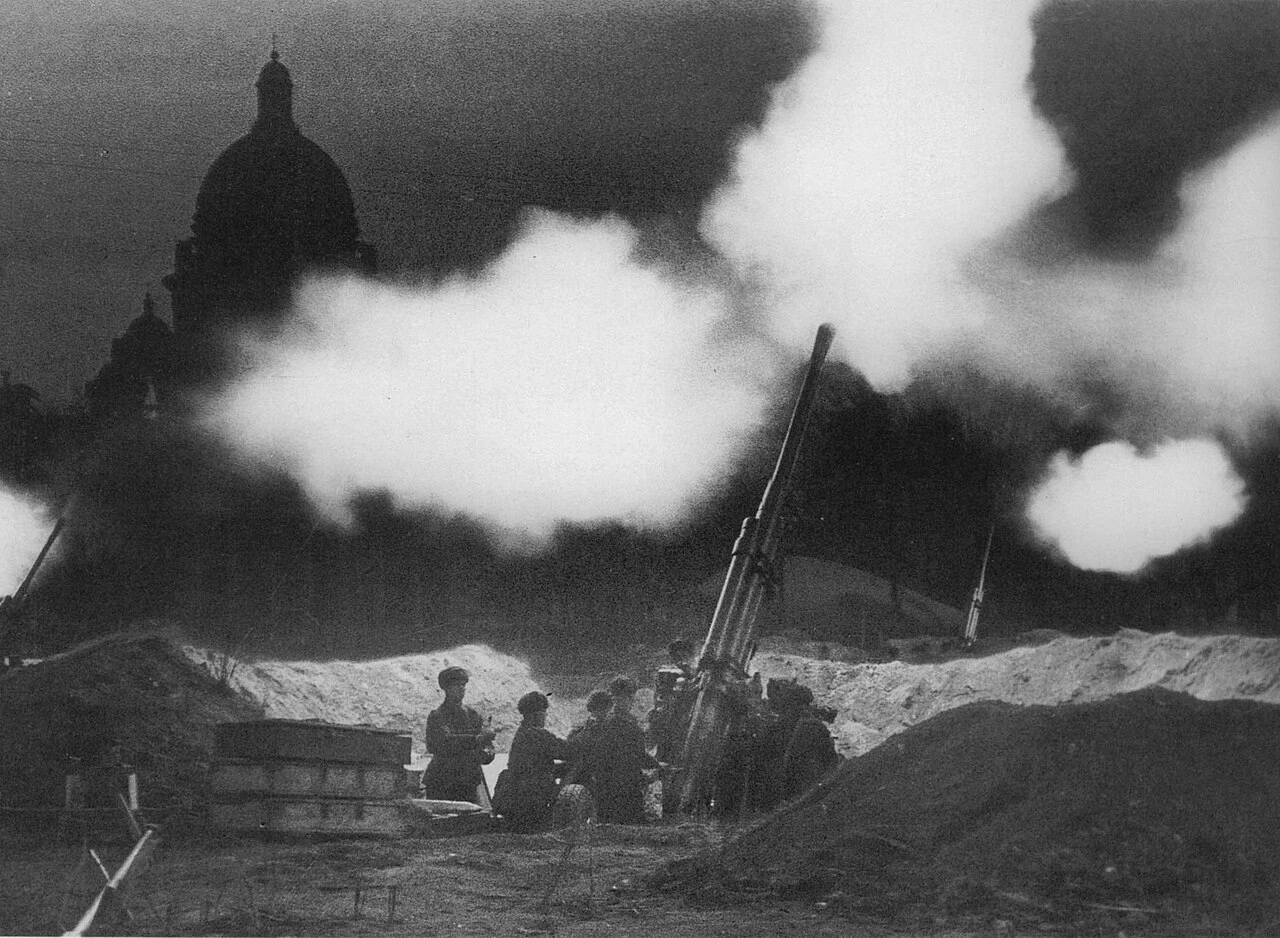
The Kirov Plant Under the Shells
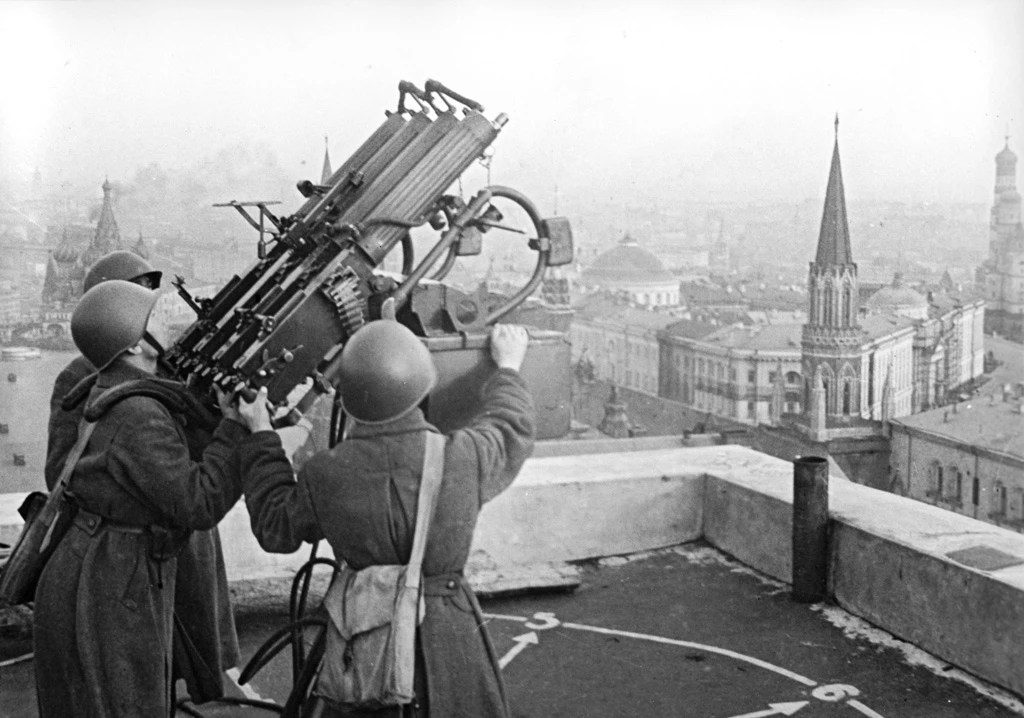
Moscow, 16 October 1941: The Day of Great Panic
Kiev, 29 September 1941: The Posted Notice
Czerniaków — the offer of the Judenrat
The Belgrade medical student and the call of the Partisans
Leningrad besieged: hunger as a weapon
Leningrad: The First Ice on Lake Ladoga
Studying in the Warsaw Ghetto
Heydrich Arrives in Prague
Clandestine teaching in the Warsaw Ghetto
The Kirov Plant Under the Shells