
Leningrad besieged: hunger as a weapon
In the autumn of 1941, the Wehrmacht's and the Finnish forces have sealed off Leningrad. Hitler does not want to take the city by storm: he intends to starve it and wipe it out. On 8 September 1941, the day the land encirclement is completed, incendiary bombs destroy the Badayev warehouses, where several thousand tonnes of flour and sugar burn. Nearly three million civilians, including hundreds of thousands of children, are trapped before winter.
The leadership of the city rests on , First Secretary of the Party for the region, and the Military Council of the front. With no preparation for a winter siege, supplies run out and the bread ration is lowered in stages. On 20 November 1941, it falls to its lowest: bread becomes almost the only food, cut with 50 to 60% cellulose, bran and pine sawdust. The bread card decides, literally, who lives and who dies.
The card system ranks the population into categories. It remains to settle the logic of this hierarchy: reserve the largest share for the armaments workers and the soldiers at the front, at the risk of sacrificing the unproductive mouths? Protect the children first? Or impose an equal ration for all, even at the cost of weakening those on whom the city's military survival depends?
How should the bread ration be distributed in the encircled and starving city?
The Soviet authorities gave priority to the war-industry workers and the armed forces. From 20 November 1941, manual workers received 250 grams of bread a day, while office employees, dependents and children under twelve received only 125 grams — the lowest ration. Mortality exploded: by the end of December 1941, about 3,000 people were dying of hunger each day. Relief came not from Allied convoys but from the "Road of Life" across the frozen Lake Ladoga, opened on 22 November 1941, which made it possible to evacuate civilians and bring in a trickle of supplies. The siege lasted nearly 900 days; estimates of civilian mortality range from about 800,000 to one million dead, the great majority from hunger.
Learn more about this event
Related polls
10
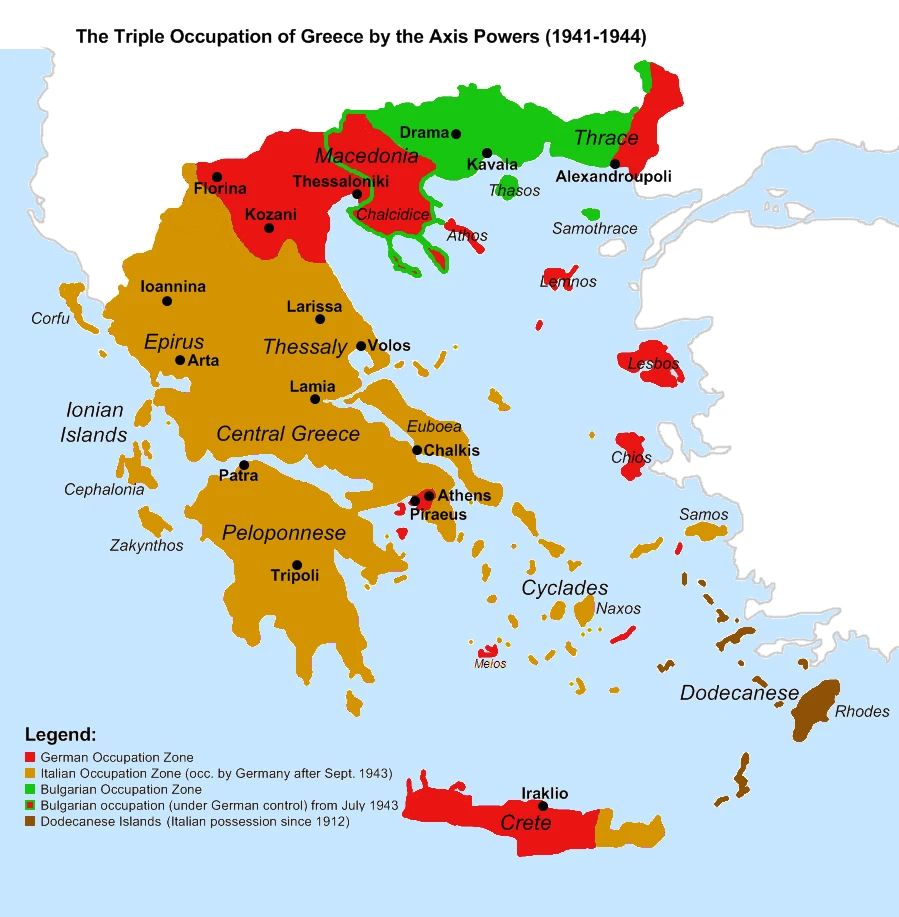
Athens, the Winter of Hunger
The Belgrade medical student and the call of the Partisans
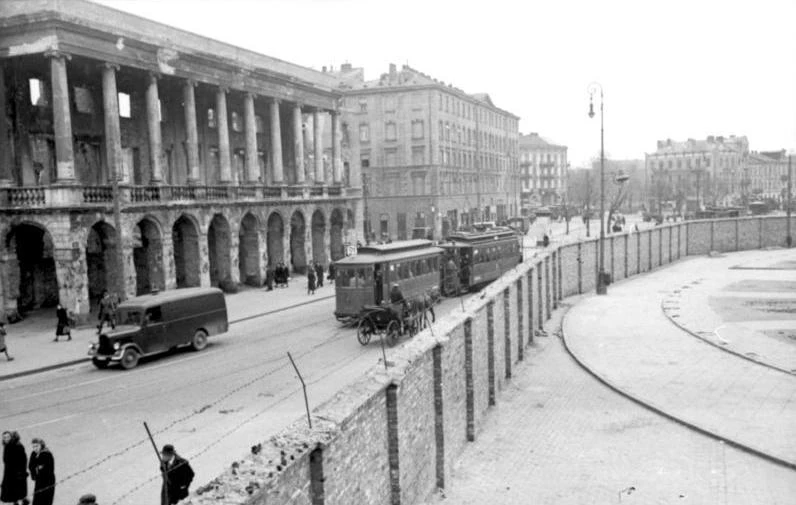
Studying in the Warsaw Ghetto
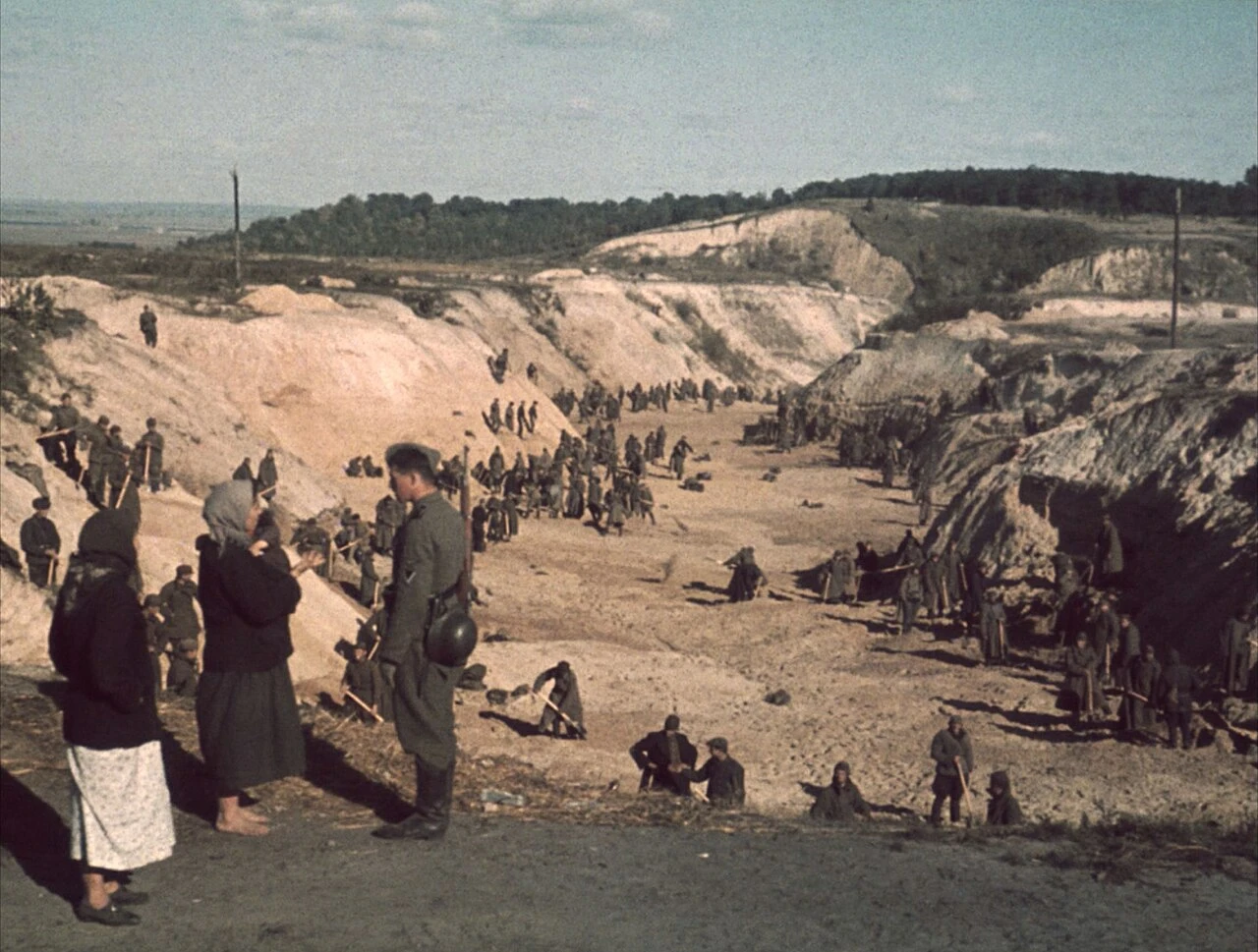
Kiev, 29 September 1941: The Posted Notice
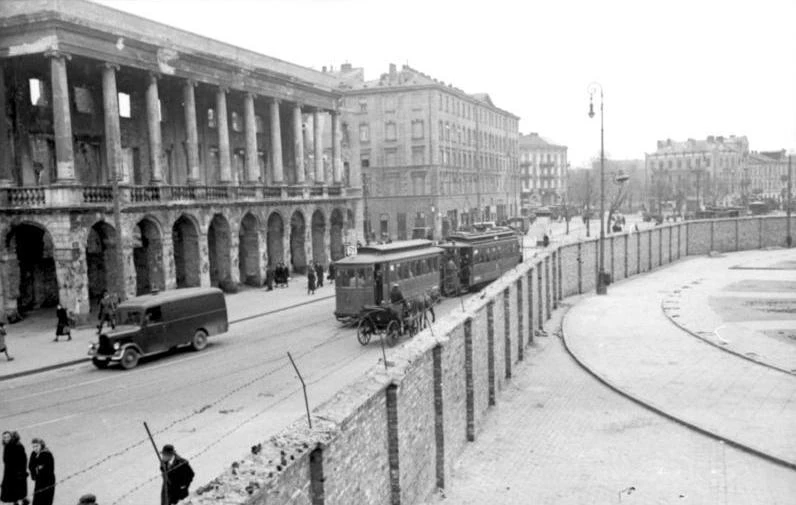
Clandestine teaching in the Warsaw Ghetto
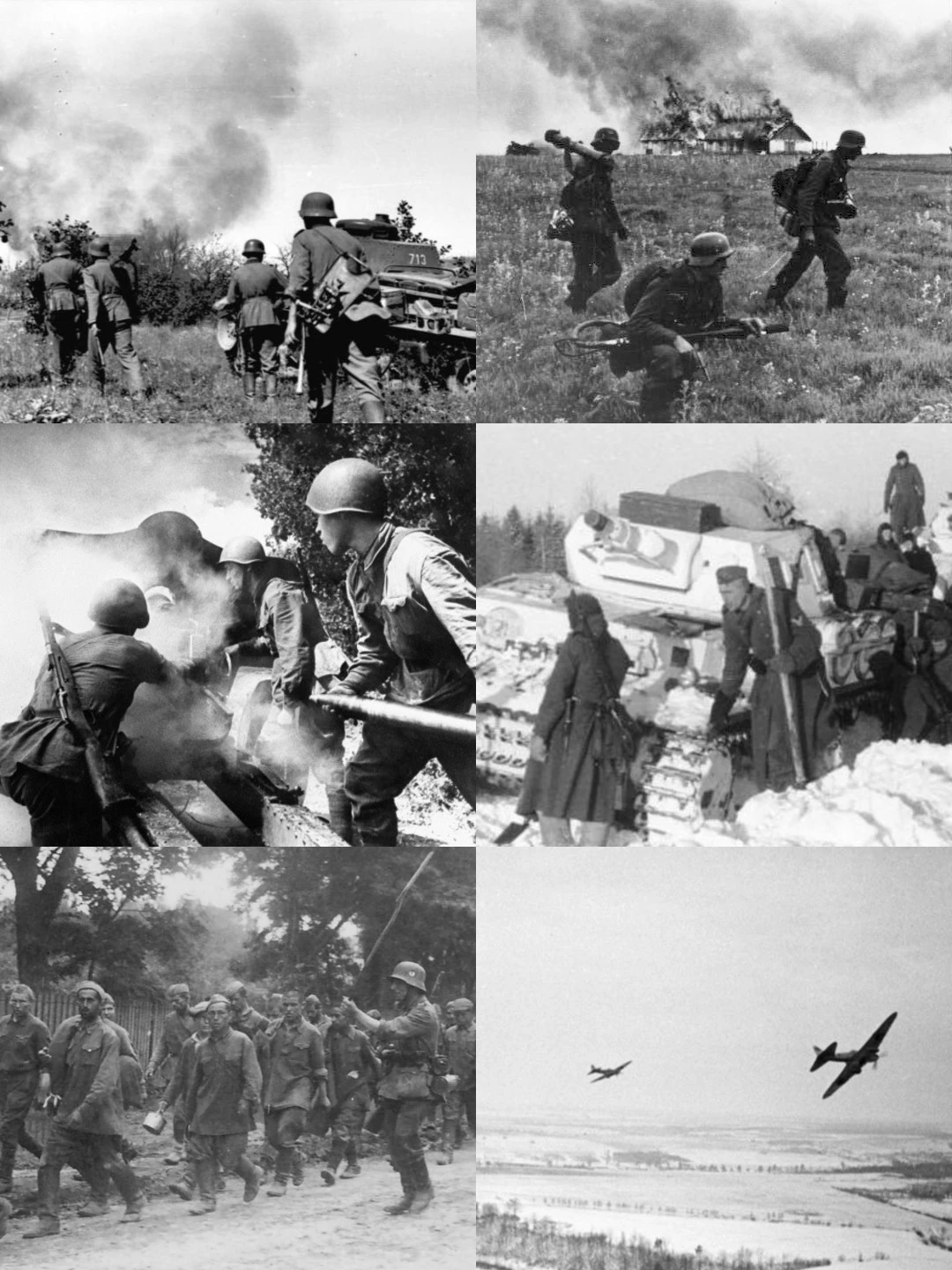
The Soviet schoolteacher facing the German advance
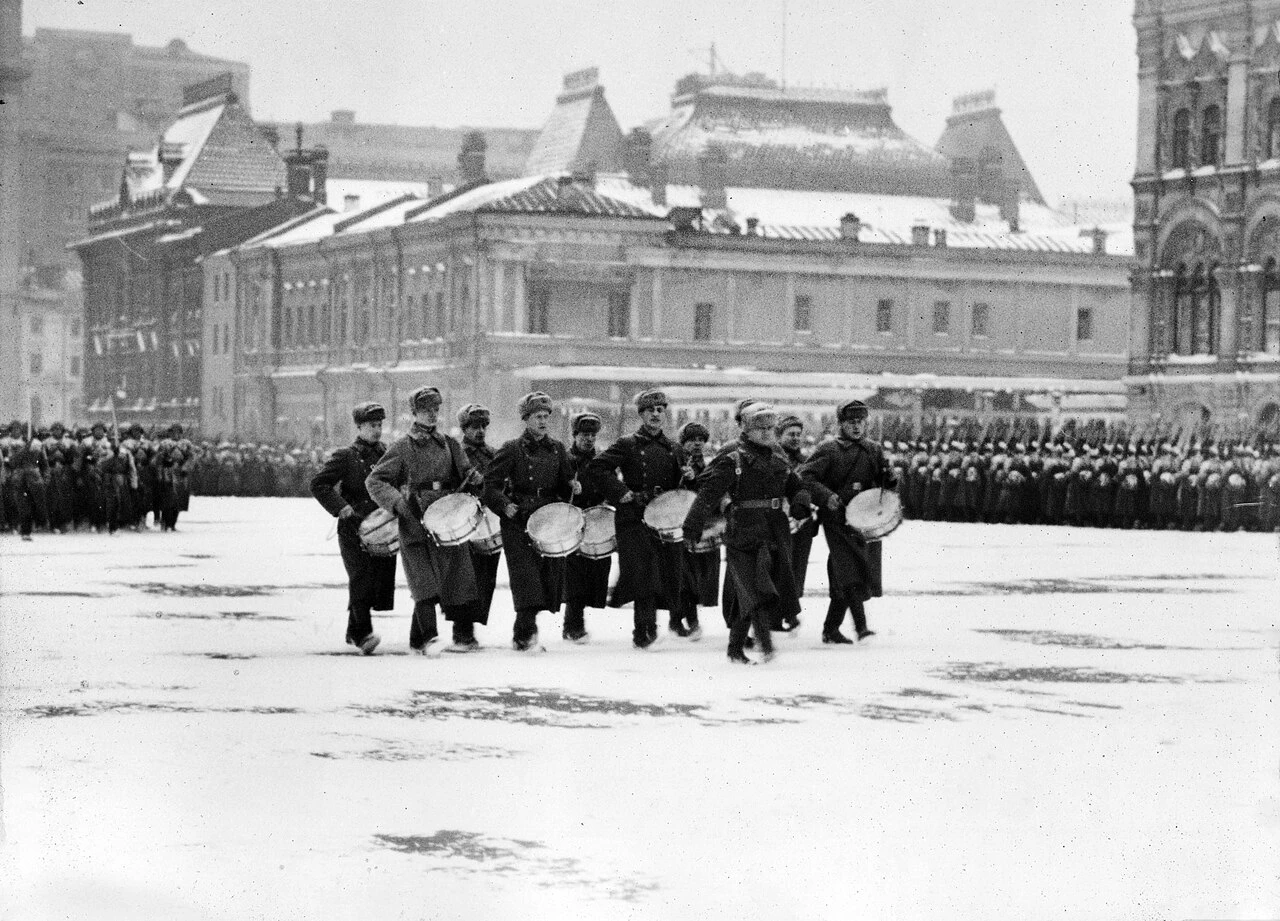
The Red Square Parade of 7 November 1941
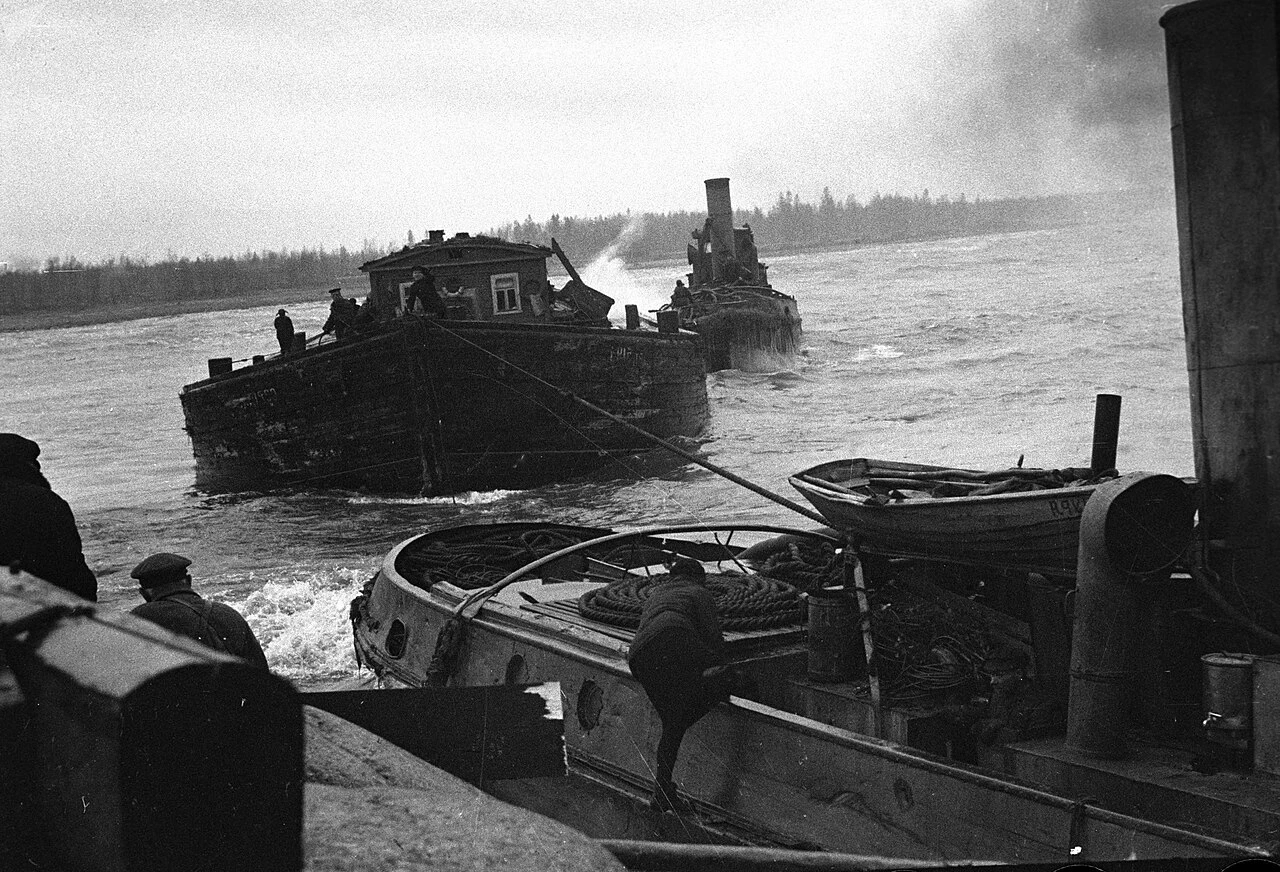
Leningrad: The First Ice on Lake Ladoga
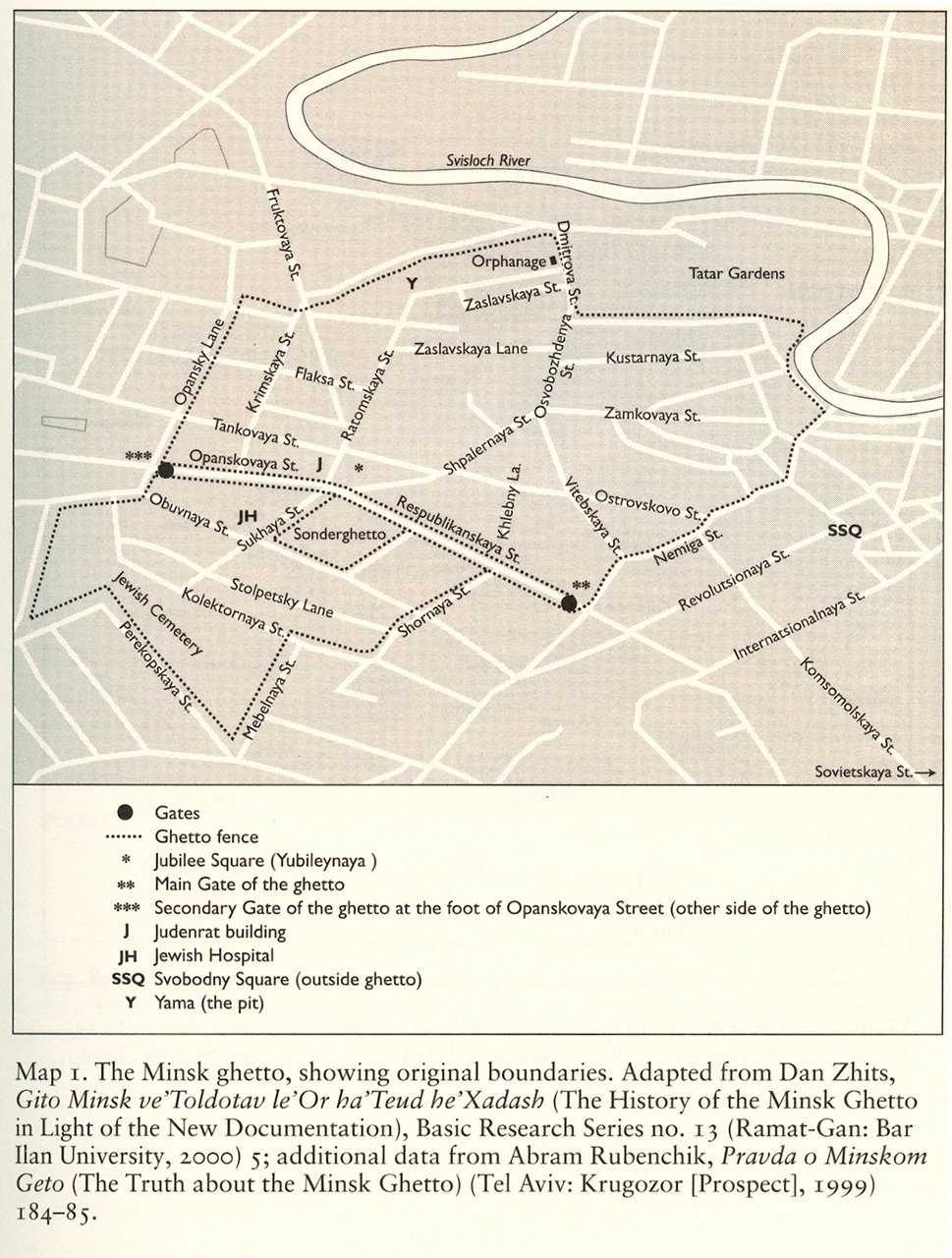
A young Belarusian woman in occupied Minsk
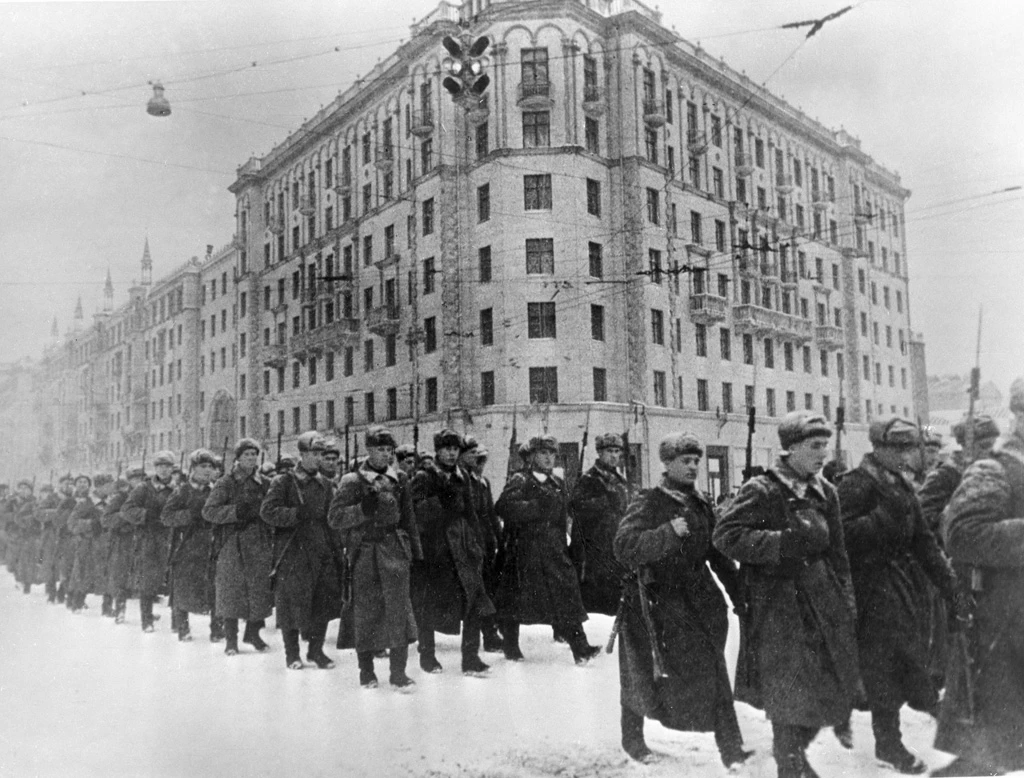
At the Gates of Moscow, in the November Frost
Athens, the Winter of Hunger
The Belgrade medical student and the call of the Partisans
Studying in the Warsaw Ghetto
Kiev, 29 September 1941: The Posted Notice
Clandestine teaching in the Warsaw Ghetto
The Soviet schoolteacher facing the German advance
The Red Square Parade of 7 November 1941
Leningrad: The First Ice on Lake Ladoga
A young Belarusian woman in occupied Minsk