
, 62, French Président du Conseil since 21 March 1940, flies to London on 26 May 1940 to meet . France is cracking: after the Sedan breakthrough (13 May), the reaching of the Channel at Abbeville (20 May), the dismissal of Gamelin (19 May), and the encirclement of the French 1st Army with the BEF in the Flanders pocket, the country is militarily on its knees.
, deputy Prime Minister appointed by Reynaud on 18 May to rally the military right, is already speaking publicly of an armistice. , new commander-in-chief, regards military defeat as inevitable and will recommend an armistice from 25 May in Council. Reynaud, for his part, wants to keep fighting but knows he will not hold politically alone against Pétain and Weygand.
Reynaud brings to London an anxious political message: France may not be able to continue alone if Mussolini enters the war. The question of an Italian mediation, carried by Bastianini and discussed by Halifax, has been openly debated in London for 24 hours.
Lunch at Admiralty House with Churchill, Halifax and Chamberlain. Reynaud sets out the French difficulties. Implicit question: should he, and how far, press London to examine this avenue?
Should Reynaud push explicitly for the Italian mediation?
Reynaud raises mediation before Churchill and Halifax, but without calling for an immediate decision or committing himself: he stays ambiguous and leaves the decision on the British side. He himself remains hostile to any mediation. Halifax reads it as support for his line, Churchill as a sign of French panic. Reynaud returns to Paris in the afternoon. That ambiguity feeds the War Cabinet crisis for 48 hours (26-28 May). The result: Churchill cannot allow Halifax to dominate — which is why he summons the 25 ministers on 28 May to settle the matter publicly. Reynaud returns to Paris convinced that London will not deal. He continues to govern until 16 June 1940, then resigns in the face of the Pétain-Weygand opposition that wants the armistice. Arrested in September 1940 by Vichy, deported to Sachsenhausen 1942-1945. Released in 1945, he resumes a career under the Fourth Republic, and dies in 1966. His visit on 26 May 1940 remains one of the discreet pivots of the war — without his ambiguity, Halifax would probably have lost Chamberlain's confidence more quickly.
Learn more about this event
Related polls
10
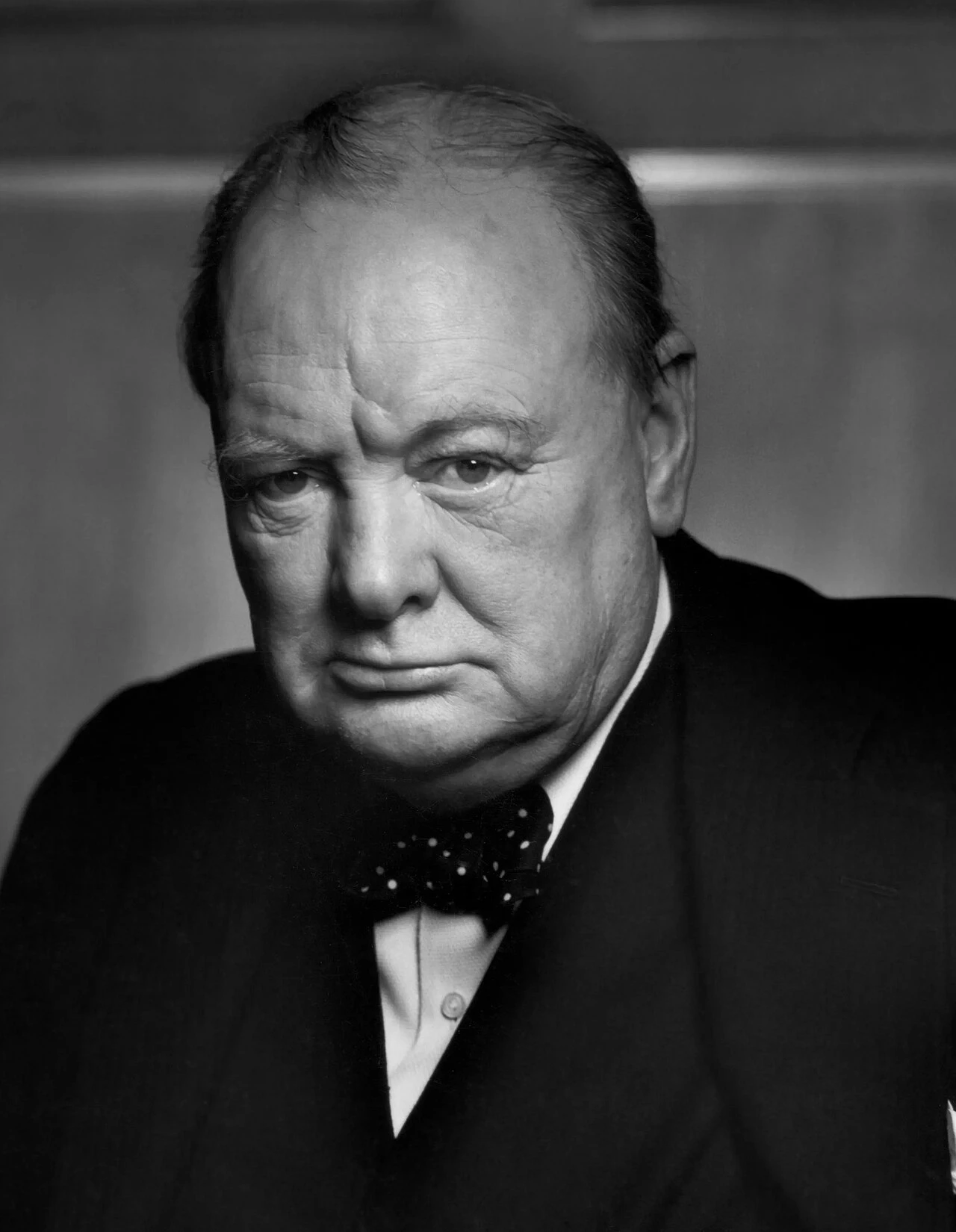
Churchill before the 25 ministers — 28 May 18:00
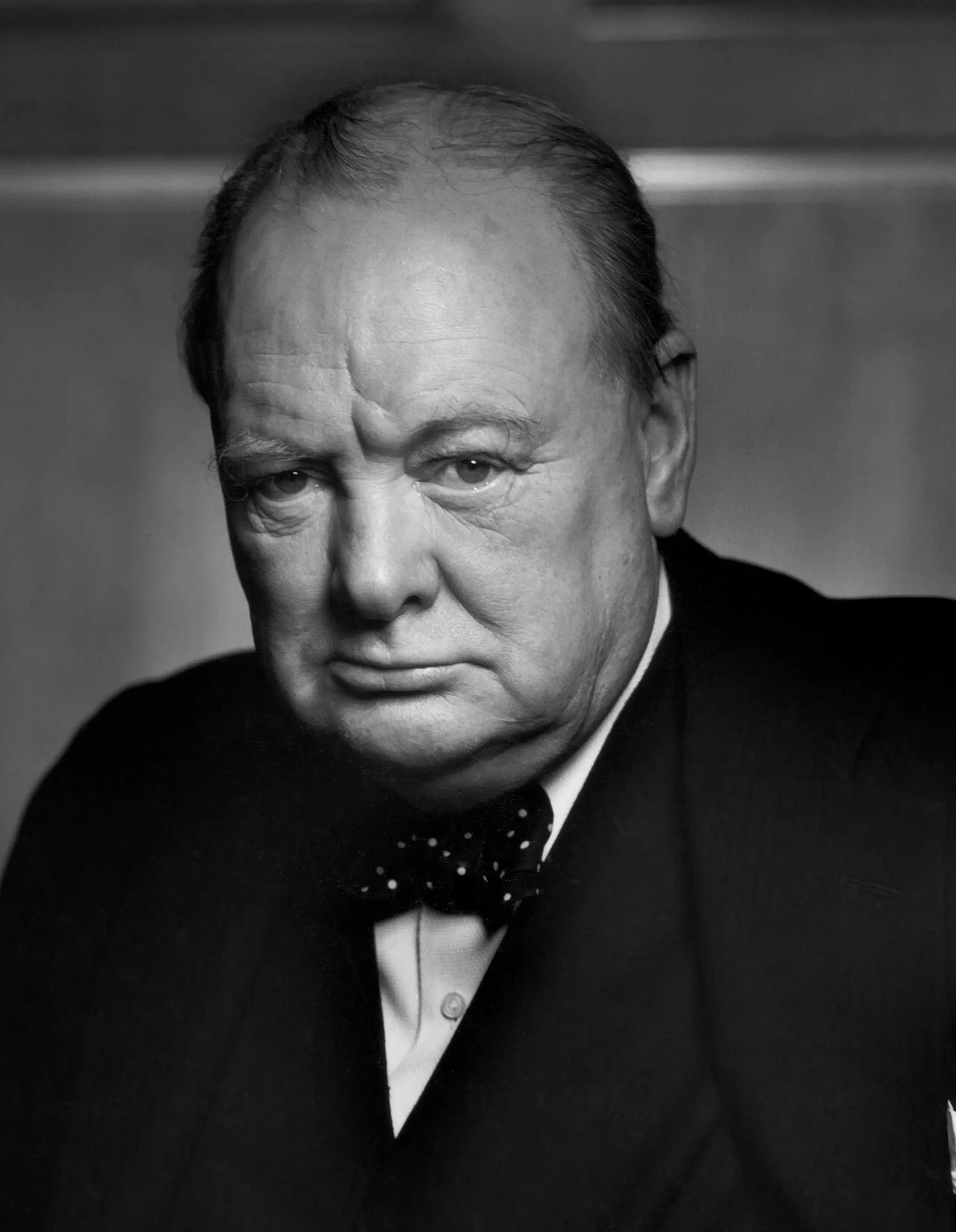
Churchill before the Commons — 4 June
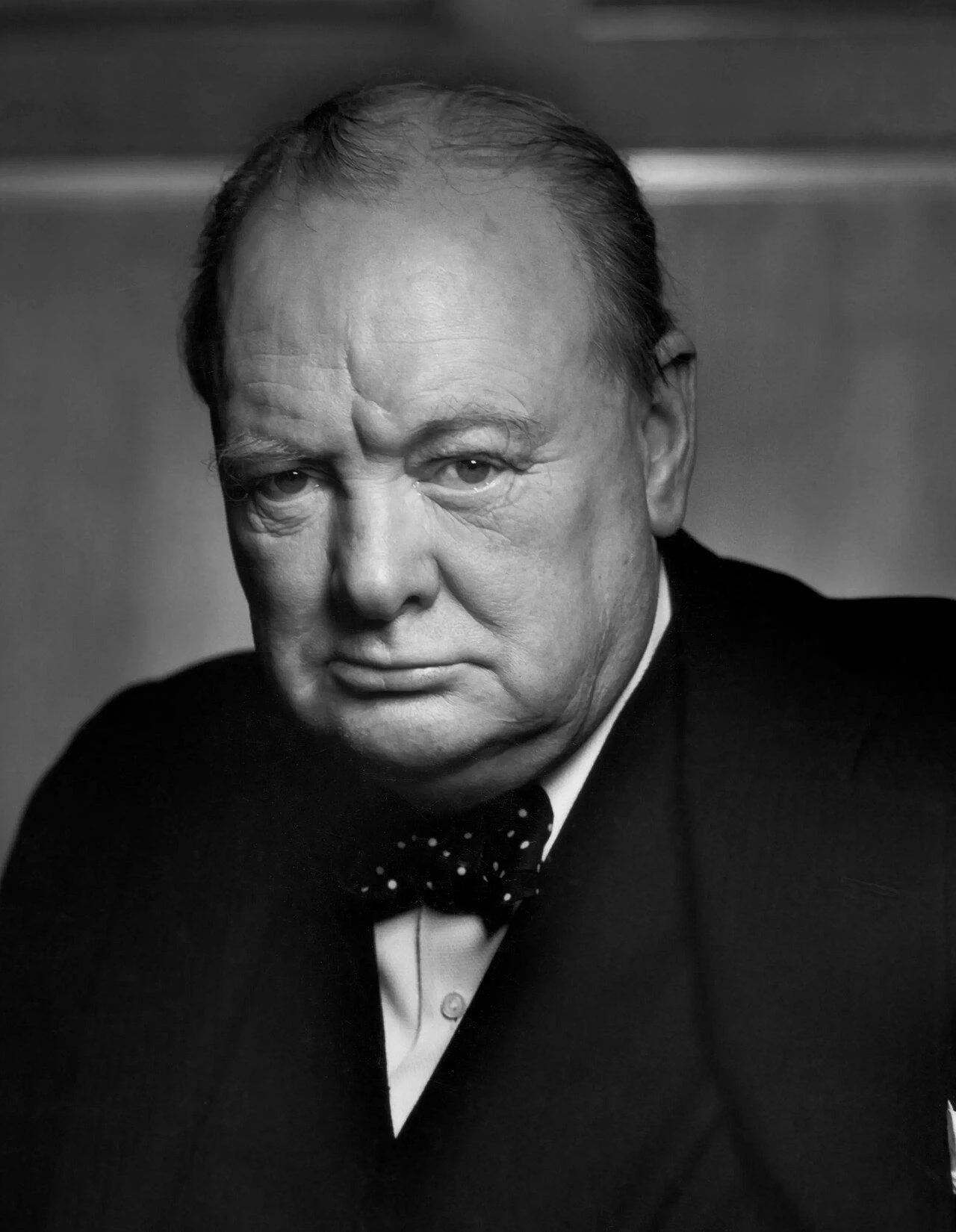
Halifax at the War Cabinet — 25 May 18:00
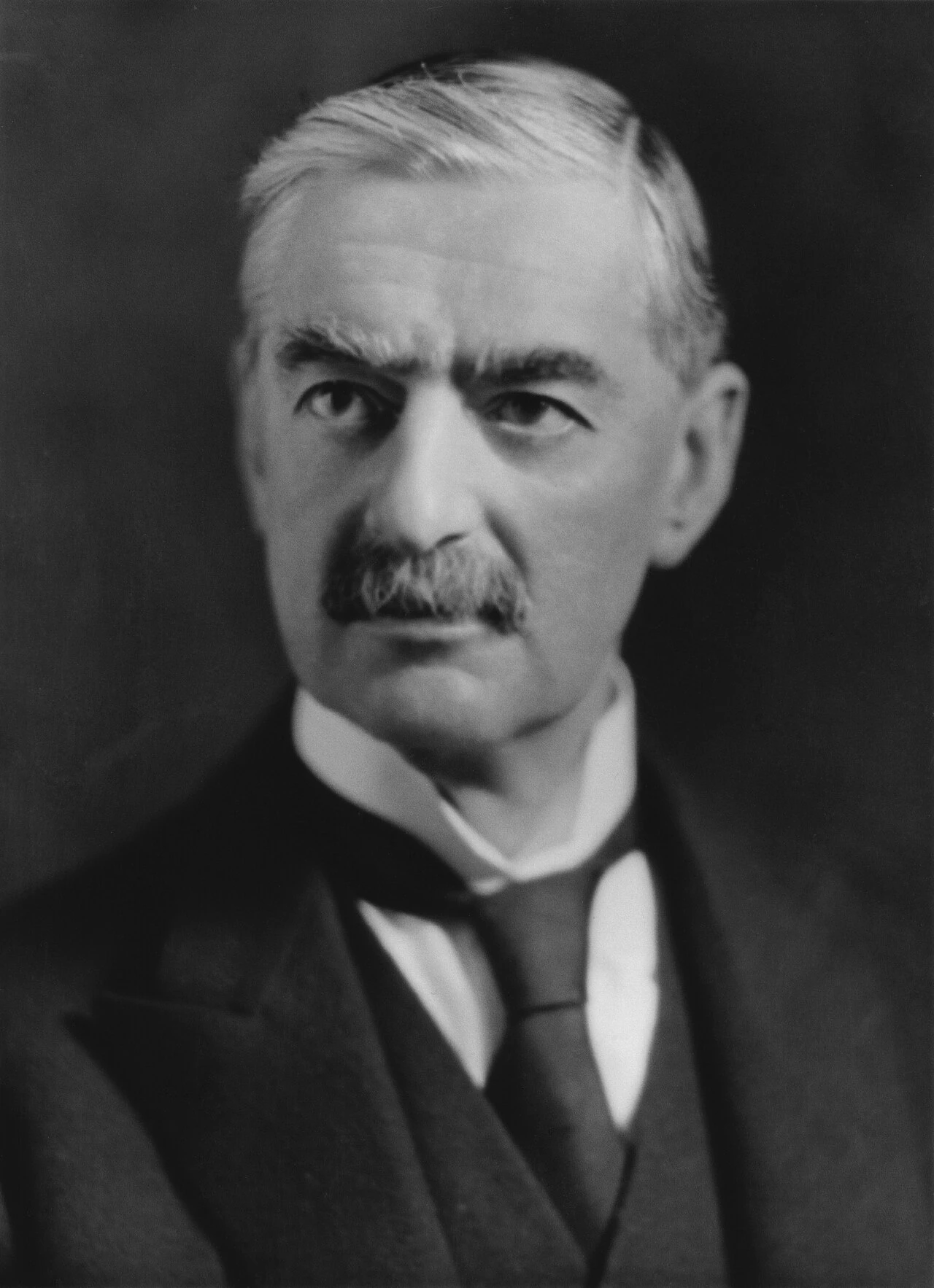
Chamberlain at Central Hall — 4 April
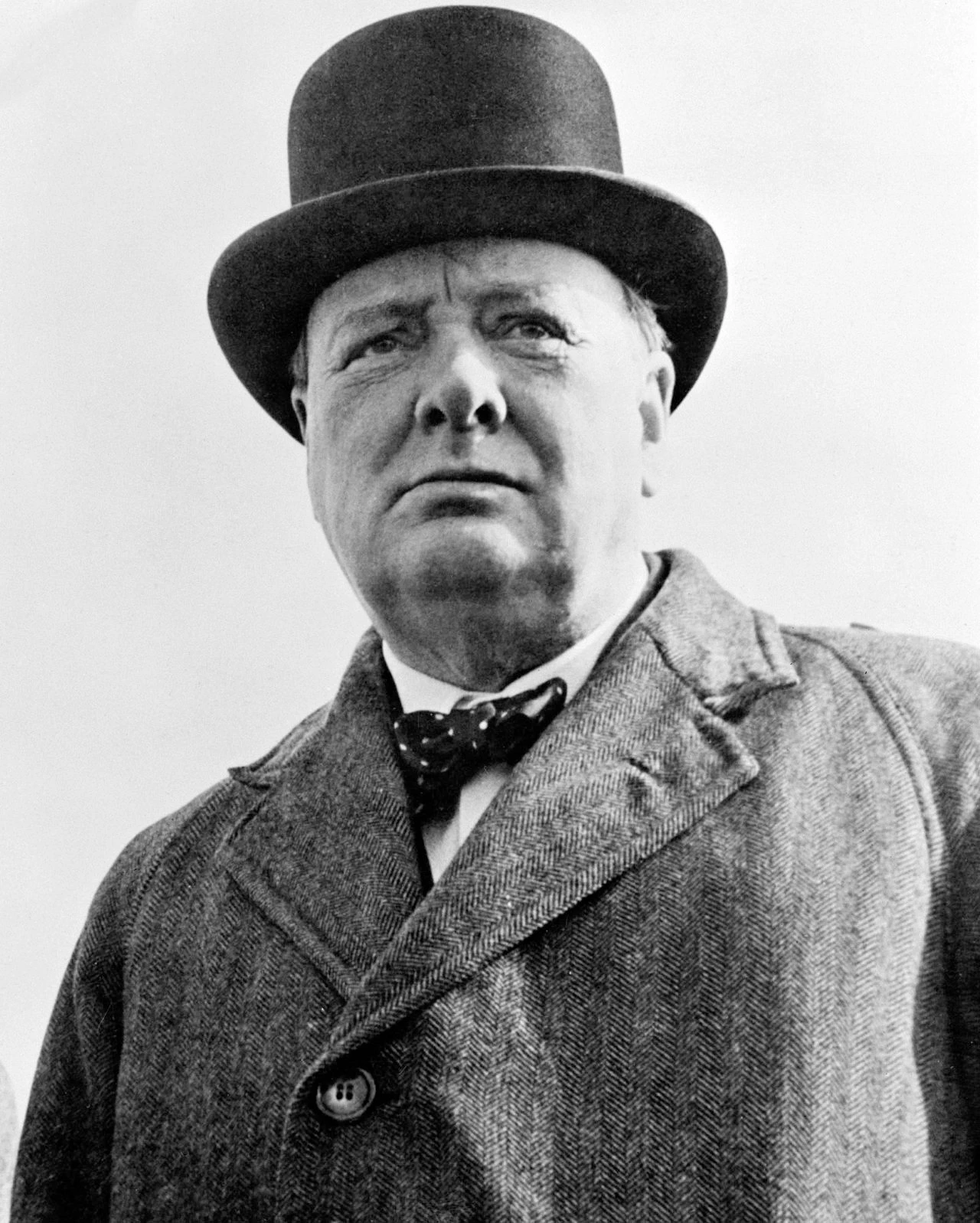
Churchill in power
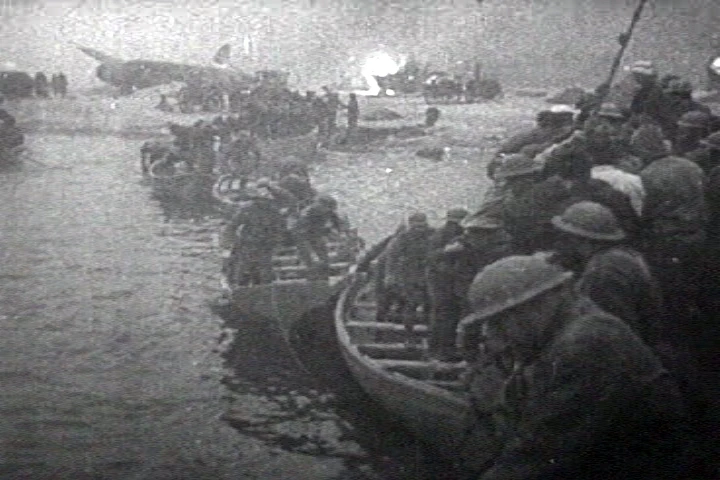
Ramsay — Dover, 14:23
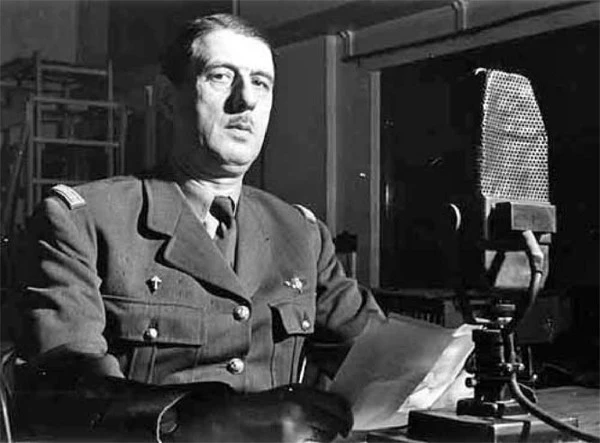
The Appeal of 18 June
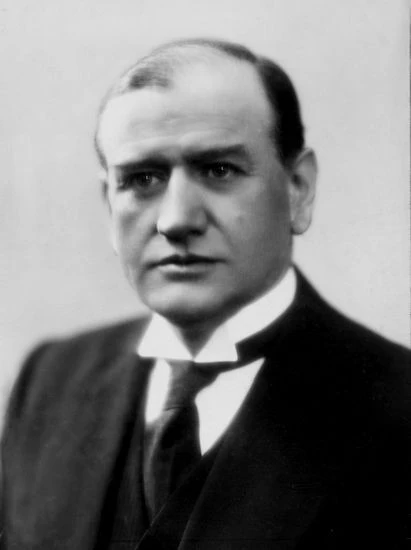
Daladier asked to leave the War Ministry
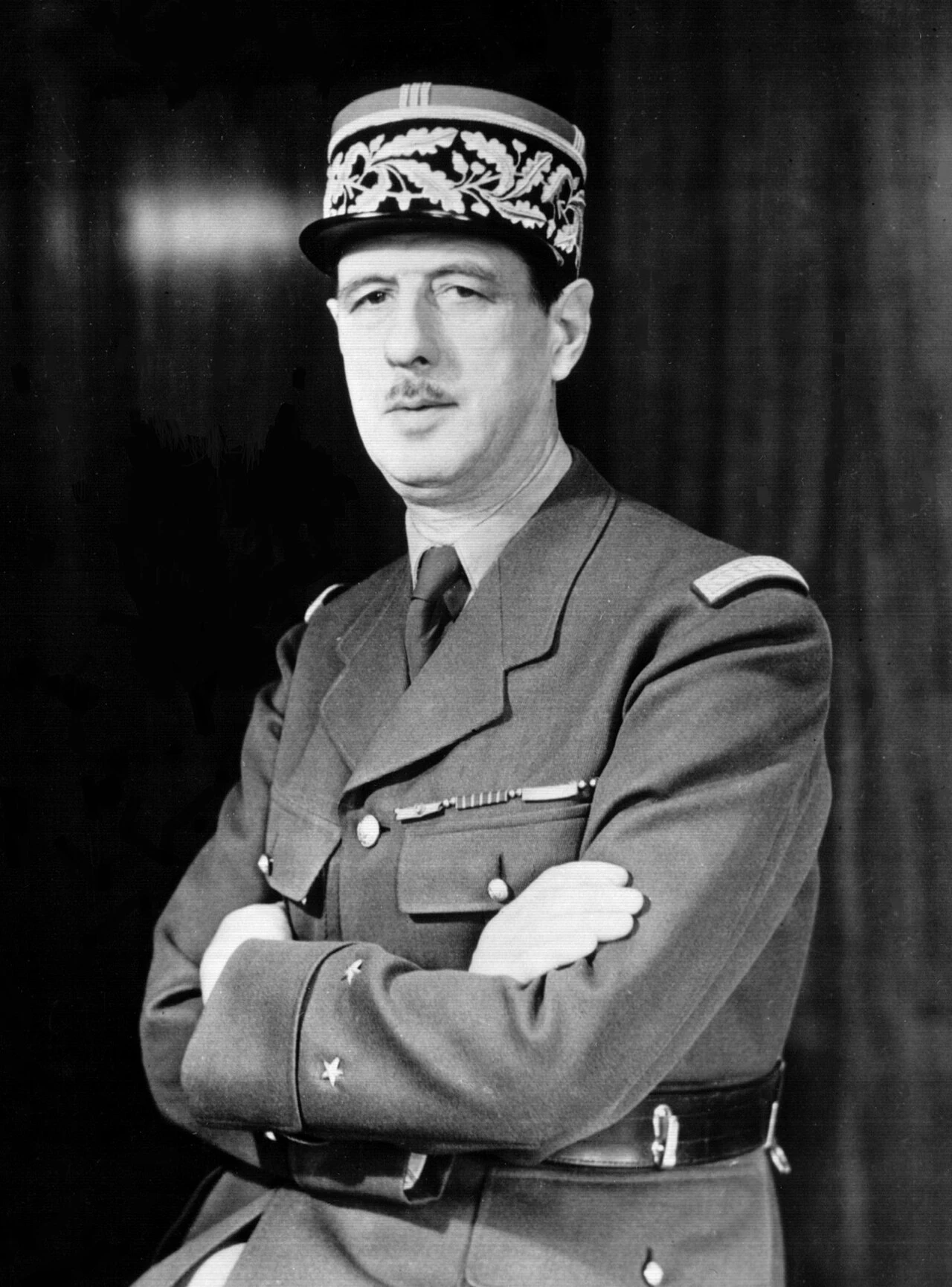
De Gaulle at the BBC microphone — 18 June, 18:00
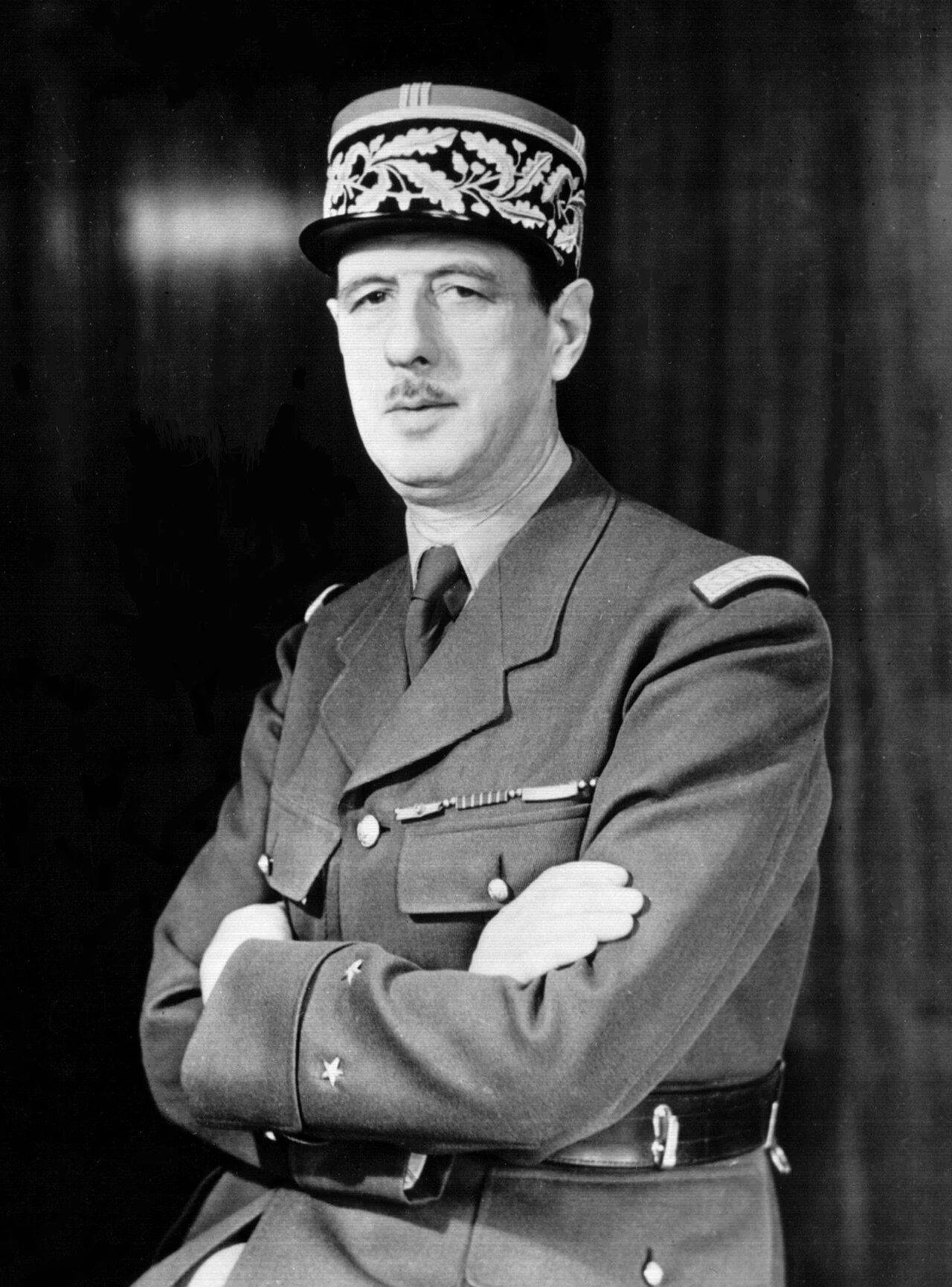
De Gaulle calls on Churchill — 9 June
Churchill before the 25 ministers — 28 May 18:00
Churchill before the Commons — 4 June
Halifax at the War Cabinet — 25 May 18:00
Chamberlain at Central Hall — 4 April
Churchill in power
Ramsay — Dover, 14:23
The Appeal of 18 June
Daladier asked to leave the War Ministry
De Gaulle at the BBC microphone — 18 June, 18:00