
Wilton-Fijenoord: the shipyard's management faces the occupier
May 1940. The Netherlands capitulates and Rotterdam burns. The Wilton-Fijenoord shipyard, in Schiedam, is one of the largest naval complexes in the country: it employs more than 4,000 workers and had submarines and a cruiser on the slipways intended for the Dutch navy. Several of these ships, unable to flee to England, were scuttled in the Nieuwe Waterweg.
The Kriegsmarine seizes the site at once. It wants the captured vessels refloated and completed, and the workshops converted to manufacture war materiel. The management is caught in a vice: to refuse is to risk closure, outright requisition, hunger for the workers and reprisals; to obey fully is to arm the enemy.
W. Wilton, C.H. Teschmacher and their colleagues must weigh the jobs of thousands of families against the refusal to aid the German war effort.
After the German invasion, how should the management of the largest Dutch shipyard respond to the Kriegsmarine's demands?
The management adopted a so-called "give and take" policy: the shipyard accepted German orders while seeking to discreetly sabotage the results and slow down the work. Wilton-Fijenoord thus completed the submarine O 25, which became the Kriegsmarine's UD-3 (commissioned in June 1941), produced torpedo tubes and diesel engine parts for the U-boats, and launched the cruiser later renamed De Ruyter. The workforce rose to around 6,500 people. From late 1943 onward, however, the occupier plundered the machinery to Germany and deported workers in November 1944. After the war, several directors were prosecuted for deliberately aiding the enemy: Teschmacher and others were sentenced to prison terms and heavy fines (reduced on appeal), the court finding that they "had not resisted enough."
Learn more about this event
Related polls
10

Eindhoven under the heel: the lamp empire put to the test
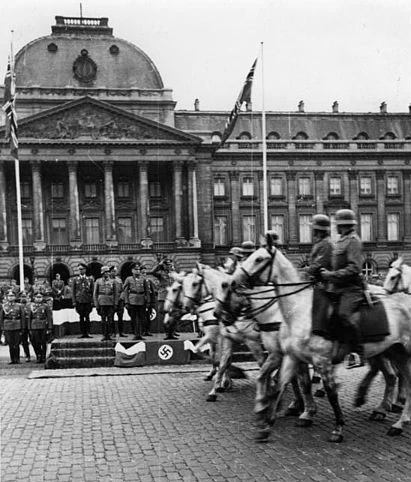
The Galopin Doctrine — whether to produce under the occupier
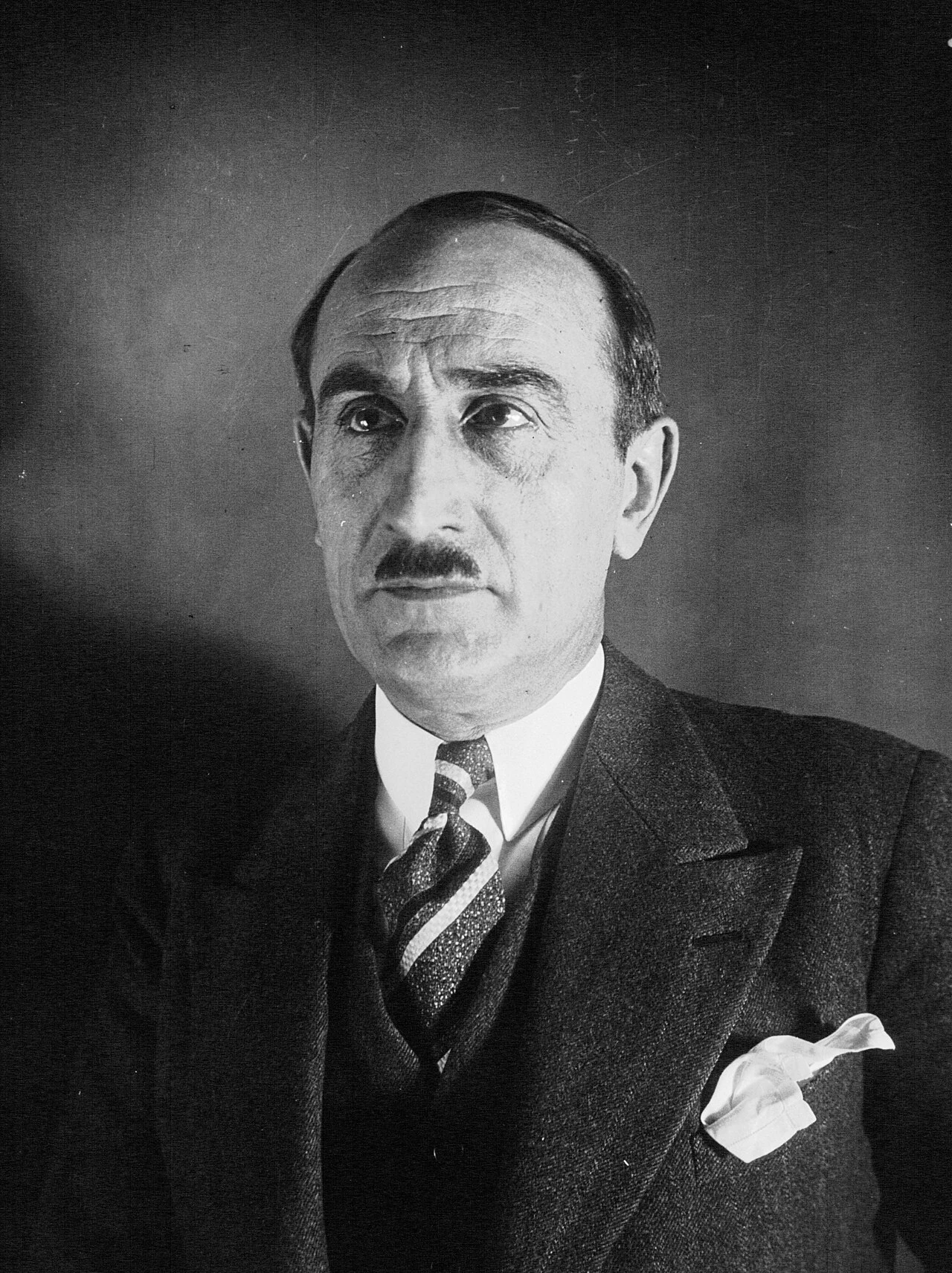
Marquet — Bordeaux overwhelmed, 12 June
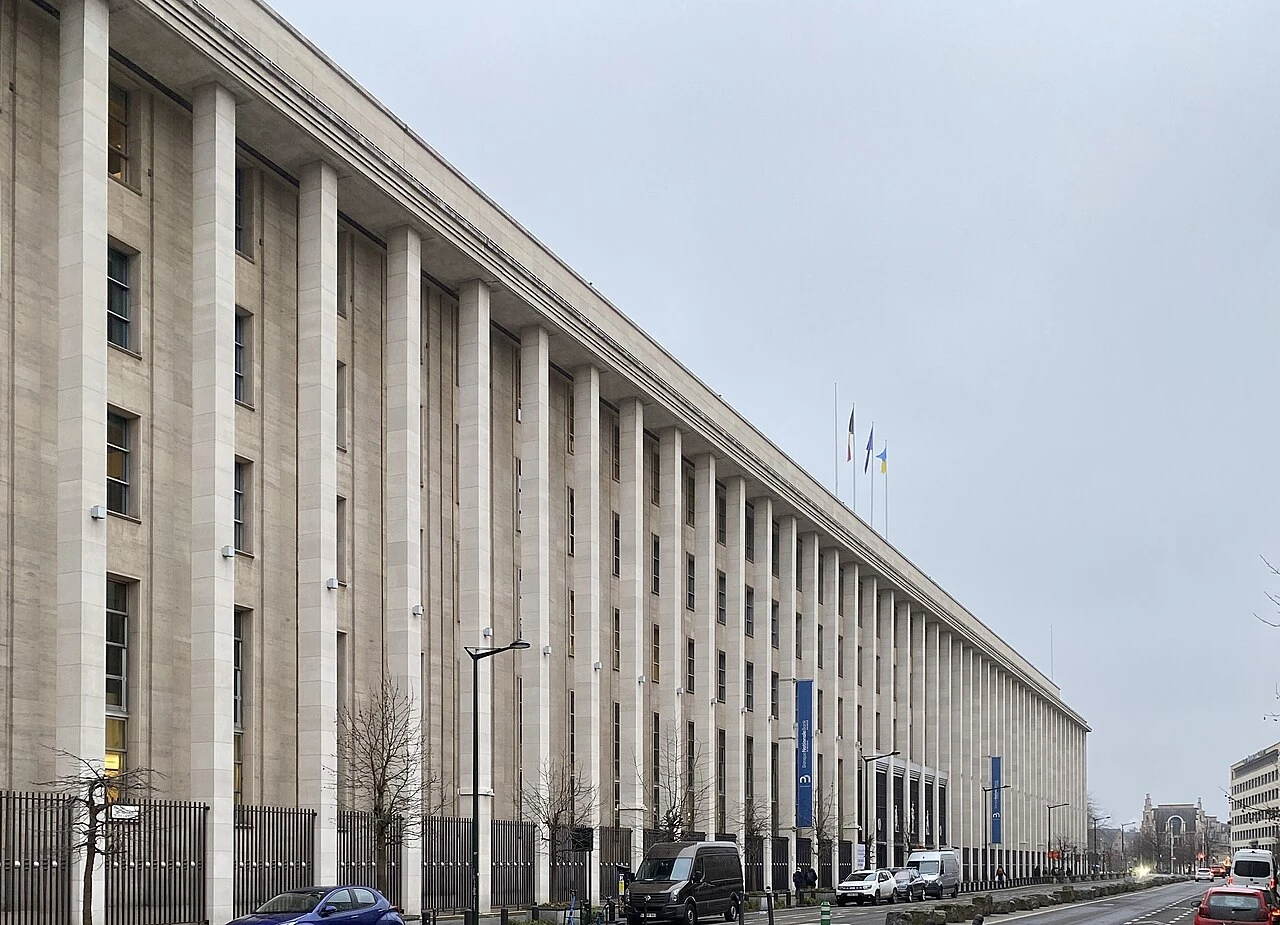
Forty tonnes of gold trapped at Ostend
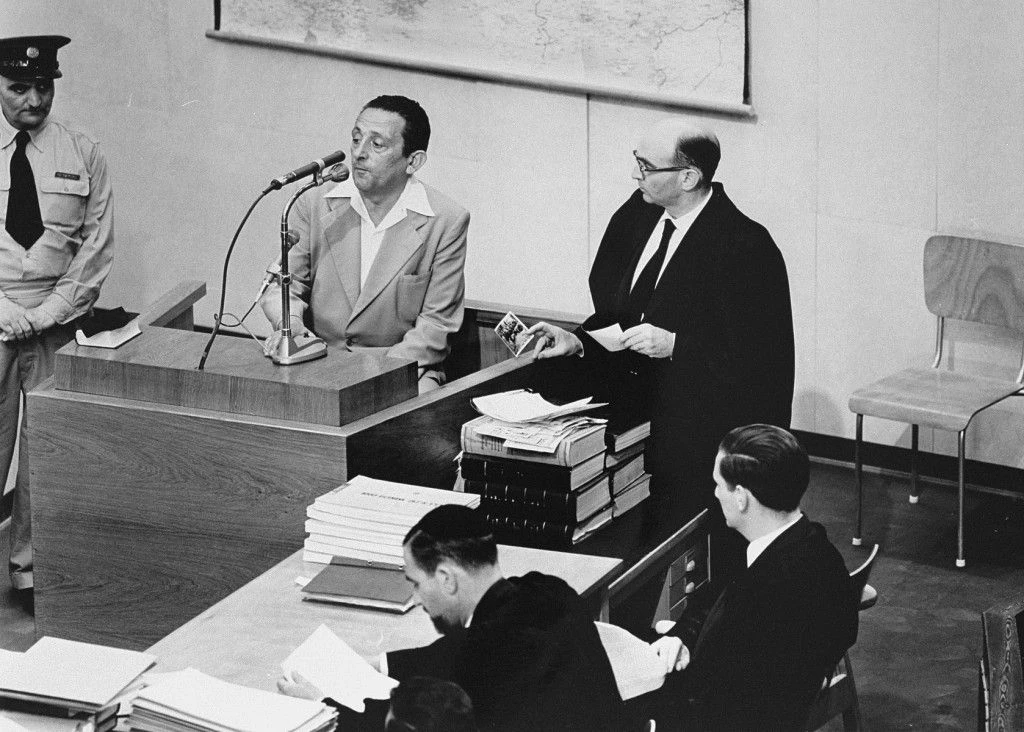
Biebow at Litzmannstadt — 8 February
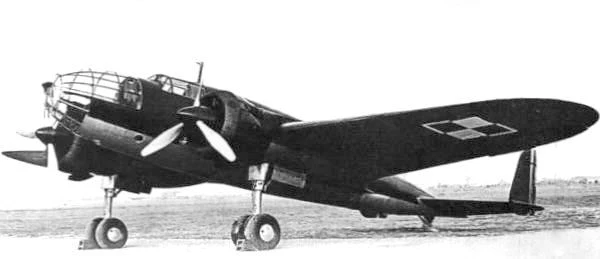
Carol II in Bucharest — the Romanian balance
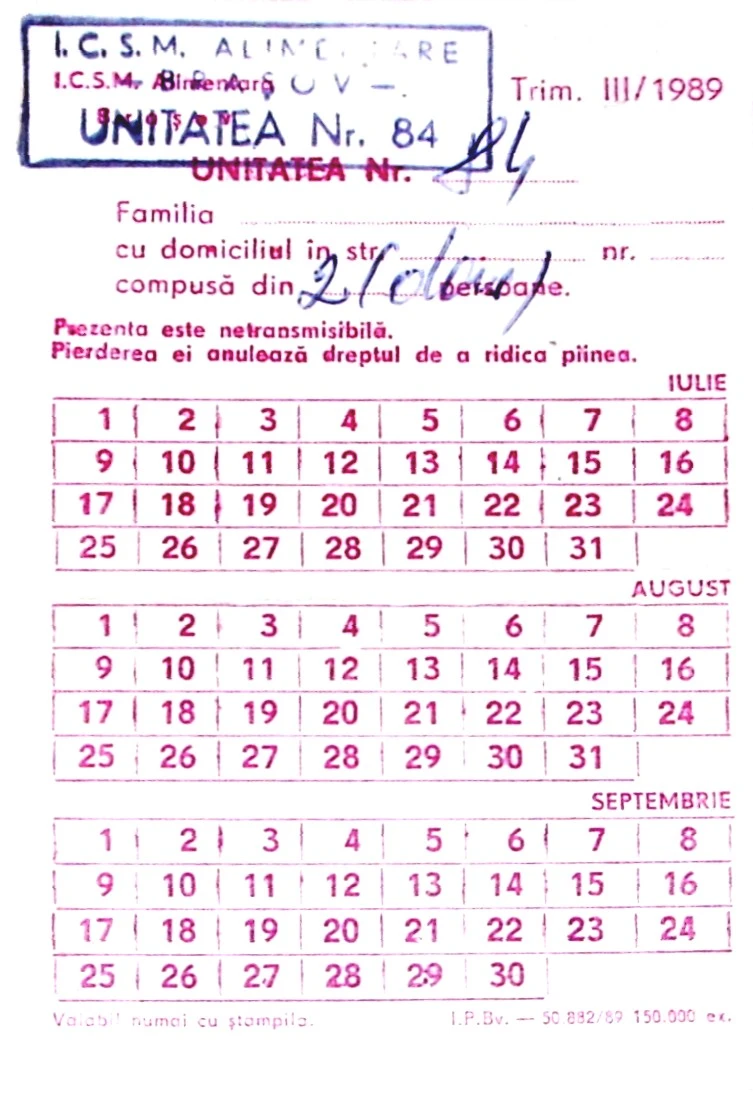
France's March 1940 Ration Card
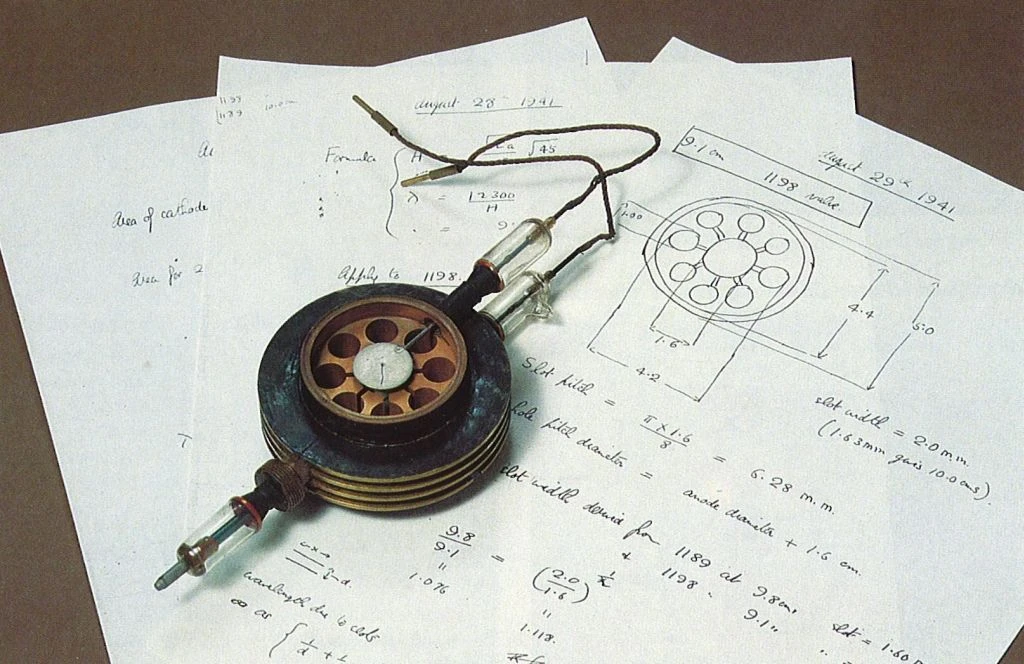
The Tizard Mission's Trunk for America
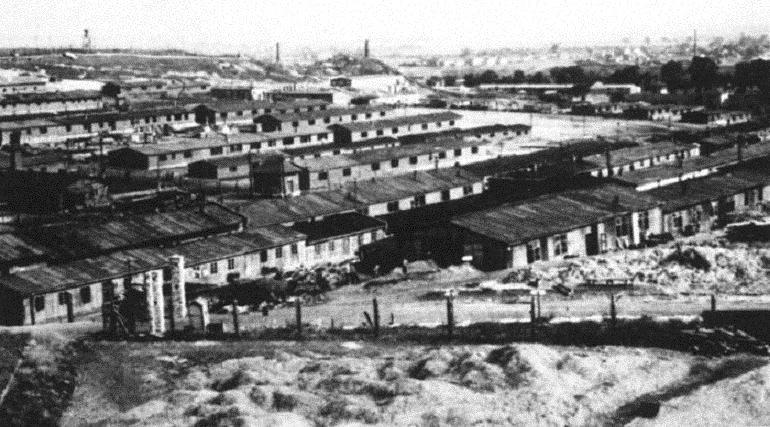
The Upper Silesian Pole Subjected to Forced Labour
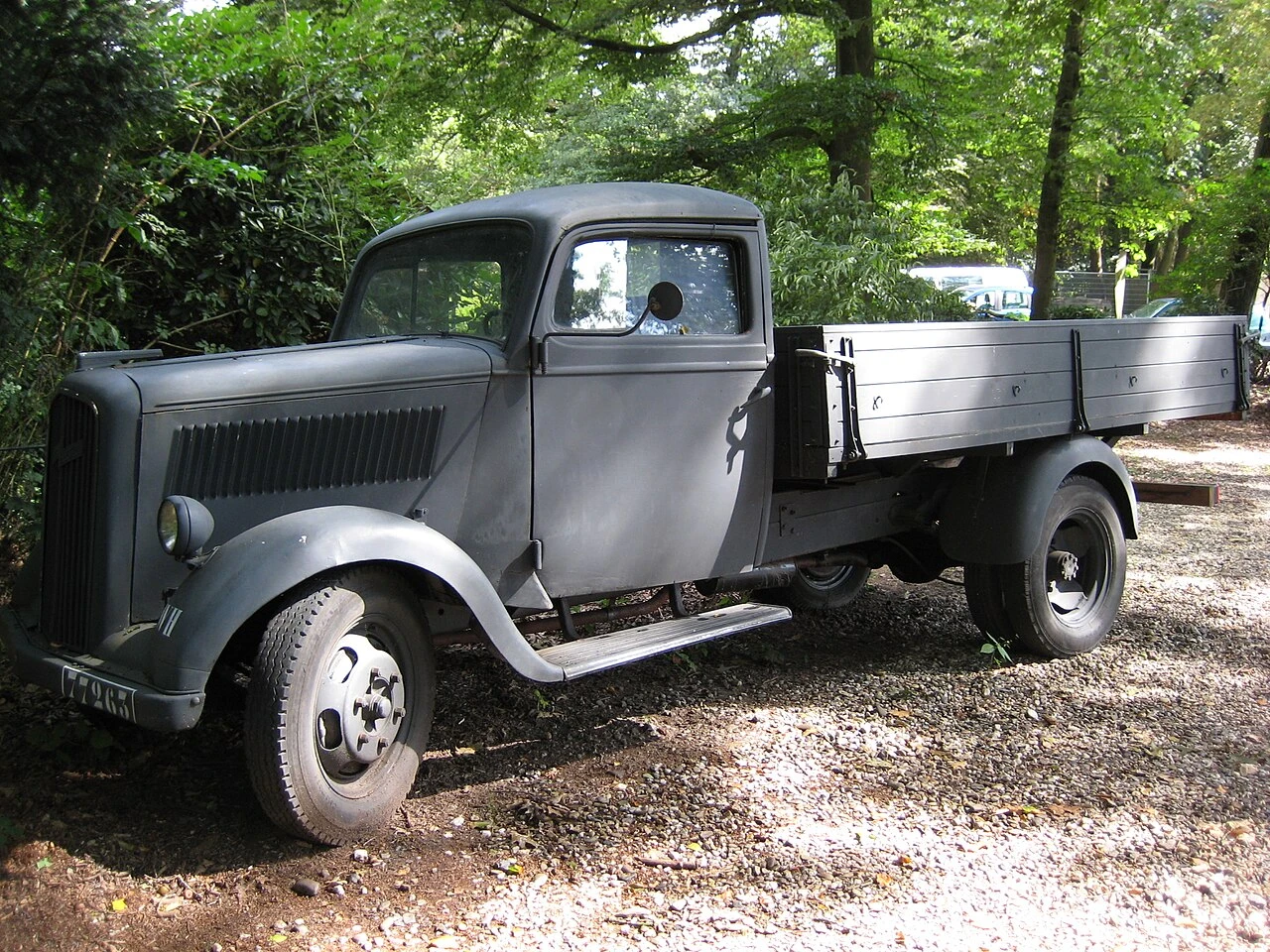
Opel under the wartime Reich: what does General Motors do?
Eindhoven under the heel: the lamp empire put to the test
The Galopin Doctrine — whether to produce under the occupier
Marquet — Bordeaux overwhelmed, 12 June
Forty tonnes of gold trapped at Ostend
Biebow at Litzmannstadt — 8 February
Carol II in Bucharest — the Romanian balance
France's March 1940 Ration Card
The Tizard Mission's Trunk for America
The Upper Silesian Pole Subjected to Forced Labour