
Negrín and the Fall of Barcelona
On 26 January 1939, Barcelona falls to Franco's Nationalists. Catalonia collapses, and nearly 450,000 refugees — soldiers and civilians — pour back toward the French border in the debacle of the Retirada. The Republic now holds only the Centre-South zone, around Madrid and Valencia.
The head of government, , must settle on a line. Should he prolong resistance in the hope that a European war, which he judges imminent, will turn the Spanish conflict into one front of a wider struggle against fascism and force the democracies to intervene? He has set out thirteen peace conditions, but London and Paris hold back.
Many in his own camp no longer believe it. Exhausted officers and Socialists want to negotiate a surrender to spare blood and obtain guarantees against reprisals. The Republican army is bled white, supply has collapsed, morale is shaken. Negrín must decide: press on with all-out resistance, seek a negotiated peace to limit the bloodbath, or organise the orderly exile of the Republican leadership? The fate of hundreds of thousands of fighters hangs on it.
Should Negrín press on with all-out war, or seek a negotiated peace to spare his own people?
Negrín chooses B: he advocates resistance to the end, hoping to hold out until a general war breaks out. But his authority crumbles. In March 1939, Colonel Casado, backed by moderate Socialists, rises against him in Madrid to negotiate peace with Franco — a negotiation that will yield only unconditional surrender. Madrid falls on 28 March, and Franco proclaims the end of the war on 1 April. Negrín's bet on outside intervention fails: the European war will break out five months too late for the Republic. Franco's repression then falls upon the vanquished. Many Republicans will take the road to exile or to French camps.
Learn more about this event
Related polls
10
Spanish Wolfram
The key to the Mediterranean and a hesitant ally
Hitler Before His Generals
Italy Is Not Ready
The Military Training Act
Armed Neutrality
The Pact of Steel
The Moscow Talks
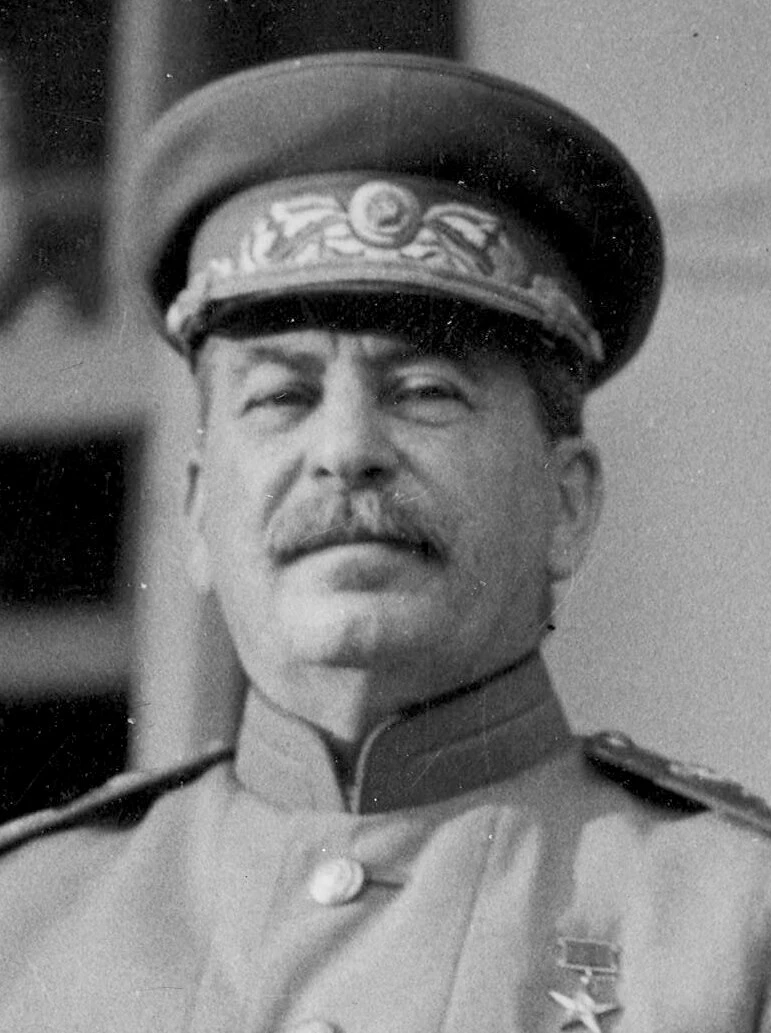
The Dismissal of Litvinov
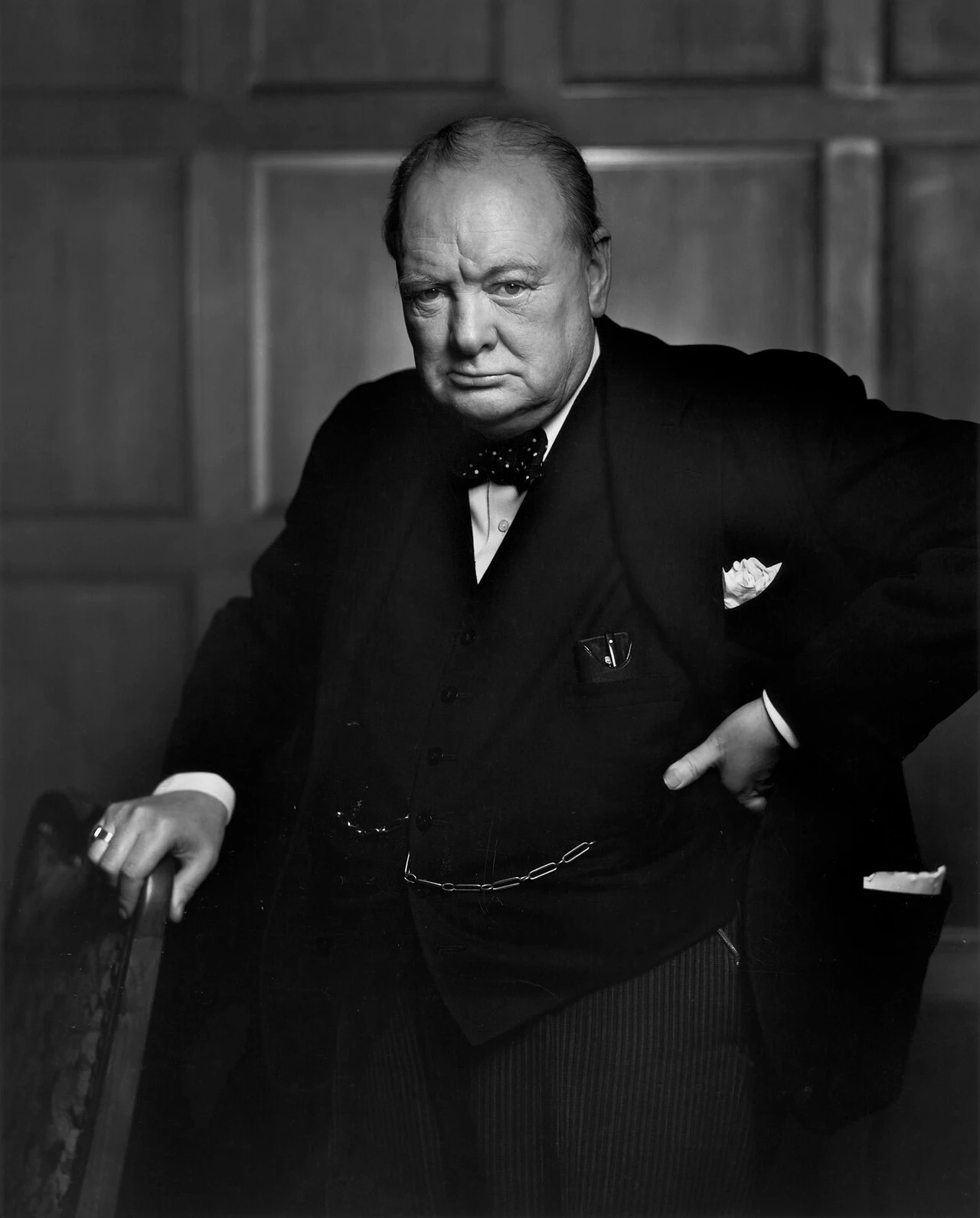
Auchinleck replaces Wavell
Spanish Wolfram
The key to the Mediterranean and a hesitant ally
Hitler Before His Generals
Italy Is Not Ready
The Military Training Act
Armed Neutrality
The Pact of Steel
The Moscow Talks
The Dismissal of Litvinov