
HMS Exmouth in the Moray Firth
HMS Exmouth (E-class) was a British destroyer of 1,405 tons, commissioned in 1934, the flagship of the . On 21 January 1940 she was escorting the Norwegian cargo SS Cyprian Prince in transit between Aberdeen and Scapa Flow. A single escort for one cargo — common practice given the shortage of British destroyers (the Royal Navy was forced in the winter of 1939-1940 to drop minor convoy escorts from the usual four to six down to as few as one or two).
U-22 of Kapitänleutnant , 25, spotted the pair at 04:00. Conditions: moderate sea, full moon, visibility eight miles. Jenisch fired three torpedoes at 600 metres. Two struck the Exmouth aft. Catastrophic explosion in the boiler rooms. The destroyer broke up and went down in less than 90 seconds.
Cyprian Prince fled. At dawn the other destroyers of the 12th Flotilla (HMS Imogen, HMS Inglefield) arrived on station. No survivors. All 189 men of HMS Exmouth were dead, including Captain , 39, married, two children.
The British Admiralty had to decide how to handle public communication of the loss.
How should the Admiralty handle the loss of HMS Exmouth publicly?
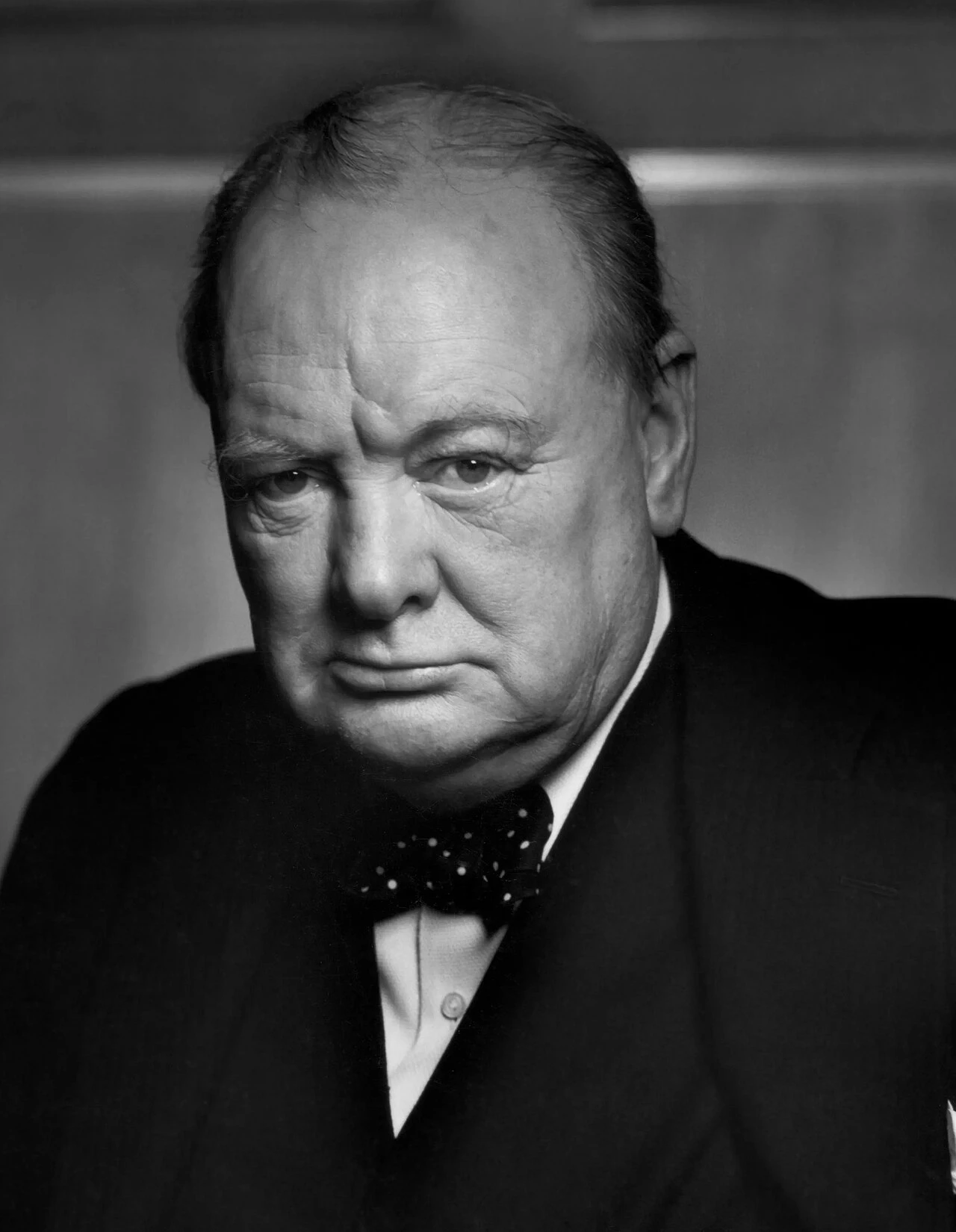
The Admiralty chose B. The families were notified between 23 and 26 January 1940 by official telegram. The public communiqué followed on 30 January. The loss of the Exmouth provoked a parliamentary debate: why only one escort for the Cyprian Prince? First Lord A.V. Alexander defended the doctrine. But Churchill (First Lord of the Admiralty) at once accelerated the construction of escort destroyers (the 1940 programme called for 32 new destroyers, of which 6 were delivered in 1941). Tactically, the loss of the Exmouth hastened the introduction of multi-escort convoys (a minimum of four destroyers per convoy of ten ships) — the standard practice from April 1940 onwards. Jenisch and U-22 were decorated. Both were lost in March 1940: U-22 vanished with all hands in the North Sea, cause undetermined (probably a mine). The Cyprian Prince survived the war. Bowden was symbolically interred at Westminster Abbey in 1946.
Learn more about this event
Related polls
10
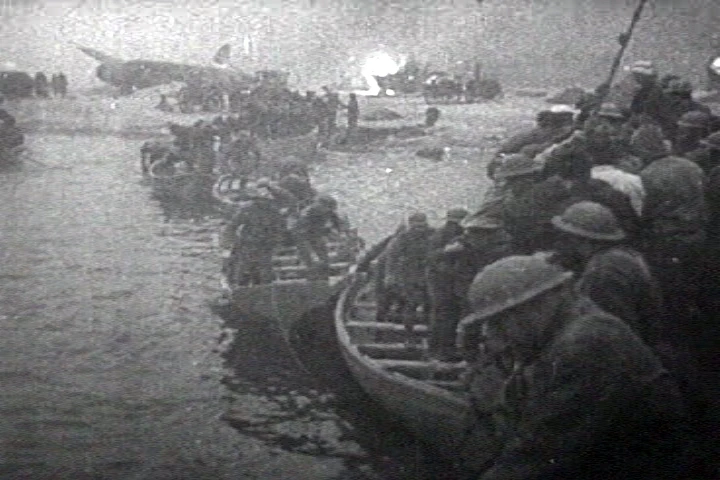
Ramsay — Dover, 14:23
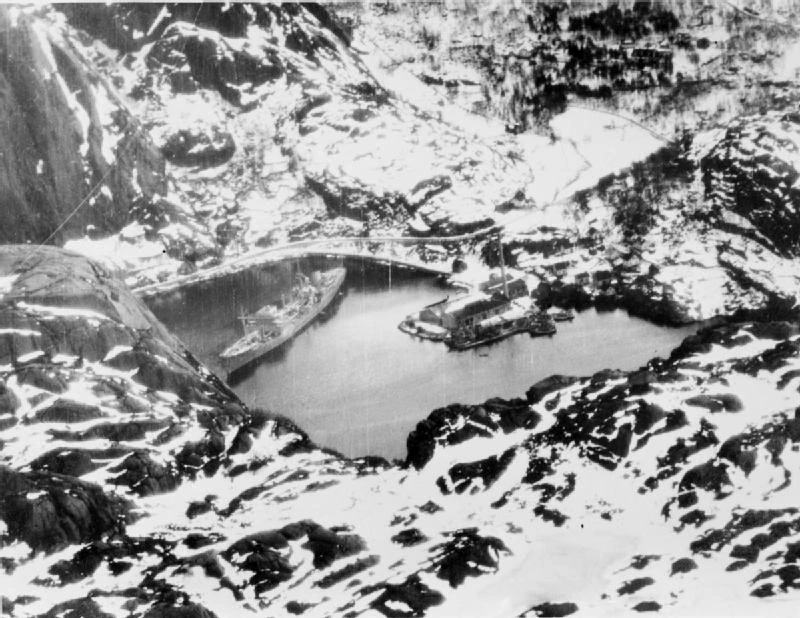
The Altmark affair
Mining the Rhine — Operation Royal Marine
The blockade of Germany
Borakowski and the merchant fleet
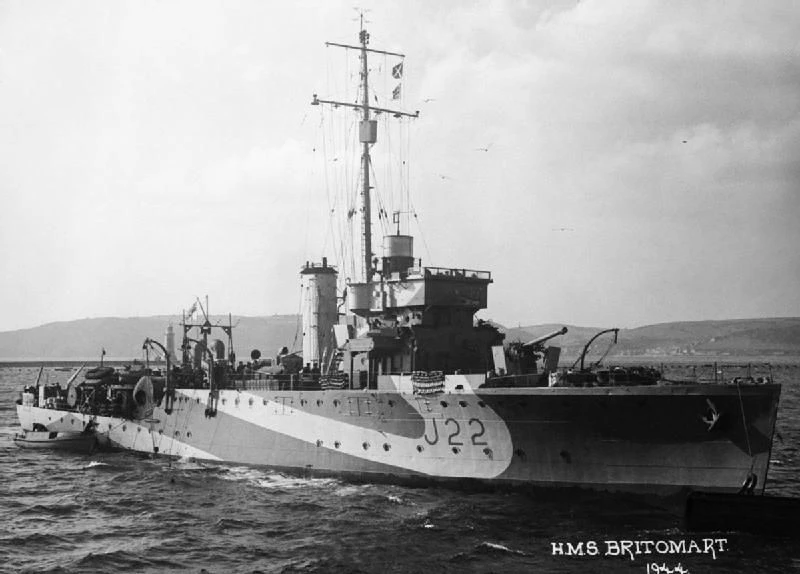
HMS Sphinx at Kinnaird Head
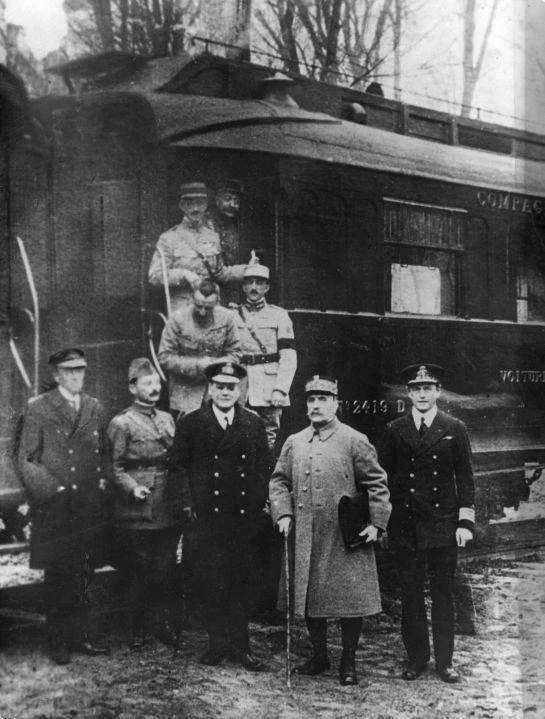
Rethondes — Article 8 on the Fleet
HMS Daring in the Pentland Firth
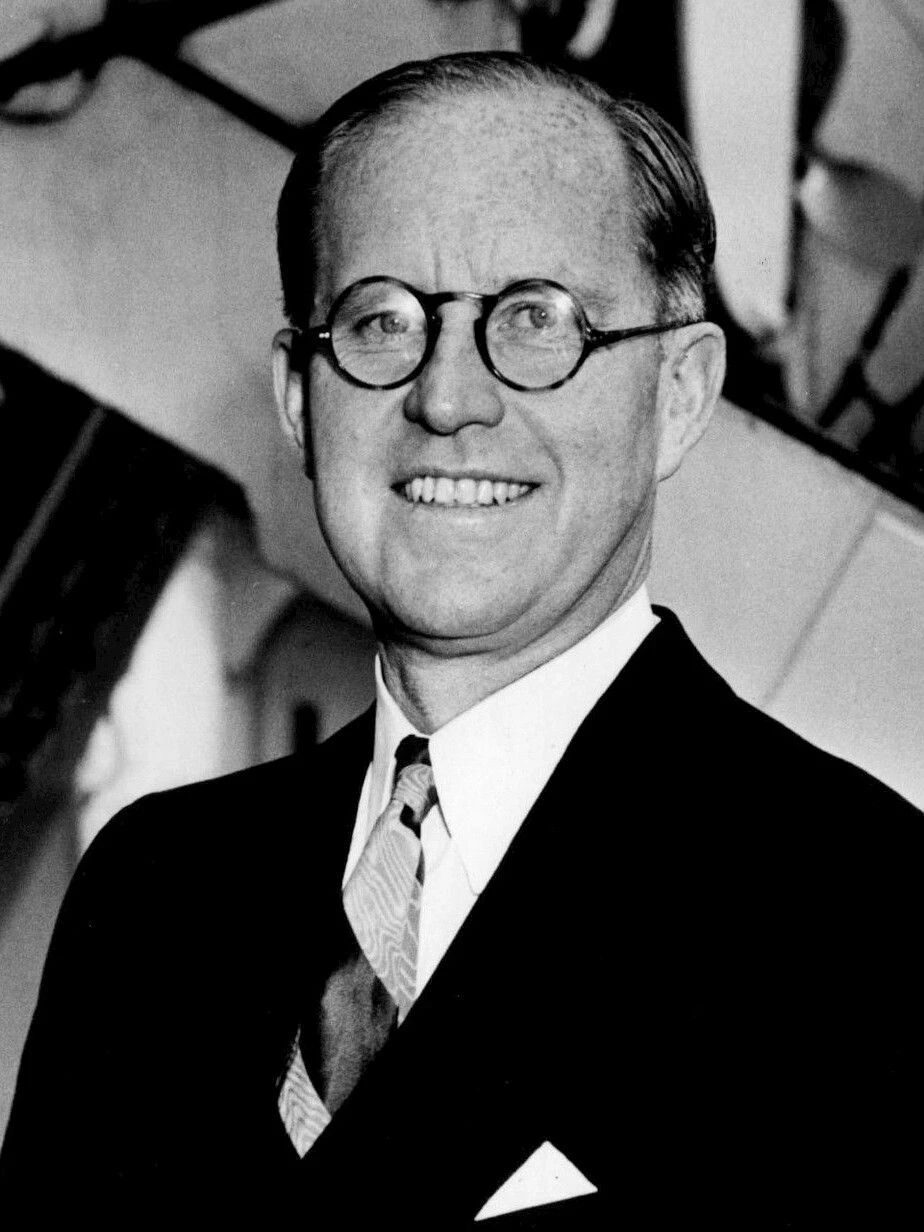
HMS Rawalpindi — Kennedy at 3:47 p.m.
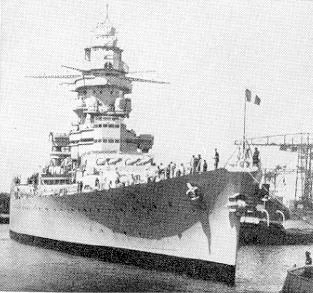
The Admiralty and the Strasbourg Rumour
Ramsay — Dover, 14:23
The Altmark affair
Mining the Rhine — Operation Royal Marine
The blockade of Germany
Borakowski and the merchant fleet
HMS Sphinx at Kinnaird Head
Rethondes — Article 8 on the Fleet
HMS Daring in the Pentland Firth
HMS Rawalpindi — Kennedy at 3:47 p.m.