
Modlin — Thommée at the last fortress
Built by in 1806-1812, modernised by the Russians in the nineteenth century and again by the Poles in the 1920s and 1930s, the Modlin fortress guards the junction of the Vistula and the Narew, 30 km north-west of Warsaw. On 1 September, its standing garrison numbers only about 5,000 men; but from 9 September onward the remnants of General Krukowicz-Przedrzymirski's and fragments of the fall back into it.
, 58, takes command on 13 September by decree of Rydz-Śmigły. By the 15th the fortress shelters nearly 35,000 men, including 4,000 wounded; to support them, Thommée musters 134 guns — Schneider, Bofors, vz.30 — twelve light tanks and the garrisons of the two works at Modlin and Zakroczym.
German attacks begin on 13 September. Bock's entrusts Modlin's capture to Küchler's , four infantry divisions strong and supported by Kesselring's : Stukas, 150 and 210 mm heavy artillery, Karl mortars hammer the works. Modlin holds out. On 18 September, two German armoured divisions — Reinhardt's and Kempf's — are withdrawn southward; the Polish garrison is still standing.
But by 27 September Warsaw has surrendered. Modlin has no shells left for its heavy artillery, no drinking water since the pumps were destroyed, not a single bandage left for its 4,000 wounded. Typhus breaks out. Thommée must decide.
What to do on 28 September, on the eve of an unavoidable surrender?
Thommée chooses A and C. On 28 September he destroys the heavy artillery pieces and burns the secret codes. At noon he sends an envoy to General (Wehrmacht). The terms negotiated: immediate evacuation of the wounded to civilian hospitals, officers to keep their swords in captivity, enlisted men to be treated under the Geneva Convention. The surrender is signed on the morning of 29 September. 30,000 fit men and 4,000 wounded pass into captivity. Thommée is held in an oflag, survives, is freed in 1945, returns to communist Poland and dies at Łódź in 1962 — the only one of the great commanders of September 1939 to have chosen to come home. Modlin remains a Polish military fortress until 1991, then becomes a museum.
Learn more about this event
Related polls
10
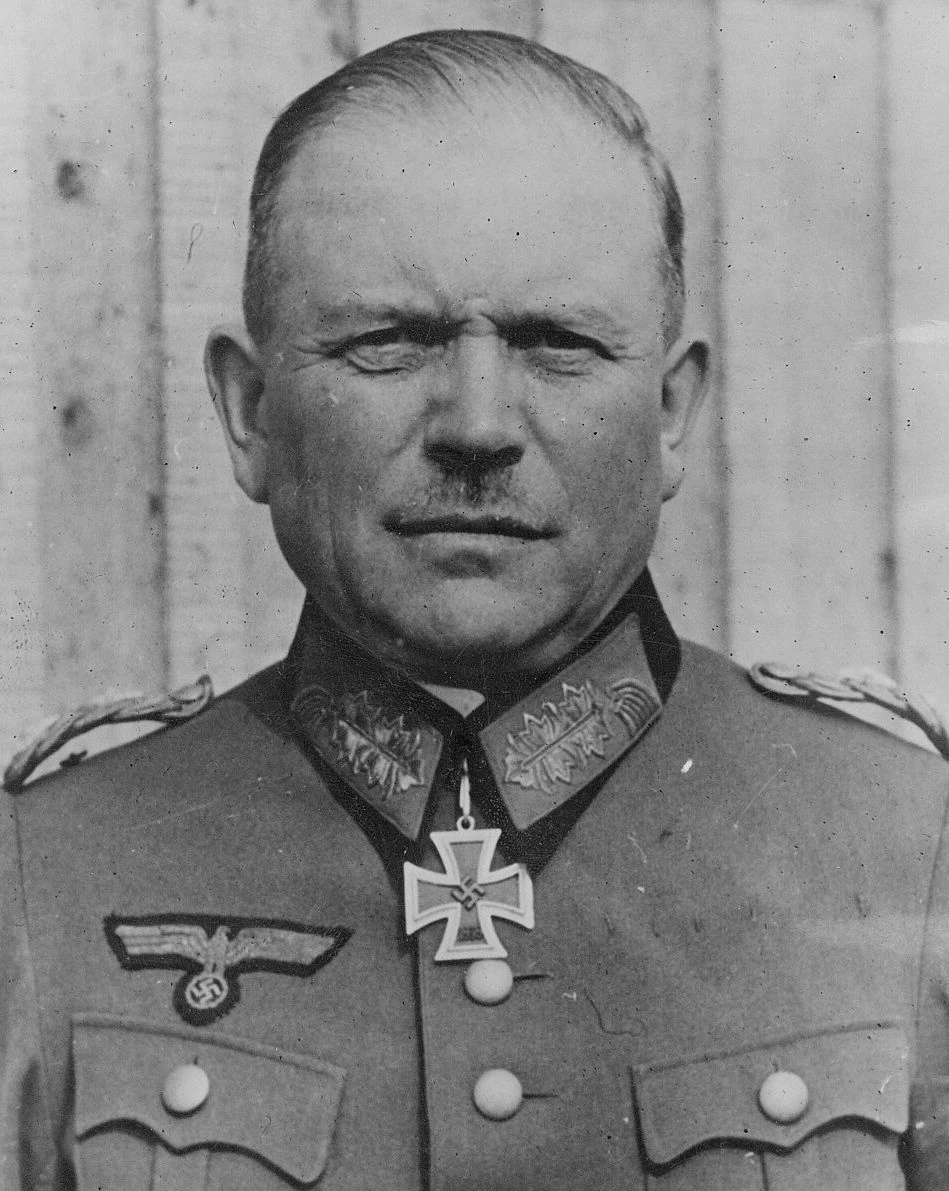
Brześć — Plisowski faces Guderian
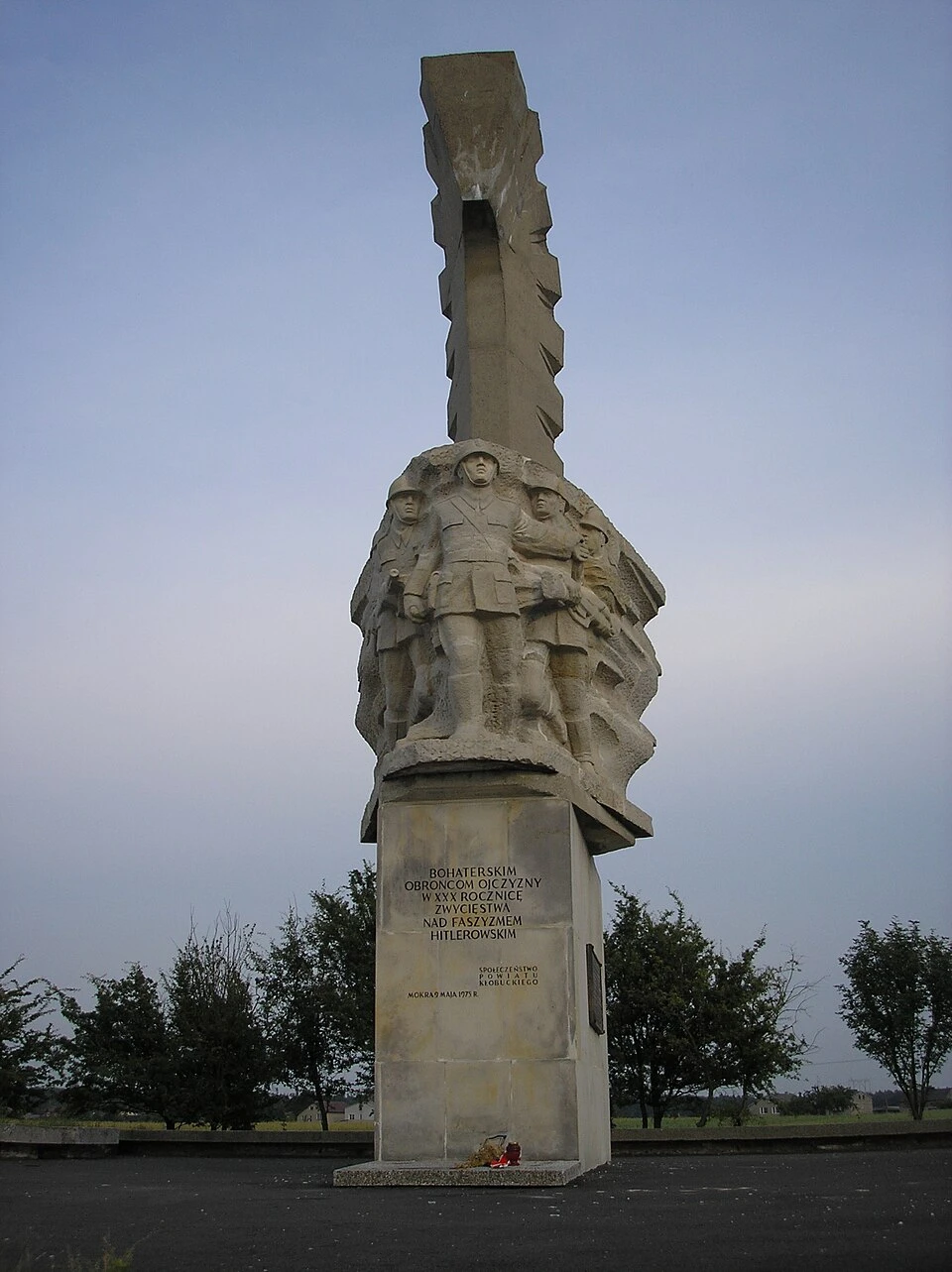
Mokra — Filipowicz and the Volhynian Brigade
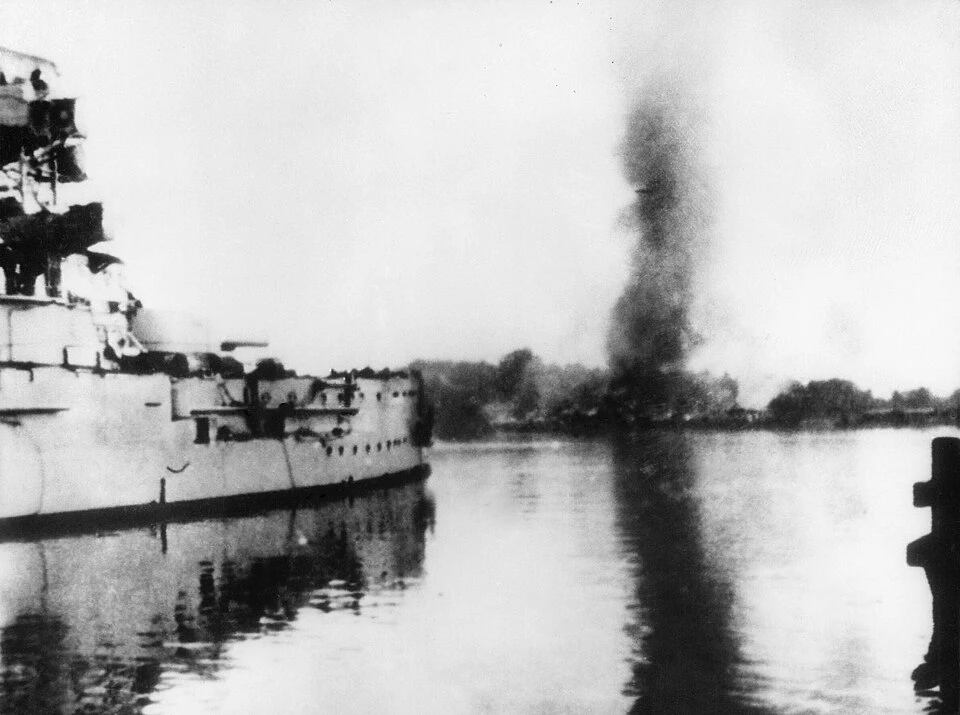
Westerplatte — Sucharski under the Schleswig-Holstein's guns
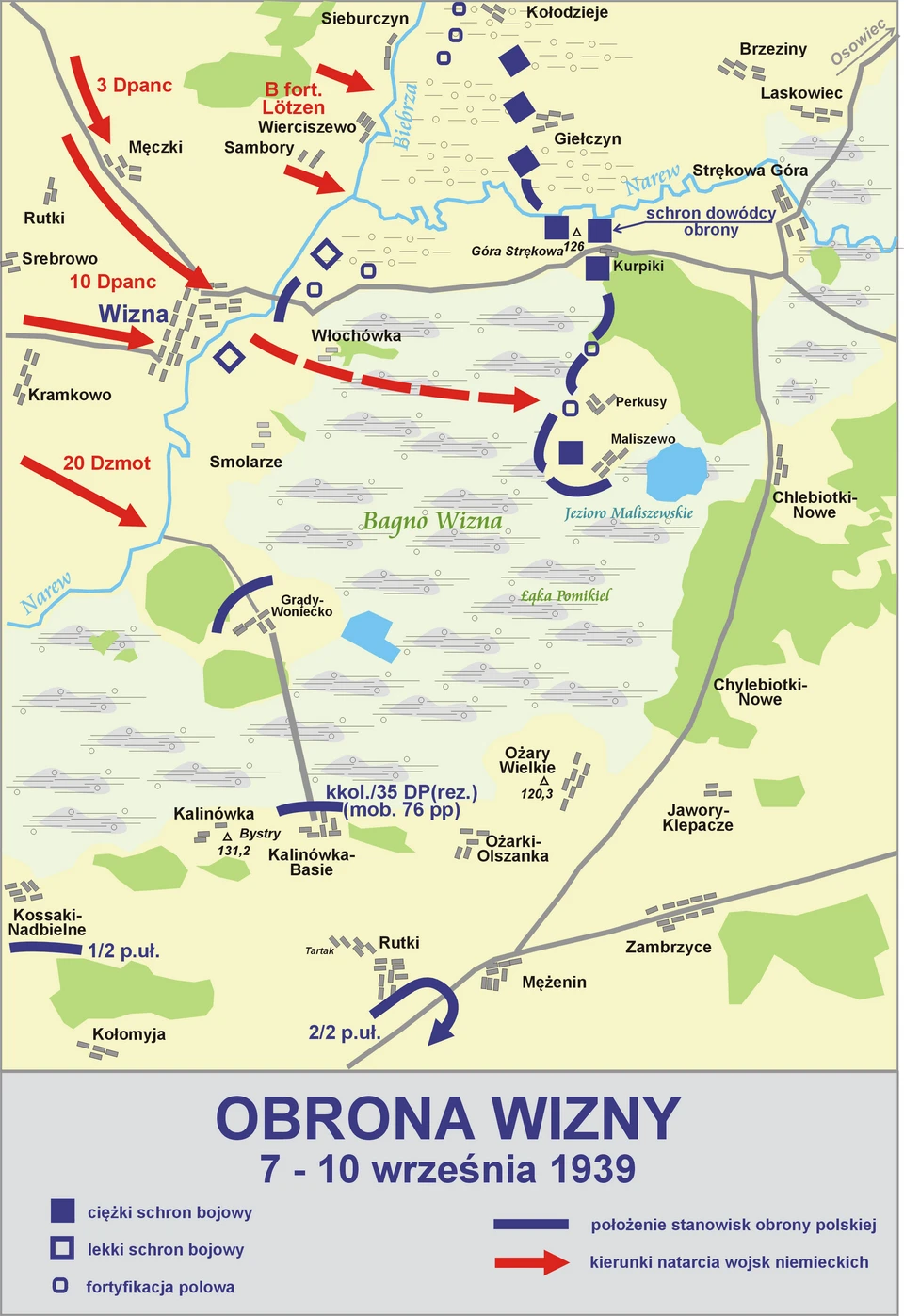
Wizna — Raginis in the Górka bunker
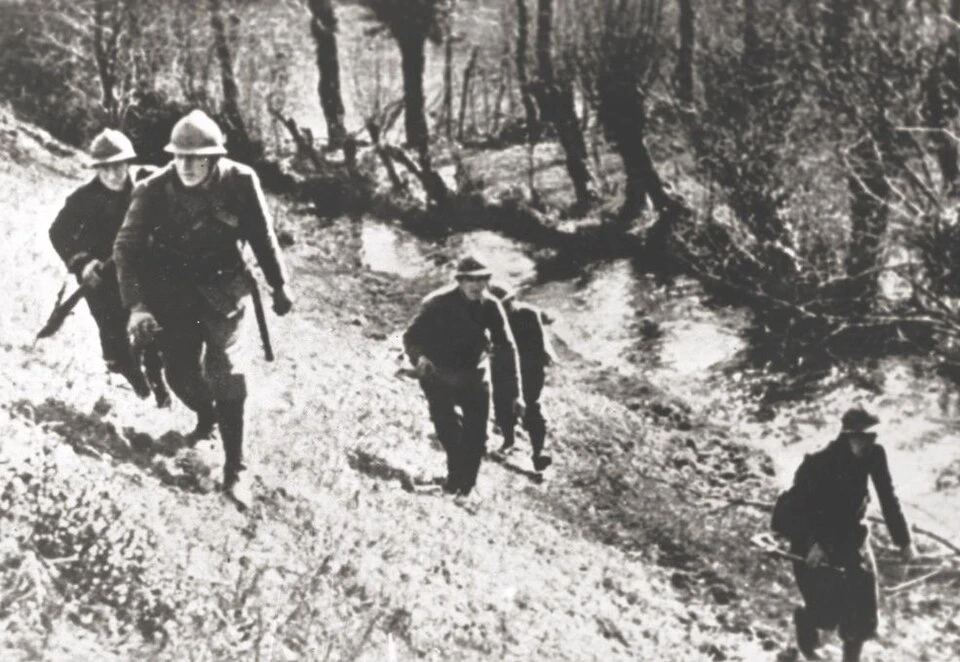
Kock — Kleeberg on the morning of 6 October
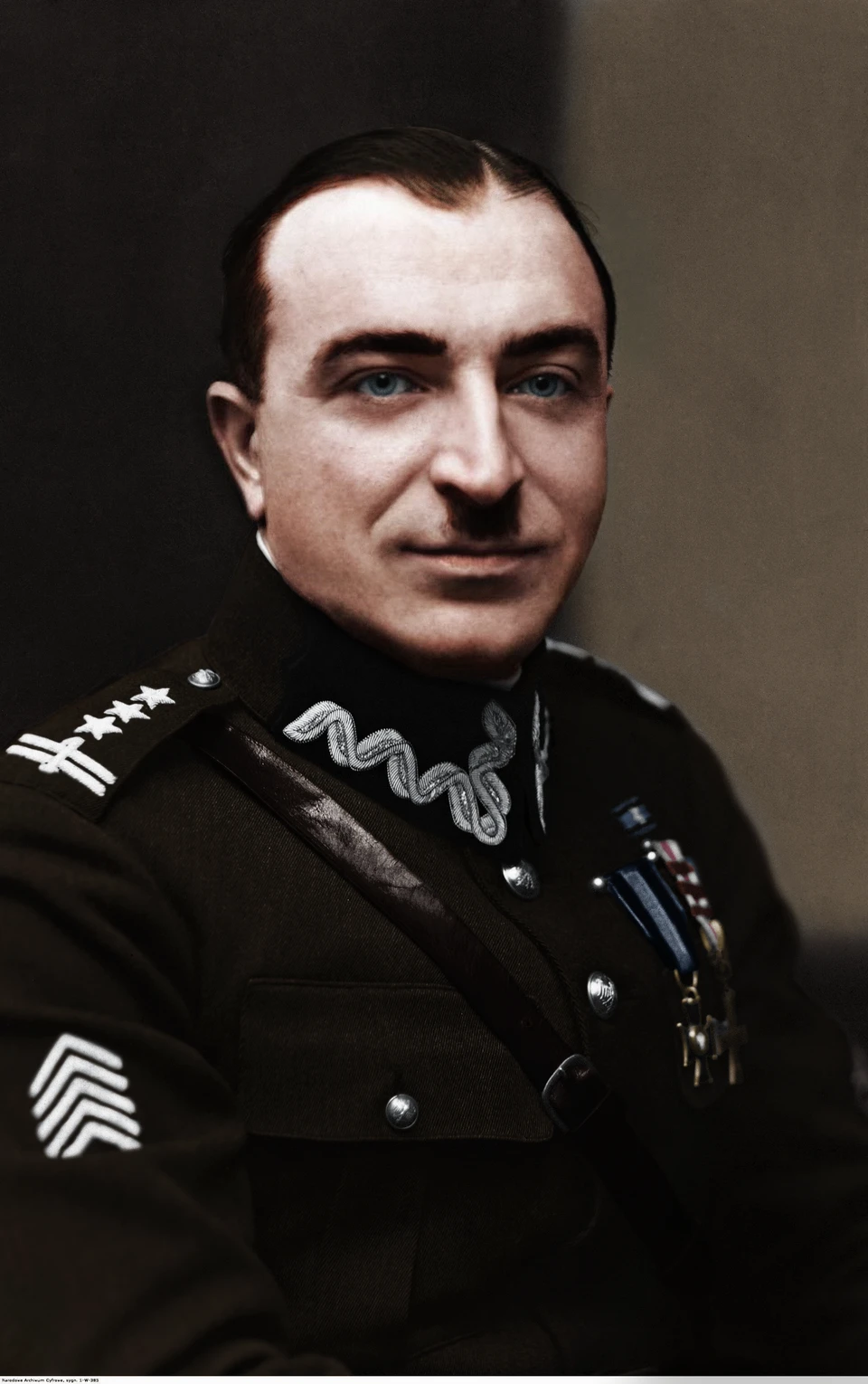
Wytyczno — Orlik-Rückemann after Szack
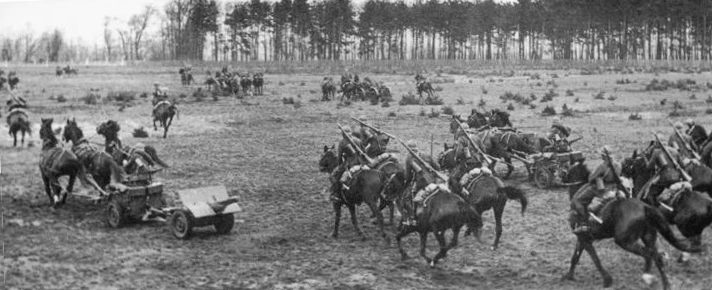
The Bzura — Kutrzeba faces the trap
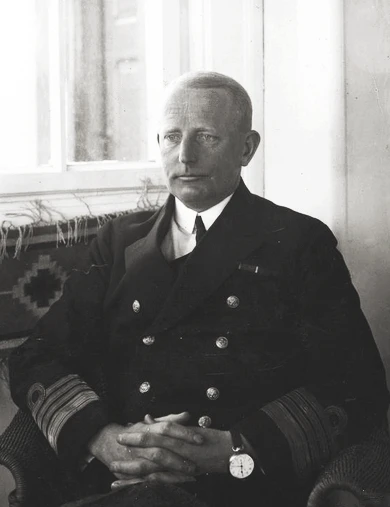
Hel — Unrug faces the German envoy
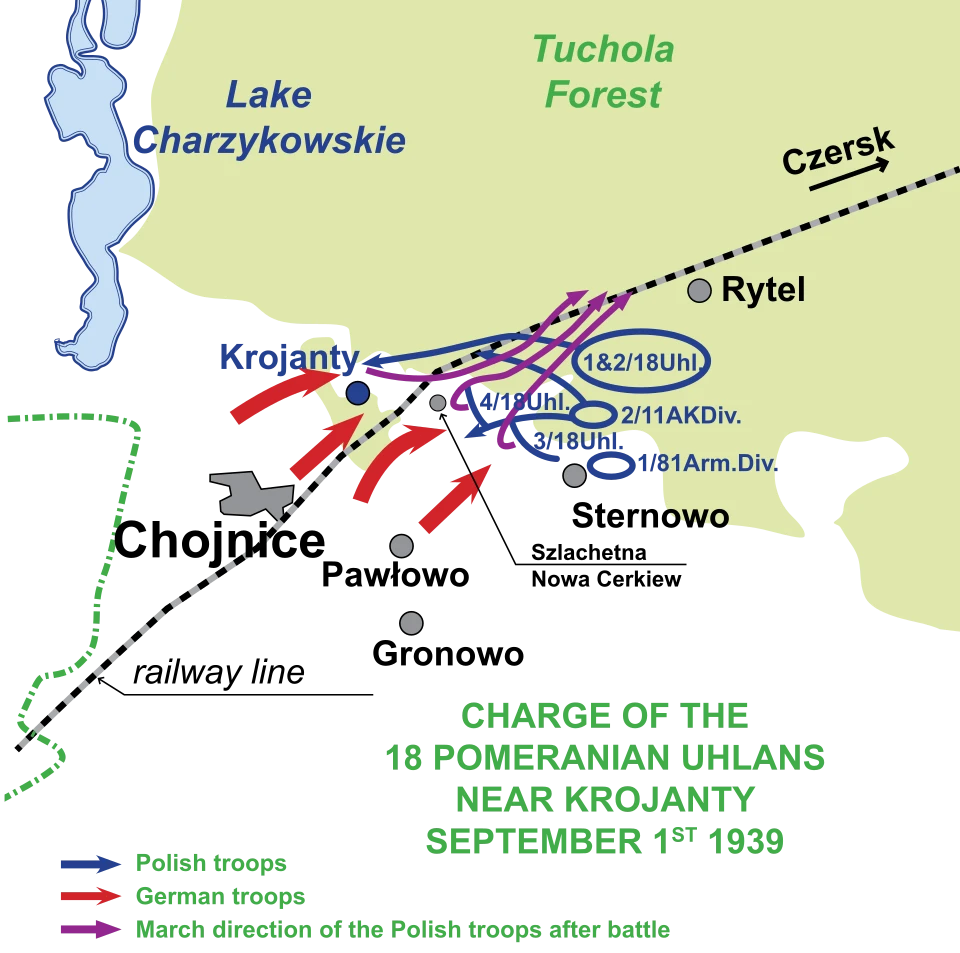
Krojanty — Mastalerz and the 18th Uhlans
Lwów — Langner between two occupiers
Brześć — Plisowski faces Guderian
Mokra — Filipowicz and the Volhynian Brigade
Westerplatte — Sucharski under the Schleswig-Holstein's guns
Wizna — Raginis in the Górka bunker
Kock — Kleeberg on the morning of 6 October
Wytyczno — Orlik-Rückemann after Szack
The Bzura — Kutrzeba faces the trap
Hel — Unrug faces the German envoy
Krojanty — Mastalerz and the 18th Uhlans