
Marseille, oil-pressing capital, faces Vichy's colonial offer
For decades Marseille has lived off crushing oilseeds brought from the Empire: raw groundnuts are imported from West Africa, their oil is pressed in the city's factories, and this oil supplies the soap works in particular. Nearly 4,000 direct jobs depend on these production chains along the port.
In 1941, the war has upended the supply routes. The French State proposes a change of model to the industrialists of Marseille: build oil mills directly in French West Africa and Morocco, in order to process the groundnuts at the source rather than shipping the seeds to mainland France.
The trade gathers around its president, , himself an oil-presser. To accept means securing access to the raw material but risking the emptying of Marseille's industry. To refuse means defending the city's factories and jobs, at the cost of leaving the colonial future to others.
When the French State proposes building oil mills in Africa to process groundnuts on the spot, how does the Marseille oil-pressing trade respond to the offer?
The Marseille trade, behind , refuses the State's offer: relocating the crushing to Africa would have threatened the roughly 4,000 direct jobs in the port's oil mills and Marseille's processing industry. In the end it is , whose factories in Dunkirk had been shut down by the war, who accepts the offer. Established in the colonies with the State's help from 1941 onward, Lesieur built an African industrial complex over ten years (Senegal, Morocco, Algeria); his Dakar plant, linked to the port by a pipeline, could process 120,000 tonnes of groundnut seeds. The Marseille refusal accelerated the city's relative decline in oil and soap.
Learn more about this event
Related polls
10
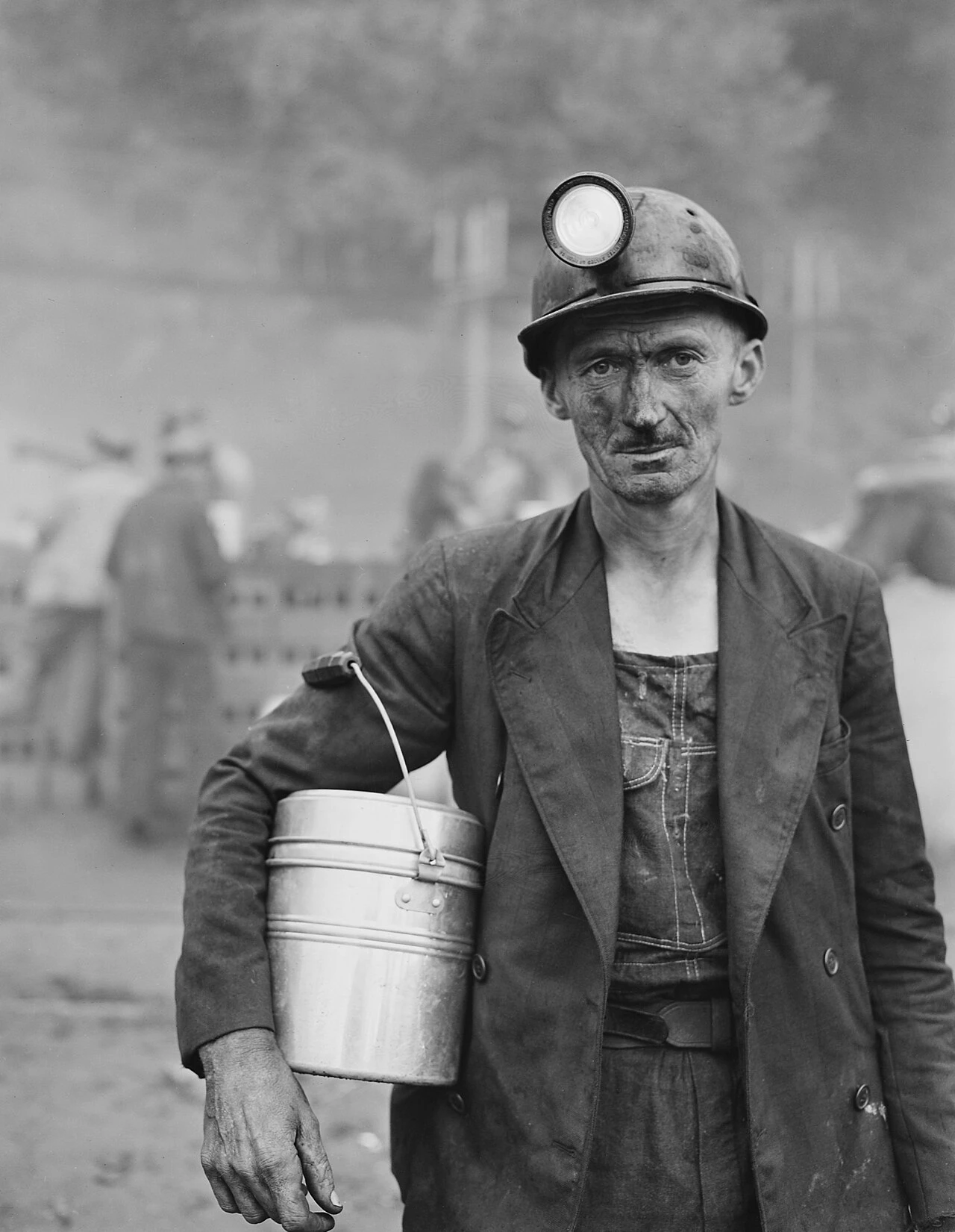
At the Dahomey pit, the morning of team-rate pay
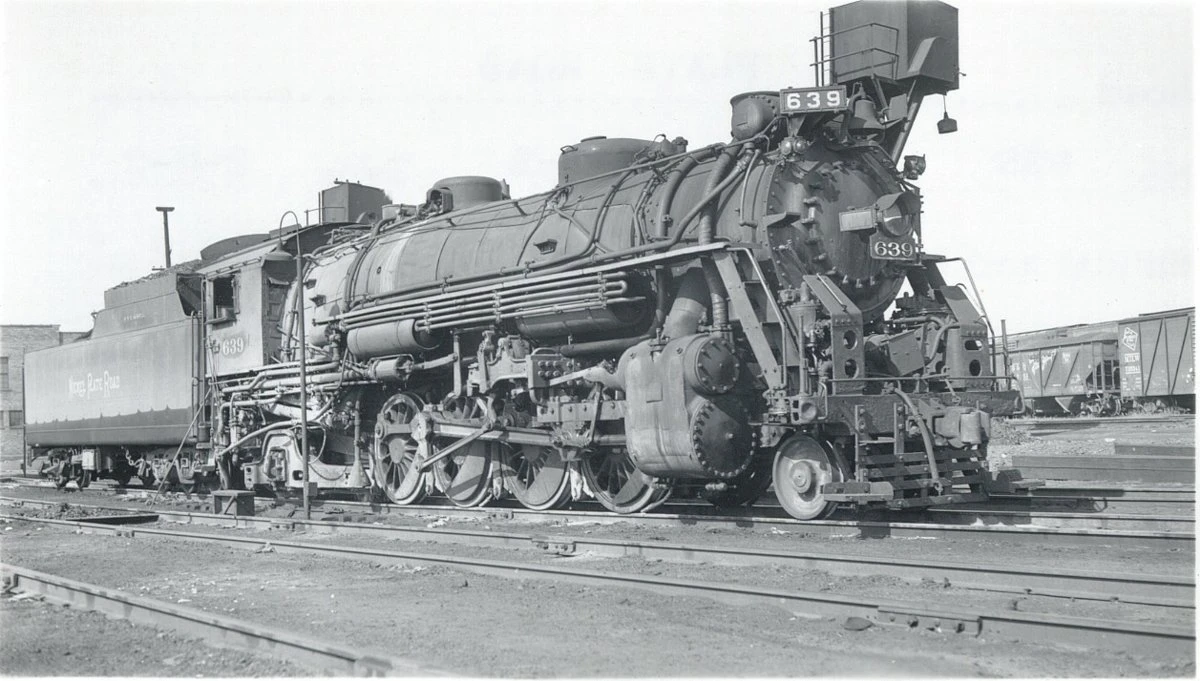
Article 13: the SNCF and the occupier
Boulanger and the Reich's trucks

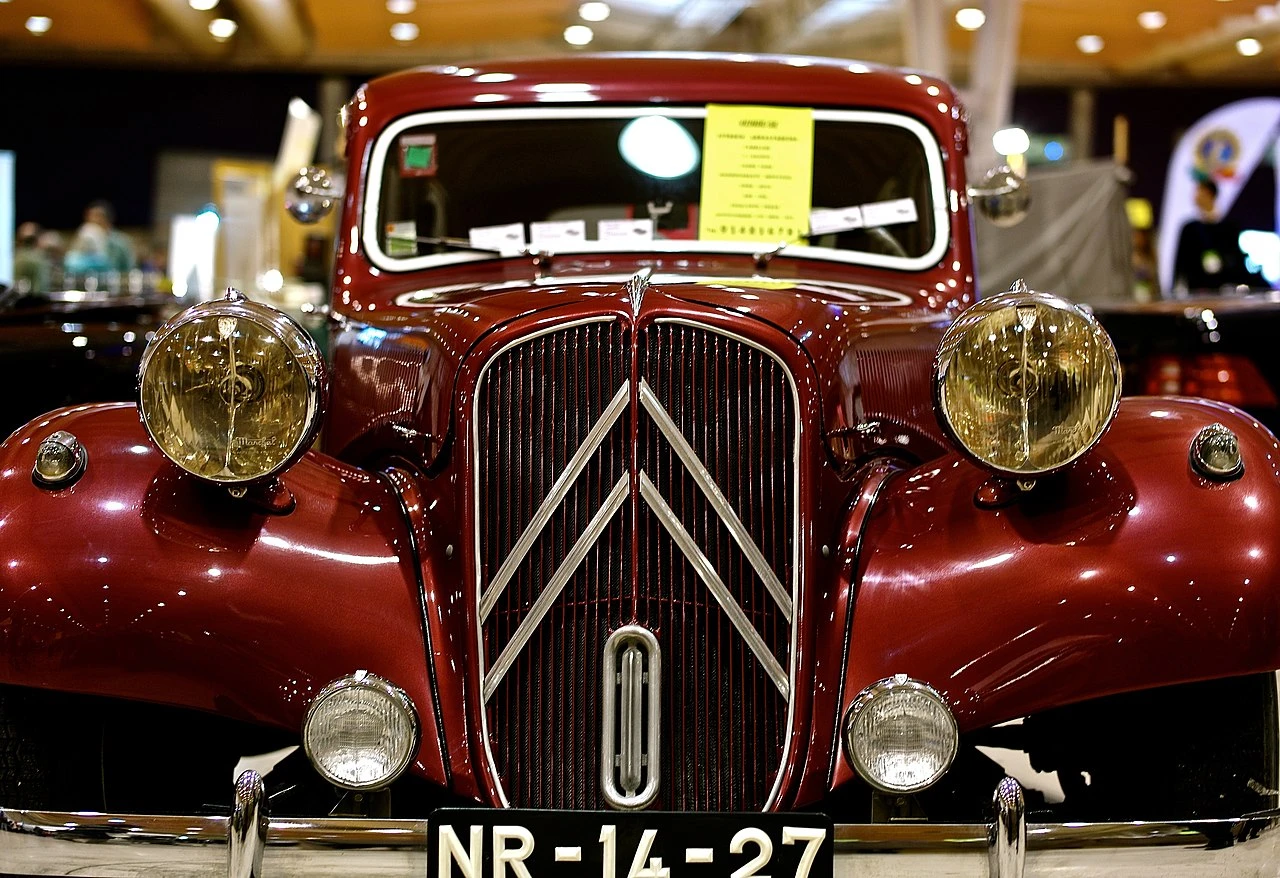
Citroën, the occupier and the secret little car
Hermann Röchling and the Lorraine Ironworks
The Minister, the Fleet and the Empty Plates
Louis Renault Returns from the United States: Billancourt Under German Control
Michelin under the Occupation: keep the presses running or close the doors
Buy Each for Themselves or with a Single Voice
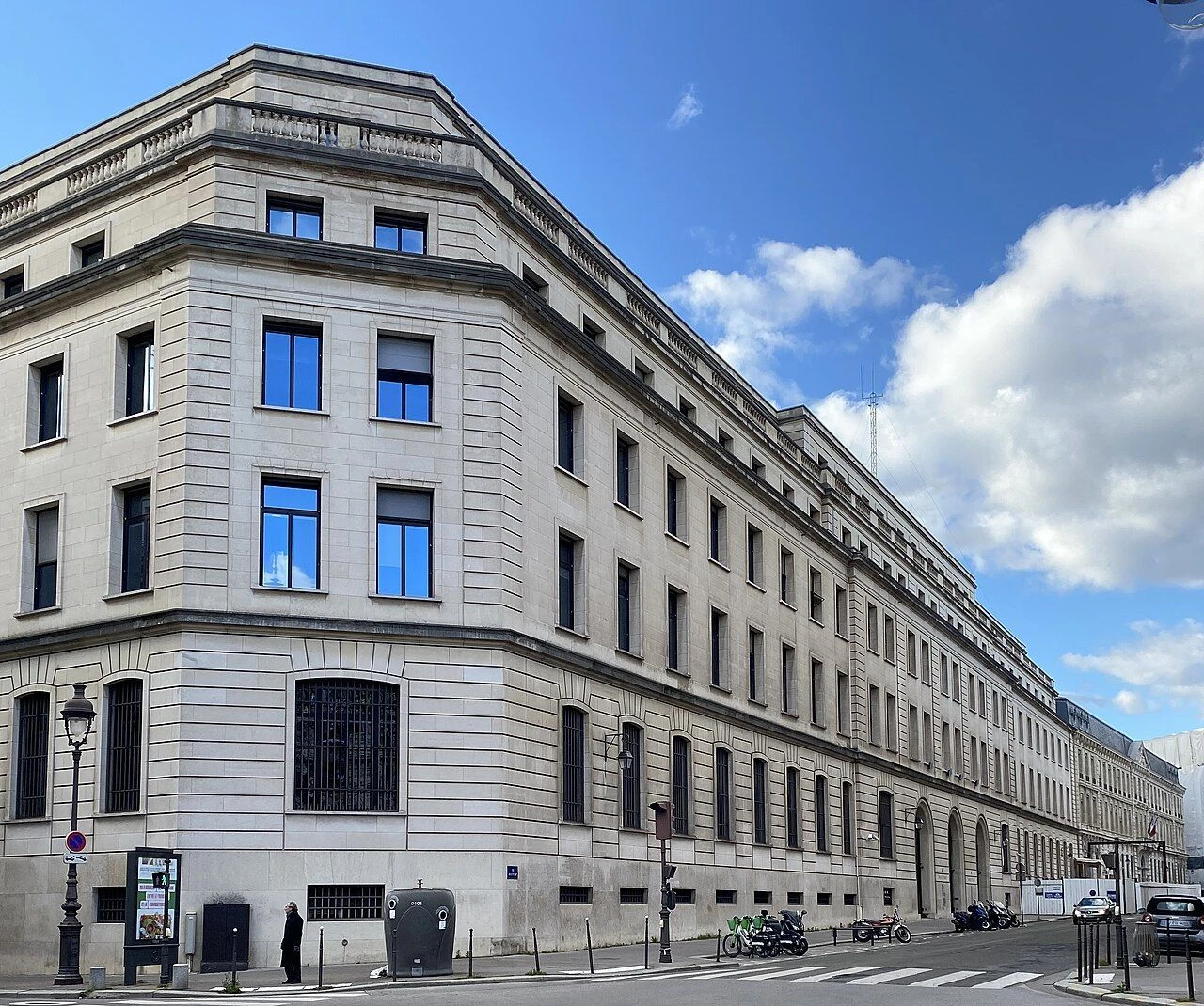
Baumgartner and the gold of the Banque de France
At the Dahomey pit, the morning of team-rate pay
Article 13: the SNCF and the occupier
Boulanger and the Reich's trucks
Citroën, the occupier and the secret little car
Hermann Röchling and the Lorraine Ironworks
The Minister, the Fleet and the Empty Plates
Louis Renault Returns from the United States: Billancourt Under German Control
Michelin under the Occupation: keep the presses running or close the doors
Buy Each for Themselves or with a Single Voice