
On the evening of 14 March 1939, the Czecho-Slovak president , an elderly jurist in fragile health, is summoned urgently to Berlin. Slovakia has just proclaimed its independence, and the Reich is about to fall upon the Czech lands.
Received in the dead of night at the Chancellery, Hácha endures hours of pressure from Hitler, Göring and Ribbentrop. He is told that, failing an agreement, hundreds of bombers will raze Prague at dawn. Around four in the morning, he is presented with the act handing his country "into the hands of the Führer" and ordered to decide.
Hácha has, in reality, almost no room to manoeuvre. To give in is to avoid the bombing and immediate deaths, but to hand his people over to occupation and to ratify the end of the Czech state. To refuse is honour and defiance, but perhaps Prague in flames. Trying to play for time seems futile against the ultimatum. The decision involves the lives of civilians and the sovereignty of a nation.
Should Hácha sign the capitulation to spare Prague from bombing, or refuse in the name of sovereignty?
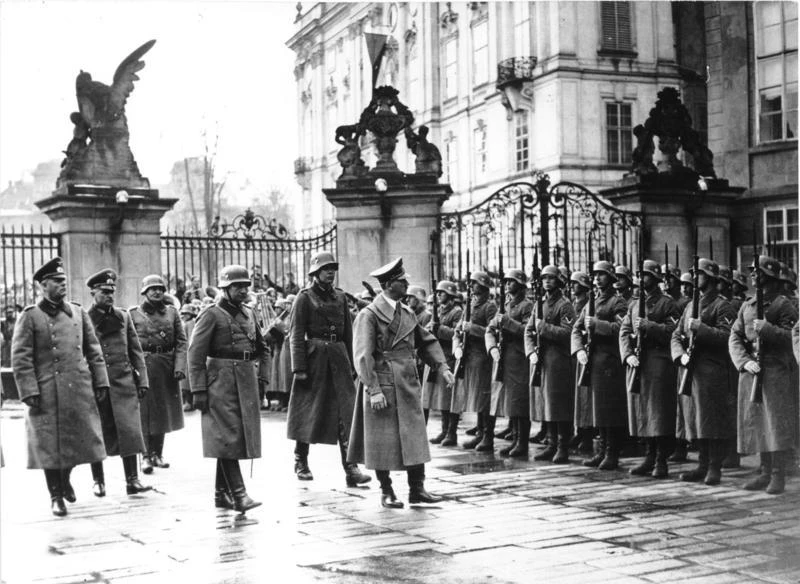
Hácha chooses B: exhausted and cornered, so ill that he has to be revived, he signs around four in the morning the act placing the Czech people under the "protection" of the Reich. On the morning of 15 March, German troops enter without resistance; on the 16th, Hitler proclaims from Prague Castle the Protectorate of Bohemia-Moravia, leaving Hácha the title of a powerless president. The signature averts an immediate bloodbath but seals the disappearance of the Czech state and places millions under occupation. The episode haunts Czech memory: Hácha is seen at times as a broken man sacrificing honour to spare lives, at times as the signatory of the capitulation.
Learn more about this event
Related polls
10
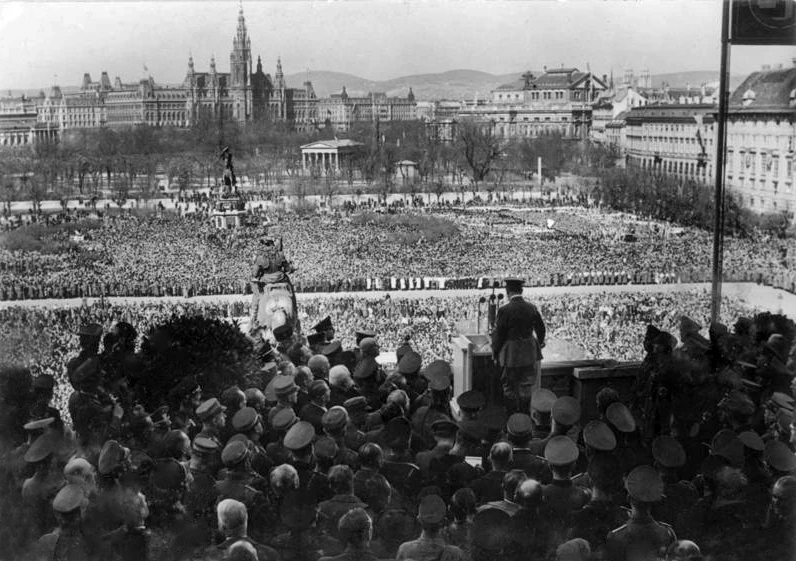
The Austrian Railwayman and the Party Card
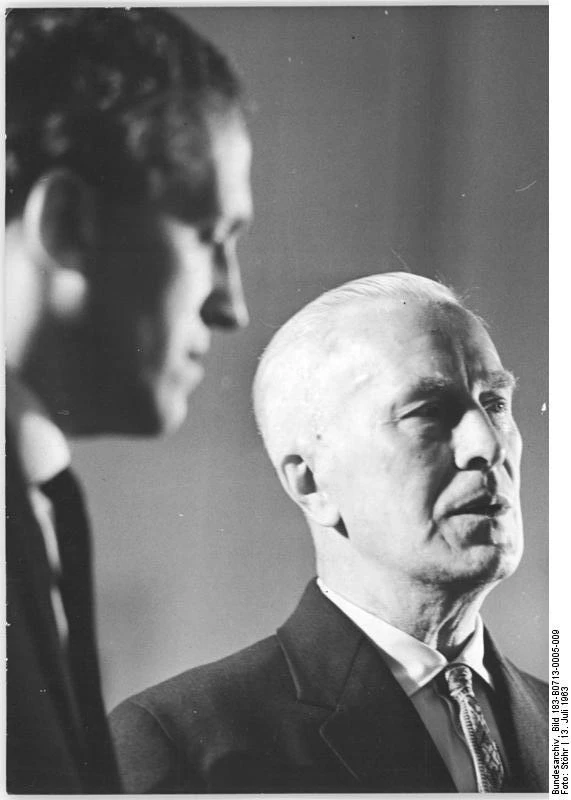
The Prague Notary and the Aryanization of Jewish Property
Memel — the Ultimatum to Lithuania
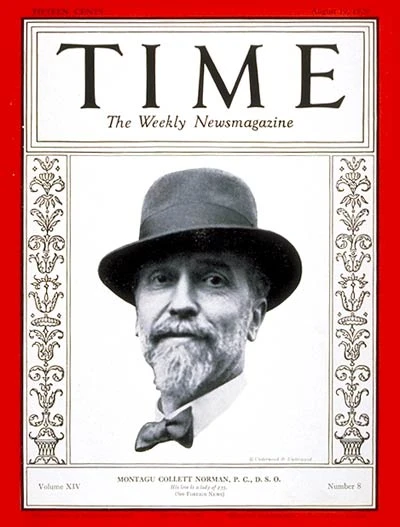
The Czech Gold
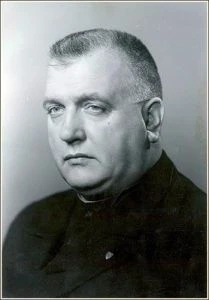
Tiso and Slovak Independence

Join the Party?
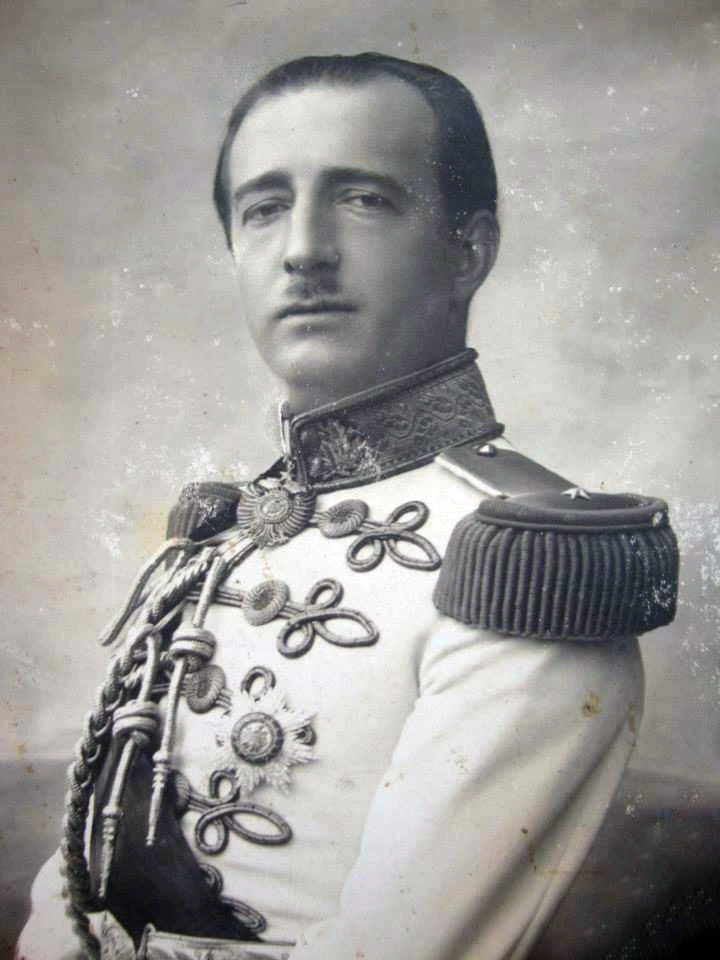
Albania Invaded — King Zog
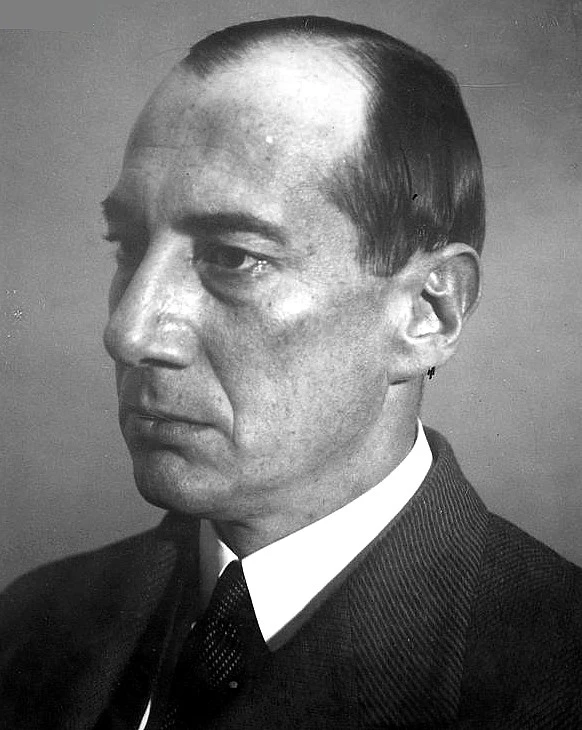
Beck Before the Sejm
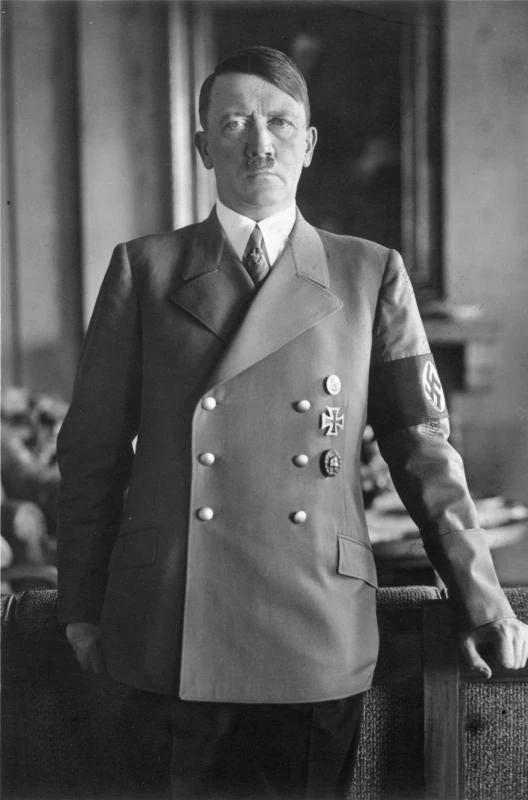
The Prophecy Speech
The Guarantee to Poland
The Austrian Railwayman and the Party Card
The Prague Notary and the Aryanization of Jewish Property
Memel — the Ultimatum to Lithuania
The Czech Gold
Tiso and Slovak Independence
Join the Party?
Albania Invaded — King Zog
Beck Before the Sejm
The Prophecy Speech