
Manstein watches his plan — Koblenz, 10 May
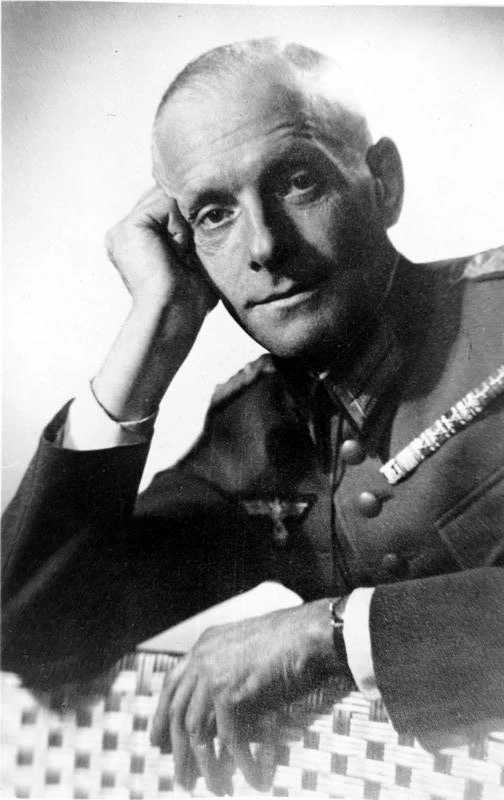
, 52, was the intellectual architect of the attack through the Ardennes that was executing on this 10 May 1940. After convincing Hitler in February to strike where Halder had wanted to attack in Belgium, Manstein had been transferred in March to command a reserve infantry corps, the , far from the main action. Halder, irritated by this subordinate whose voice carried too well, had eased him out of the decisive thrust.
At 05:35, Manstein watched the opening moves from Rundstedt's headquarters at Koblenz. It was Guderian, Reinhardt and Hoth — not he — who were carrying out his plan. He noted every movement: seven Panzer divisions concentrated on a 50-mile front, an unprecedented density, supported by the Brandenburger commandos who seized the border crossings by surprise. The overcast sky masked the concentration from French aerial reconnaissance; the Belgian Chasseurs ardennais, falling back, only weakly delayed the column.
The uncertainty was nonetheless total. Everything depended on speed: if Gamelin and Georges understood early enough that the main effort was not in Belgium but at Sedan, they could still regain the initiative. Manstein, sidelined from operational command, reduced to watching his own plan, had to decide how to conduct himself in the hours ahead.
Should he intervene in the conduct of his own plan, or stay in his subordinate role?
Manstein applied B. He stayed in his place: a Prussian general-staff officer, he forbade himself any hierarchical short-circuit and watched his plan unfold without him. His corps crossed the Somme in June and took part in Fall Rot, the second phase. Hitler rewarded him by sending him to the Crimea in 1941 — the capture of Sevastopol — then made him a field marshal in 1942. Dismissed in March 1944 after a strategic quarrel over the Ukraine, he was sentenced to 18 years' imprisonment at Hamburg in 1949 for war crimes, and released as early as 1953. His apologetic memoirs, Verlorene Siege ("Lost Victories," 1955), enjoyed great success and lastingly shaped the legend of a "clean" Wehrmacht. Manstein died in 1973, aged 85, regarded by many as the finest operational mind of the German army.
Learn more about this event
Related polls
10
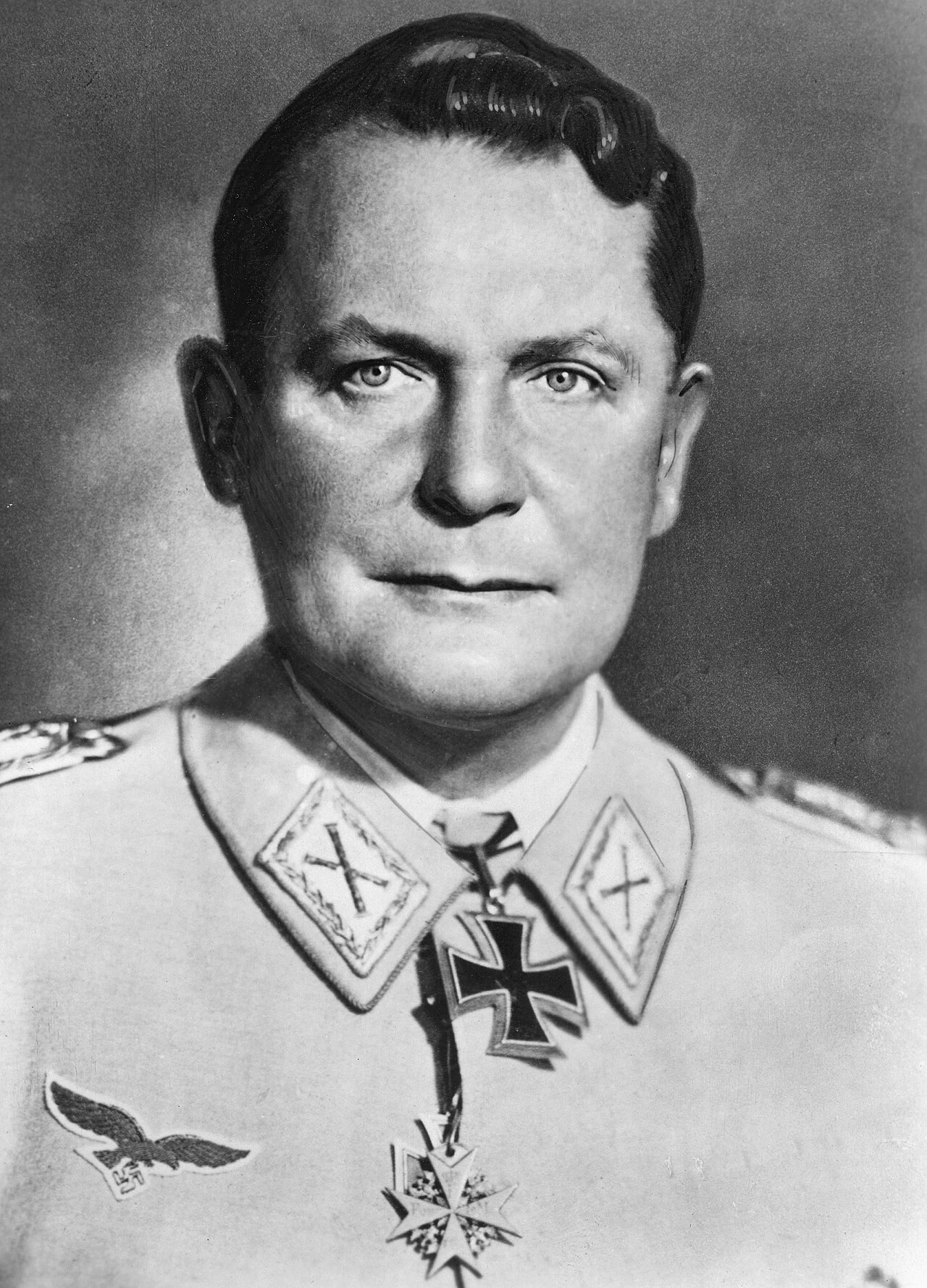
Goering at Carinhall — the promise to Hitler
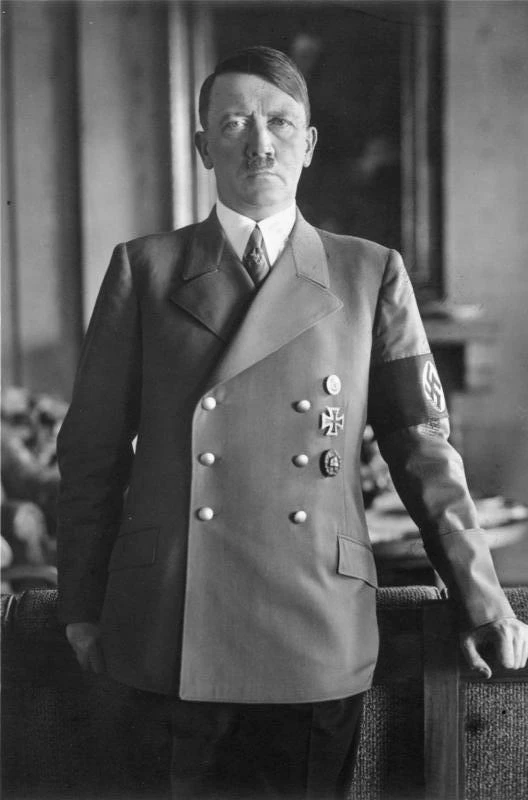
Hitler at the Felsennest — the anguish of the flanks
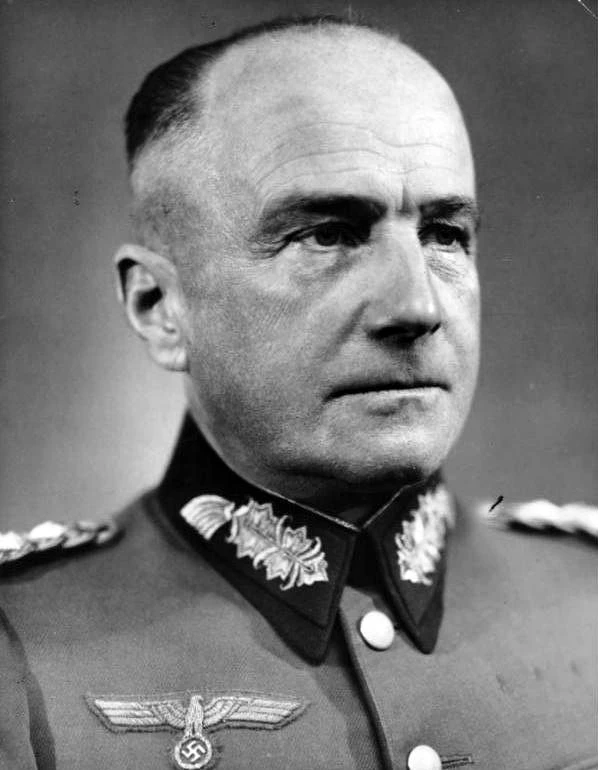
Brauchitsch — Reich Chancellery, 5 November
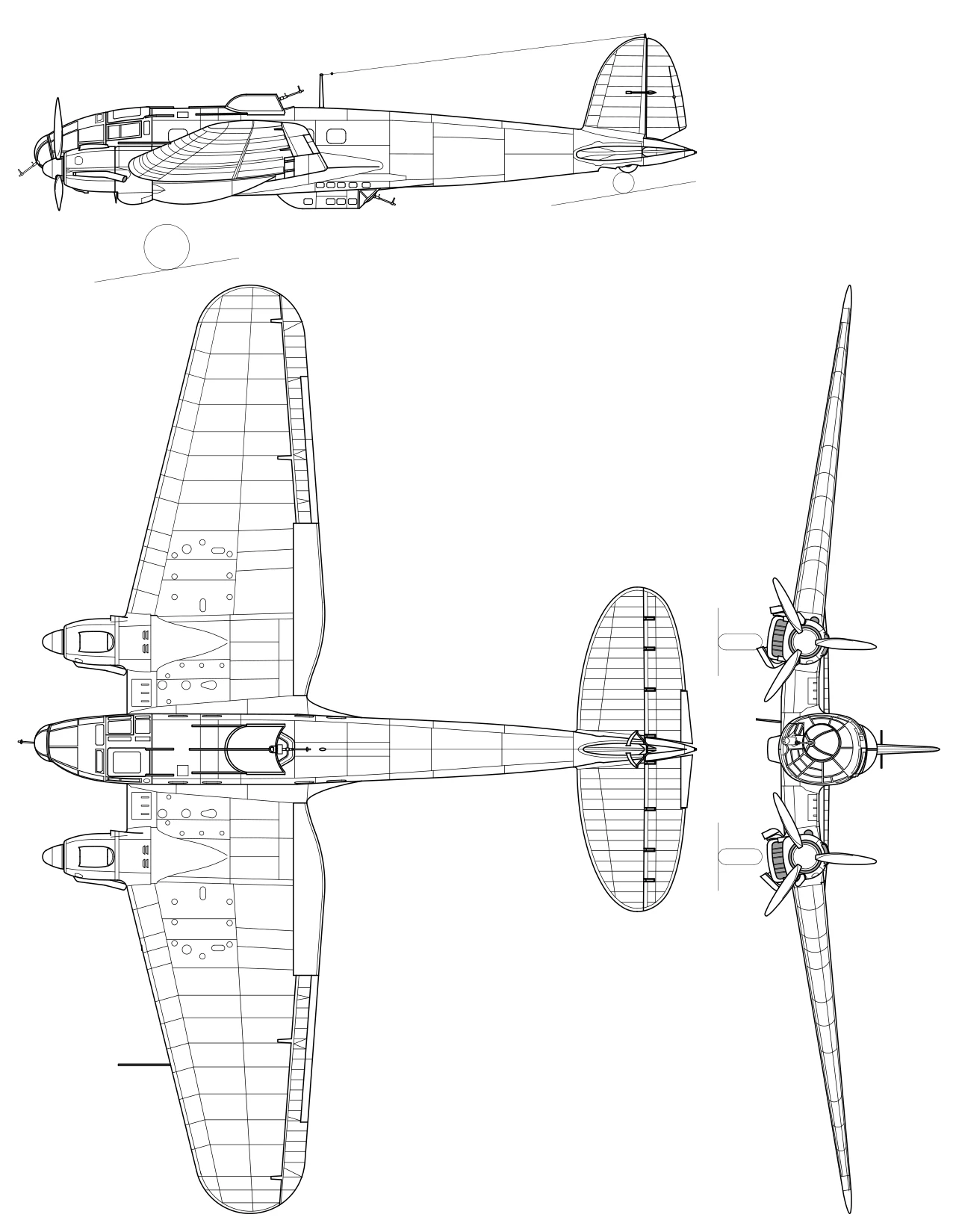
The doctrine of terror bombing
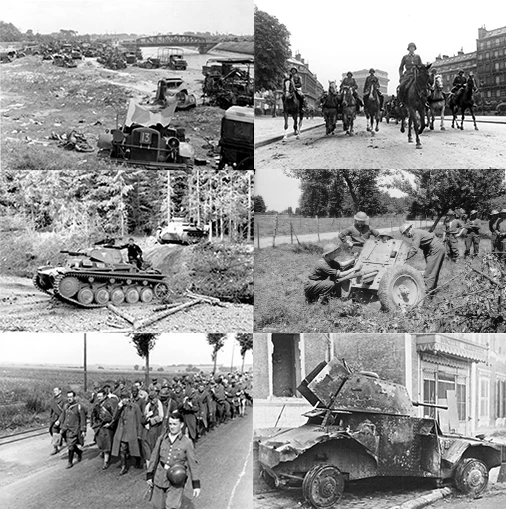
Fall Gelb — the order of 9 May 20:00
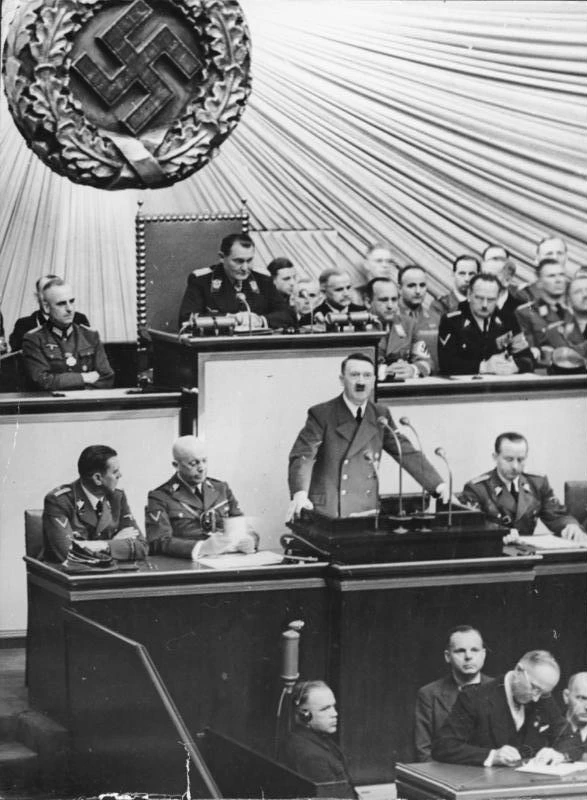
Hitler — the Reichstag Speech
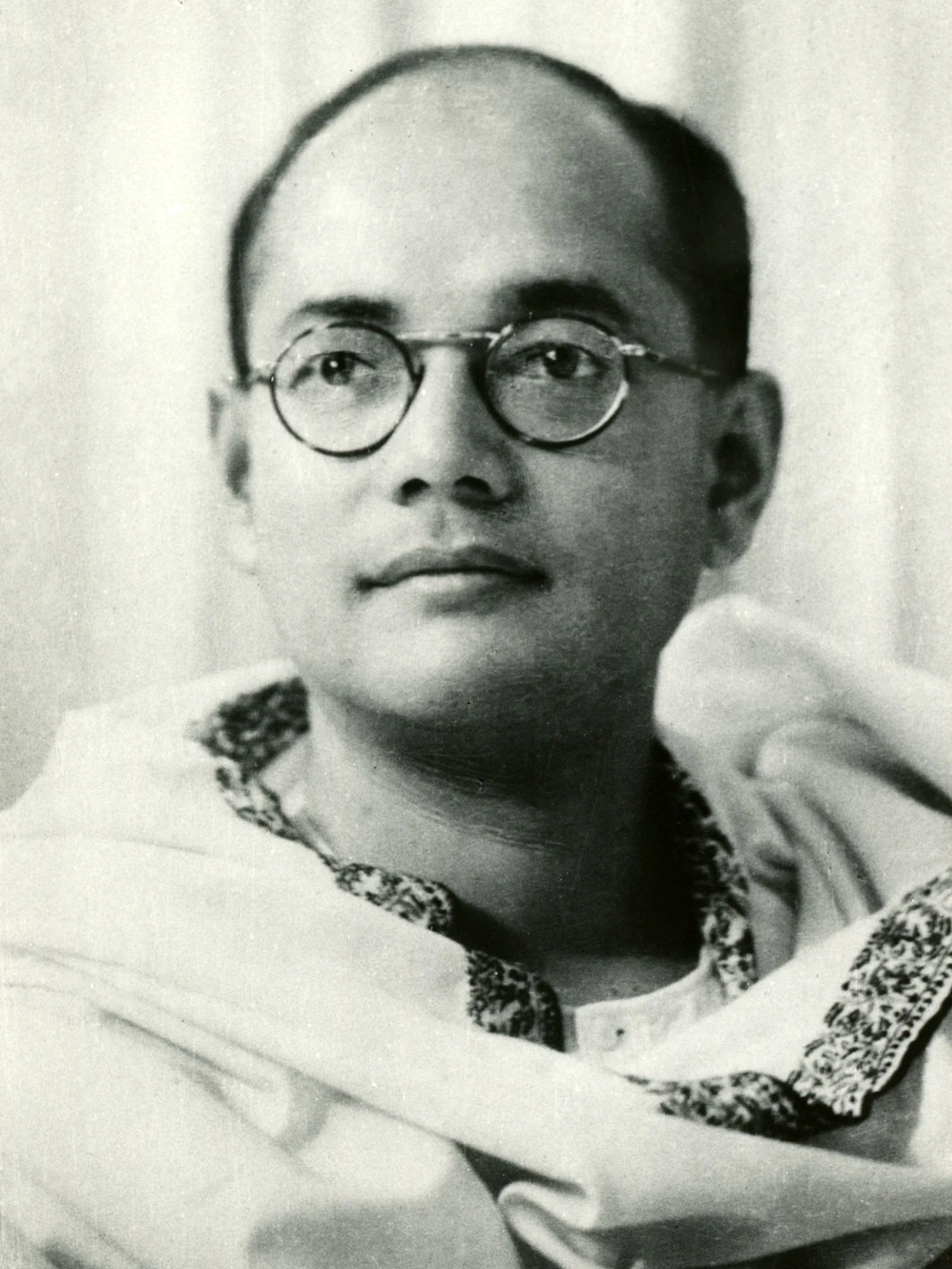
The Indische Legion — Subhas Chandra Bose in Berlin
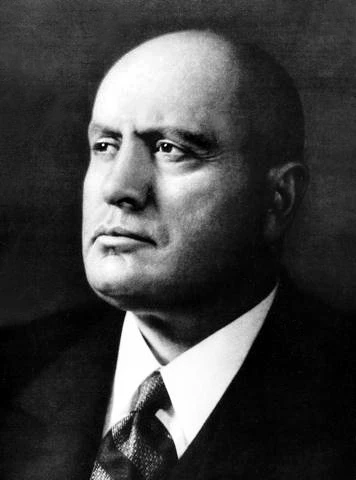
Mussolini on the Riviera — 21 June
Oster picks up the telephone
Smushkevich — report to Stalin
Goering at Carinhall — the promise to Hitler
Hitler at the Felsennest — the anguish of the flanks
Brauchitsch — Reich Chancellery, 5 November
The doctrine of terror bombing
Fall Gelb — the order of 9 May 20:00
Hitler — the Reichstag Speech
The Indische Legion — Subhas Chandra Bose in Berlin
Mussolini on the Riviera — 21 June
Oster picks up the telephone