The bridges of Maastricht — the sacrifice of the Battles
After the capture intact of the Albert Canal bridges by German commandos, these crossings allowed the armour to pour into Belgium. To try to destroy them, the Allied command launched, on 12 May 1940, the RAF's Fairey Battle light bombers — slow, lightly armed and already obsolete aircraft — against the bridges of the Maastricht area, heavily defended by German anti-aircraft fire.
The crews knew the mission was all but suicidal: attacking, at low altitude, bridges bristling with anti-aircraft guns, without adequate fighter escort, meant exposing themselves to almost certain destruction. But the stakes — slowing the armoured advance — were judged vital.
The command and the crews could attack the bridges all the same, accepting appalling losses for a chance of destroying them. They could abandon a mission judged lost in advance, to preserve scarce aircraft and men. Or they could attempt an attack by night or at high altitude, less accurate but less deadly. The fate of the Belgian defence, and a sense of duty, weighed against the human cost.
Should the Maastricht bridges be attacked despite near-certain losses, the mission be abandoned, or the method be changed?
The crews carried out A: on 12 May, the Fairey Battles attacked the bridges at low altitude and were decimated by German anti-aircraft fire and fighters — one of the most catastrophic loss rates in the history of the RAF. The bridges were not durably destroyed. The airmen's courage earned Flying Officer and Sergeant the first Victoria Crosses of the war awarded to the air force (posthumously). The episode tragically illustrates the inferiority of Allied equipment, the lack of air superiority, and the sacrifice consented to in a vain attempt to halt the breakthrough. The Luftwaffe's dominance over the battlefield remained a decisive factor in May 1940.
Learn more about this event
Related polls
10
The coup de main on Ében-Émael
Arras — the Matildas against Rommel's flank
De Gaulle at Montcornet — 17 May
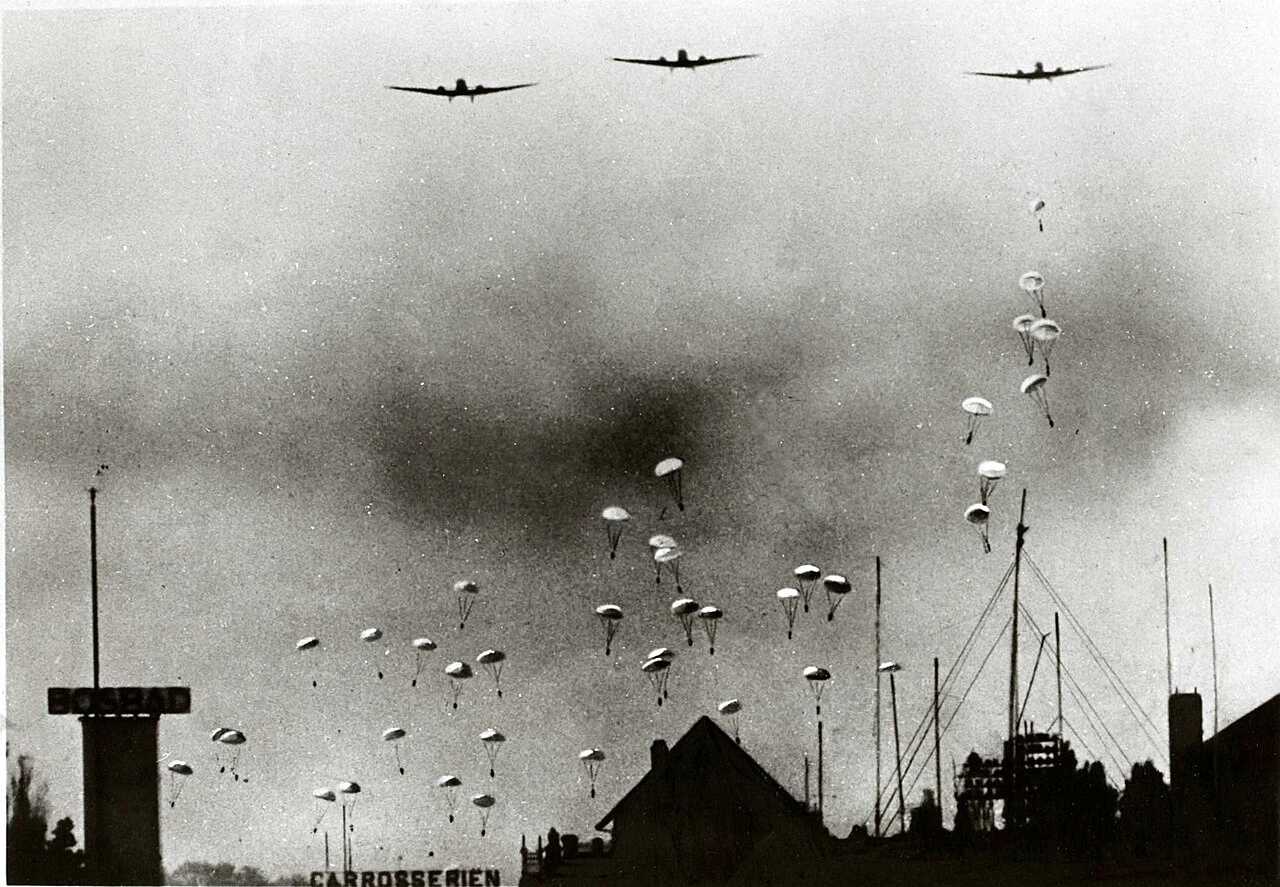
The paratroopers on The Hague
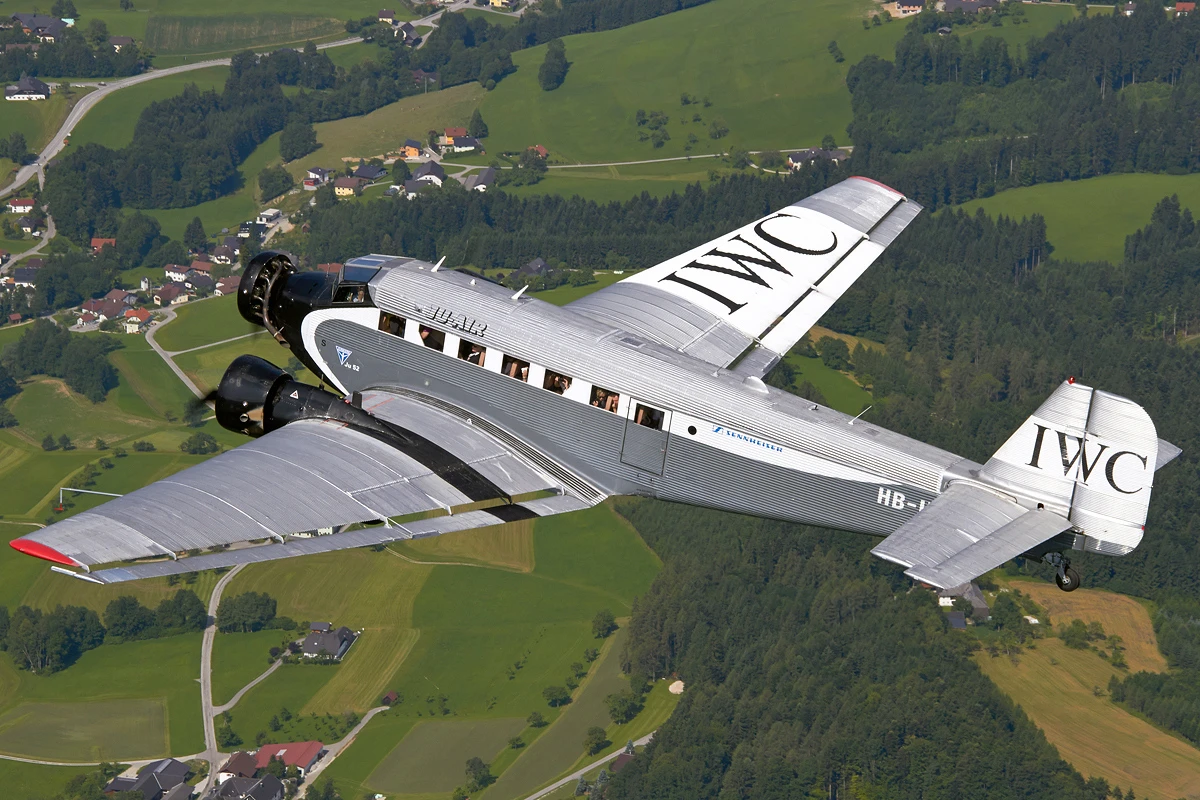
Valkenburg — paras on a grass strip
Ypenburg — German paras outside The Hague
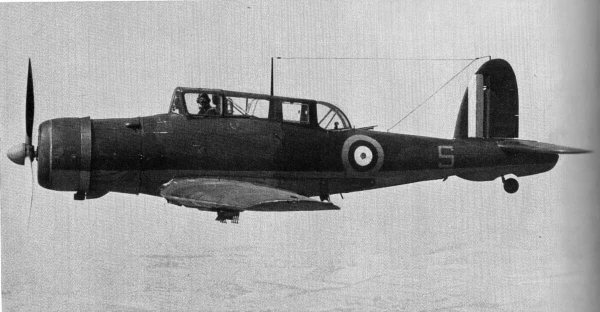
Bergen — the Skuas at extreme range
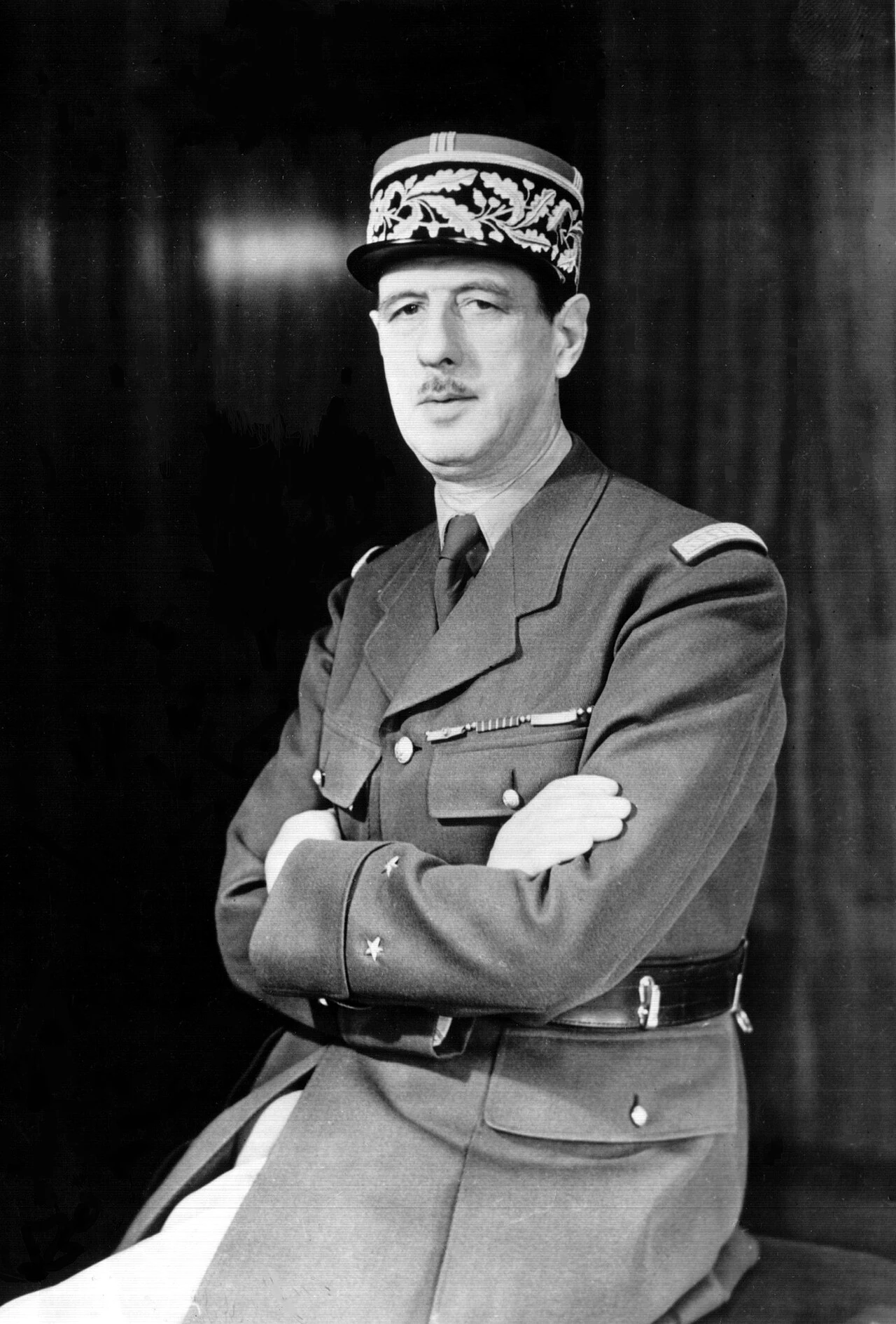
De Gaulle at Abbeville
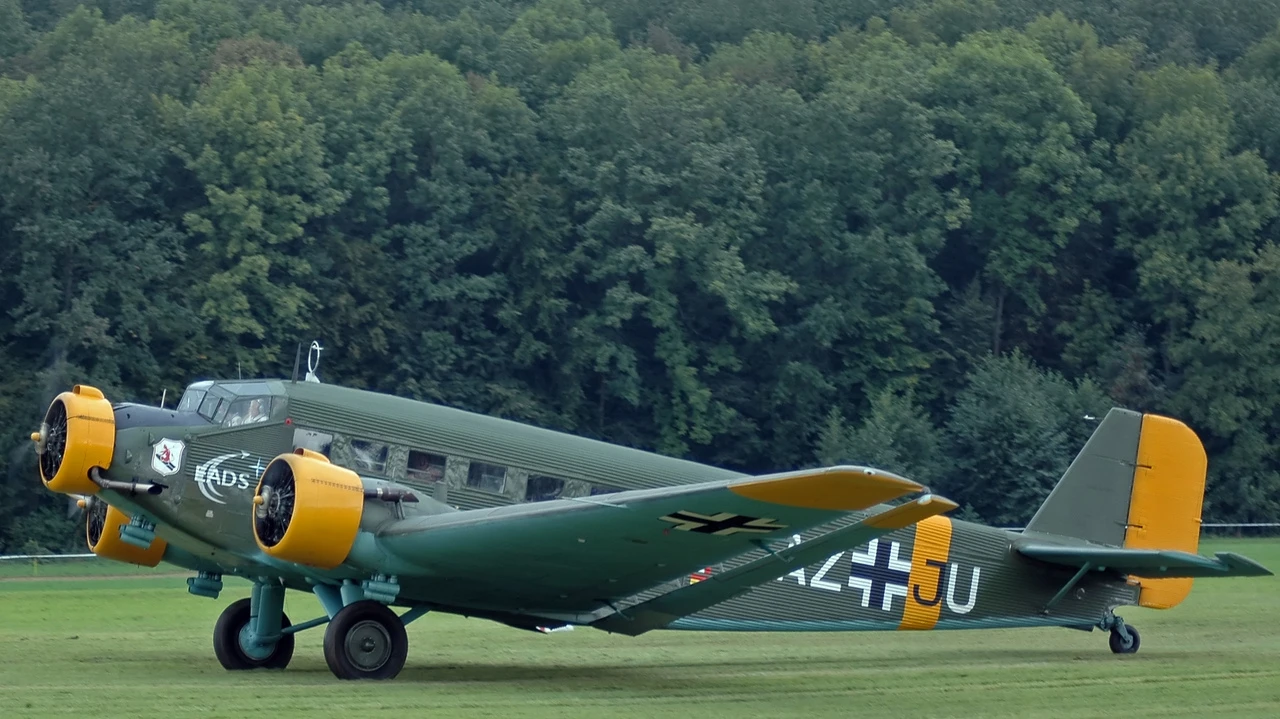
Fornebu — the transports under fire
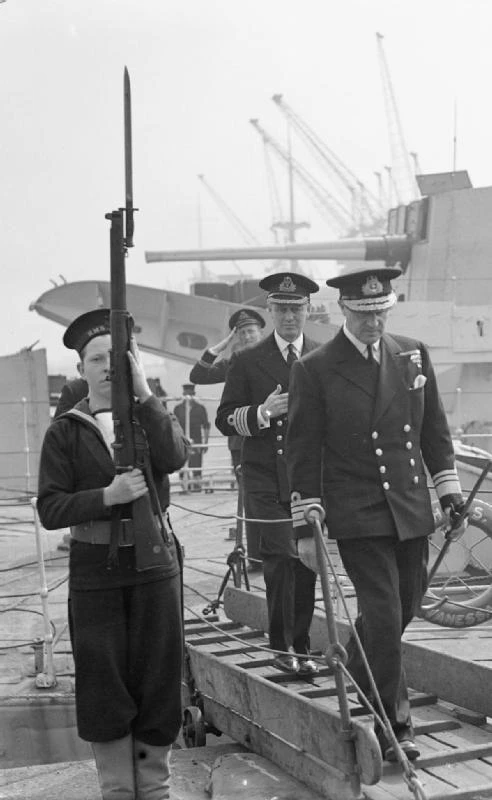
Whitworth and the Warspite — 13 April
The coup de main on Ében-Émael
Arras — the Matildas against Rommel's flank
De Gaulle at Montcornet — 17 May
The paratroopers on The Hague
Valkenburg — paras on a grass strip
Ypenburg — German paras outside The Hague
Bergen — the Skuas at extreme range
De Gaulle at Abbeville
Fornebu — the transports under fire