
The Monthermé bottleneck
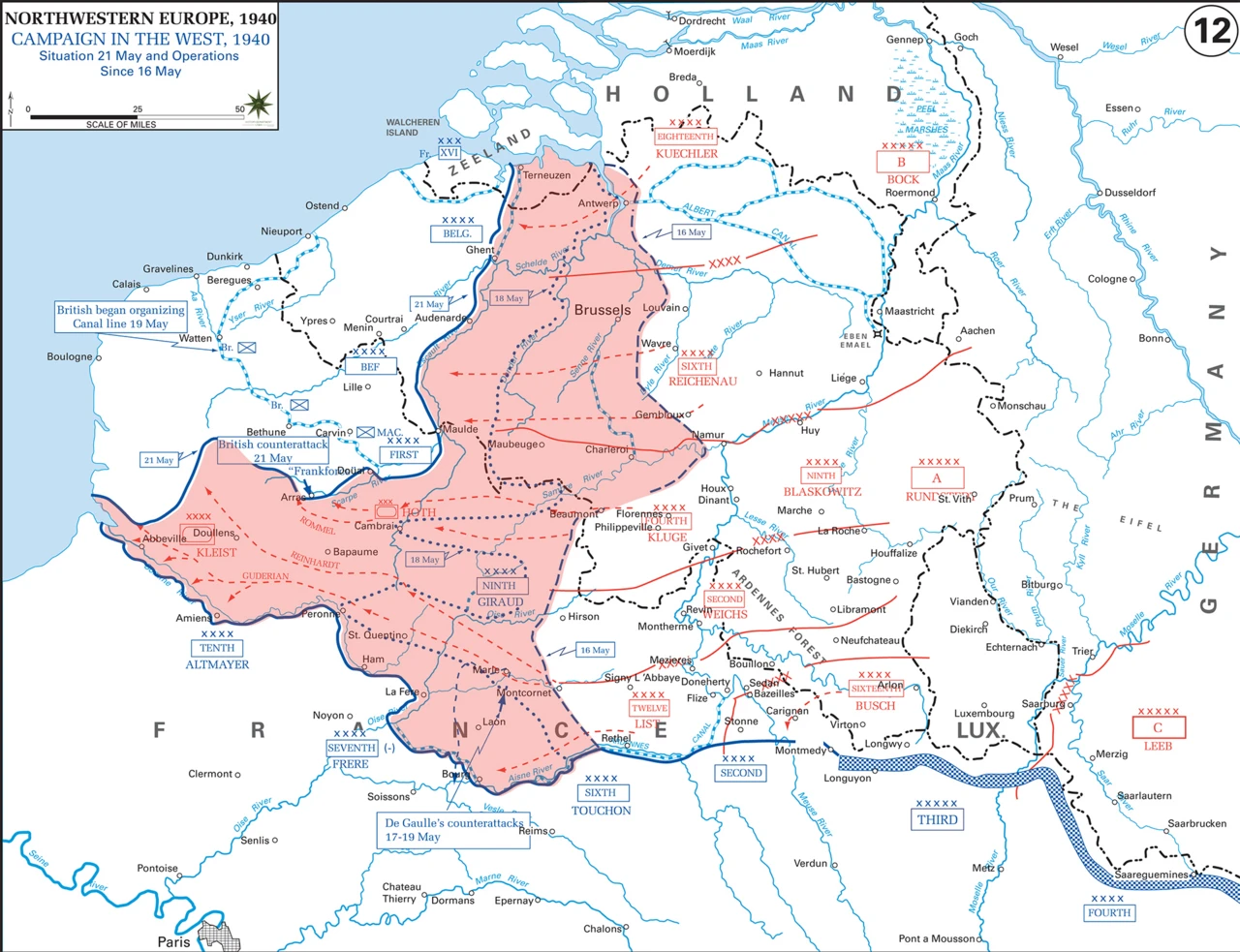
While Guderian broke through at Sedan and Rommel at Dinant, a third crossing of the Meuse was attempted at Monthermé, in a tight bend of the river with steep slopes. The Panzer corps of General Reinhardt ran up against an unusually tenacious French defence, clinging to terrain ideal for resistance.
For two days, the attack stalled: the crossing points were narrow, the defence biting, and the bridgehead remained tiny. Reinhardt faced a choice. He could persevere frontally at Monthermé, wearing down his forces there, so as not to leave a gap in the German front. He could shift the effort towards the neighbouring bridgeheads (Sedan, Dinant) already secured, transferring his means there. Or he could wait until the breakthrough on the flank made the French position untenable.
The stakes went beyond Monthermé: the coherence of the German breakthrough across the Meuse required that all the bridgeheads should eventually link up. A prolonged failure here could expose a flank.
Should Reinhardt persevere at Monthermé, shift the effort towards the neighbouring bridgeheads, or wait?
Reinhardt persevered (A) despite a difficult start: held up for two days by a remarkable French defence at Monthermé, his corps finally broke through on 15 May, when the general collapse of the Meuse front — and notably the retreat of Corap's — rendered the French position untenable. Monthermé shows, by contrast with Sedan, what a resolute defence on the Meuse could achieve: where the French troops held and did not panic, the German breakthrough was durably slowed. But these local successes were swept away by the collapse of the neighbouring sectors. The rupture, once generalised, left even the most tenacious defenders nothing but a reprieve.
Learn more about this event
Related polls
10
Arras — the Matildas against Rommel's flank
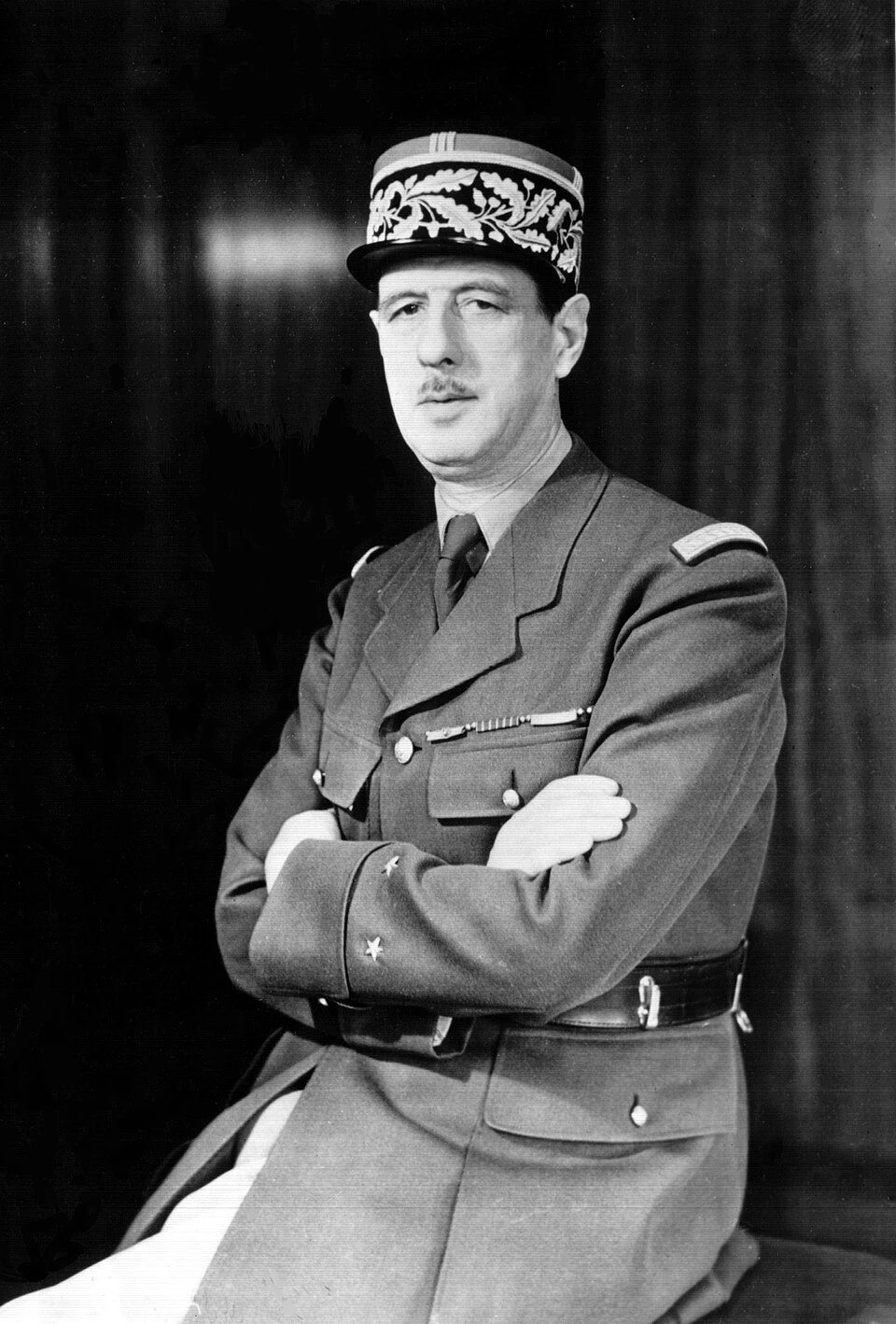
De Gaulle at Montcornet — 17 May
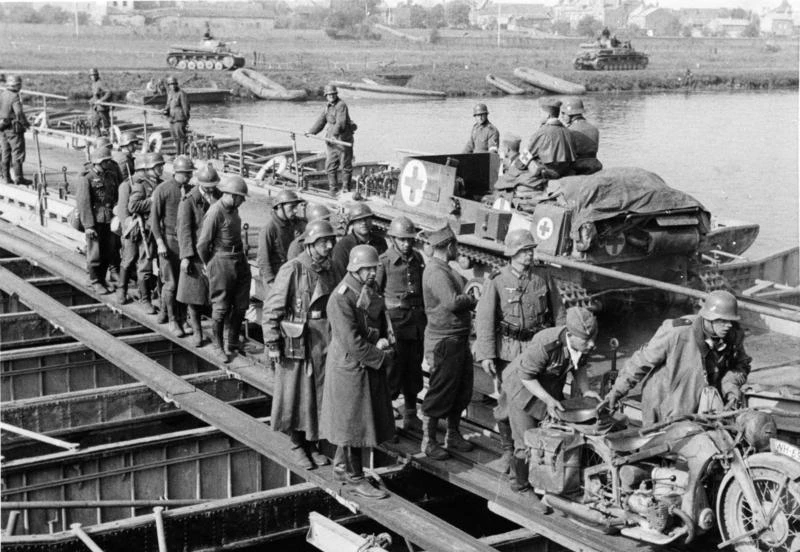
Grossdeutschland crosses at Sedan
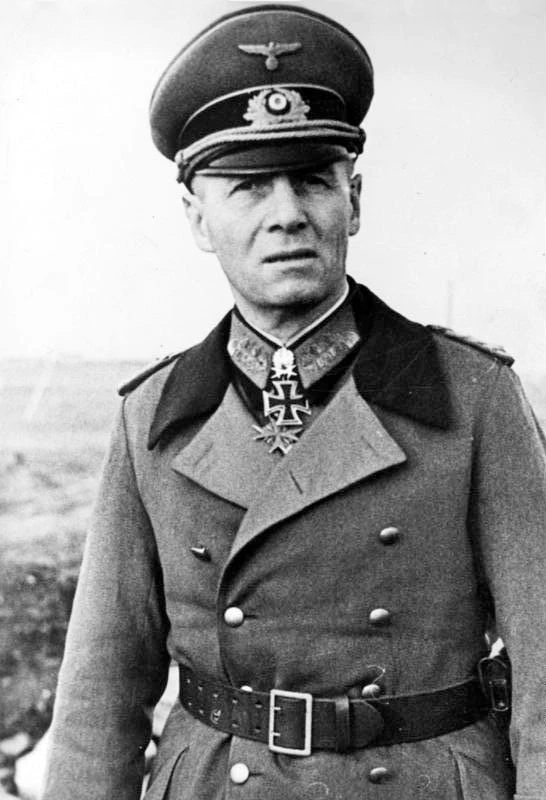
Rommel before the Serre — the Crécy bridge
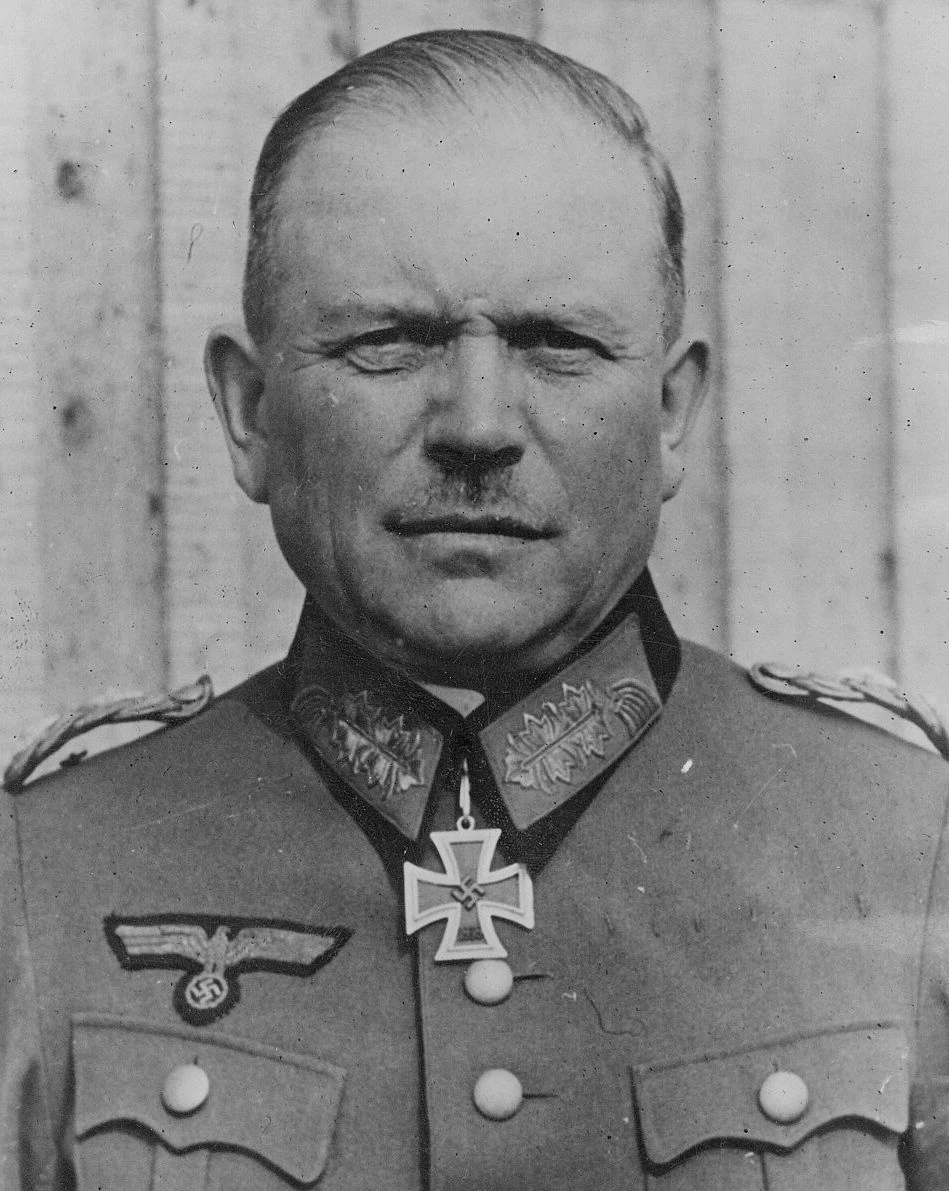
Sedan — Guderian on the Meuse
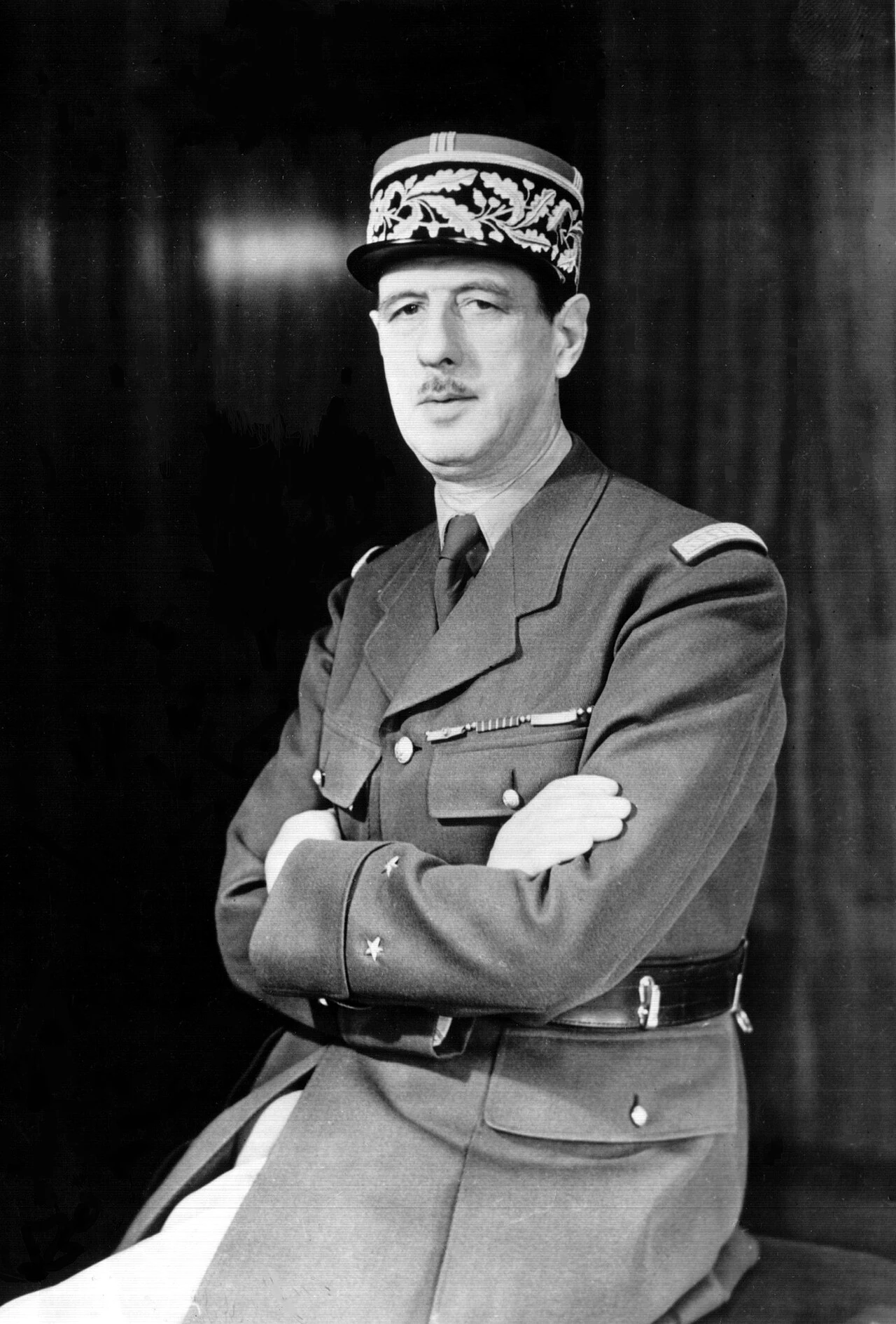
De Gaulle at Abbeville
The Houx weir
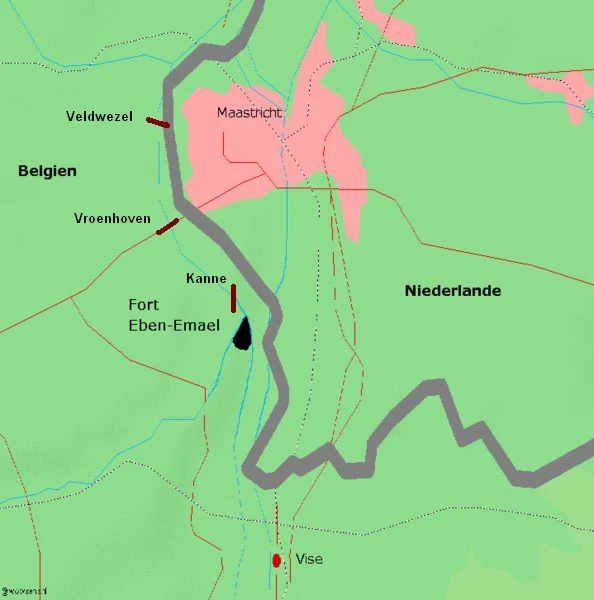
Eben-Emael — gliders on the roof
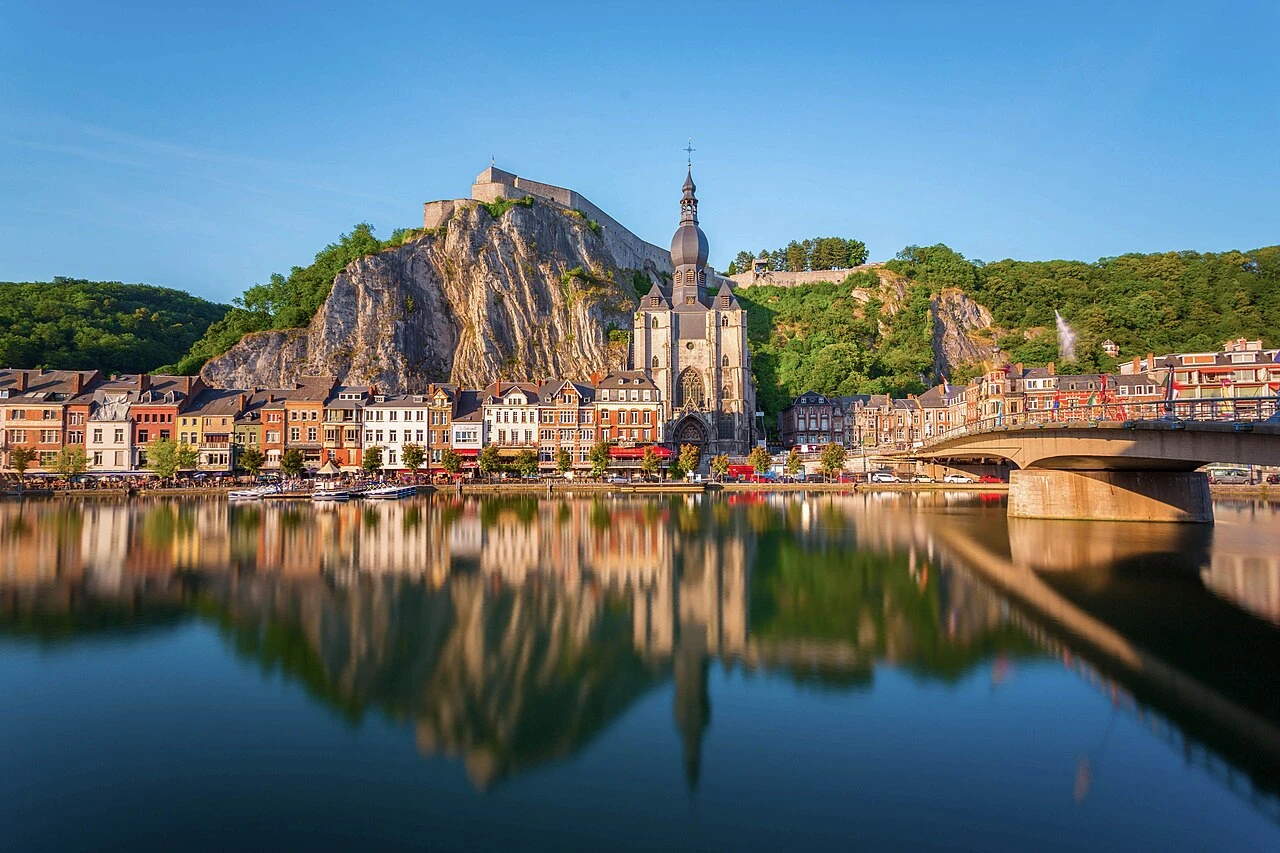
The crossing of the Meuse at Dinant
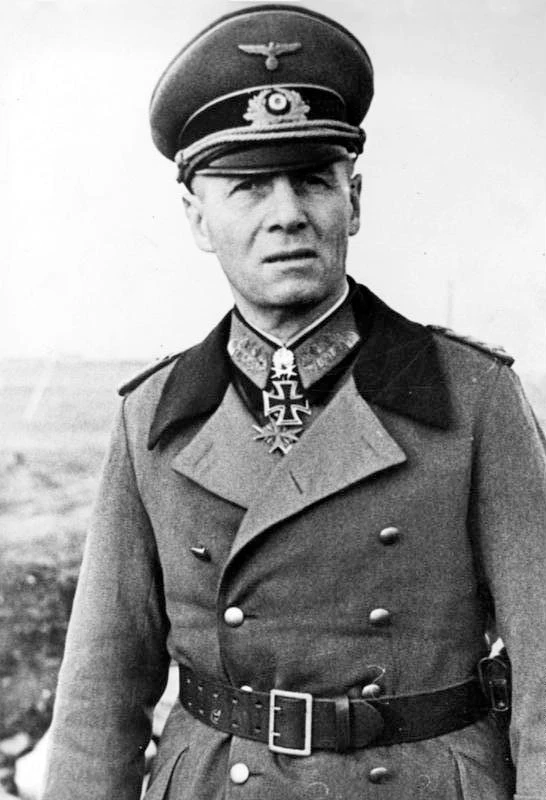
Rommel before the Meuse — Dinant, 13 May
Arras — the Matildas against Rommel's flank
De Gaulle at Montcornet — 17 May
Grossdeutschland crosses at Sedan
Rommel before the Serre — the Crécy bridge
Sedan — Guderian on the Meuse
De Gaulle at Abbeville
The Houx weir
Eben-Emael — gliders on the roof
The crossing of the Meuse at Dinant