
, Vice-President of the Council since 23 June, intends to have the parliamentarians — deputies and senators meeting as a National Assembly at the Vichy Casino — vote constituent full powers to Marshal Pétain. On 10 July 1940, about 670 parliamentarians are present; eighty are blocked at Casablanca (the Massilia affair), others are prisoners or in the occupied zone, and the Communists were stripped of their seats in 1939.
The proposed text grants Pétain 'all powers for the purpose of promulgating a new constitution of the French State.' It is the death warrant of the Third Republic. Laval, a consummate manoeuvrer, must carry as broad a majority as possible to give the act an appearance of legitimacy.
Three methods are open to him: pressure and intimidation of the waverers, the reassuring argument of a 'transitional' vote until the territory is liberated, or a pure power play. The choice will determine the form — legal or brutal — of the Republic's liquidation.
How should Laval secure the vote on full powers?
Laval combines A and B. On 10 July 1940, the National Assembly votes full powers by 569 votes for, 80 against and some twenty abstentions or non-votes. The next day, Pétain promulgates the first constitutional act, proclaiming himself 'Head of the French State': the Third Republic is abolished. Laval becomes the strongman of the regime, before being briefly sidelined (December 1940) then recalled in 1942 to lead the collaboration. Tried at the Liberation, he is sentenced to death and shot in October 1945. The vote of 10 July remains one of the most controversial moments of French parliamentary history, symbol of the abdication of a Republic before defeat.
Learn more about this event
Related polls
10
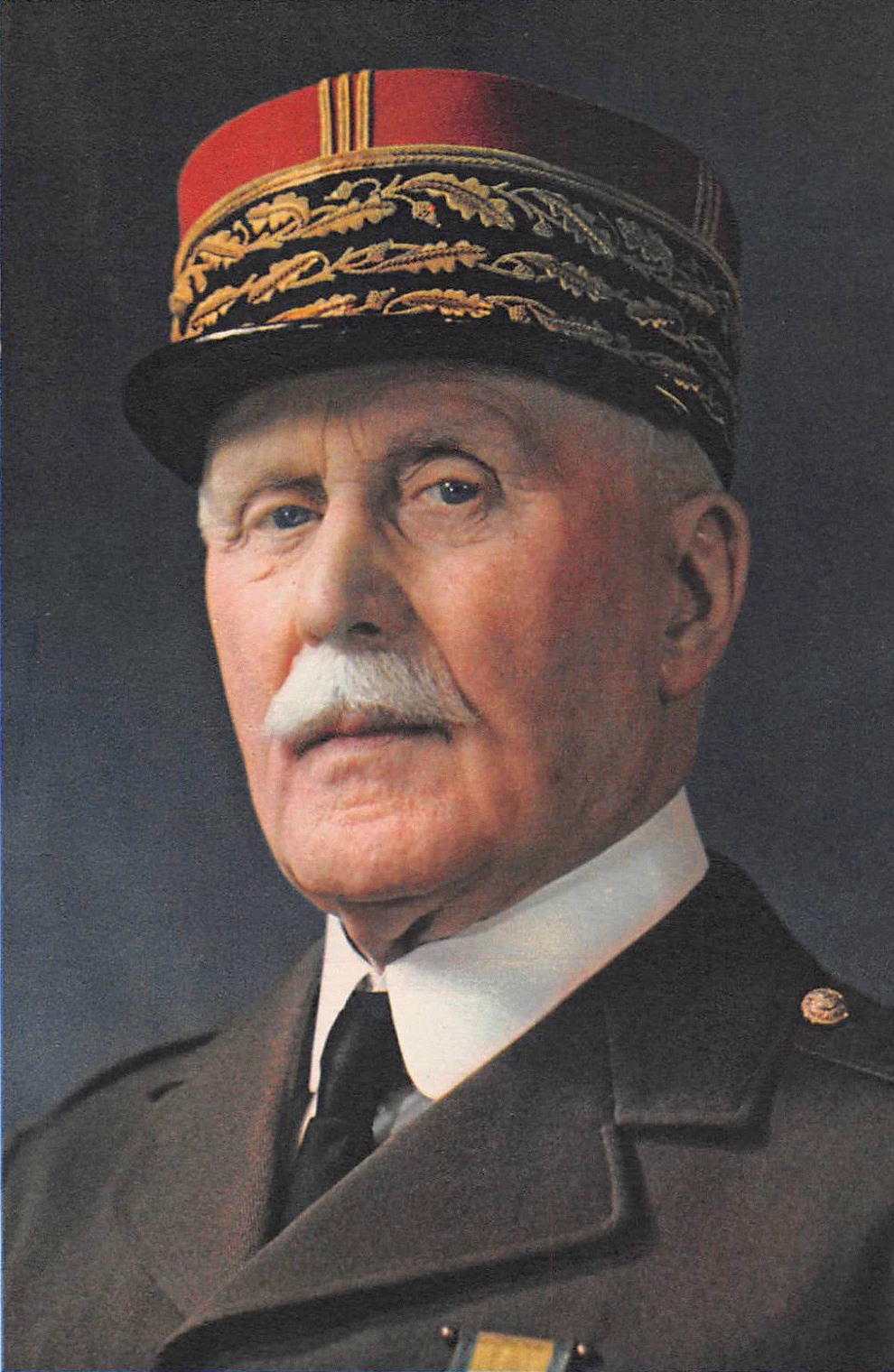
Pétain Faces Mers-el-Kébir
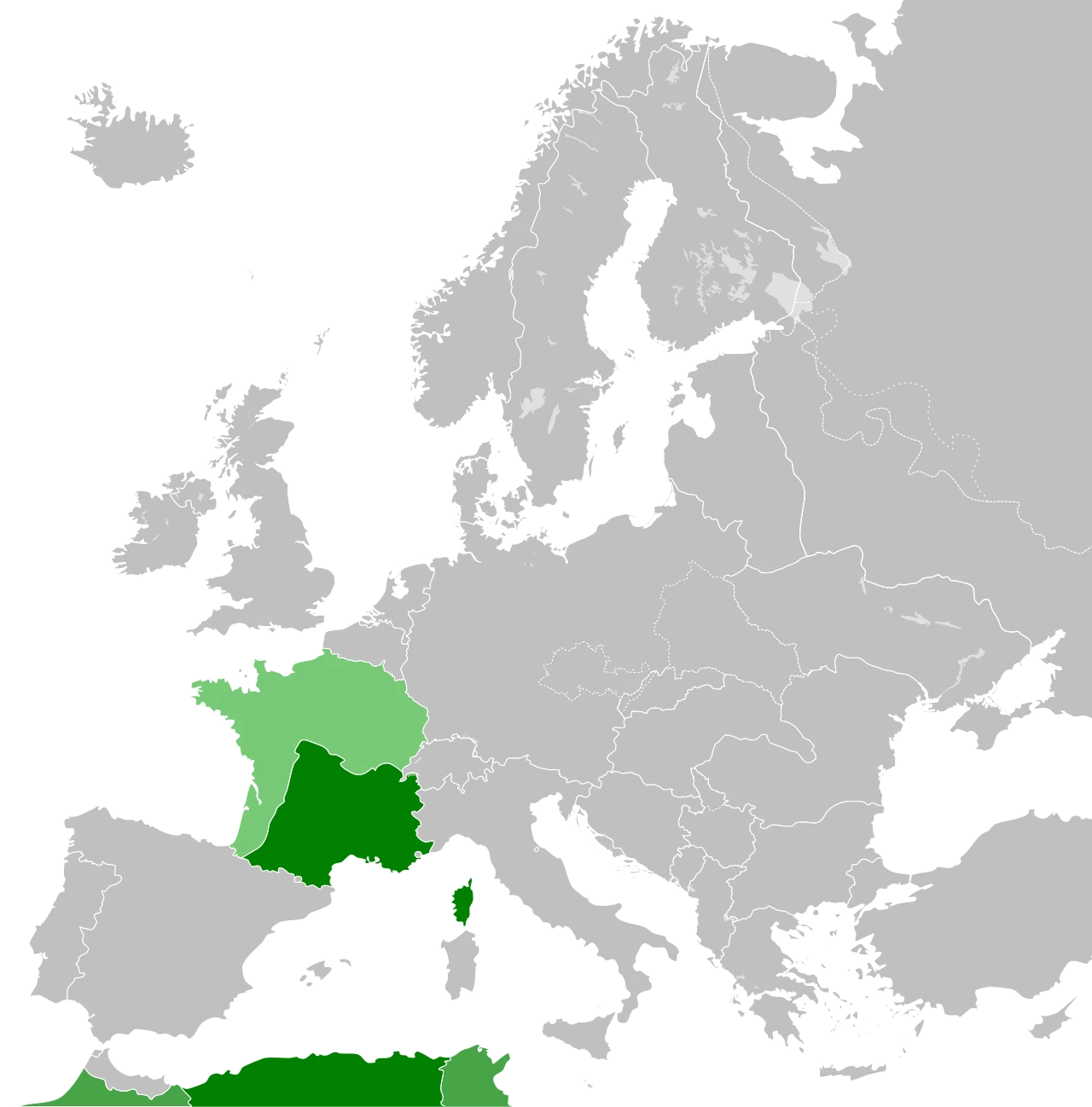
Vincent Badie — Vichy Casino, 10 July
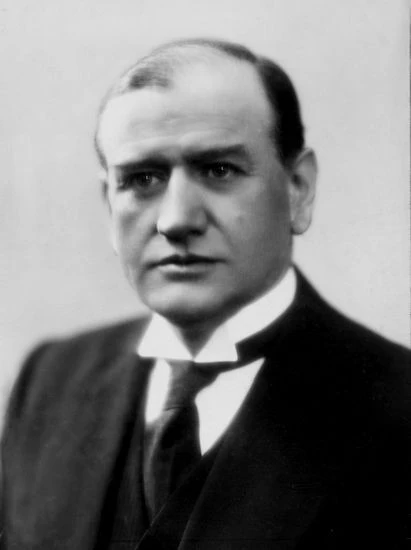
Daladier asked to leave the War Ministry
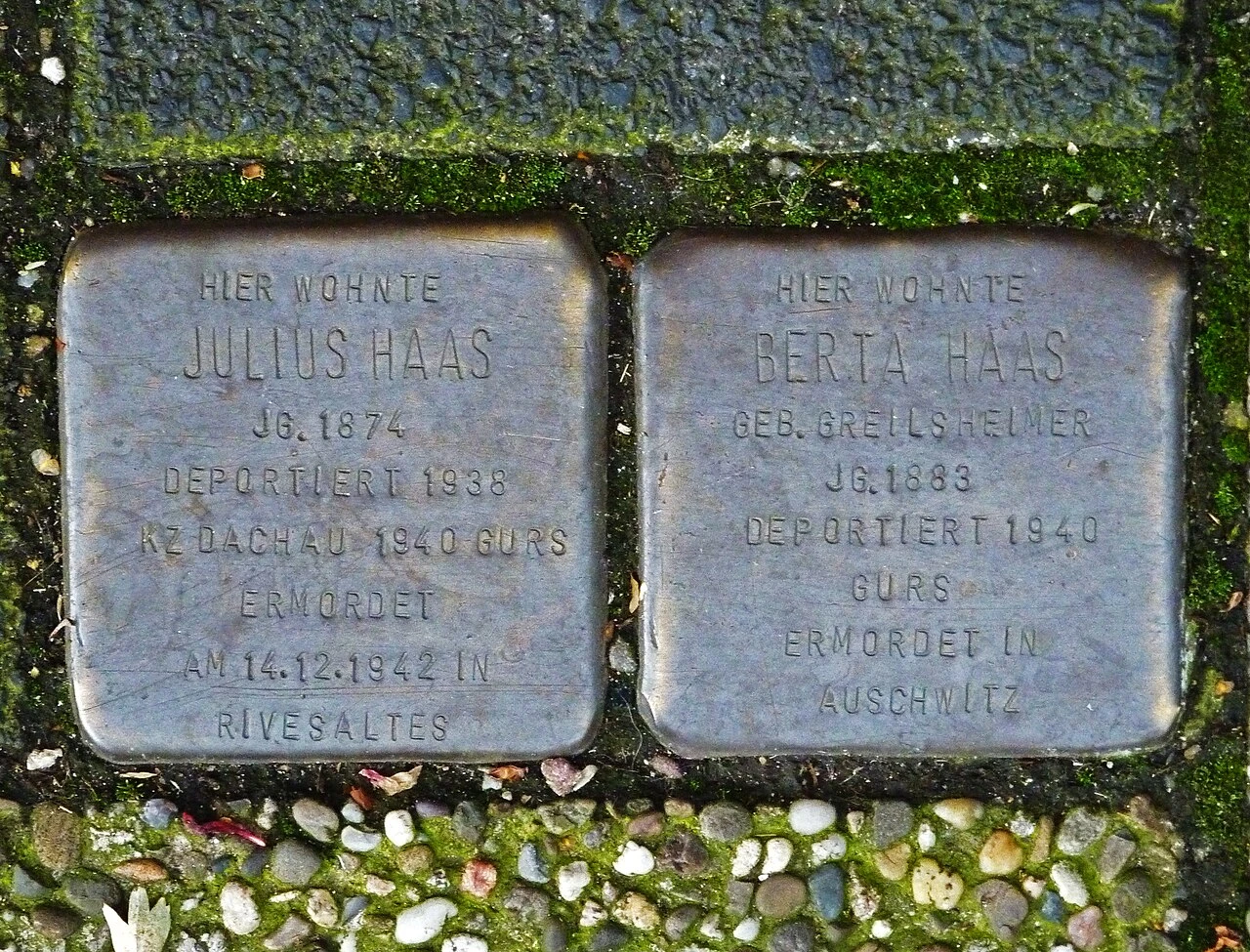
Hannah Arendt, Stateless and Interned, Facing Exile
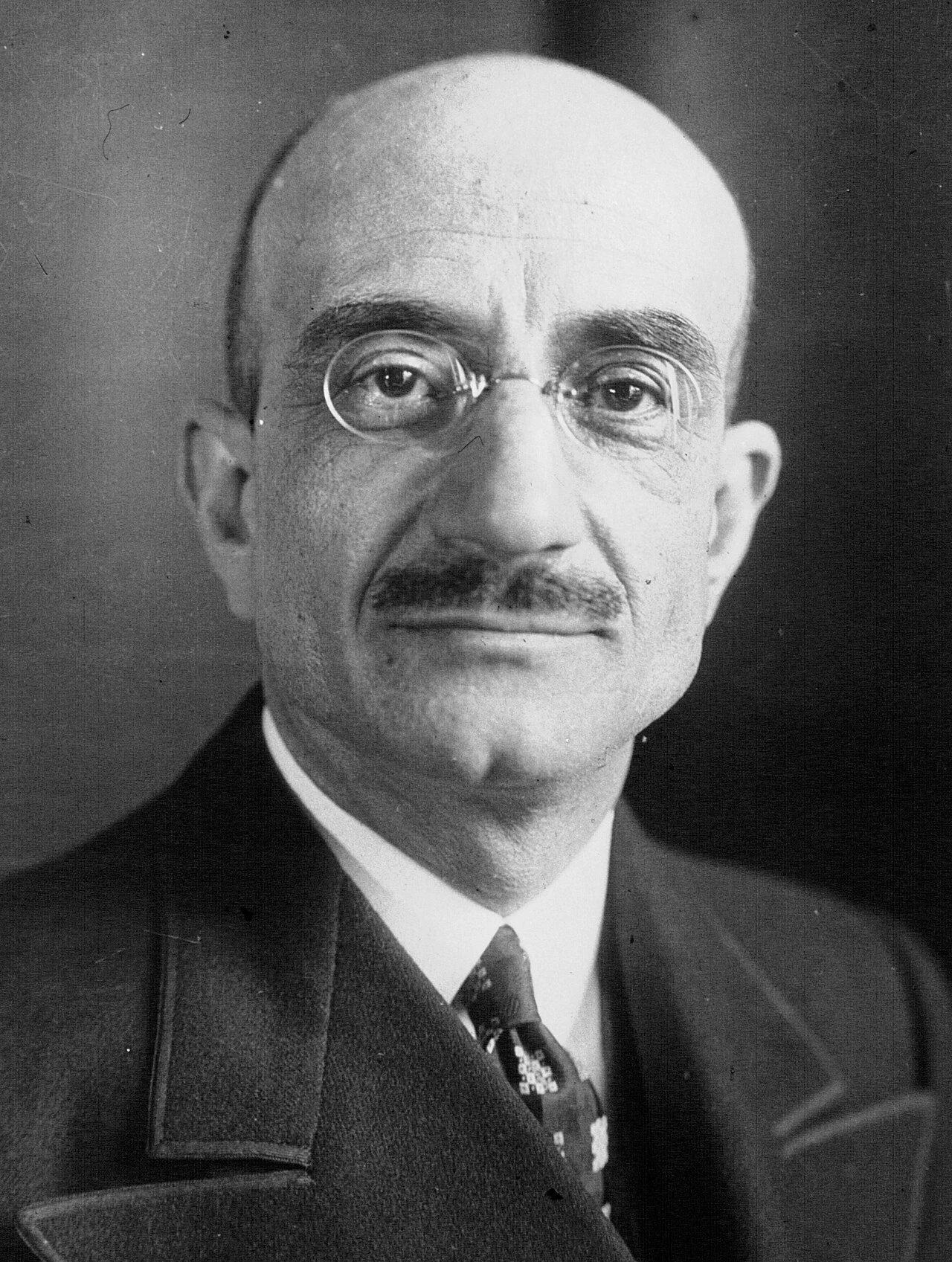
Langeron — Prefecture of Police, 14 June
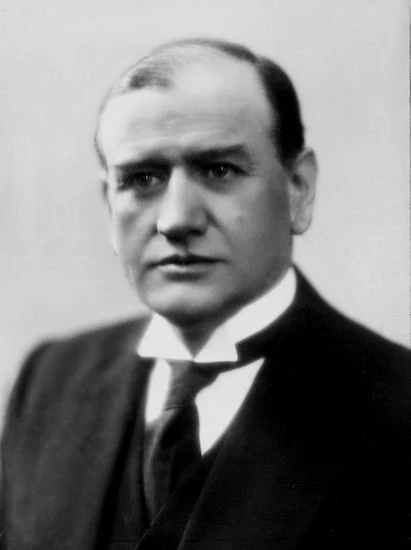
The Massilia — Bordeaux 21 June
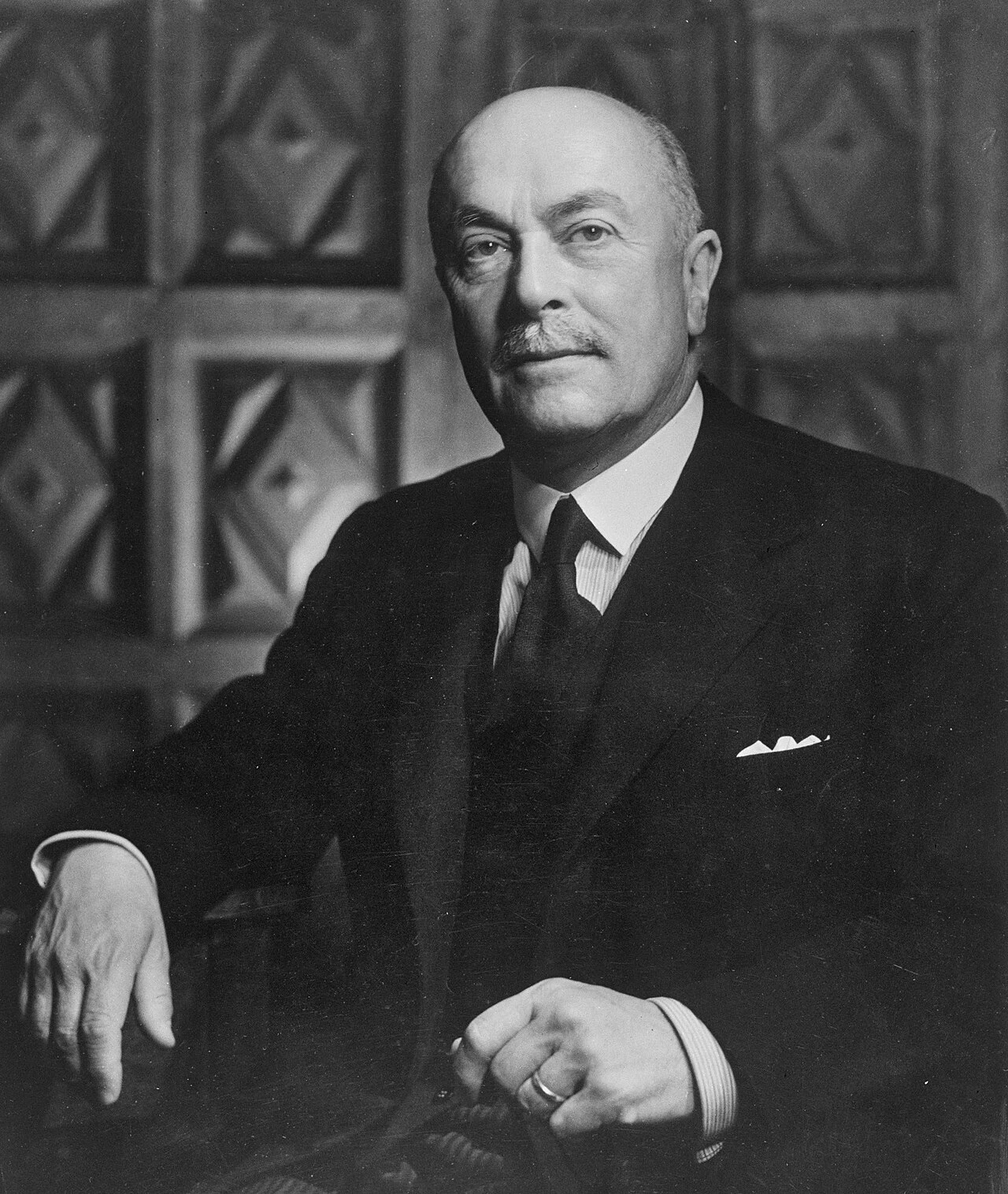
Pierlot at Limoges — from where to carry on?
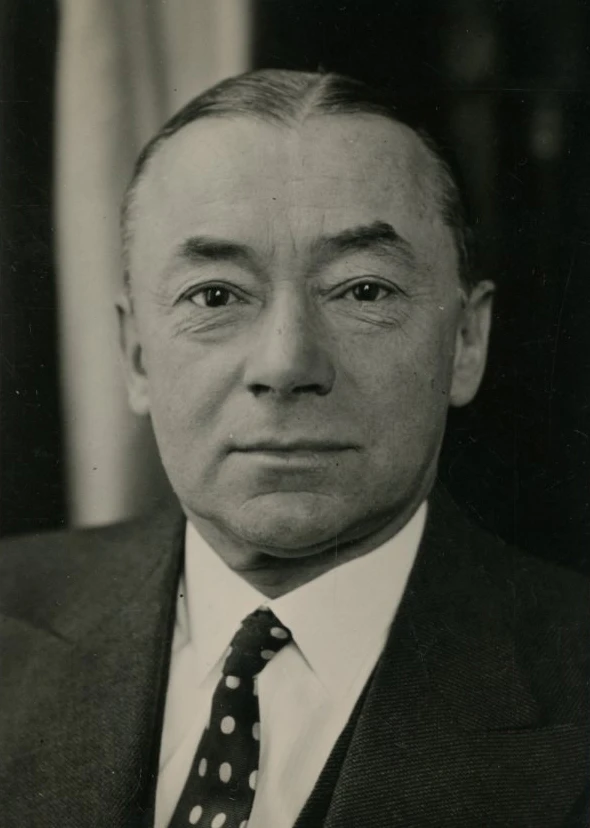
Reynaud faces the Council — Bordeaux, 16 June, 22:00
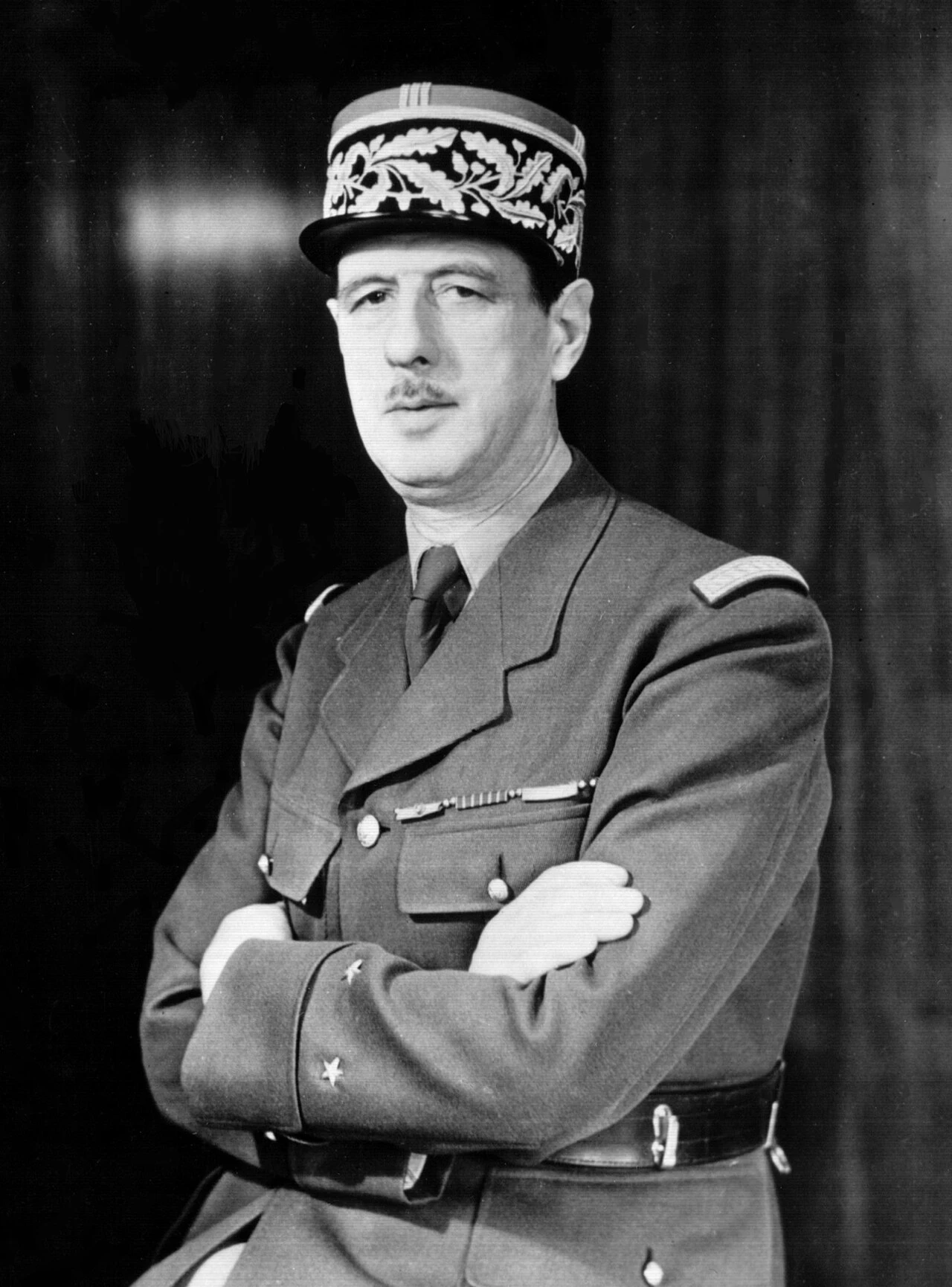
De Gaulle joins the government — 5 June
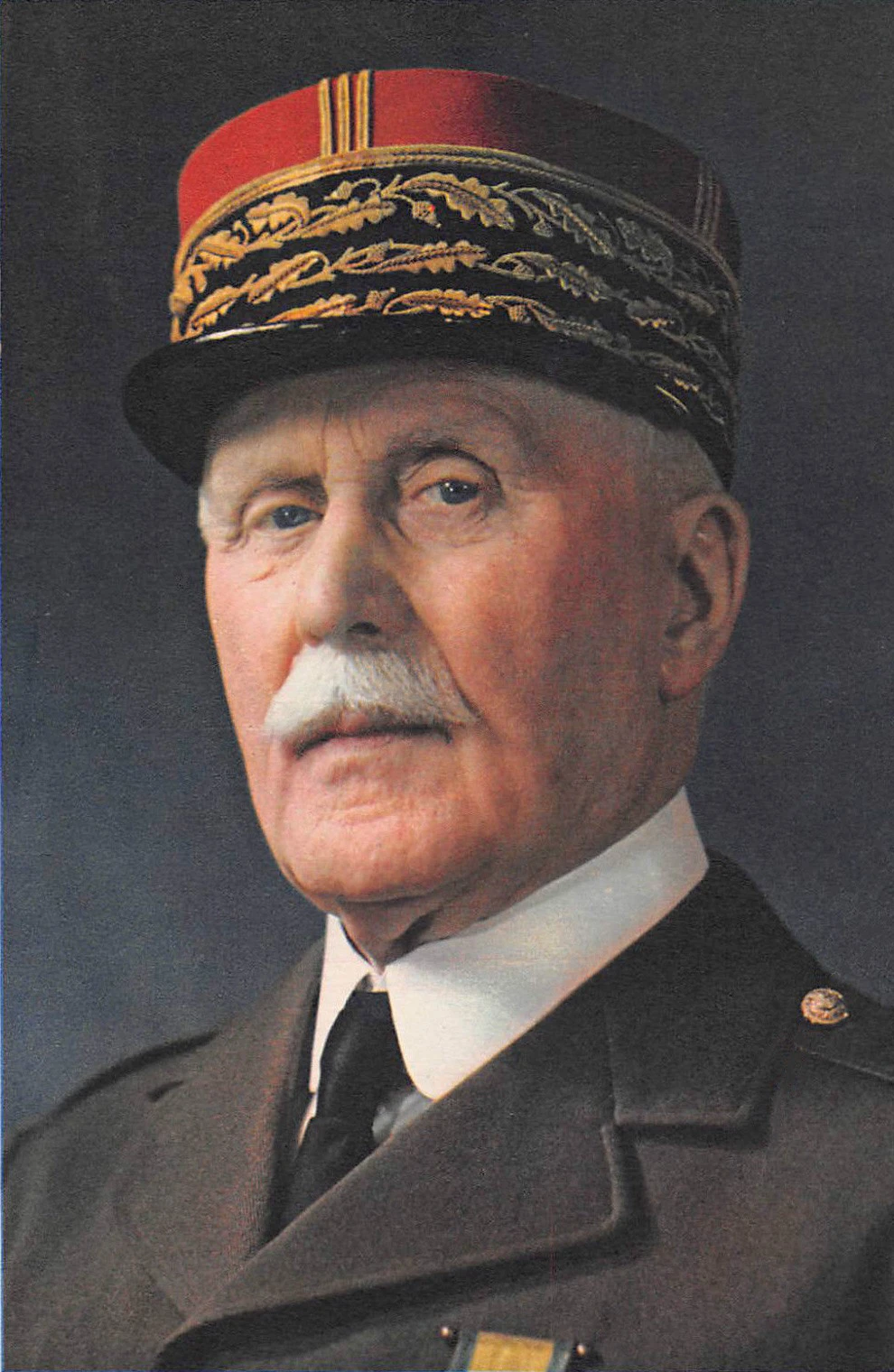
The hero of Verdun recalled from Madrid
Pétain Faces Mers-el-Kébir
Vincent Badie — Vichy Casino, 10 July
Daladier asked to leave the War Ministry
Hannah Arendt, Stateless and Interned, Facing Exile
Langeron — Prefecture of Police, 14 June
The Massilia — Bordeaux 21 June
Pierlot at Limoges — from where to carry on?
Reynaud faces the Council — Bordeaux, 16 June, 22:00
De Gaulle joins the government — 5 June