
The abatis of the Chasseurs Ardennais
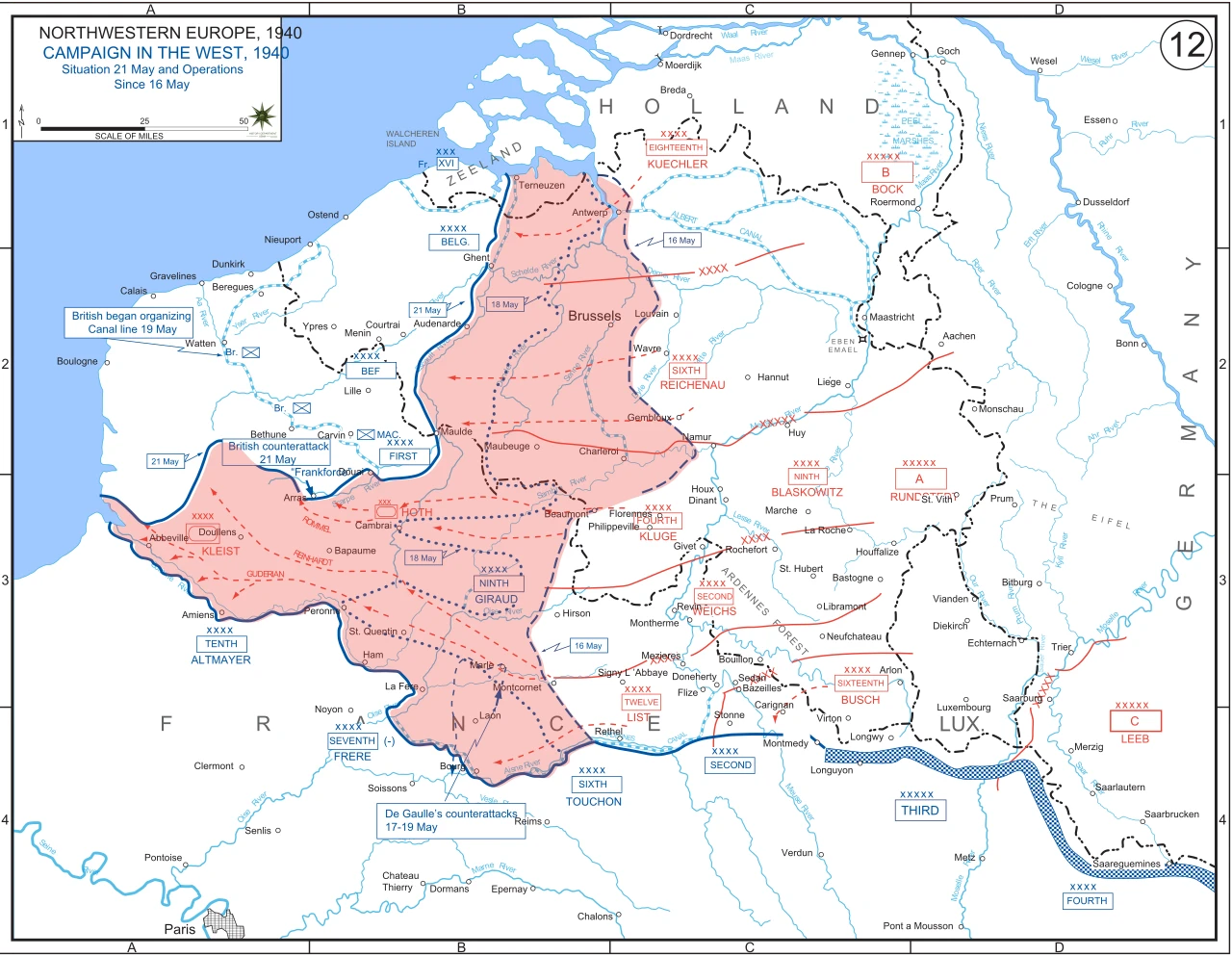
The Belgian Ardennes, a wooded massif cut by narrow valleys, was the terrain through which — to the surprise of the Allies — the mass of German armour passed. The , elite local troops, were deployed there not to hold the ground, but to delay it: to blow bridges and roads, raise barriers of felled trees (abatis), mine the defiles, and harass the enemy.
The stake was time: every hour gained in the Ardennes gave the Allies the leisure to organise the defence of the Meuse. But the Belgian forces there were weak and were not meant to fight a pitched battle against the Panzers.
The Belgian command could order the Chasseurs to multiply demolitions and abatis and then withdraw in good order, to slow the enemy as much as possible. It could have them hold strongpoints longer, at the risk of being outflanked and destroyed. Or it could have them withdraw quickly to the main position, sacrificing the delaying effect. The fate of the defence of the Meuse, further west, depended in part on these days gained in the woods.
Should the Chasseurs Ardennais multiply demolitions and abatis while withdrawing, hold strongpoints, or withdraw quickly?
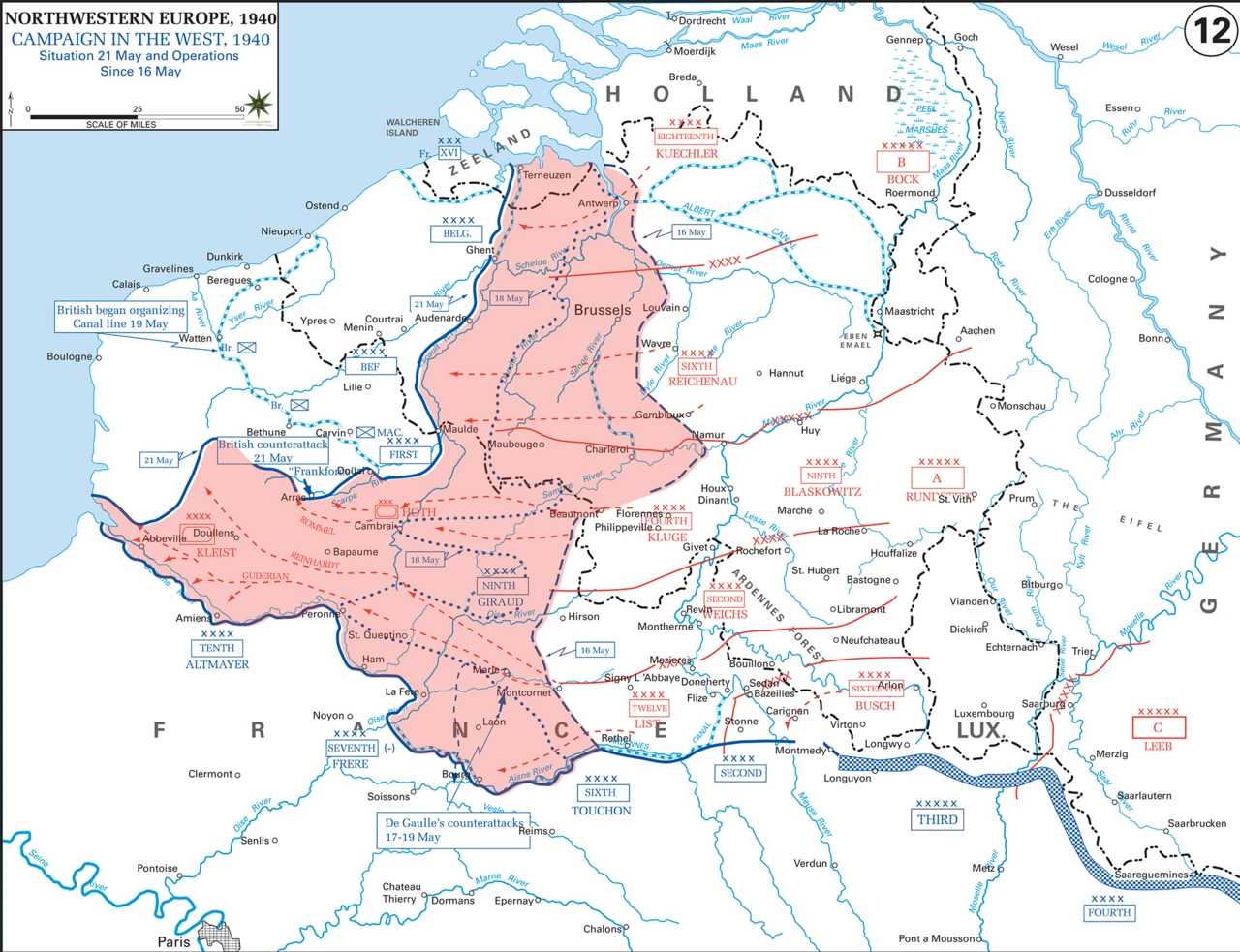
The applied A above all, in accordance with their delaying mission: they blew up works, raised abatis and fought engagements (as at Bodange) that locally slowed the German advance. But the demolitions, insufficiently systematic and poorly coordinated with Allied aviation, were not enough to halt the formidable armoured column flowing through the Ardennes: the Germans reached the Meuse as early as 12–13 May, much faster than the Allies had thought possible. The episode underlines that the Ardennes lock, judged a natural barrier by the French general staff, was not truly defended — the blind spot that made the "sickle cut" possible.
Learn more about this event
Related polls
10
The Battle of the Lys

The bridges of the Meuse
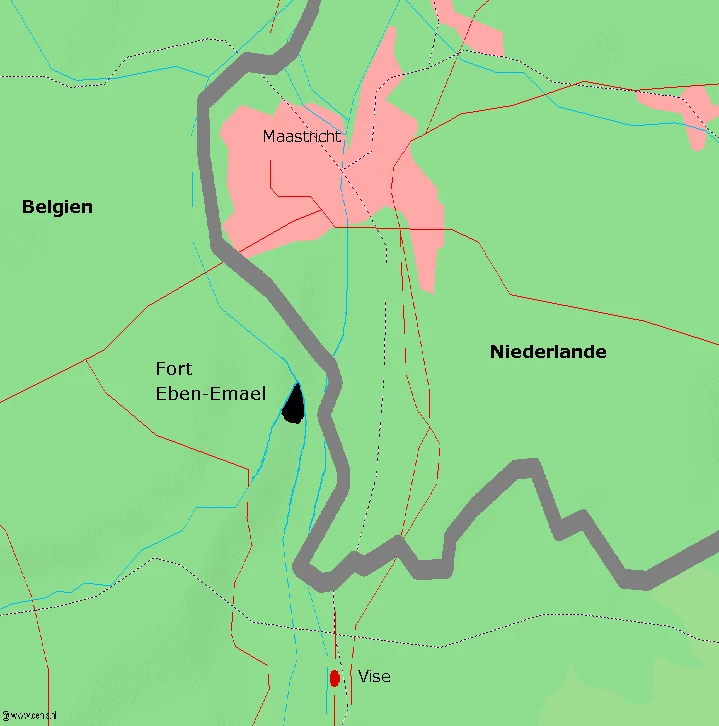
Eben-Emael — Jottrand under the explosions

Kanne bridge — fourth airborne target
Veldwezelt bridge — Beert and the demolition officer
Vroenhoven bridge — the demolition order
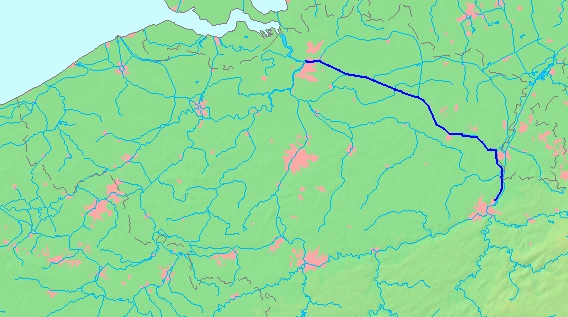
The bridges of the Albert Canal
The fortified position of Liège
The Gembloux gap
Boulogne — Fox-Pitt and the Guards facing the port
The Battle of the Lys
The bridges of the Meuse
Eben-Emael — Jottrand under the explosions
Kanne bridge — fourth airborne target
Veldwezelt bridge — Beert and the demolition officer
Vroenhoven bridge — the demolition order
The bridges of the Albert Canal
The fortified position of Liège
The Gembloux gap