
Rubber or nothing — America's gamble on an unobtainable material
The United States produces almost no natural rubber: it depends almost entirely on Malaya and the Dutch East Indies. Nearly all of this resource travels along Asian sea routes that a war in the Pacific could sever overnight.
Since the creation of the Rubber Reserve Company in 1940, the RFC has been stockpiling natural rubber bought from producers. But the oil and chemical industries are pressing the government to also fund synthetic rubber plants, still at a near-experimental stage and considered very costly.
Public funds are limited, and every dollar committed to uncertain plants is one dollar less available to build up immediately usable reserves. must choose between the security of a physical stockpile and the industrial gamble of synthetics.
Faced with the risk of natural rubber being cut off by the war, how should the RFC secure the United States' supply?
and the RFC prioritized the massive stockpiling of natural rubber and held back the synthetic program, which they considered a waste of public money as long as the Far East remained open. The subsidized synthetic program was even cancelled in February 1941. When Japan conquered Malaya, Singapore, and the Dutch East Indies in early 1942, the United States lost access to roughly 90% of its rubber. The stockpile that had been built up represented only about one year to eighteen months of consumption, triggering a major rubber crisis and an emergency synthetic program that only ramped up in 1943-1944.
Learn more about this event
Related polls
10
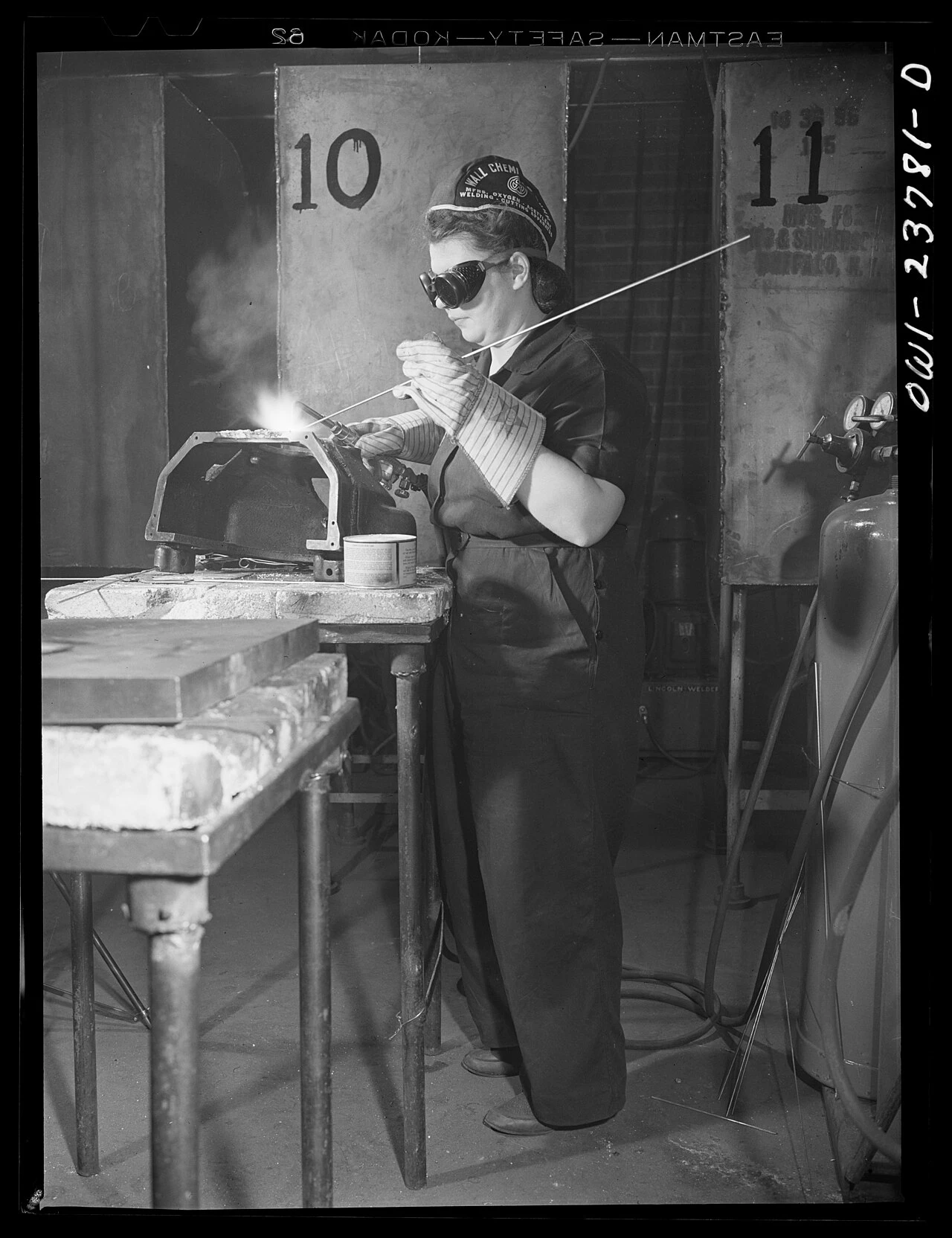
Persuade or Compel Industry
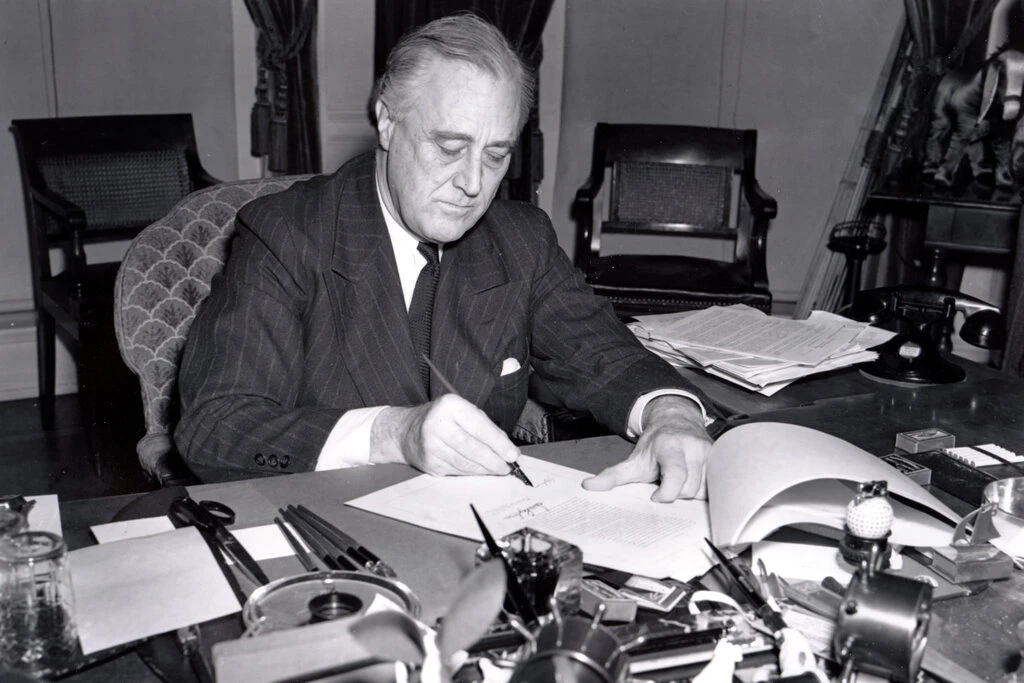
Washington, March 1941: Arming Without Entering the War
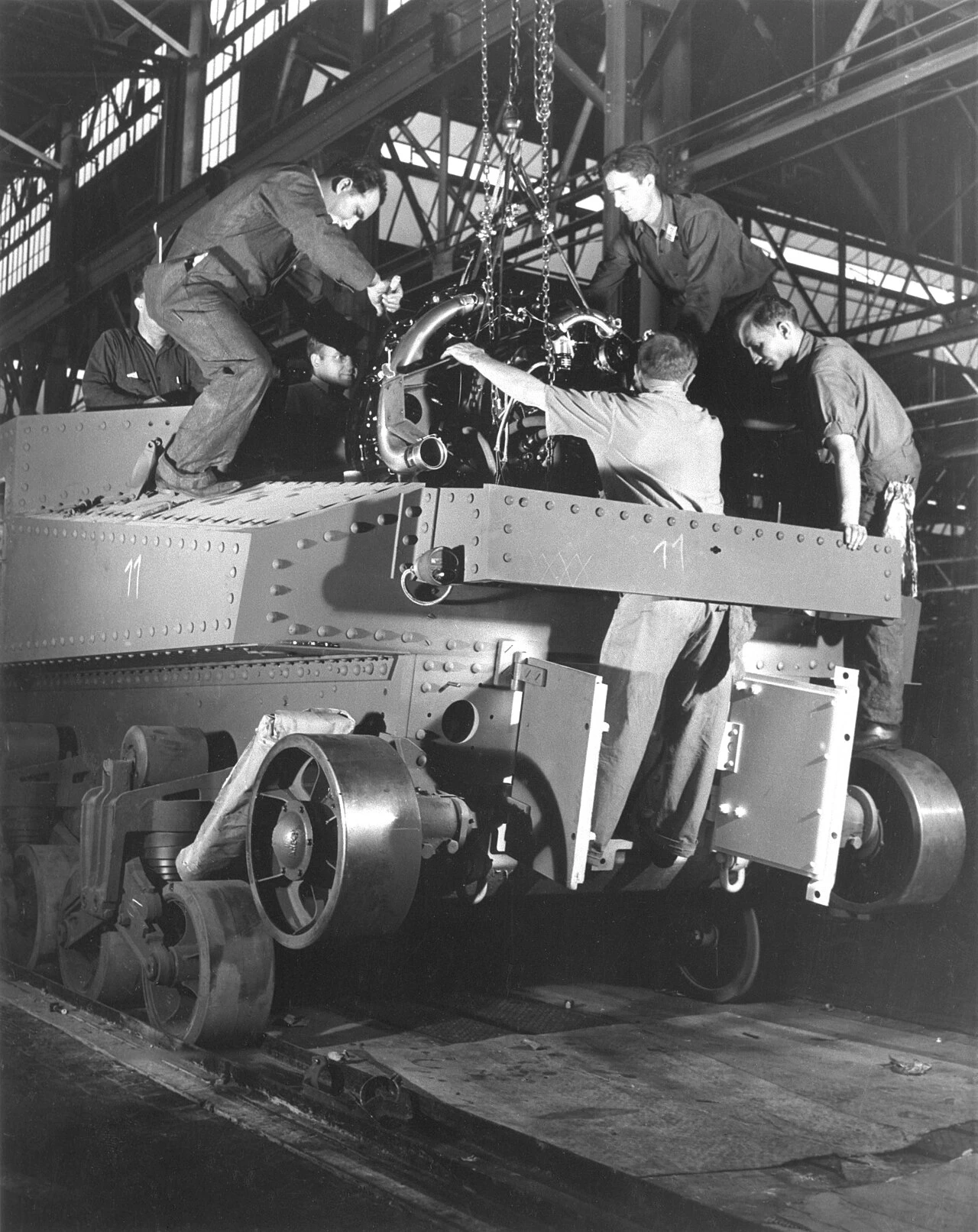
Should Detroit start building tanks?
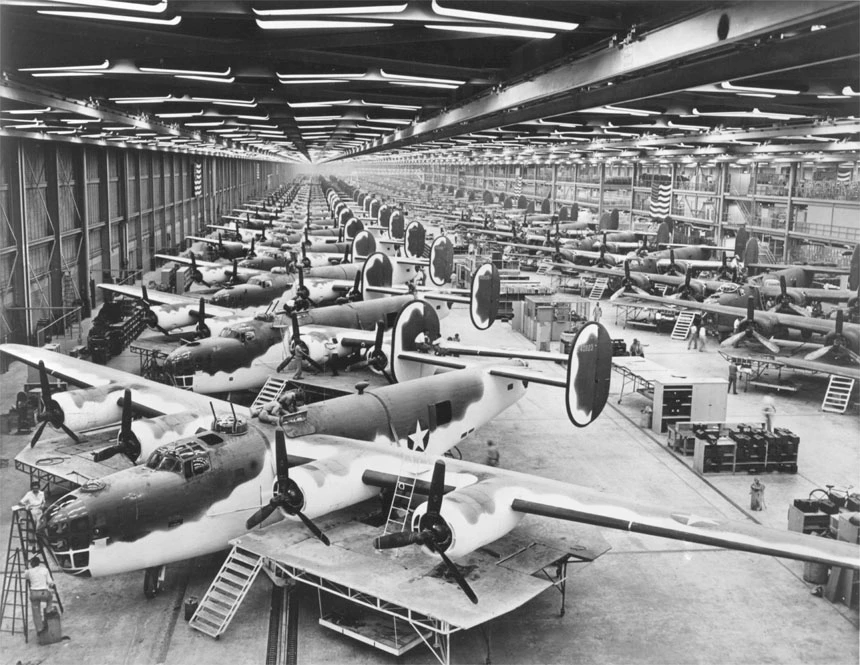
One bomber an hour: the Willow Run gamble
Vinson and the Two-Ocean Navy Act

Germany first, even before the war
Should Stalin Be Armed?
Kaiser, the Rivet and the Electric Arc
America Shifts to a War Economy
The Forgotten Tooling at Rock Island
Persuade or Compel Industry
Washington, March 1941: Arming Without Entering the War
Should Detroit start building tanks?
One bomber an hour: the Willow Run gamble
Vinson and the Two-Ocean Navy Act
Germany first, even before the war
Should Stalin Be Armed?
Kaiser, the Rivet and the Electric Arc
America Shifts to a War Economy