
Grodno — the harcerze on Skidelska Street
Grodno, 60,000 inhabitants, on the Niemen, is one of the oldest towns of historic Poland — the seat of the Sejms of the Grand Duchy of Lithuania in the sixteenth century. By 20 September 1939, after the Soviet invasion of the 17th, the town has no regular garrison: its infantry regiment (the 76th), sent westward, is no longer available. The civilian authorities — Prefect , Mayor — decide to throw together an improvised defence with 200 police and gendarmes, 500 railwaymen and postal volunteers, around 300 harcerze (Polish scouts), boys and girls aged 12 to 17 who have had rifle training in the Junackie Hufce Pracy, and 50 veterans of the Polish-Soviet War of 1920.
The weapons available: Mauser wz. 98 rifles (about 600), a dozen machine guns, hand grenades, Molotov cocktails made up in the night of 19-20 September in the cellars of the Technical School.
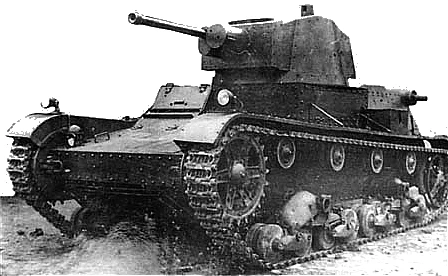
On 20 September at 14:00, the Soviet under kombrig (around a hundred T-26 and BT-7 tanks) debouches onto the road from Warsaw. , 13 years old, a sixth-form pupil at the Adam Mickiewicz School and a scout since the age of 10, is with his group on Skidelska Street. His "mission": throw Molotov cocktails onto the tracks of the Soviet tanks. His elder brother Maciek, 17, was killed that morning at the bridge over the Niemen. The local adults have to decide quickly.
Do the children belong in the fight?
The sources converge: Polish scouts did take part in the fighting, among them . On the evening of 20 September, after being seized by a Soviet patrol, he was — according to several witness accounts — lashed by the Soviets to the engine deck of a T-26 as a human shield. The tank was hit by a Molotov cocktail and caught fire; Tadek died in the night of 22-23 September in the Bernardine chapel at Grodno. The toll of the defence of Grodno: about 250 defenders killed (including 12 identified scouts), about 700 prisoners executed by the Soviets in the days that followed. The town becomes Belarusian in 1991 (Hrodna). The story of remains a contested symbol in Polish memory — a symbol either of spontaneous heroism or of anti-Soviet propaganda, depending on the historiographical school.
Learn more about this event
Related polls
10
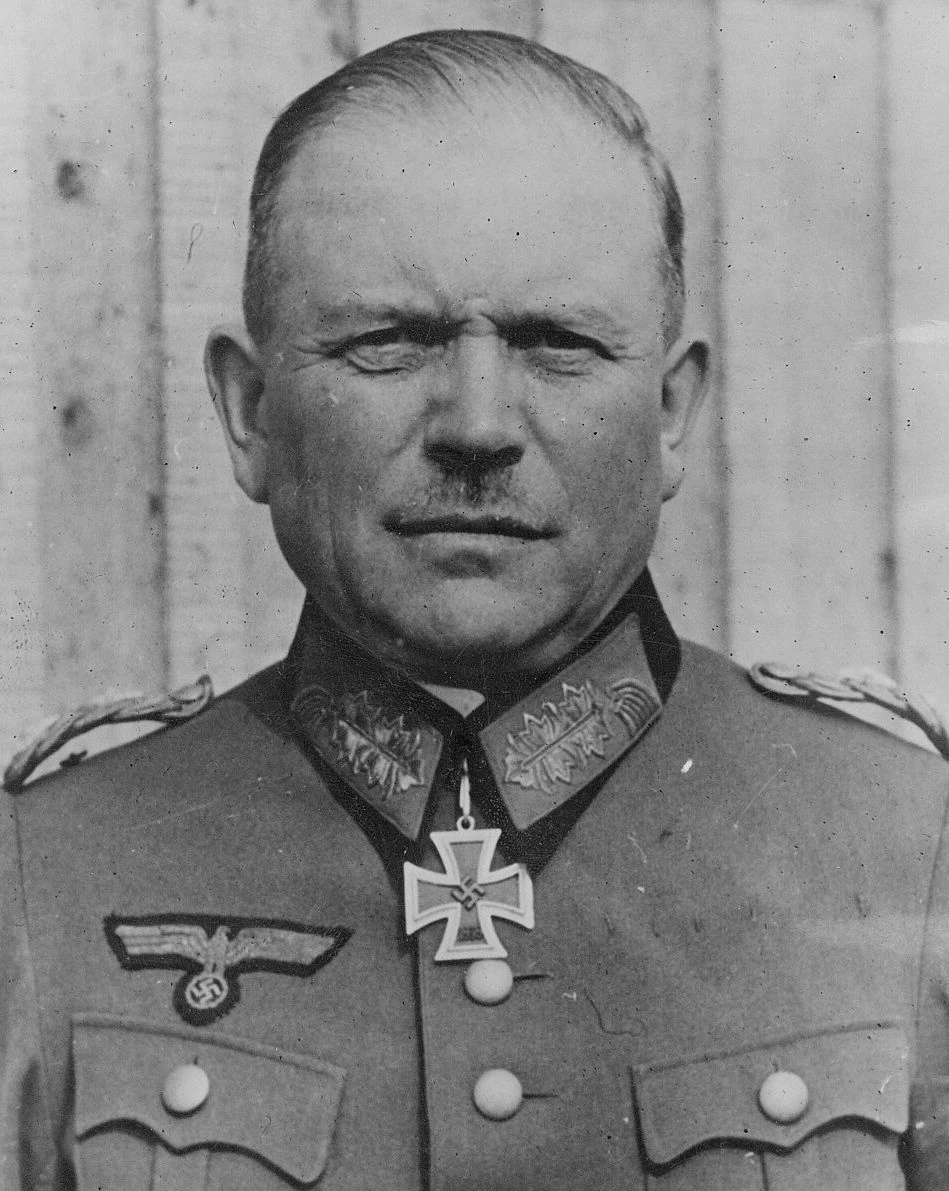
Brześć — Plisowski faces Guderian
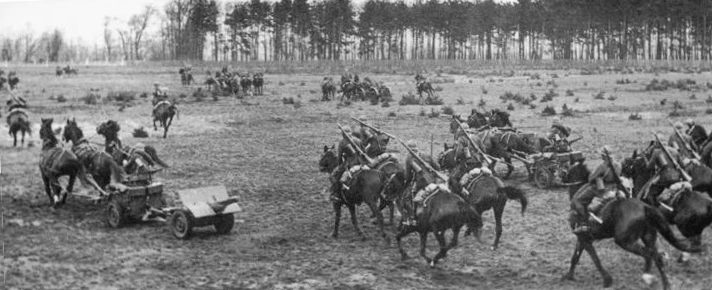
The Bzura — Kutrzeba faces the trap
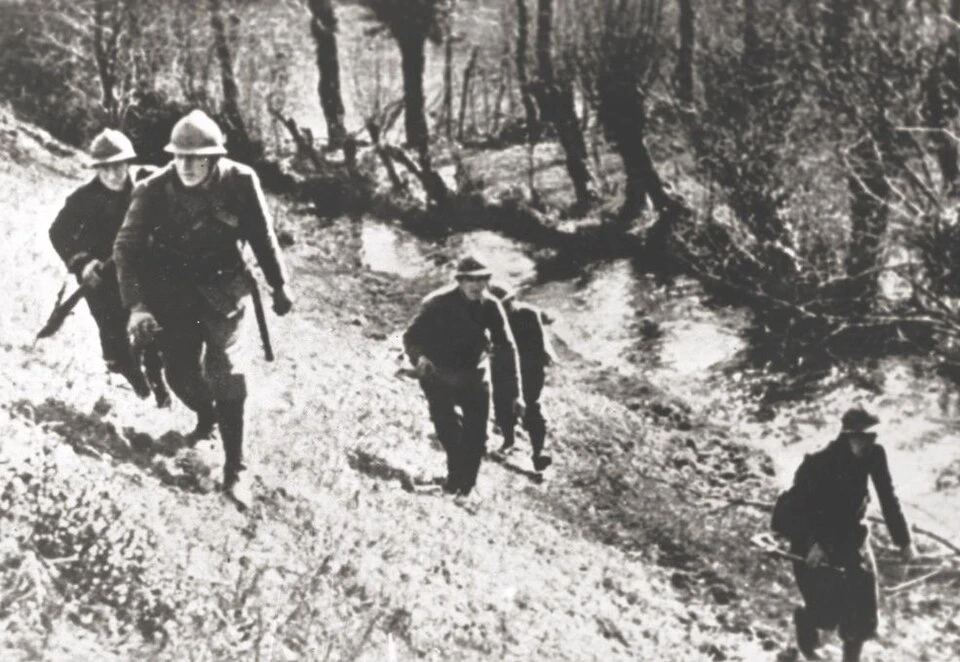
Kock — Kleeberg on the morning of 6 October
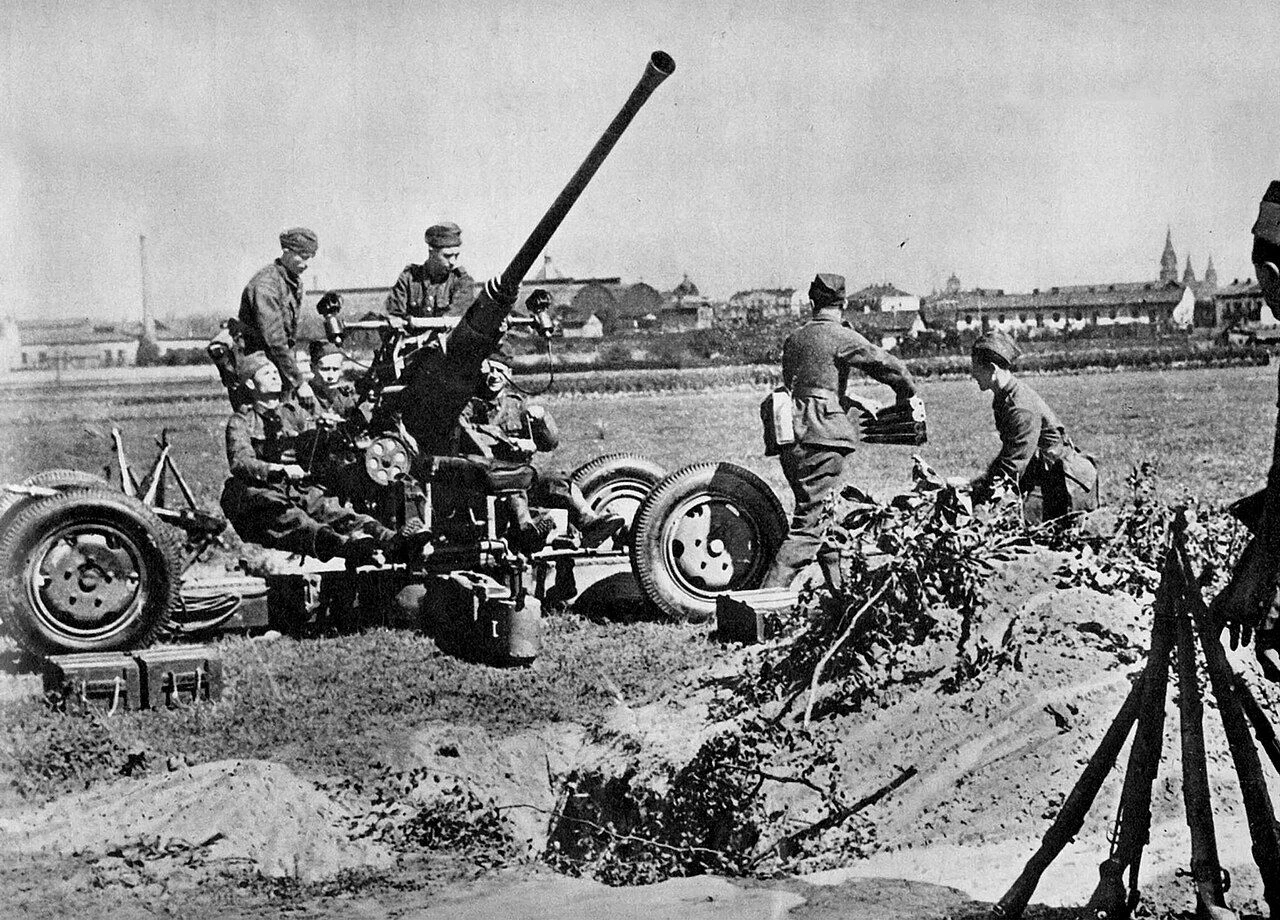
Lwów — Langner between two occupiers
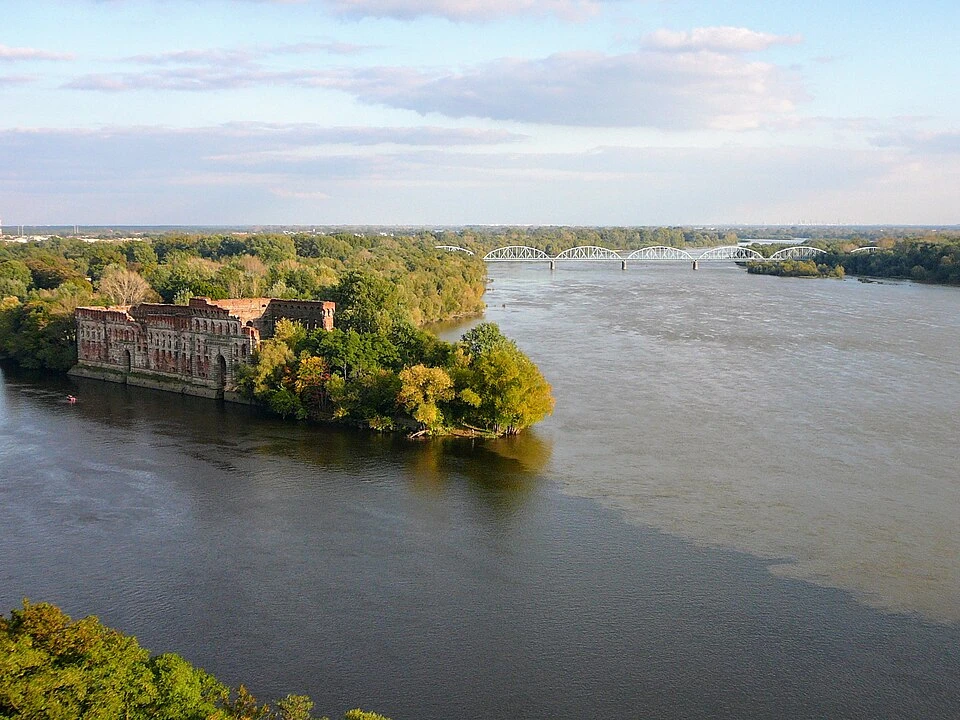
Modlin — Thommée at the last fortress
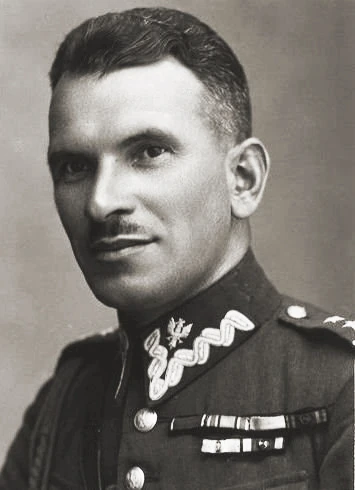
Praga — Rommel facing the siege
Tomaszów Lubelski — Piskor between two fronts
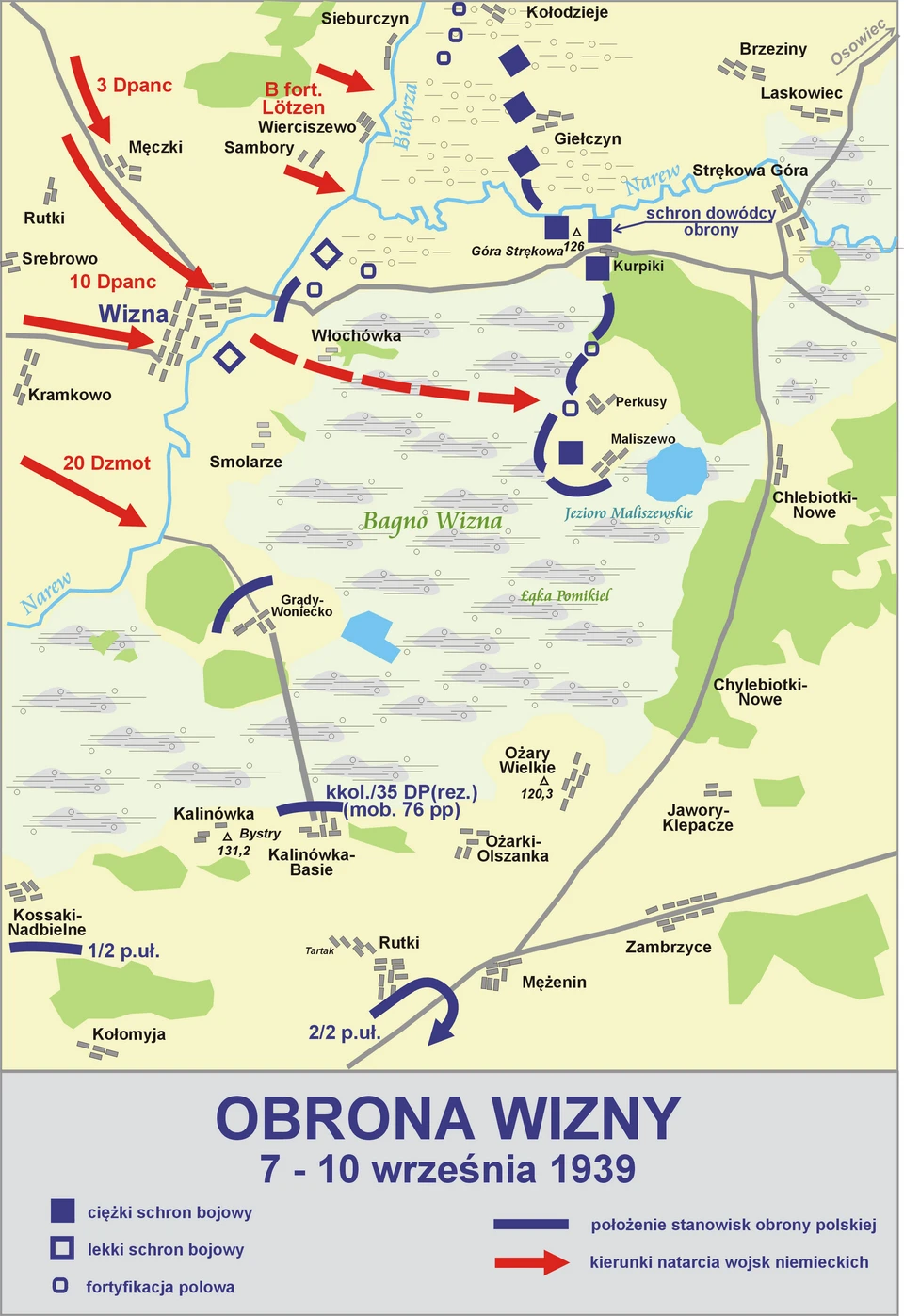
Wizna — Raginis in the Górka bunker
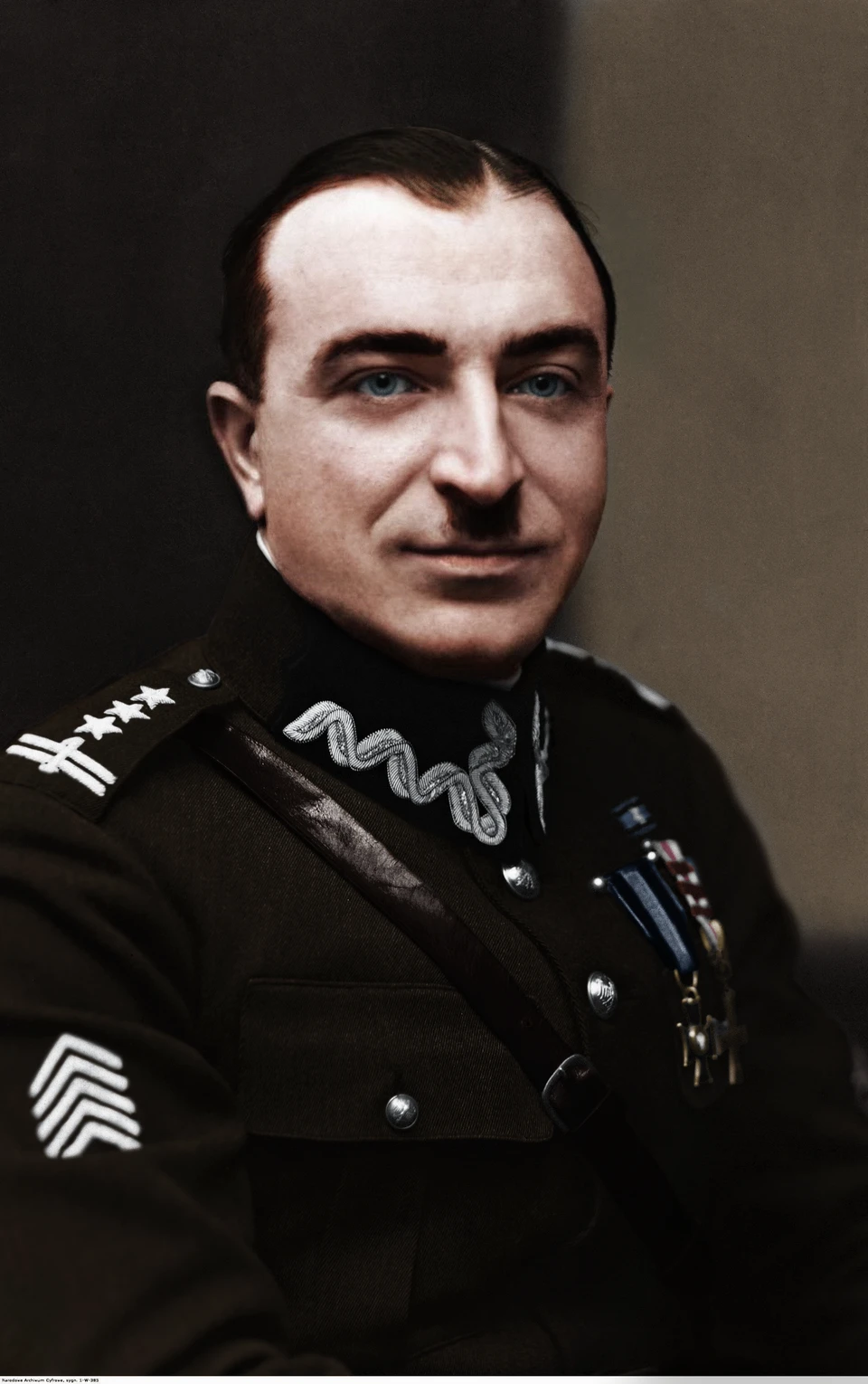
Wytyczno — Orlik-Rückemann after Szack
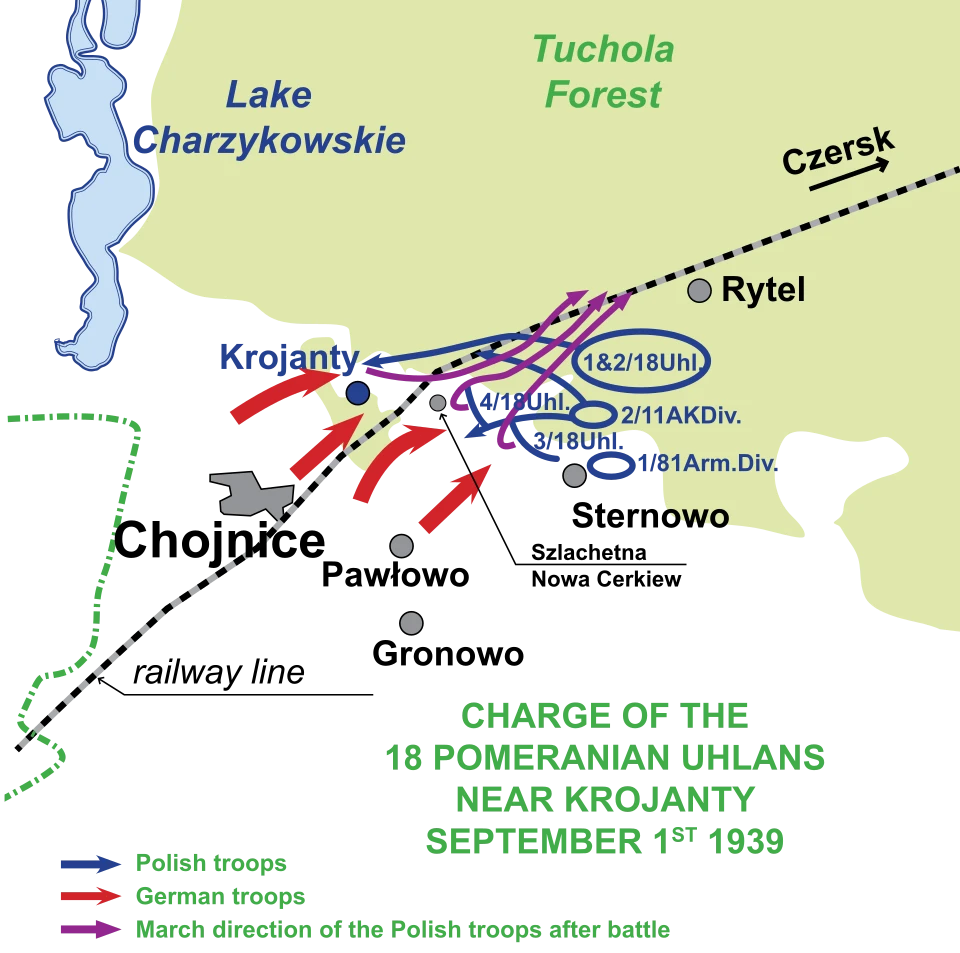
Krojanty — Mastalerz and the 18th Uhlans
Brześć — Plisowski faces Guderian
The Bzura — Kutrzeba faces the trap
Kock — Kleeberg on the morning of 6 October
Lwów — Langner between two occupiers
Modlin — Thommée at the last fortress
Praga — Rommel facing the siege
Tomaszów Lubelski — Piskor between two fronts
Wizna — Raginis in the Górka bunker
Wytyczno — Orlik-Rückemann after Szack