
Excess: getting the convoy through under a new threat
Admiral , nicknamed 'ABC', has commanded the British Mediterranean Fleet from Alexandria. After the raid on Taranto in November 1940, which crippled part of the Italian battleships, he enjoys a hard-won naval superiority in a sea vital to the Empire.
In January 1941, London mounts Operation Excess, a series of convoys laden with supplies for Malta, Alexandria and Greece. To protect them, Cunningham must take his heavy ships — including the aircraft carrier Illustrious — through the formidable Strait of Sicily, a narrow channel between the island and Tunisia, within range of the Axis airfields.
But the picture is changing. British intelligence has noted the arrival in Sicily of German aircraft: the , a unit specialised in anti-ship attack, transferred from Norway with its Junkers 87 (Stuka) dive bombers. Until now, Cunningham has faced only the Italian , judged to have little bite. This new air presence, better trained and determined, forces him to weigh the risk he is running for his most precious ships.
Should Cunningham take his heavy fleet through the strait despite the reported arrival of the Luftwaffe?
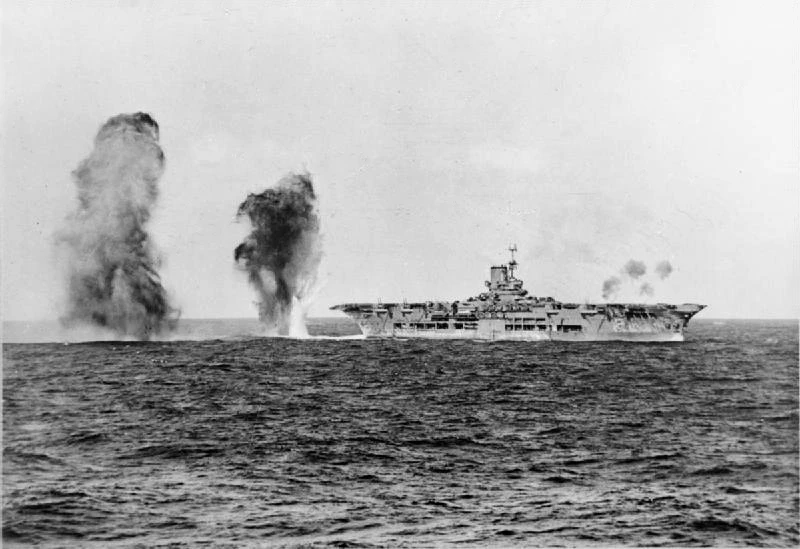
Cunningham chooses A: confident in a navy that is master of the Mediterranean, he maintains the passage through the strait. On 10 January 1941, Italian aircraft first draw the Illustrious's fighters down to low altitude, then some forty Stukas plunge on the now uncovered carrier and strike it with several bombs: 126 killed and nearly a hundred wounded. The ship makes Malta in flames, where the bombing relentlessly continues to pound it — the 'Illustrious Blitz'. The next day, the light cruiser Southampton is hit so badly that it is scuttled. The merchantmen of Excess reach their ports, but the price paid forces the British to withdraw their heavy units from the central Mediterranean. The arrival of the Luftwaffe erases the supremacy of Taranto and opens the long agony of Malta.
Learn more about this event
Related polls
10
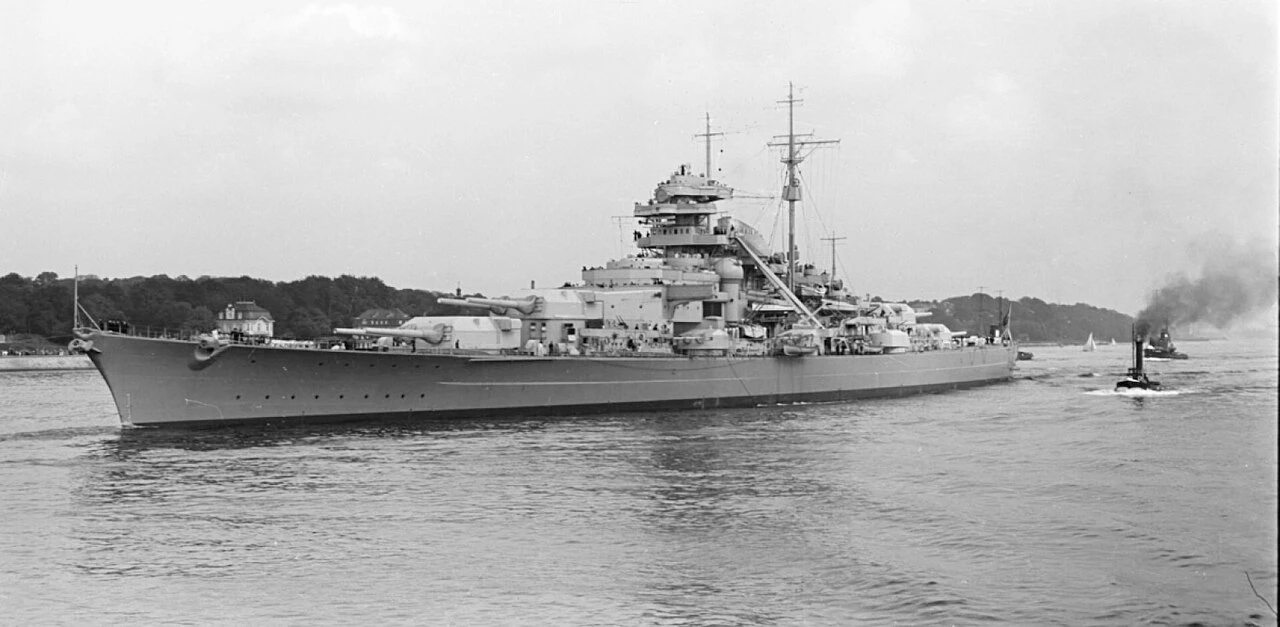
Tovey — the Bismarck running for France
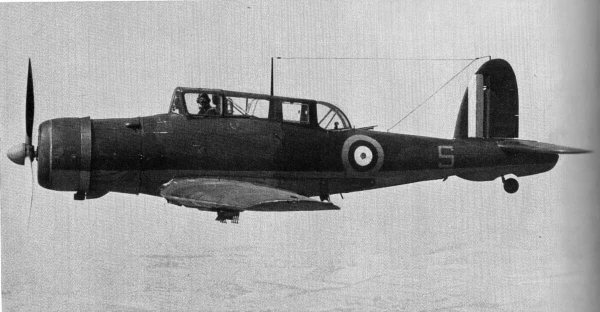
Bergen — the Skuas at extreme range
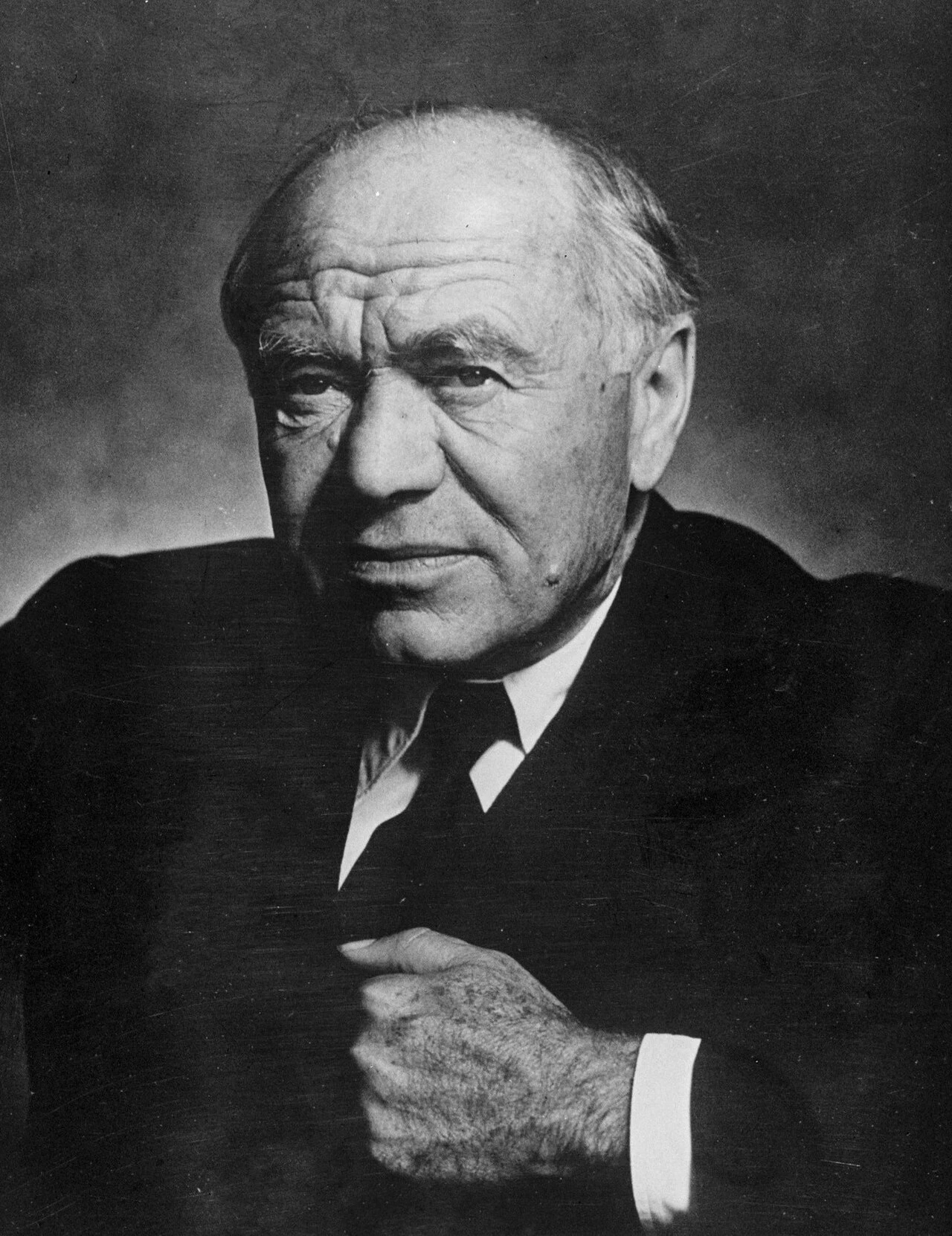
Casting Out the Victors — Air Ministry, November 1940
The first jump: a raid with no safety net for the return
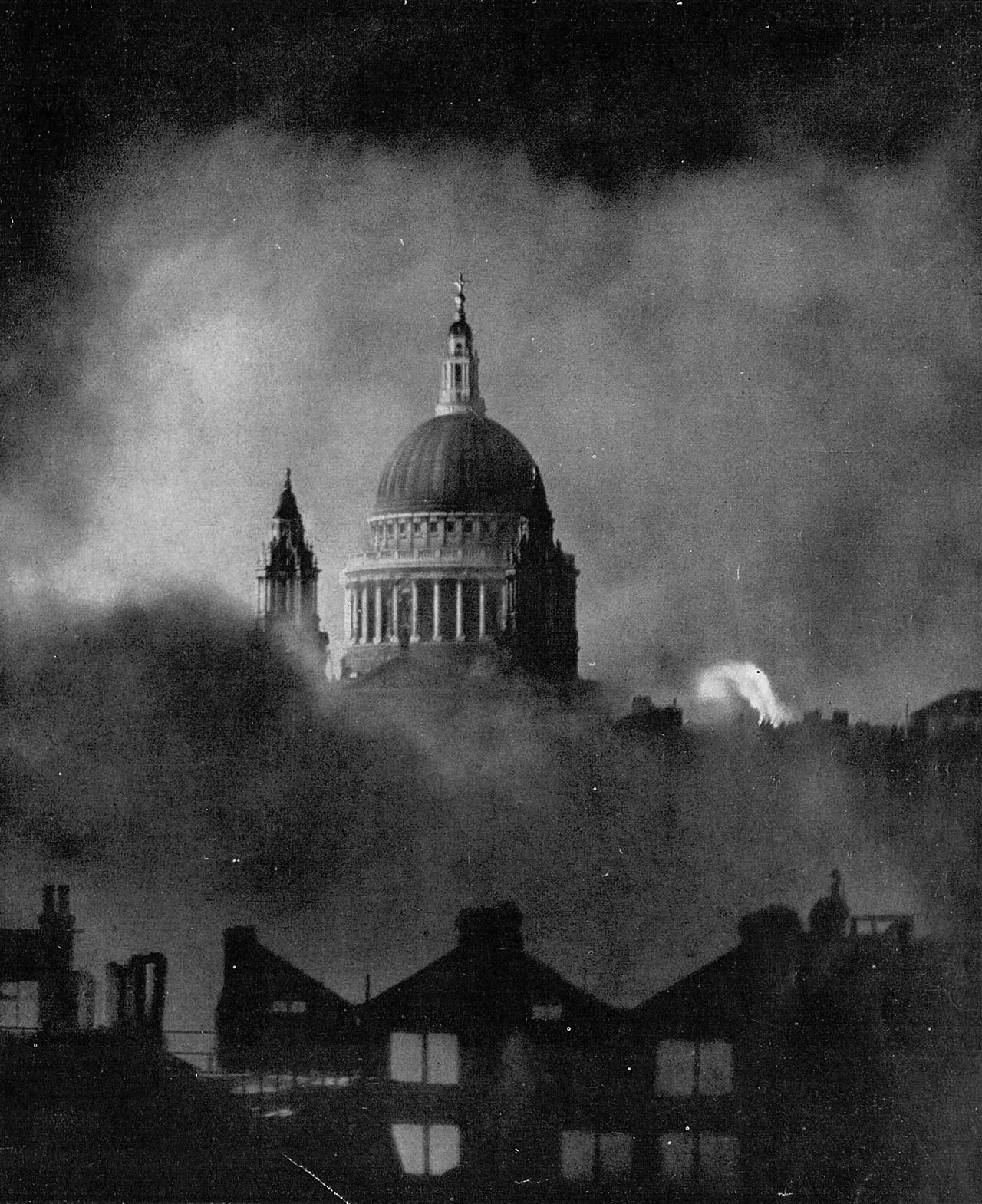
The Second Great Fire of London
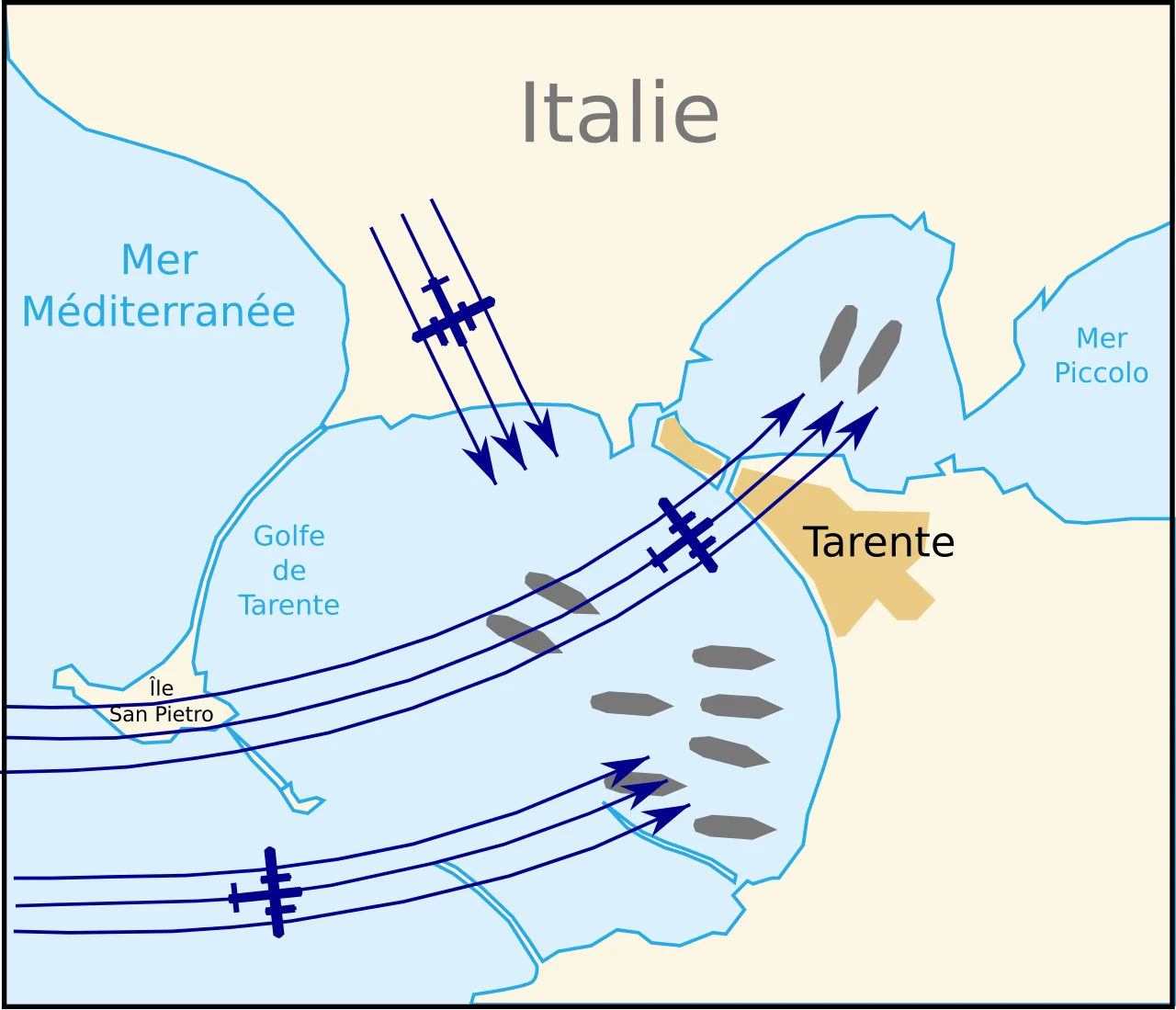
Taranto — the night of the Swordfish
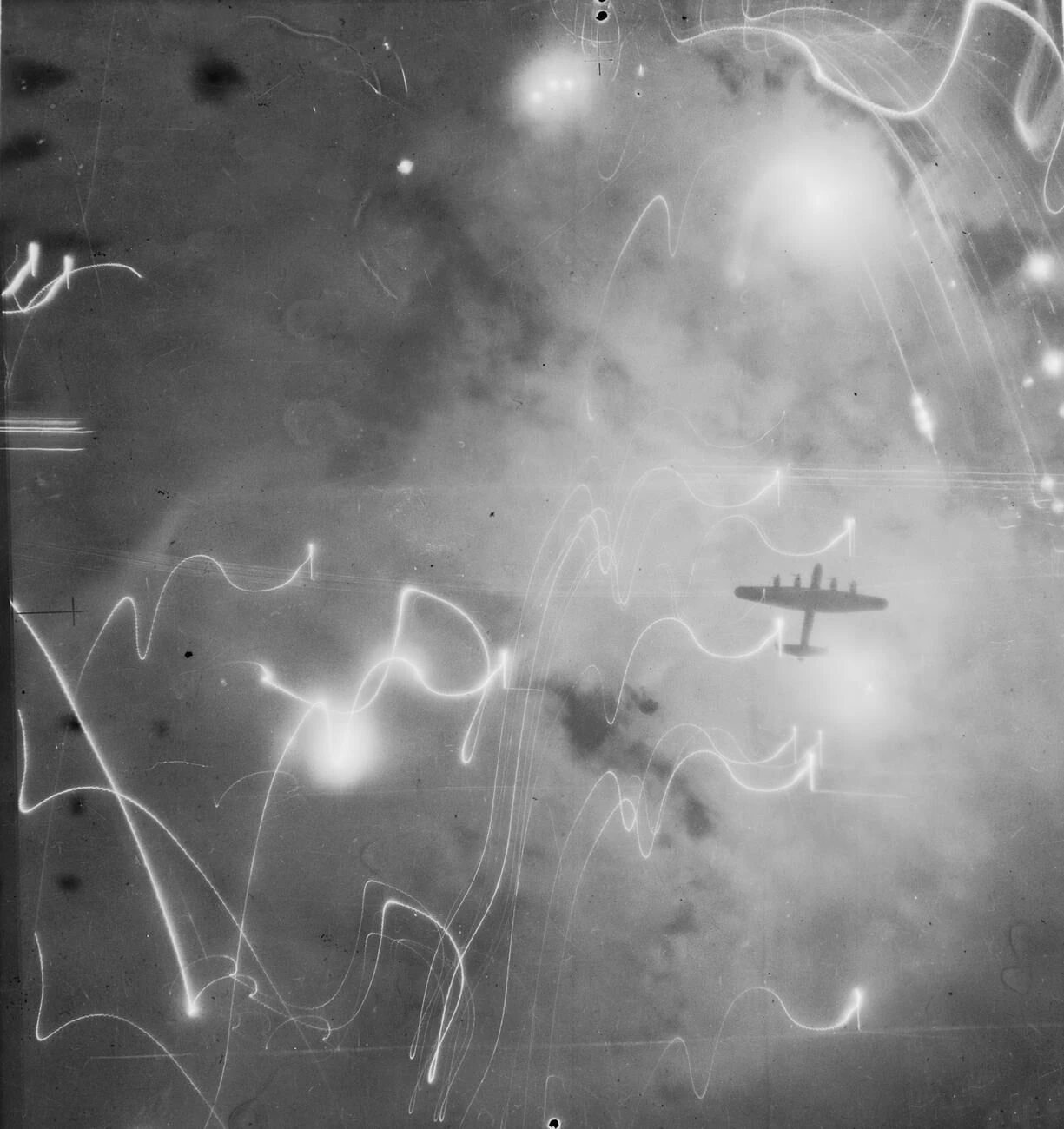
Bombing London — and the reply on Berlin
Cape Matapan — Cunningham against Iachino
Coventry — the night of November 14
Dowding and the Last Reserves — 15 September 1940
Tovey — the Bismarck running for France
Bergen — the Skuas at extreme range
Casting Out the Victors — Air Ministry, November 1940
The first jump: a raid with no safety net for the return
The Second Great Fire of London
Taranto — the night of the Swordfish
Bombing London — and the reply on Berlin
Cape Matapan — Cunningham against Iachino
Coventry — the night of November 14