
Quisling in Berlin — facing Rosenberg
, 52, is a complex Norwegian political figure. An officer of the Norwegian army, military attache in Petrograd 1918-1921, secretary to for the repatriation of Russian refugees 1922-1929. Minister of Defence 1931-1933 in the agrarian government of . He leaves in 1933 to found his own party: the Nasjonal Samling (NS, "National Rally") — a Norwegian fascist formation, on the Nazi model but with a Lutheran and anti-Soviet colouring.
On the eve of the war, Quisling is marginal: his party numbers about 3,000 members, 0 percent in the 1933 elections and 1.8 percent in 1936. He publishes in 1938 theses on the necessity of a Norwegian-German alliance against the "Soviet threat." He proclaims himself the legitimate representative of Norwegian opinion, against the Nygaardsvold government, which he considers "infiltrated by Jewish Marxists."
In December 1939, Quisling travels to Berlin at the invitation of , Nazi ideologue and head of the Aussenpolitisches Amt der NSDAP (Foreign Policy Office of the Party). From 11 to 14 December, a series of meetings: Rosenberg, then , then Admiral (commander-in-chief of the Kriegsmarine), and finally Hitler in person on the evening of 14 December.
Quisling's mission: to convince Berlin to intervene militarily in Norway — either by helping a coup d'etat by his party, or by occupying the country preventively against an alleged "British intervention" (which is in reality not planned at this moment). On 14 December, Quisling submits to Hitler a detailed plan: he would take power in Oslo by an internal military coup on 15 February 1940, Germany would then send "assistance troops" to stabilize the regime.
How should Hitler react to Quisling's proposals?
Hitler chooses B. He refuses the Quisling version (judged too uncertain, too dependent on the vagaries of Norwegian internal politics) but orders Raeder and the OKW to elaborate a complete German military operation. On 27 January 1940, Hitler signs the Studie Nord directive ordering preparation of Operation Weserübung (invasion of Denmark and Norway). Quisling is kept informed, receives about 200,000 Reichsmarks to finance his party and a secret flat in Berlin, but plays no operational role in the launch. On 9 April 1940 at 4:15 a.m., Operation Weserübung begins. Quisling proclaims himself Prime Minister on Radio Oslo at 7:32 p.m. on 9 April, without prior German agreement. The German military command is embarrassed: Quisling is unpopular in Norway; his self-proclamation complicates negotiations with the Nygaardsvold government. Hitler replaces him with as Reichskommissar on 24 April 1940. Quisling resumes formal power on 1 February 1942 as "Ministerpresident" under German tutelage. His name becomes synonymous with national collaborator throughout the world — the verb "quisling" entering English dictionaries from 1944. Captured in May 1945, tried in Norway, shot on 24 October 1945 at Akershus fortress in Oslo. The proportion of Norwegians condemned after the war for collaboration (50,000 convictions, 25 shot) remains one of the highest in Europe — a measure of popular identification with the resistance against the NS.
Learn more about this event
Related polls
10
Hans Frank — the taking of the Wawel
Reynaud against Daladier — February 1940
Beck in Bucharest — the Internee
Beneš in London — autumn 1939
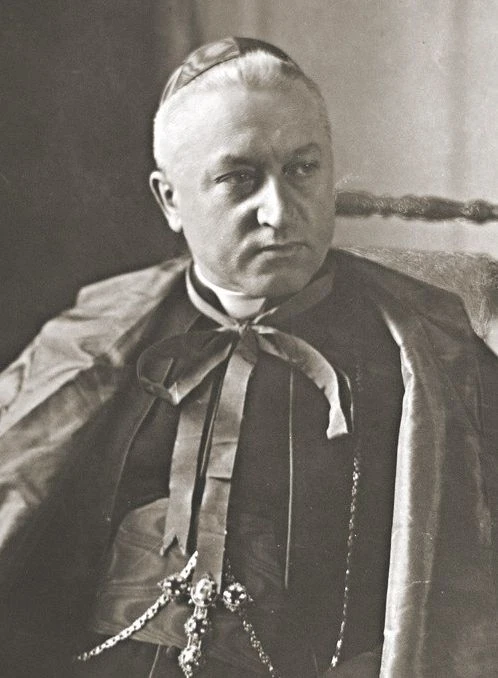
Cardinal Hlond — the Vatican's instruction
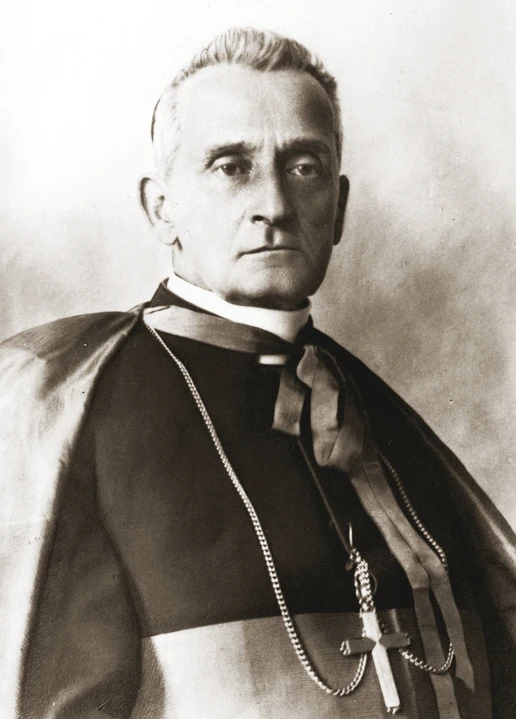
Cardinal Sapieha — Krakow under Occupation
Chamberlain — 11:15 BST
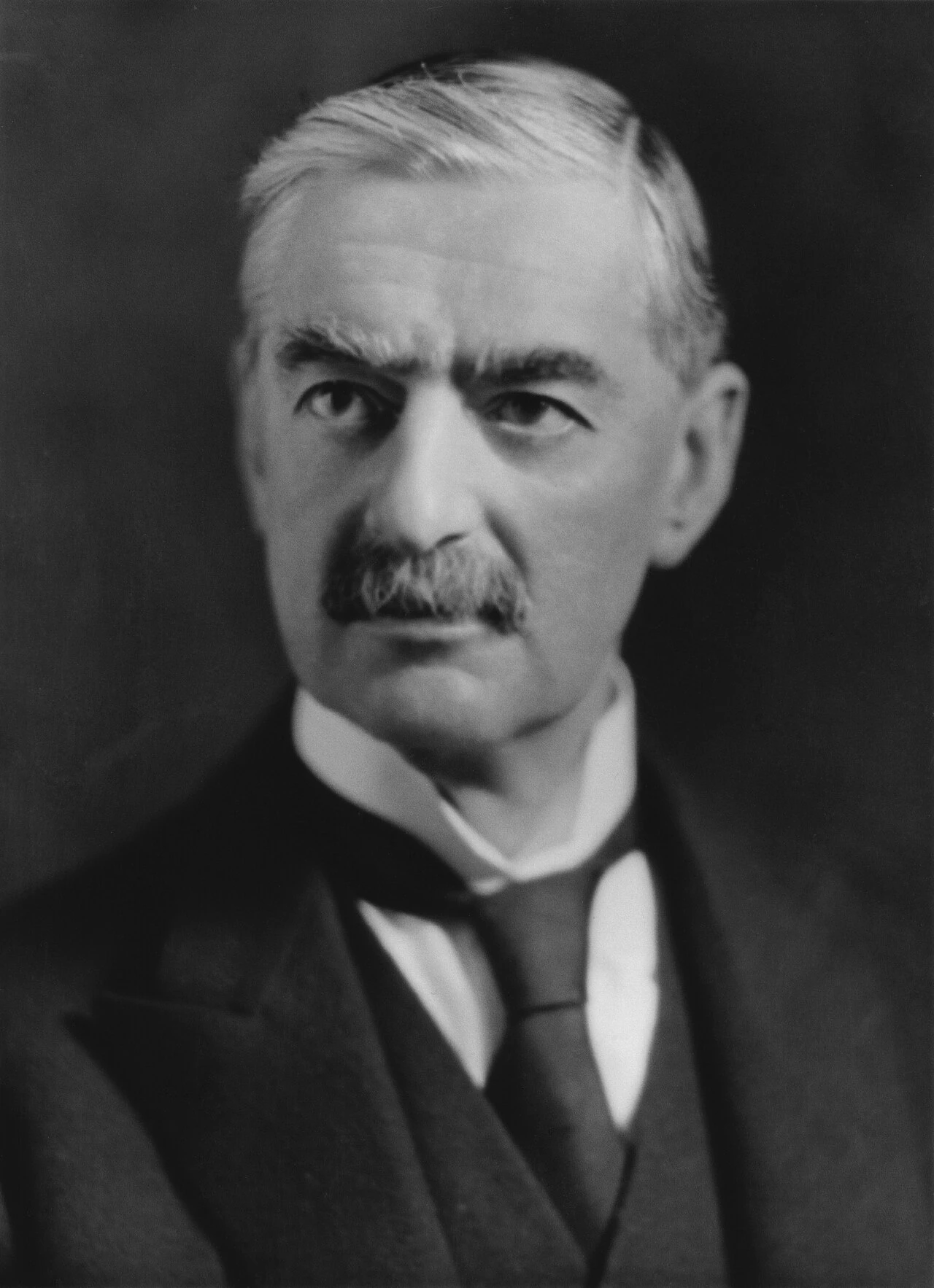
Chamberlain at Central Hall — 4 April
Churchill in power
Churchill before the 25 ministers — 28 May 18:00
Hans Frank — the taking of the Wawel
Reynaud against Daladier — February 1940
Beck in Bucharest — the Internee
Beneš in London — autumn 1939
Cardinal Hlond — the Vatican's instruction
Cardinal Sapieha — Krakow under Occupation
Chamberlain — 11:15 BST
Chamberlain at Central Hall — 4 April
Churchill in power