
Germany first, even before the war
In late January 1941, in the secrecy of Washington, American and British staff officers gather to answer a question that the still-neutral United States dares not ask aloud: if war came, how would it be won?
The idea of a European priority has been maturing for months. The American Chief of Naval Operations, Admiral , formulated it in the autumn in his memorandum 'Plan Dog': in the event of a simultaneous conflict against Germany and Japan, it is better to concentrate the effort on the Atlantic and Europe. Roosevelt, re-elected in November, waited for his inauguration to authorise these contacts, out of electoral prudence.
The ABC conversations — for American-British Conversations — open in a delicate atmosphere. The United States is not at war; any leak revealing joint plans with a belligerent would cause a scandal and arm the isolationists. The two camps confront their doctrines: the Americans lean towards a massive frontal battle against the Wehrmacht, the British towards a peripheral strategy. At the heart of the debates, a decision heavy with consequences: should it be laid down, in writing, that Germany would be the enemy to be defeated first, the Pacific remaining secondary — thereby committing the strategy of two powers, one of which has not yet fired a shot?
Should the delegations formally agree on the 'Germany first' priority, or refuse to settle on a common strategy so long as the United States is not at war?
The delegations choose A: from 29 January to 27 March 1941, over the course of fourteen secret meetings, they draw up the ABC-1 report, which establishes the Atlantic and Europe as the 'decisive theatre' and stipulates that, in the event of Japan's entry into the war, the strategy in the Far East would remain defensive until the defeat of Germany and Italy. The text is not a formal alliance — American neutrality forbids it — but Roosevelt tacitly approves it shortly after its conclusion. This 'Germany first' orientation will survive the shock of Pearl Harbor in December 1941 and will structure the whole Allied war effort: priority to the liberation of Europe, containment of Japan. The conversations also open an unprecedented sharing of intelligence, a prelude to transatlantic cooperation on the breaking of codes.
Learn more about this event
Related polls
10
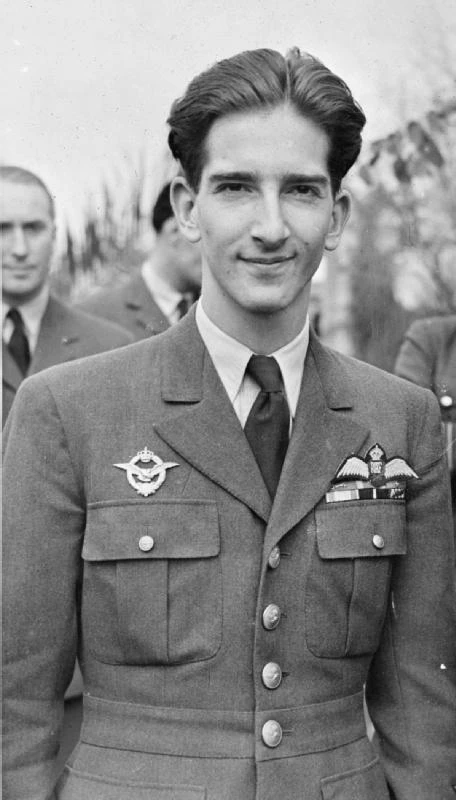
The Belgrade coup
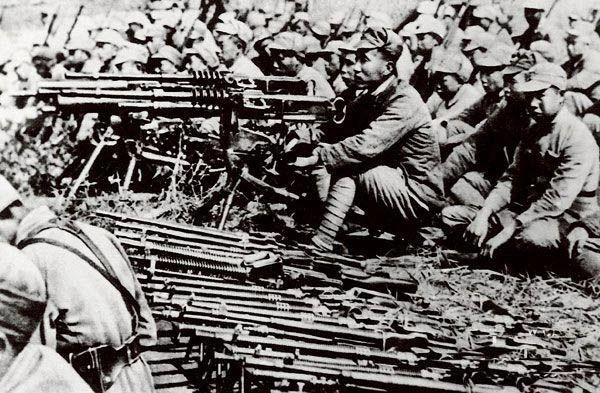
The New Fourth Army Incident
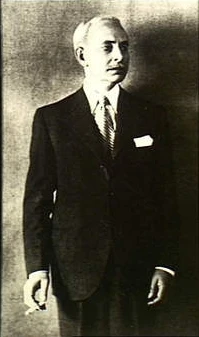
The death of Metaxas — Athens
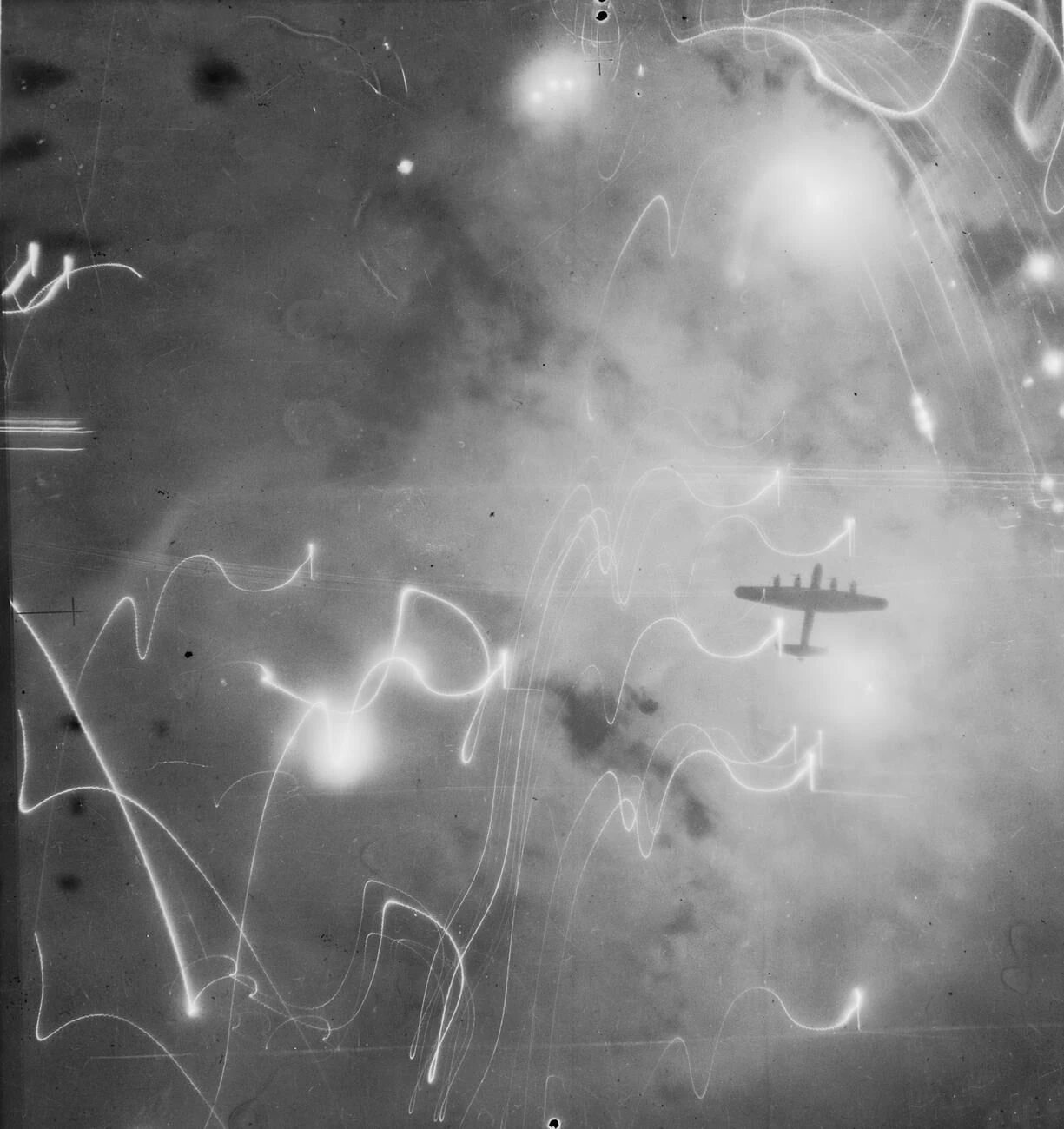
Bombing London — and the reply on Berlin
Auchinleck replaces Wavell
Baku in the crosshairs — Operation Pike
The Capitulation of 28 May
Catroux and Tokyo's pressure on Indochina
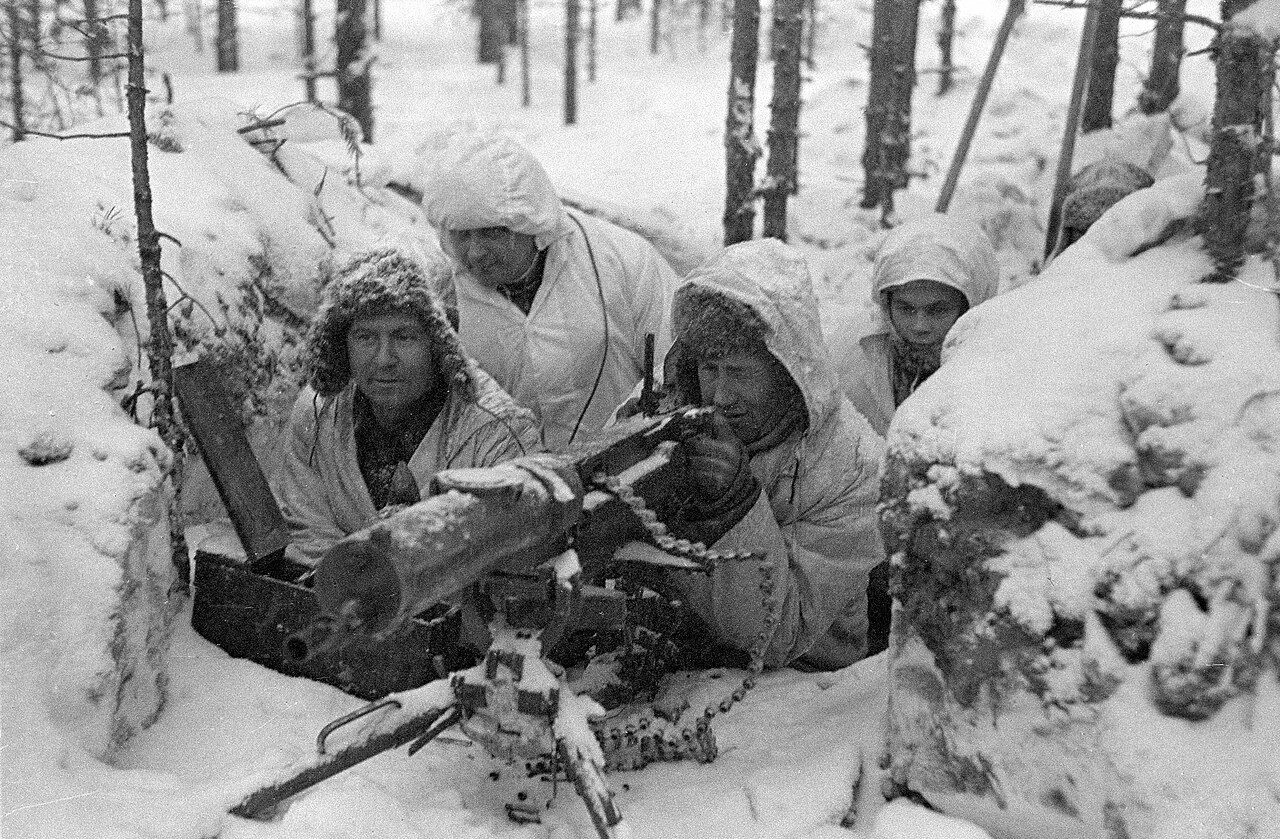
The Supreme Allied Council faces Finland
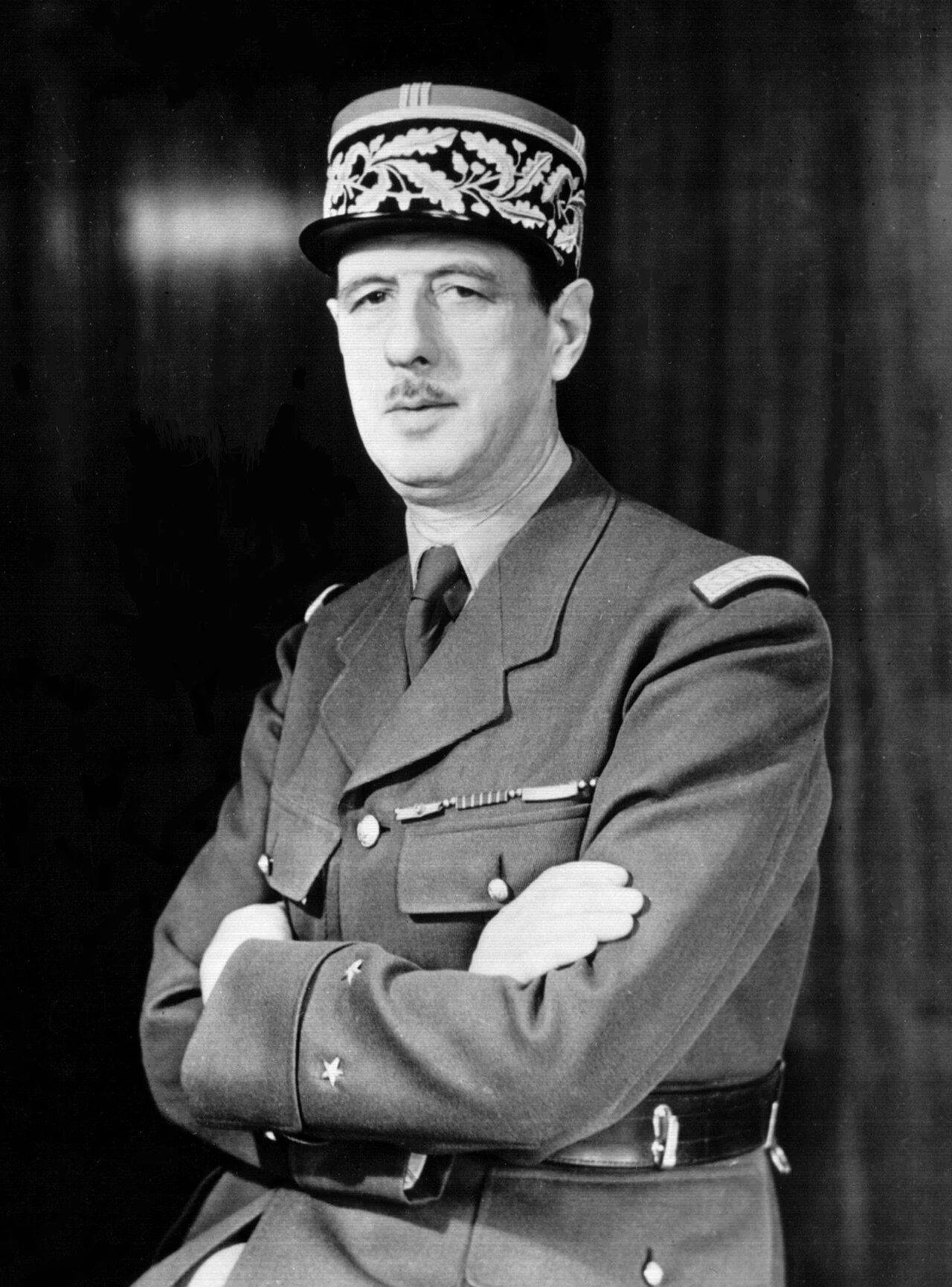
De Gaulle calls on Churchill — 9 June
The Belgrade coup
The New Fourth Army Incident
The death of Metaxas — Athens
Bombing London — and the reply on Berlin
Auchinleck replaces Wavell
Baku in the crosshairs — Operation Pike
The Capitulation of 28 May
Catroux and Tokyo's pressure on Indochina
The Supreme Allied Council faces Finland