
The RAF Bombs Germany
In the spring of 1940, after the German bombing of Rotterdam and the invasion of the Netherlands and Belgium, the United Kingdom stands before a threshold: should it in turn carry the air war onto German soil, and under what doctrine of strategic bombing?
The British command had to choose its targets and its method. To strike strictly military and industrial objectives (factories, refineries, railways, communication hubs, the industries of the Ruhr), in accordance with the laws of war, despite the imprecision of bombing at the time. To extend the campaign to cities in order to break German morale, in reprisal for the bombing of Warsaw and Rotterdam, and soon British cities. Or to limit the raids so as to preserve forces and avoid escalation.
The issue was as much moral as strategic: where to draw the line between a military target and the civilian population, when precision was lacking and the logic of reprisal was taking hold? The decision taken in this spring of 1940 would set the starting point of a doctrine destined to weigh on all the rest of the war.
Should Bomber Command target military objectives alone, extend the campaign to cities, or limit the raids?
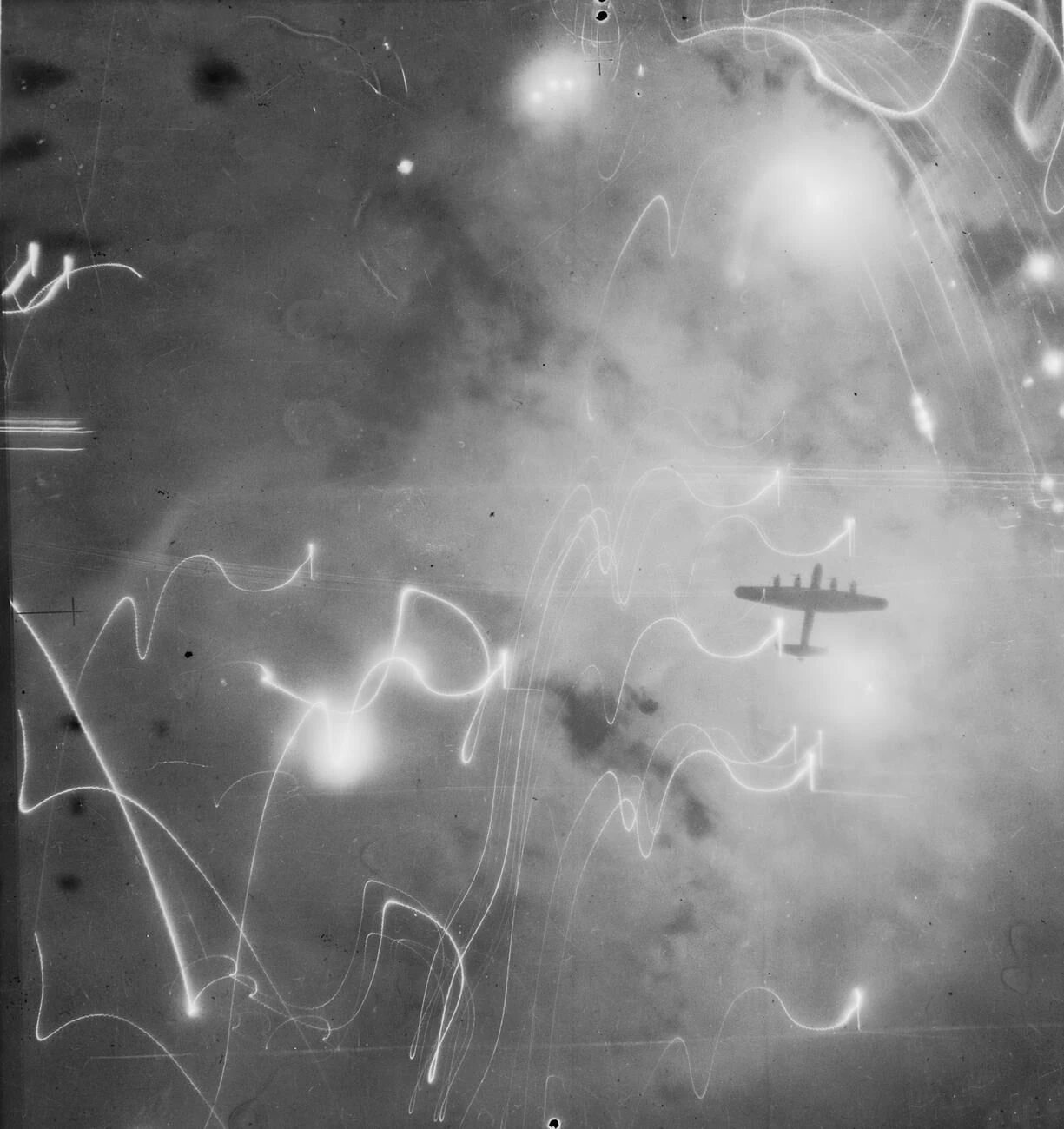
The RAF began with B: from 15 May 1940, Bomber Command targeted German industrial and military objectives (the Ruhr, refineries, transport). But the imprecision of night-time bombing, then the escalating logic of reprisals (after the Blitz on London in the autumn of 1940), gradually shifted the doctrine towards the area bombing of German cities, which would culminate in the following years (Hamburg, Dresden). The threshold crossed in May 1940 thus opened one of the most controversial dimensions of the war: the spiralling extremes of strategic bombing, in which the boundary between military target and civilian population was gradually erased, on both sides. A vicious cycle set in motion as early as 1940.
Learn more about this event
Related polls
10
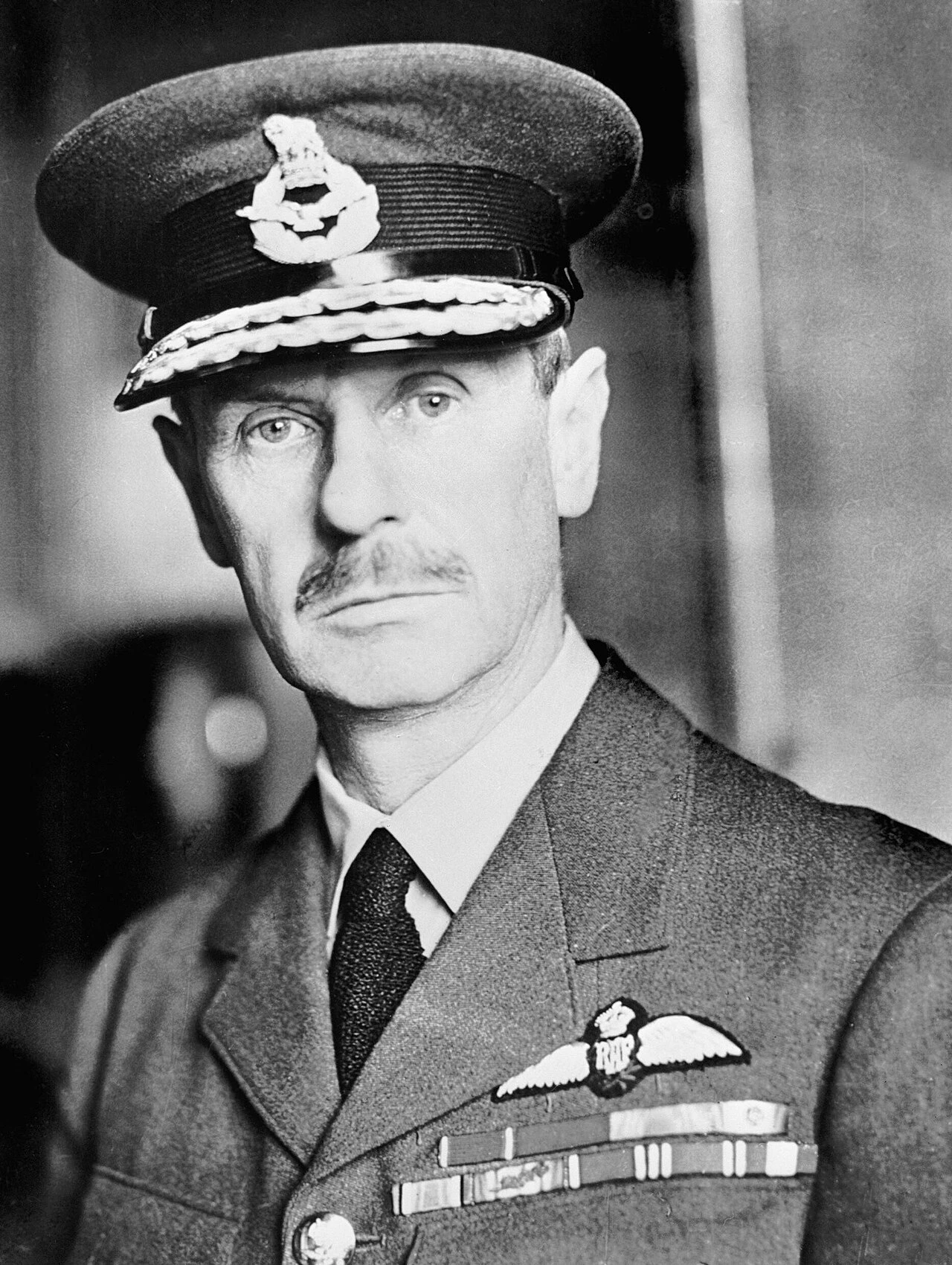
Dowding and the fighters
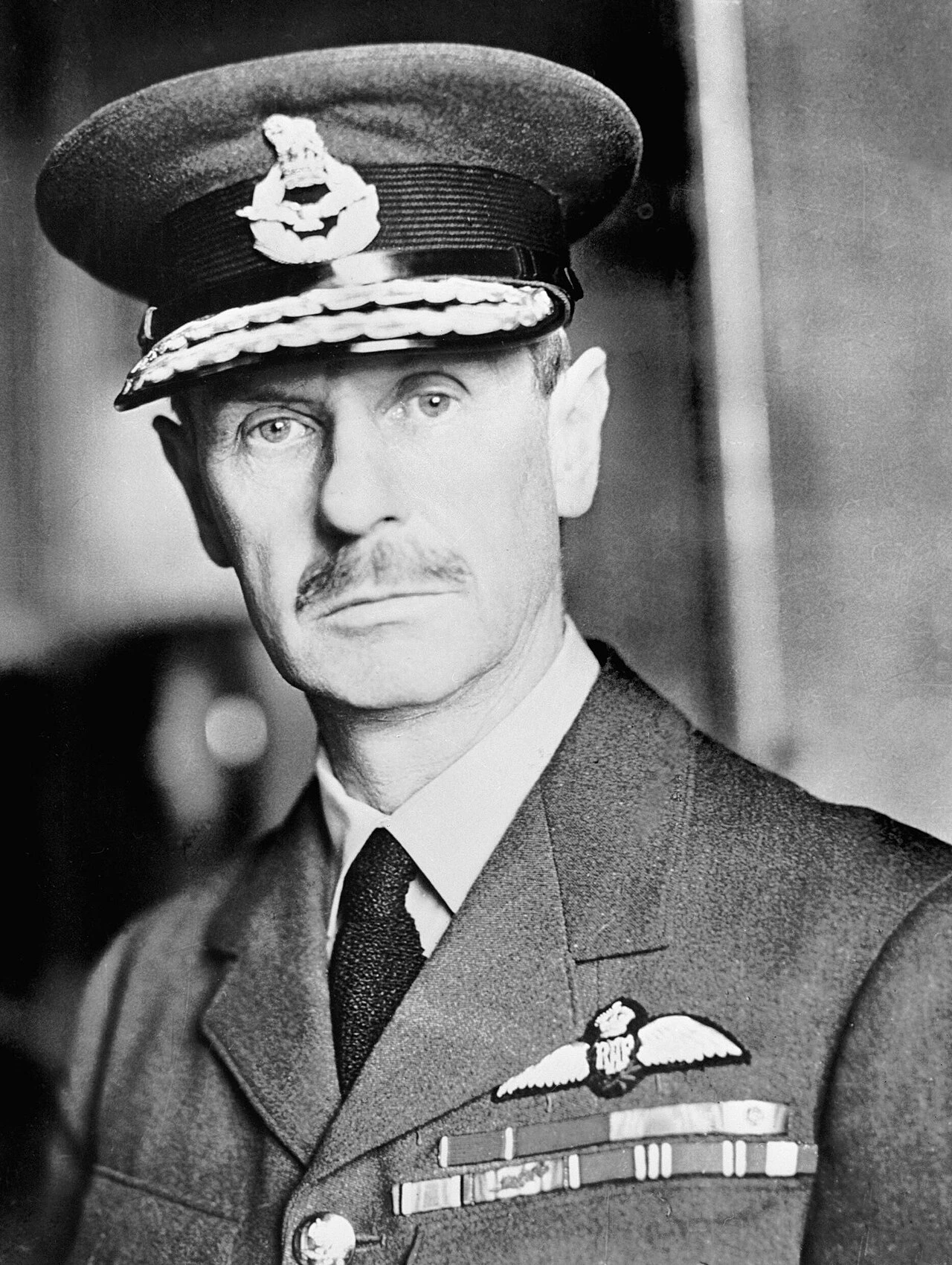
Dowding — Keep the Fighters?
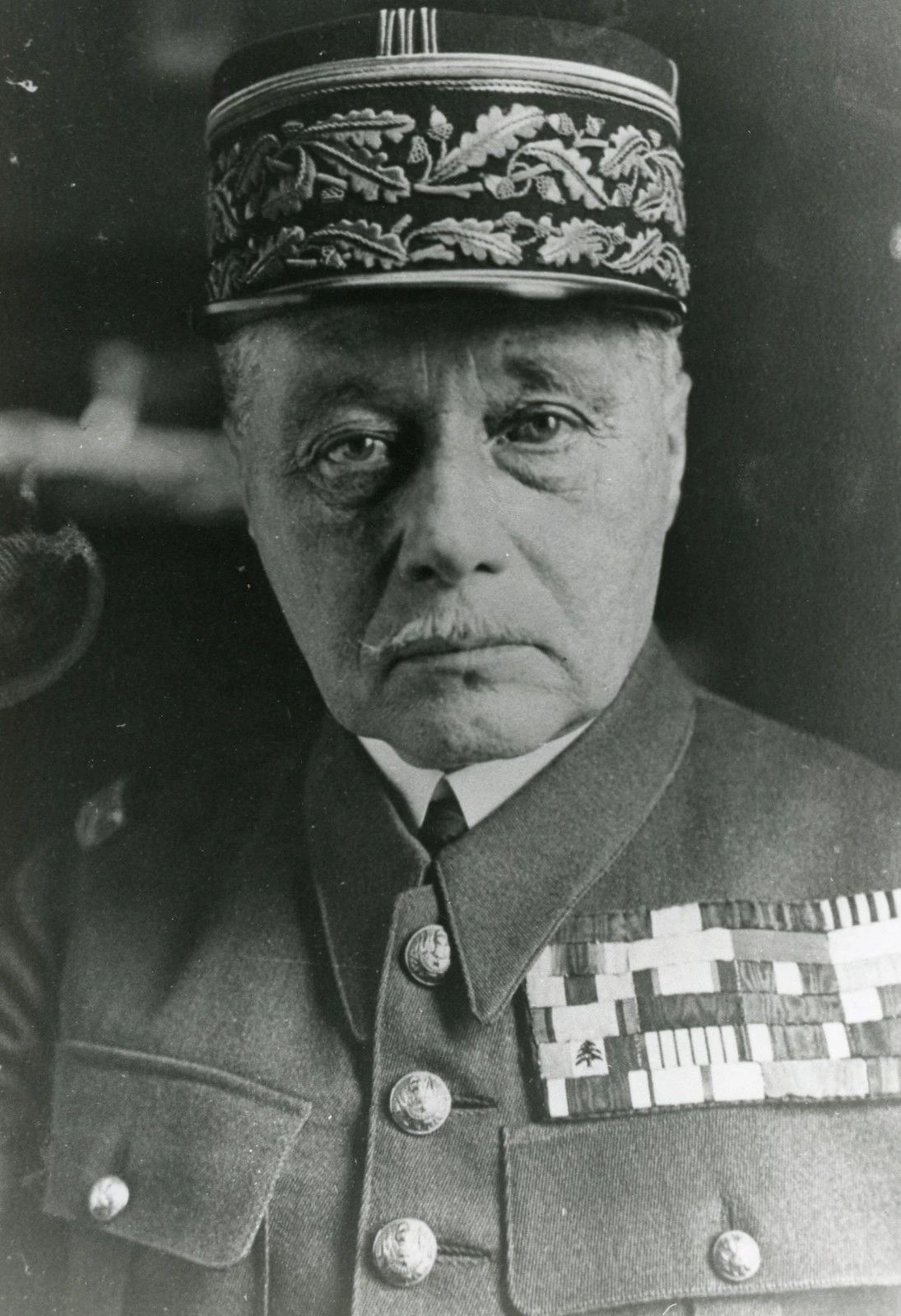
Baku in the crosshairs — Operation Pike
Bombing London — and the reply on Berlin
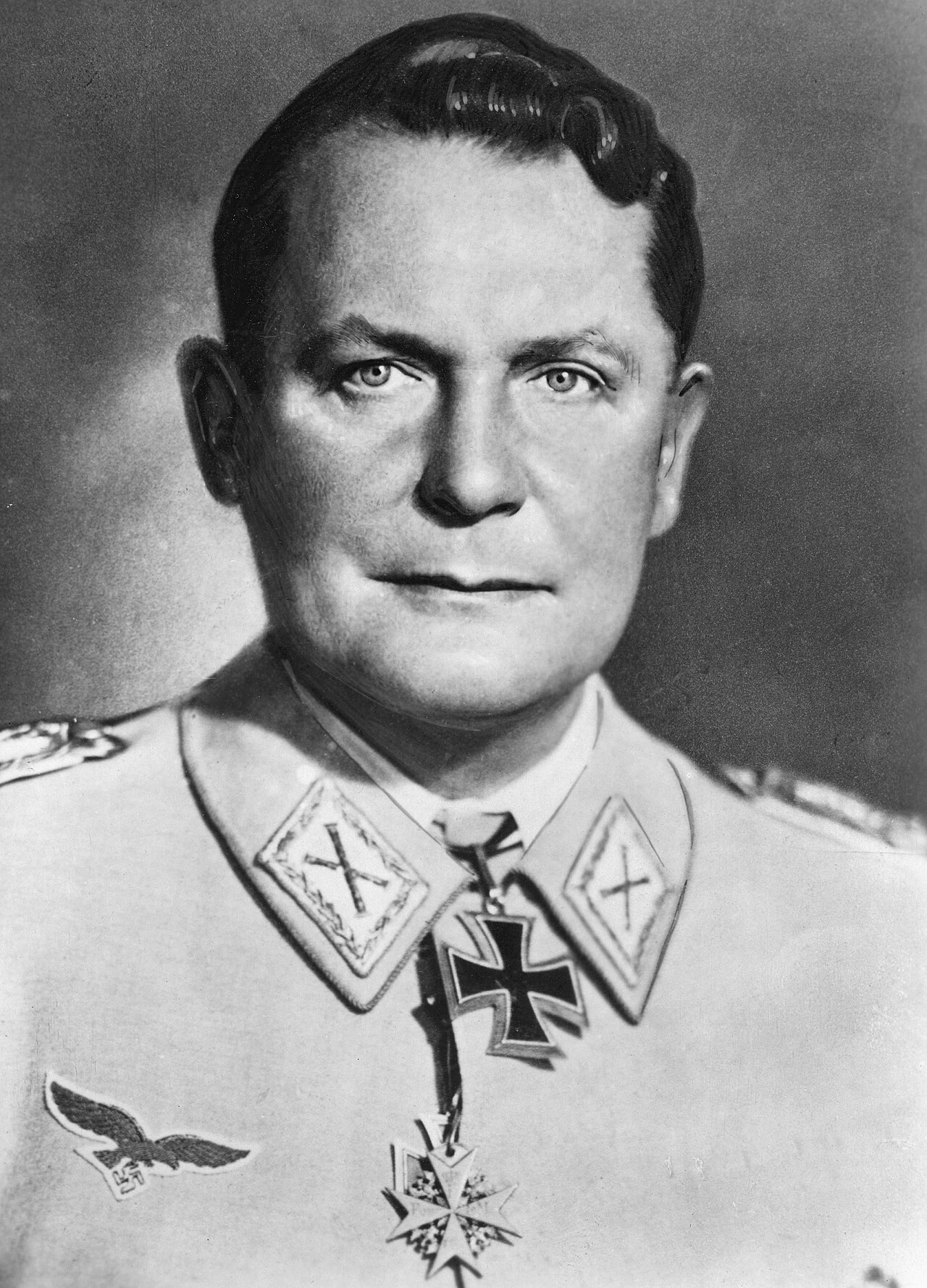
Goering at Carinhall — the promise to Hitler
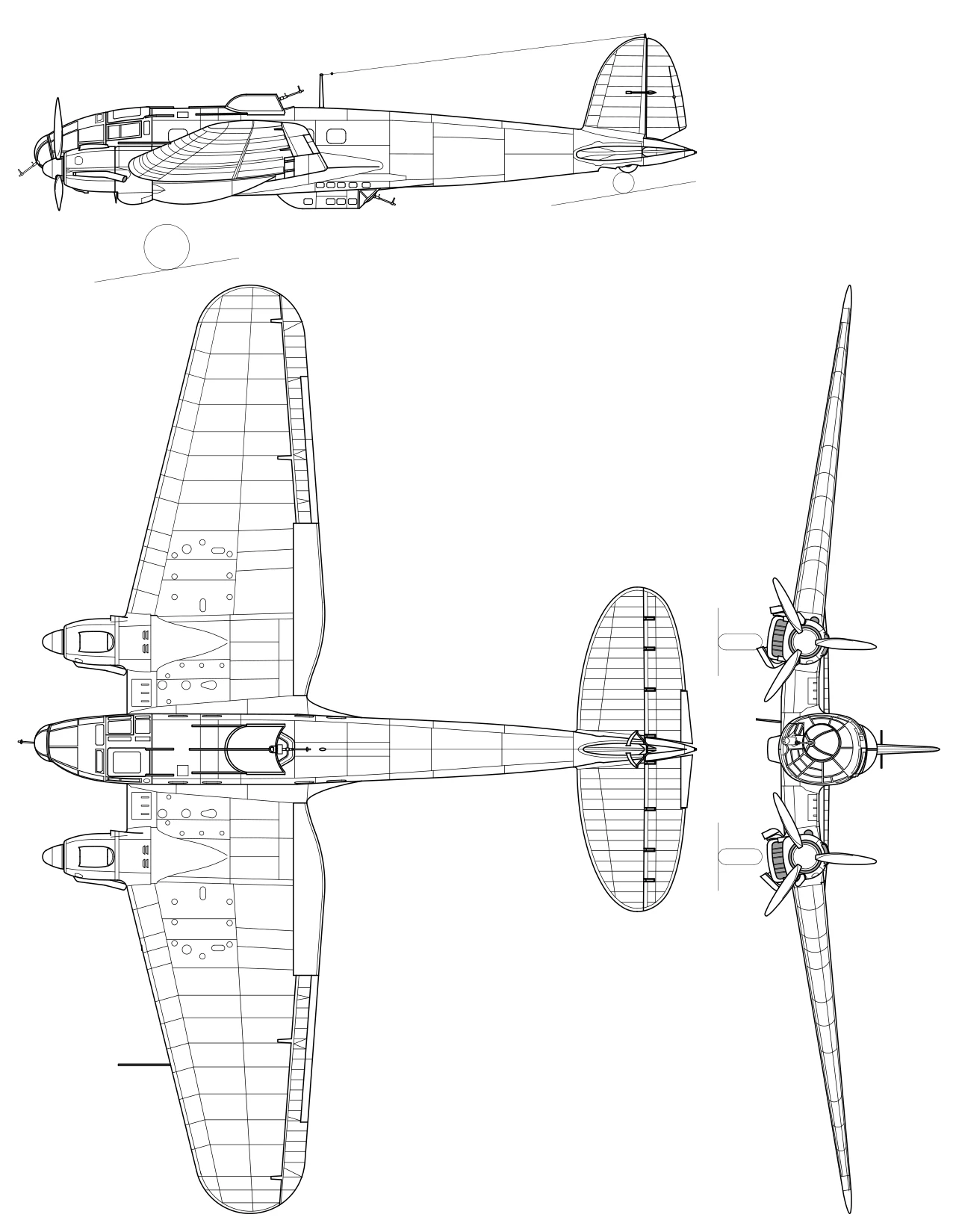
The doctrine of terror bombing
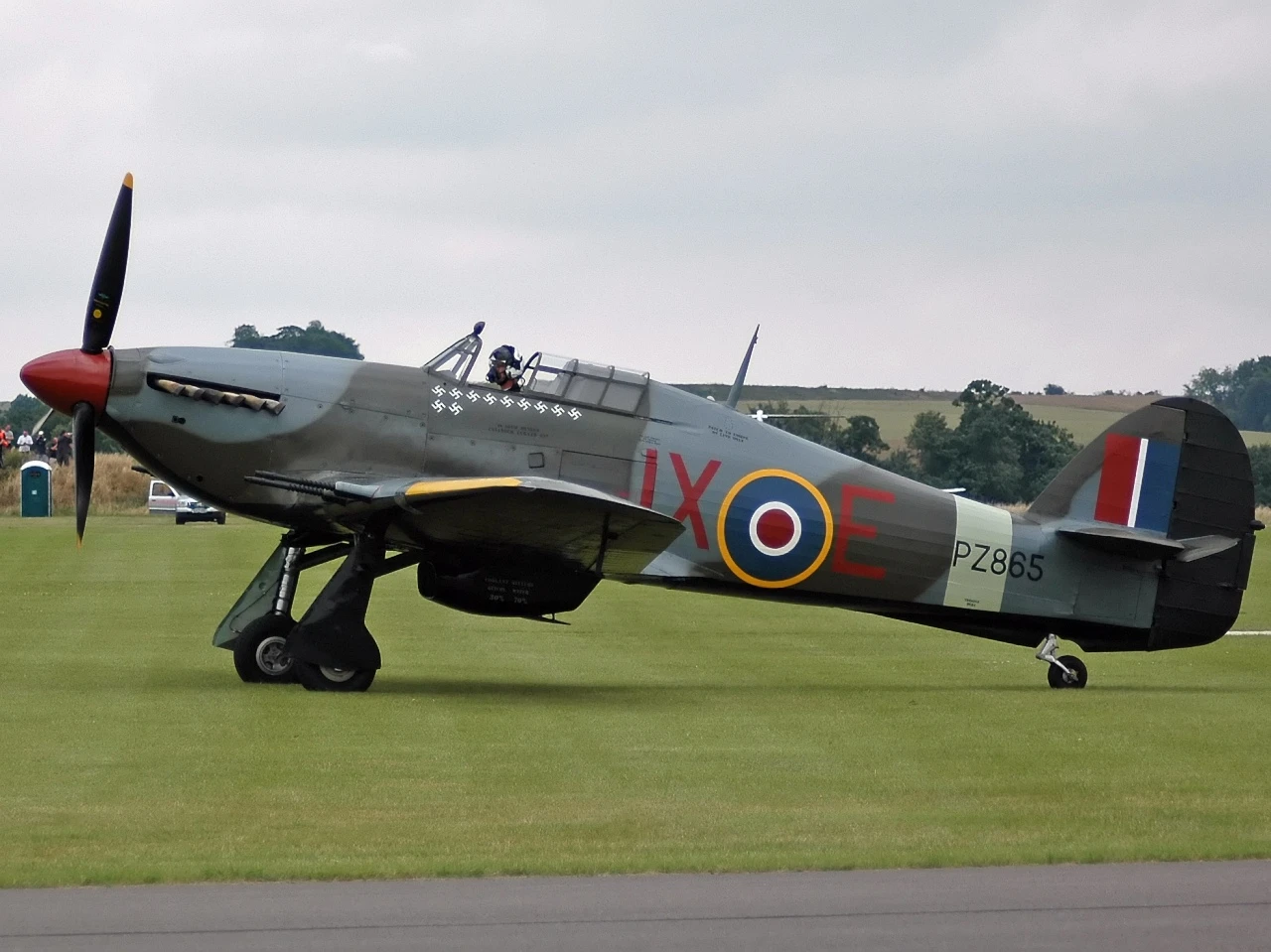
The RAF — Fighters or Bombers
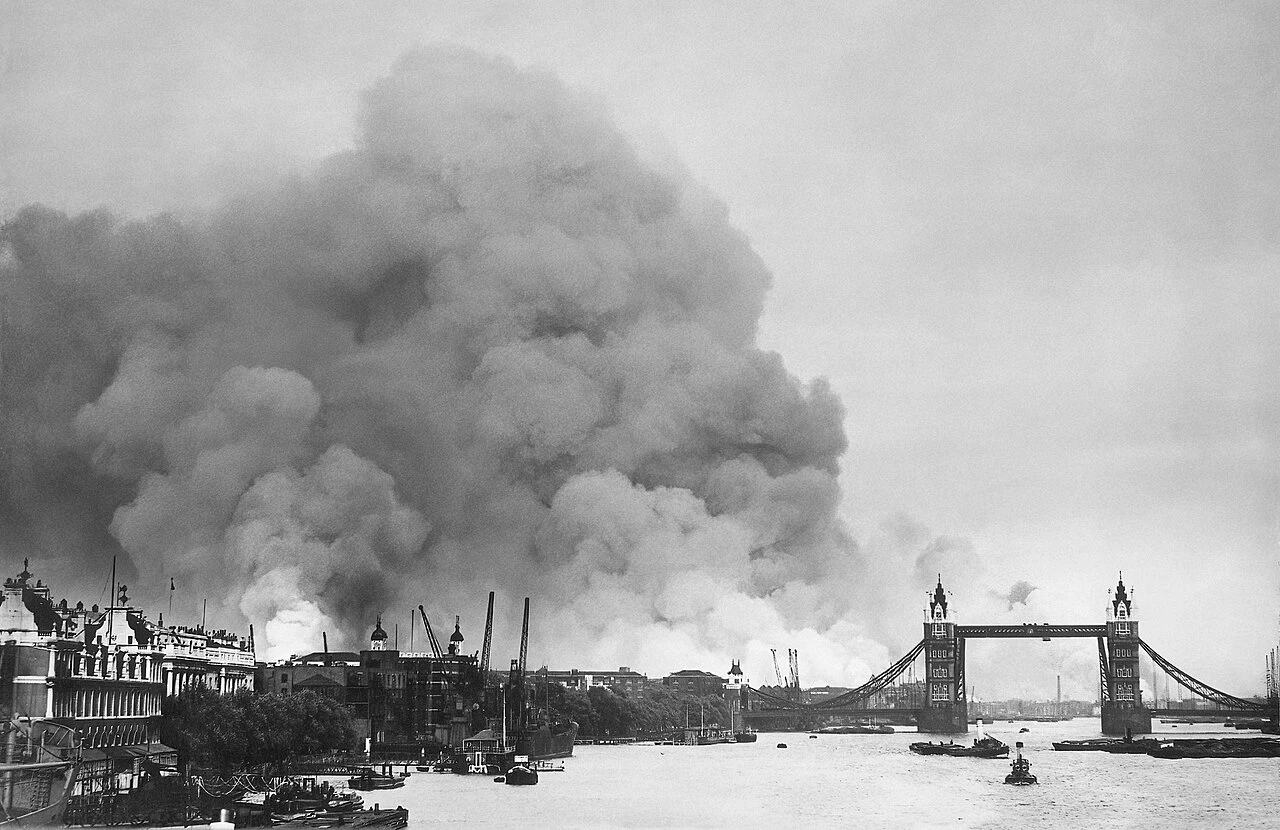
Adlertag — which targets?

The Belgian air force on the ground
The Capitulation of 28 May
Dowding and the fighters
Dowding — Keep the Fighters?
Baku in the crosshairs — Operation Pike
Bombing London — and the reply on Berlin
Goering at Carinhall — the promise to Hitler
The doctrine of terror bombing
The RAF — Fighters or Bombers
Adlertag — which targets?
The Belgian air force on the ground