
At the very moment of the tragedy of Mers-el-Kébir, another French squadron, Admiral Godfroy's , lay in the port of Alexandria, in Egypt, amid the British fleet of Admiral Cunningham. As elsewhere, the British wanted to ensure that these ships would not fall into Axis hands.
But the situation differed from that of Oran: the two squadrons lay side by side in the same port, their admirals knew and esteemed one another. To resort to force would unleash a fratricidal slaughter in confined waters. Godfroy and Cunningham had to find a way out.
The options were the same as at Mers-el-Kébir, but the context invited restraint. To negotiate a peaceful neutralisation (disarming of the French ships on the spot, without combat). To resort to force if no agreement were found, as at Oran. Or to let put to sea towards a French port, at the risk of it joining the Axis. Which path will the two seamen follow?
Should a peaceful neutralisation be negotiated at Alexandria, force be resorted to, or Force X be allowed to put to sea?
At Alexandria, it was C that prevailed: Godfroy and Cunningham, through patient dialogue, reached an agreement of peaceful neutralisation. was disarmed on the spot (fuel offloaded, vital parts removed), without a shot fired, and its crews remained at Alexandria. The contrast with the carnage of Mers-el-Kébir (nearly 1,300 dead) is striking: it shows that a negotiated outcome was possible and that the esteem between seamen averted a second tragedy. Alexandria remains the example of a crisis defused by composure, where Oran was settled by force. The two fleets would await, neutralised, the further course of the war.
Learn more about this event
Related polls
10
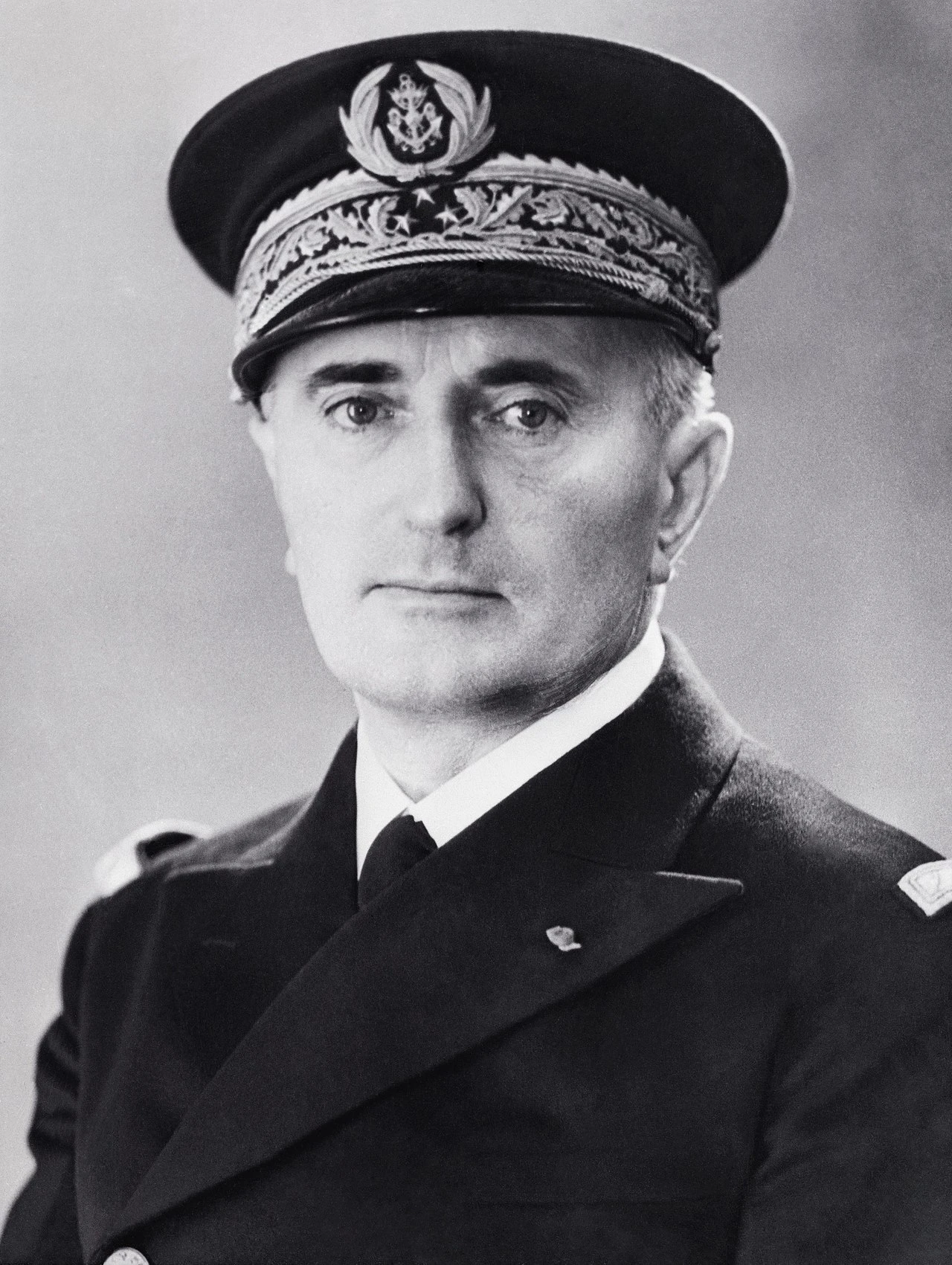
Darlan and the fleet — 20 June
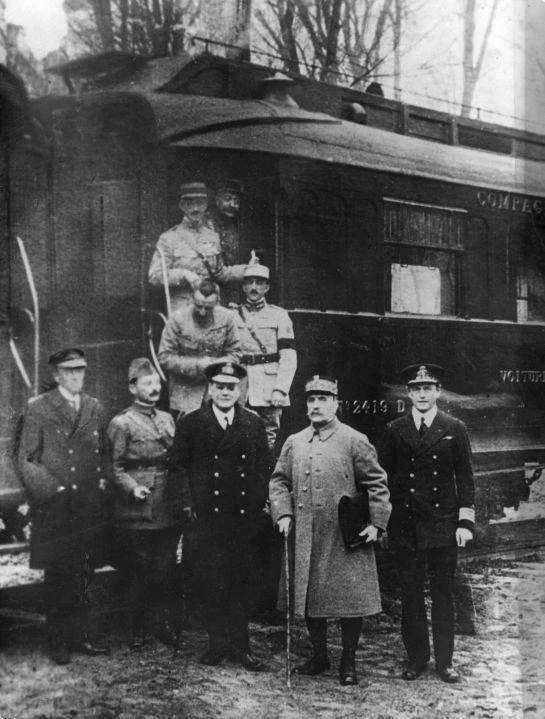
Rethondes — Article 8 on the Fleet
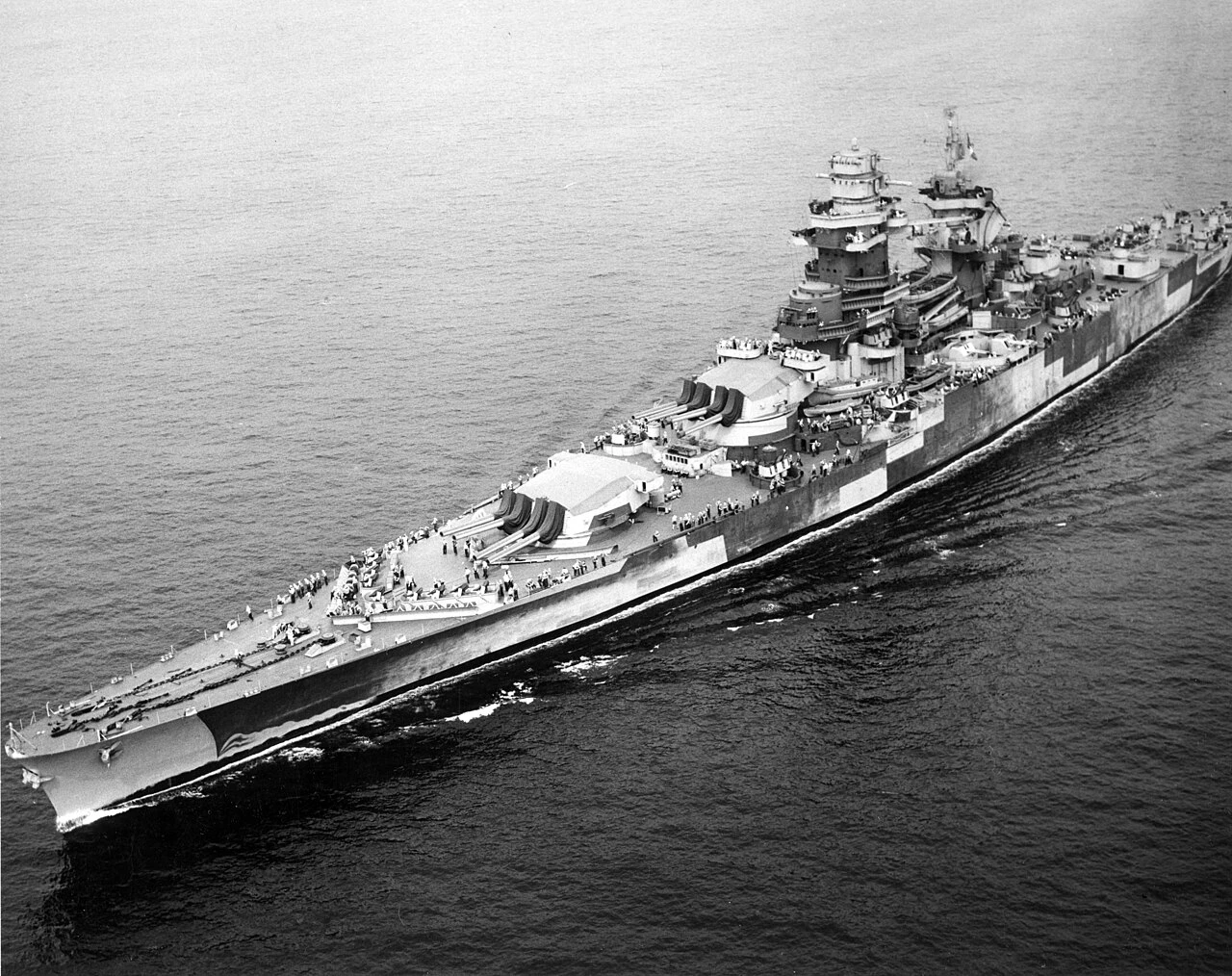
Boisson Faces the Squadron — Dakar, 23 September 1940
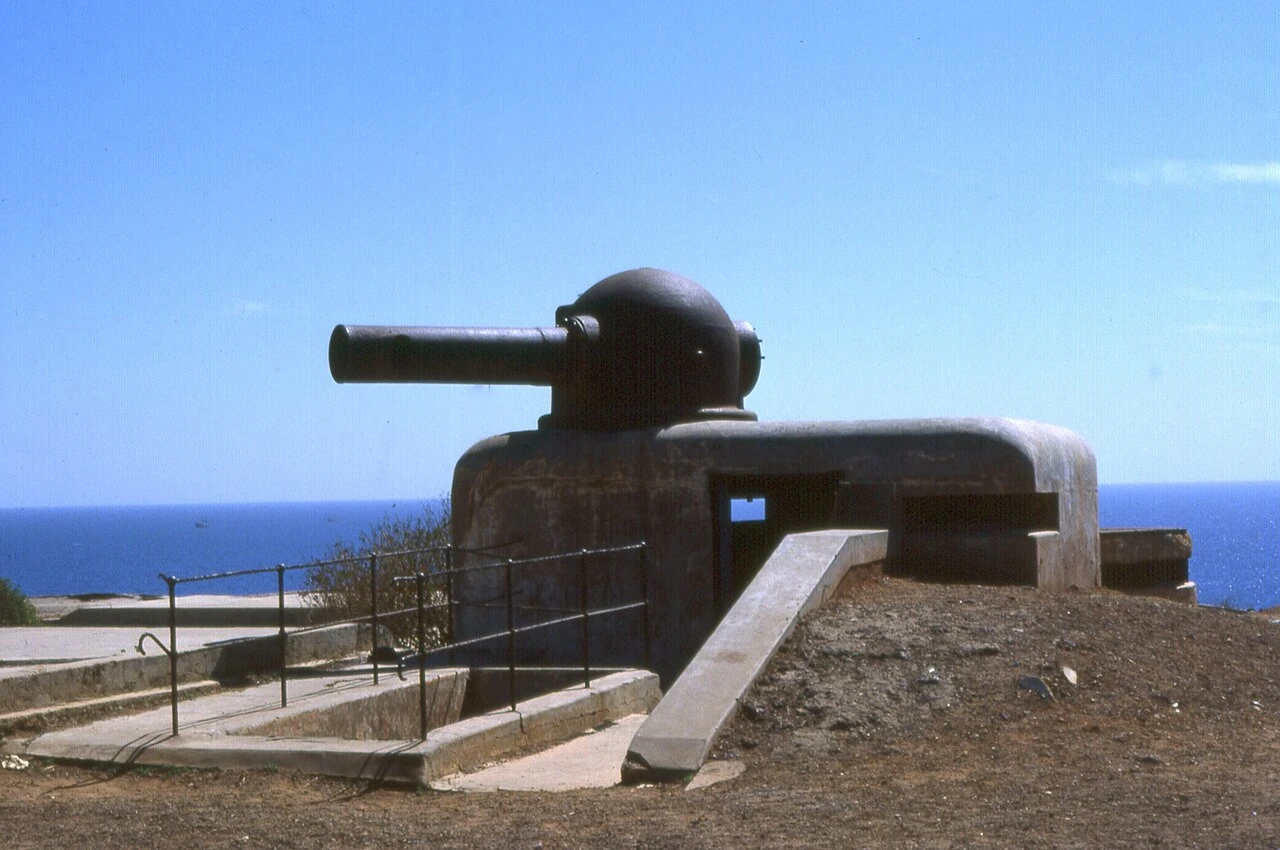
Dakar — de Gaulle and Operation Menace
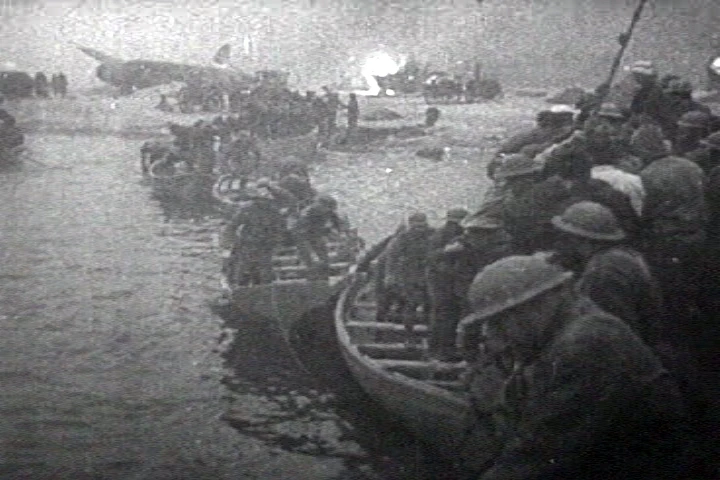
Ramsay — Dover, 14:23
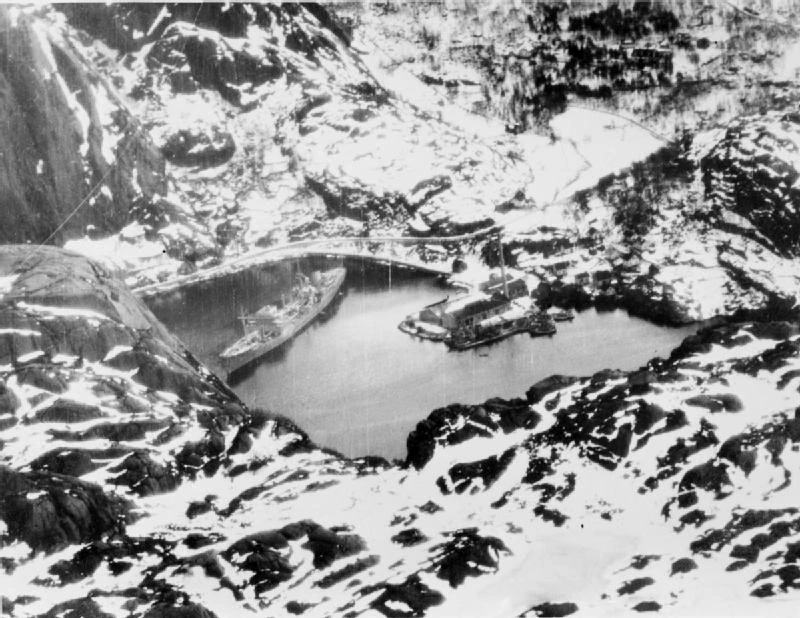
The Altmark affair
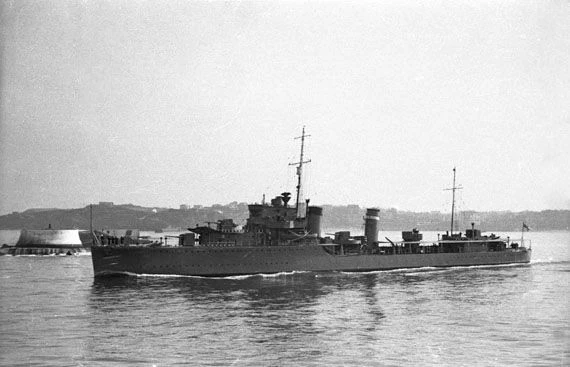
HMS Exmouth in the Moray Firth
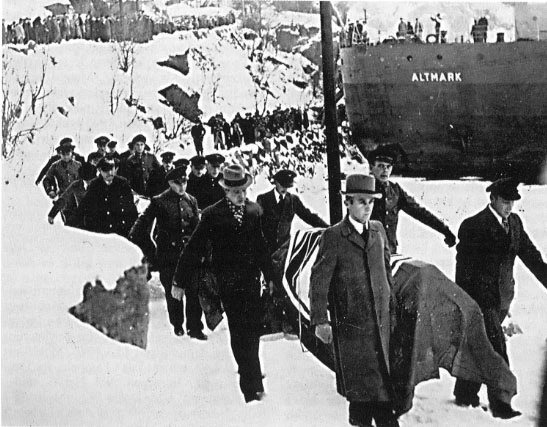
Vian in the Jøssingfjord
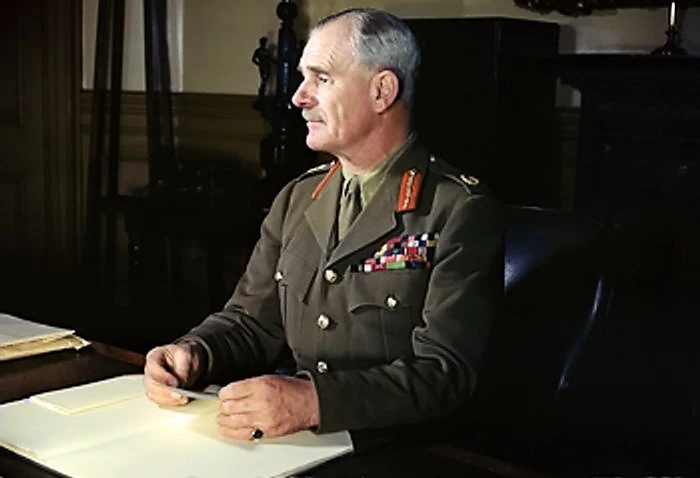
Wavell and the 'butcher's bill'
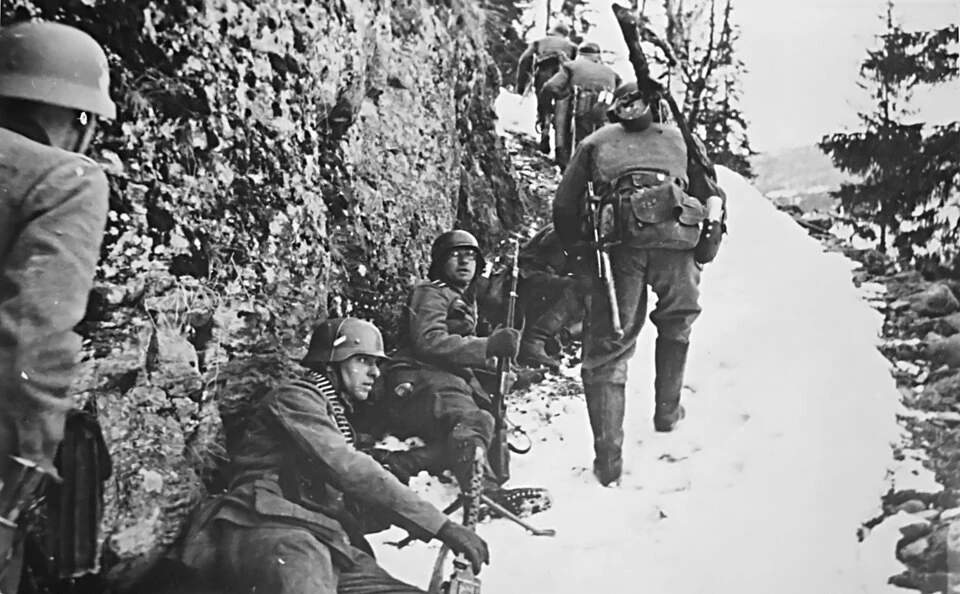
Weserübung — directive of 1 March
Darlan and the fleet — 20 June
Rethondes — Article 8 on the Fleet
Boisson Faces the Squadron — Dakar, 23 September 1940
Dakar — de Gaulle and Operation Menace
Ramsay — Dover, 14:23
The Altmark affair
HMS Exmouth in the Moray Firth
Vian in the Jøssingfjord
Wavell and the 'butcher's bill'