
The Kanalkampf — withdraw the destroyers?
In late July 1940, the British Admiralty faces a dilemma in the Strait of Dover. Since the start of the month, the Luftwaffe has opened the Kanalkampf — the 'Channel battle' — prelude to any invasion: it strikes the coastal convoys hugging the English shore and the warships based at Dover, within easy reach of the German airfields installed in occupied France.
Losses mount. On 25 July, 's attacks a convoy in the Strait with the support of light naval units; repulsed by day, it returns at night, and the convoy loses 11 of its 21 ships. Royal Navy destroyers, indispensable for escorting convoys and, above all, for breaking up any future invasion fleet, become too exposed in broad daylight in these narrow waters.
Maintaining daytime coastal traffic feeds the economy and asserts control of the Channel, but under a rain of bombs. Withdrawing the destroyers from Dover by day means effectively conceding daytime mastery of the Strait to the Luftwaffe. The Admiralty must choose.
Do you withdraw the destroyers from the Strait of Dover by day, ceding the Channel to the Luftwaffe — or keep coastal convoys running under the bombs?
The Admiralty applies A. On 26 July it bans any vessel from passing Dover by day; on 28 July the destroyers are withdrawn from Dover to Portsmouth, and the whole eastern half of the Channel becomes off-limits to British destroyers in daylight. The minesweepers, however, continue their work to keep the channel open if needed. On the German side, it is seen as 'a significant success' raising hopes of dominance over the Strait in daylight hours. But the essential escapes the Luftwaffe: the Royal Navy, which would have to be crushed before any landing, remains intact. Failing to neutralise this fleet, and lacking air superiority, Operation Seelöwe ('Sea Lion'), the planned invasion of England, will eventually be postponed and then abandoned in autumn 1940.
Learn more about this event
Related polls
10
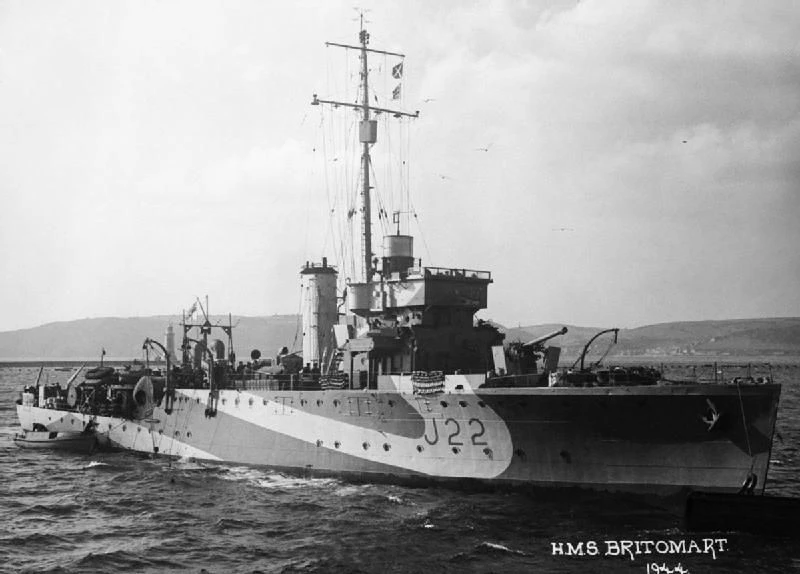
HMS Sphinx at Kinnaird Head
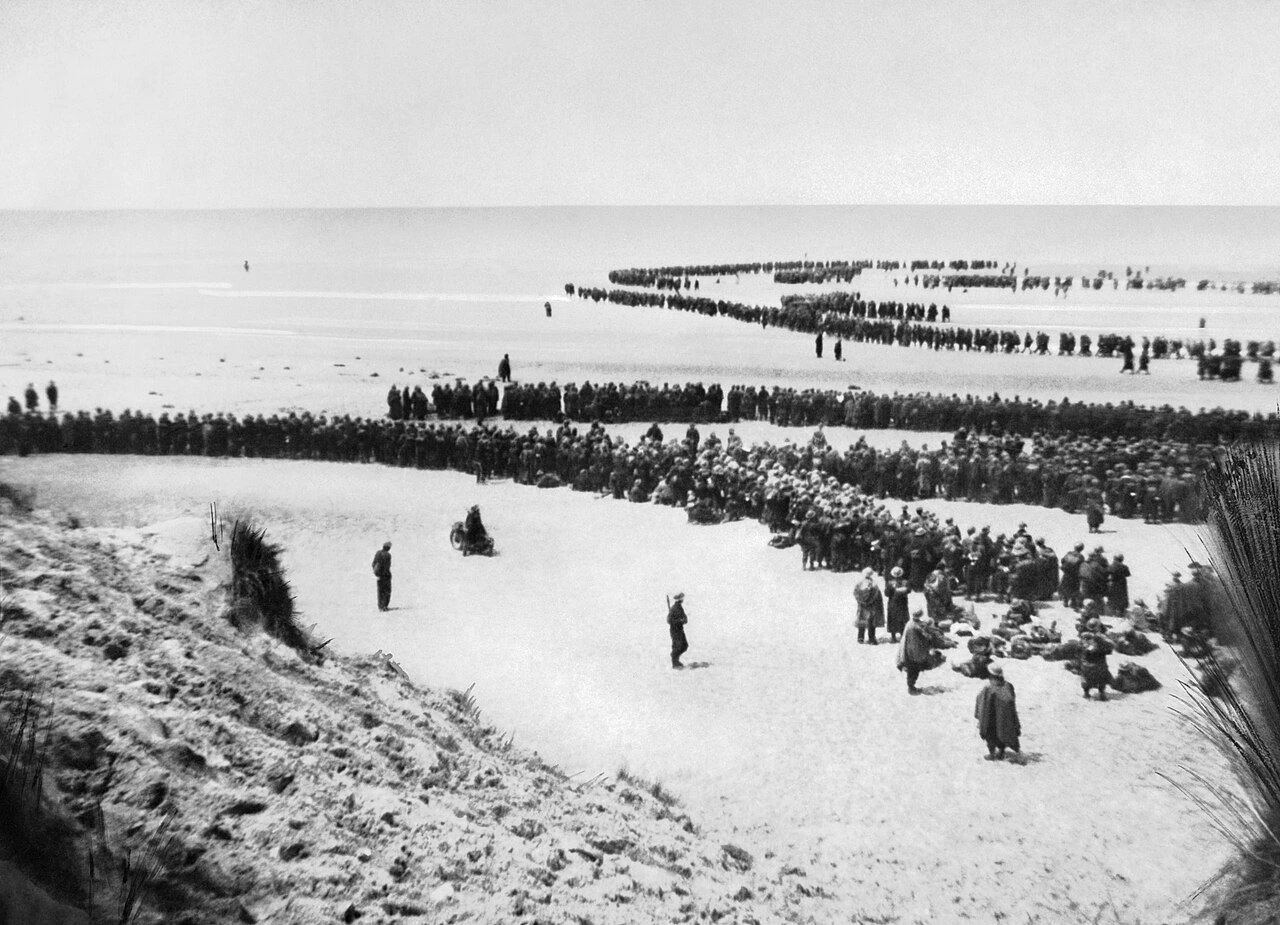
Ramsay at Dover Castle — Dynamo
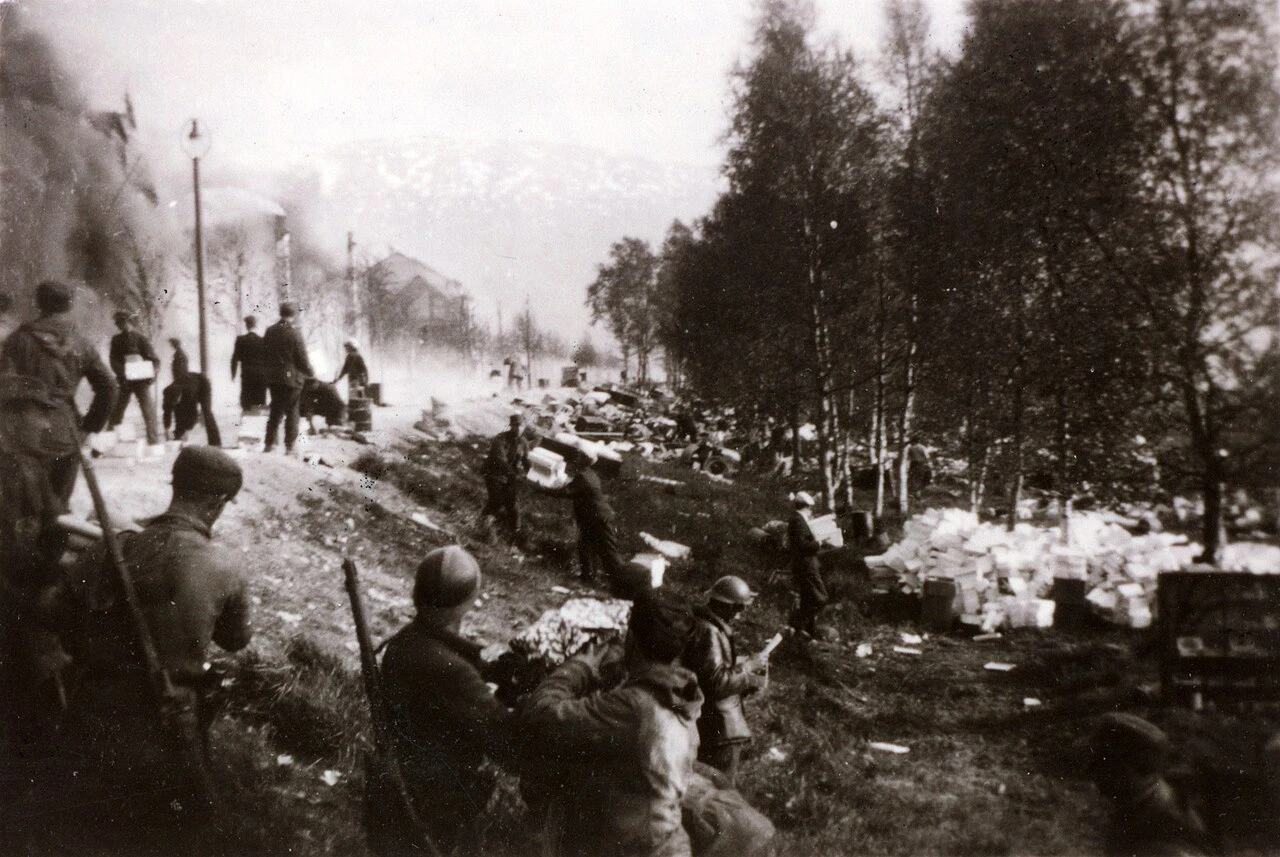
Narvik — the Allied withdrawal
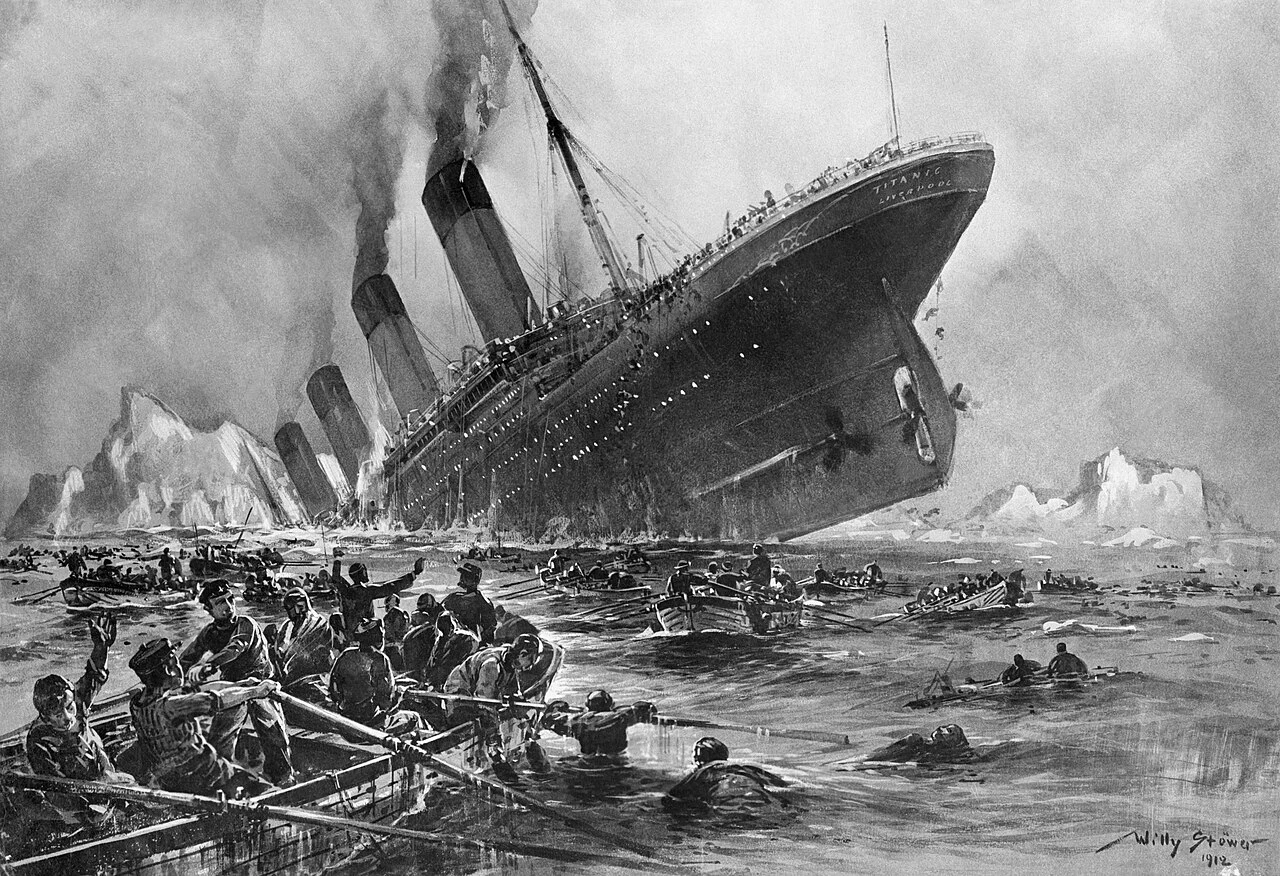
The Sinking of the Lancastria
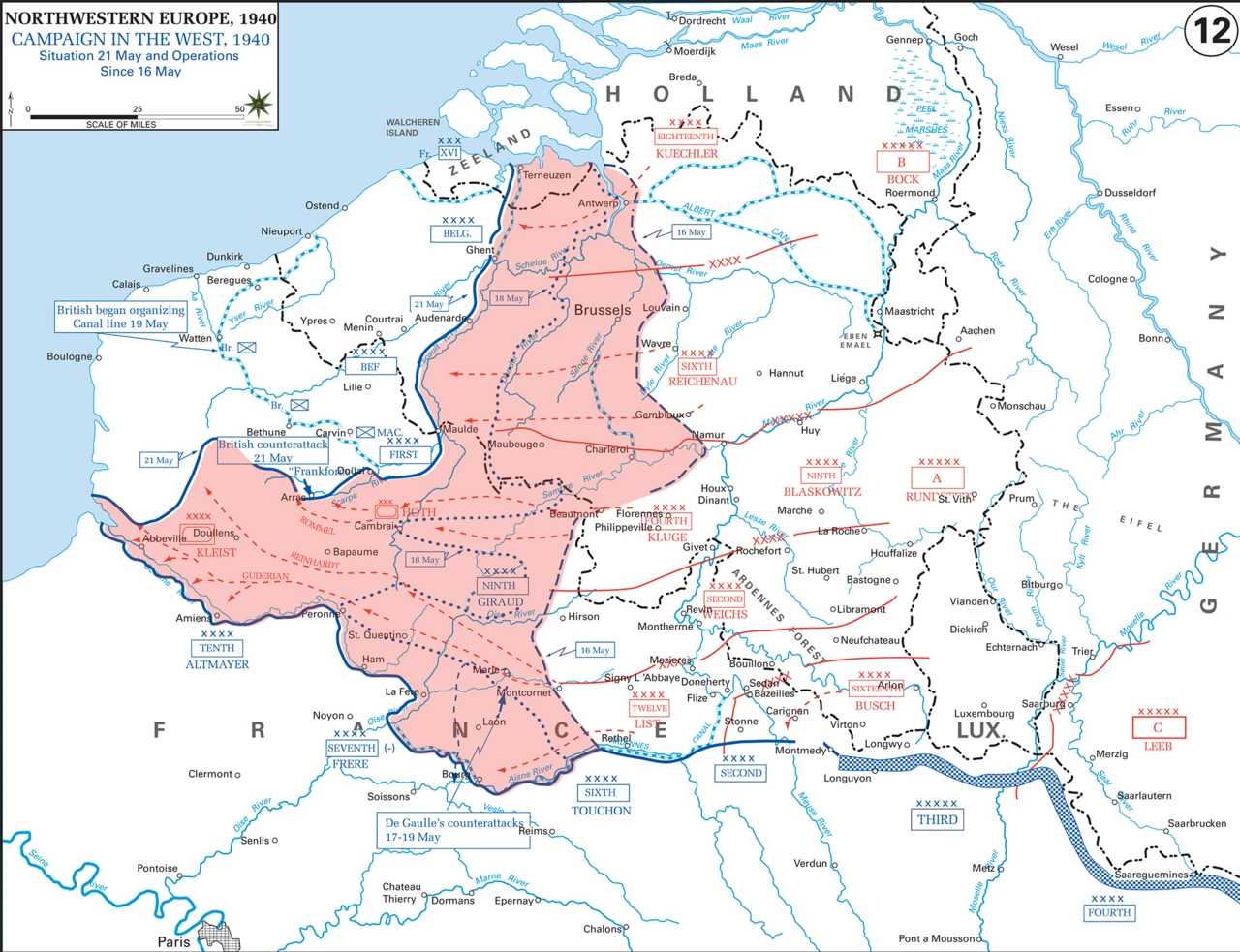
Boulogne — Fox-Pitt and the Guards facing the port
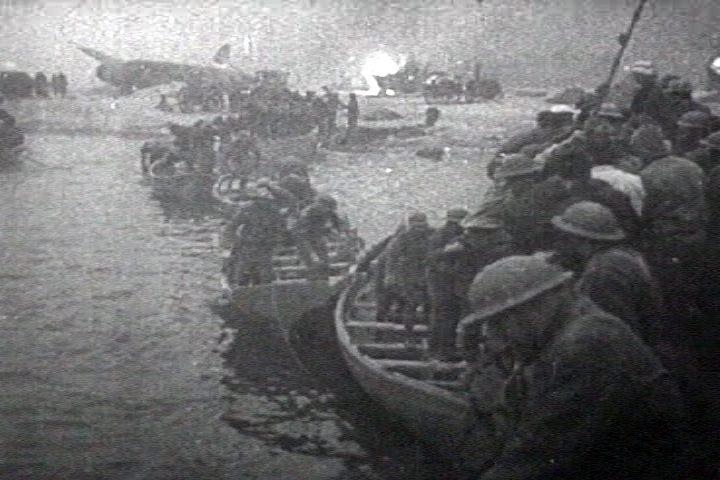
Dunkirk — Tennant and the devastated port
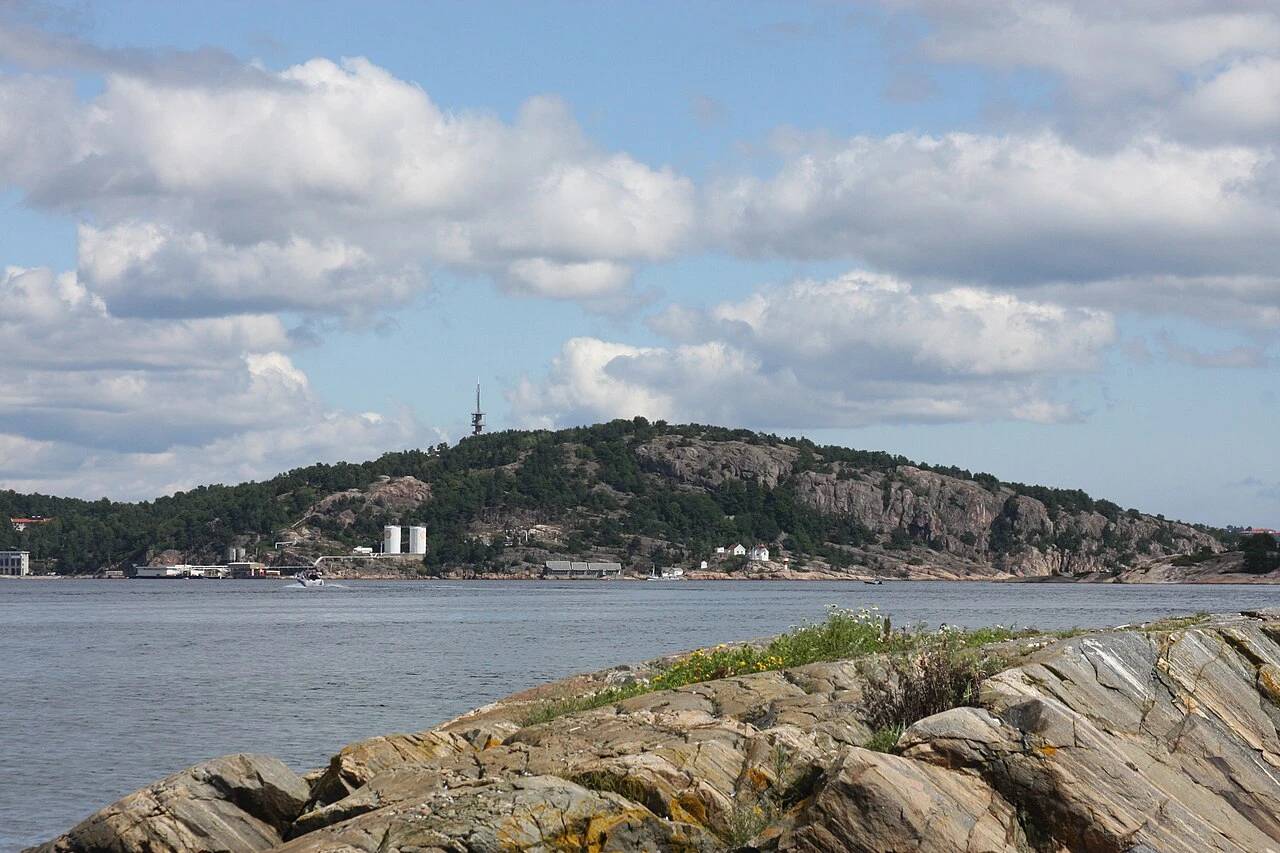
Odderoya — an identity in the mist
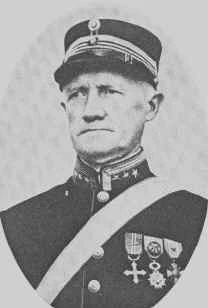
Oscarsborg — the intruder in the Oslofjord
The Polish Pilots of 303 Squadron
The Uxbridge plotter
HMS Sphinx at Kinnaird Head
Ramsay at Dover Castle — Dynamo
Narvik — the Allied withdrawal
The Sinking of the Lancastria
Boulogne — Fox-Pitt and the Guards facing the port
Dunkirk — Tennant and the devastated port
Odderoya — an identity in the mist
Oscarsborg — the intruder in the Oslofjord
The Polish Pilots of 303 Squadron