
Joining the free air forces
At the rout, Belgian and French pilots and aircrews found themselves idle, their air forces scattered or destroyed. Some, refusing defeat, considered reaching England to continue the fight in the ranks of the RAF or the free air forces — at the very moment when the Battle of Britain was about to demand every available pilot.
For you, the pilot, the choice was heavy. To reach England by any means (a commandeered aircraft, a boat, a route via Spain) to enlist in the RAF, at the cost of desertion in the eyes of Vichy and of a perilous journey. To remain at home or in North Africa under the authority of Vichy, out of discipline or prudence. Or to wait for the situation to become clearer before committing yourself.
To enlist in the free air forces was to continue the war in the most decisive arm of the moment, but it was to break with one's country and one's hierarchy; to remain was to obey, but to give up the fight. The RAF was cruelly short of pilots for the battle now beginning. Which side will you take?
Should our pilot join the free air forces in England, remain under Vichy, or wait?
A determined minority chose B: Belgian and French pilots, along with Poles, Czechs and others from occupied nations, joined the RAF and took part, from the summer of 1940, in the Battle of Britain, where the shortage of pilots was critical. The foreign squadrons (including the famous Polish units) would play a notable role there. On the Belgian side, airmen joined the RAF and then, later, Belgian squadrons; on the French side, these were the beginnings of the Free French Air Forces. These commitments, individual and risky (Vichy regarded them as deserters), fed the Allied effort at the decisive moment and founded the legend of the pilots of Free France and Free Belgium.
Learn more about this event
Related polls
10
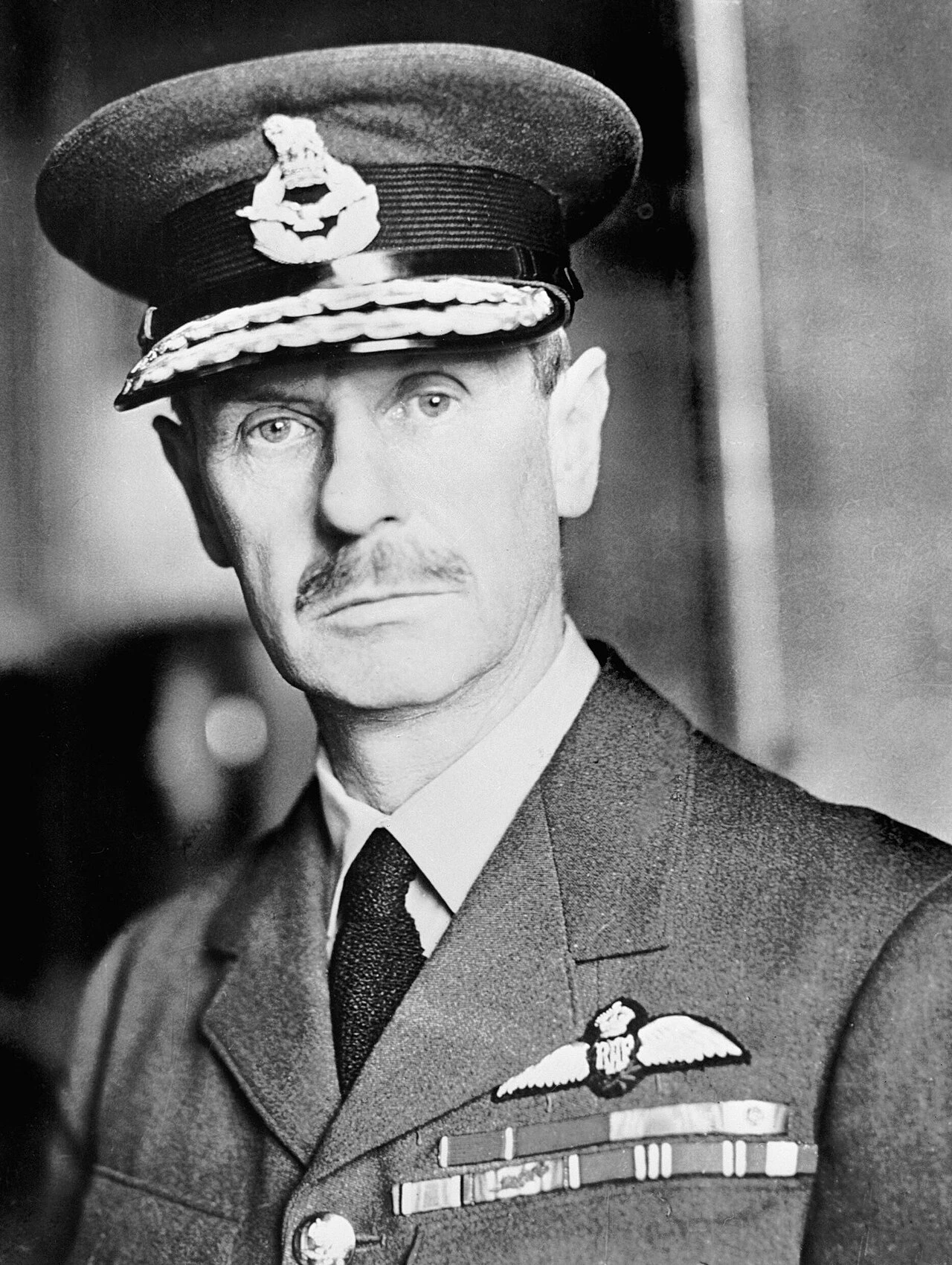
Dowding — Keep the Fighters?

The French in London — Who Joins?
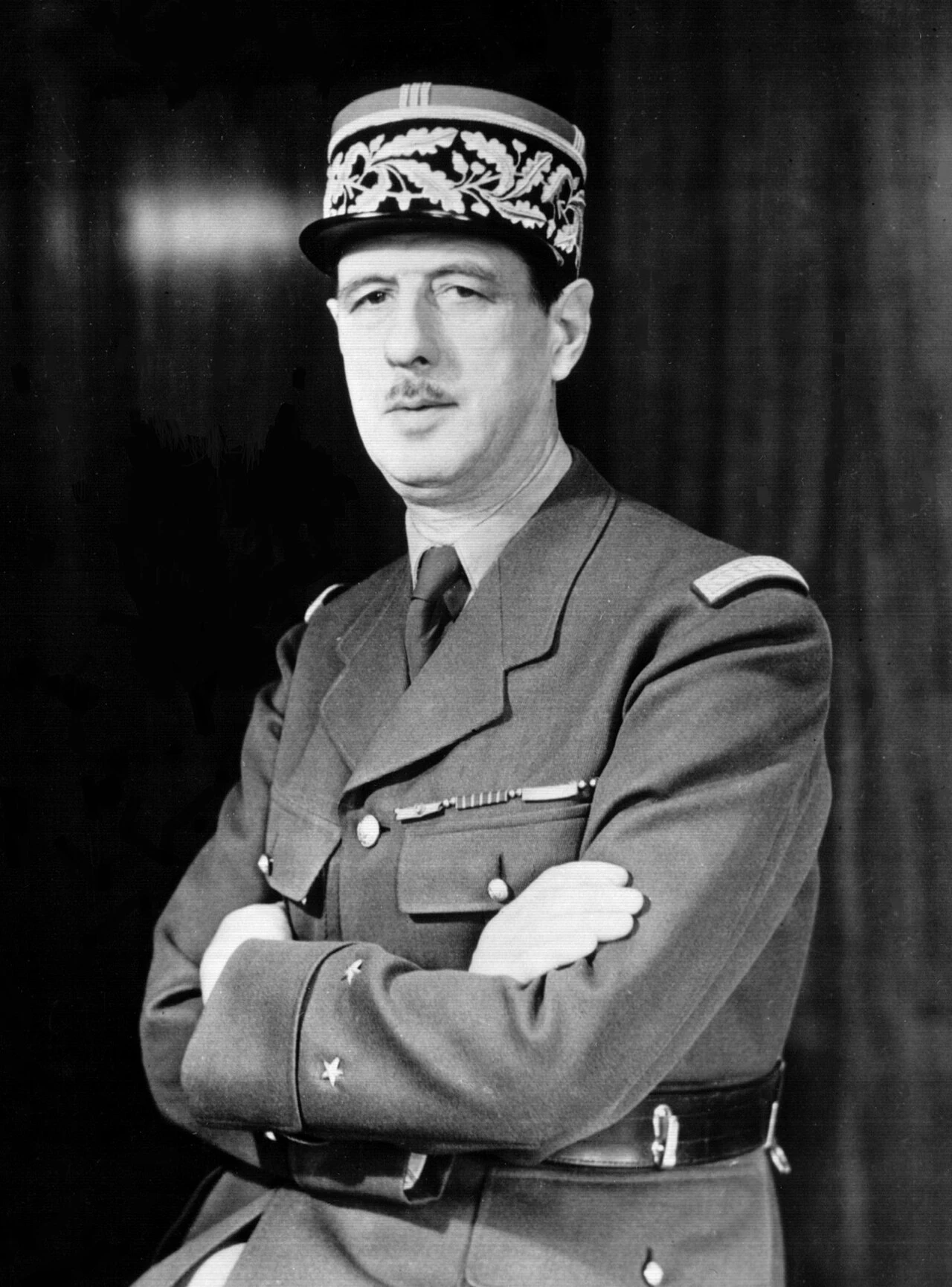
De Gaulle at the BBC microphone — 18 June, 18:00
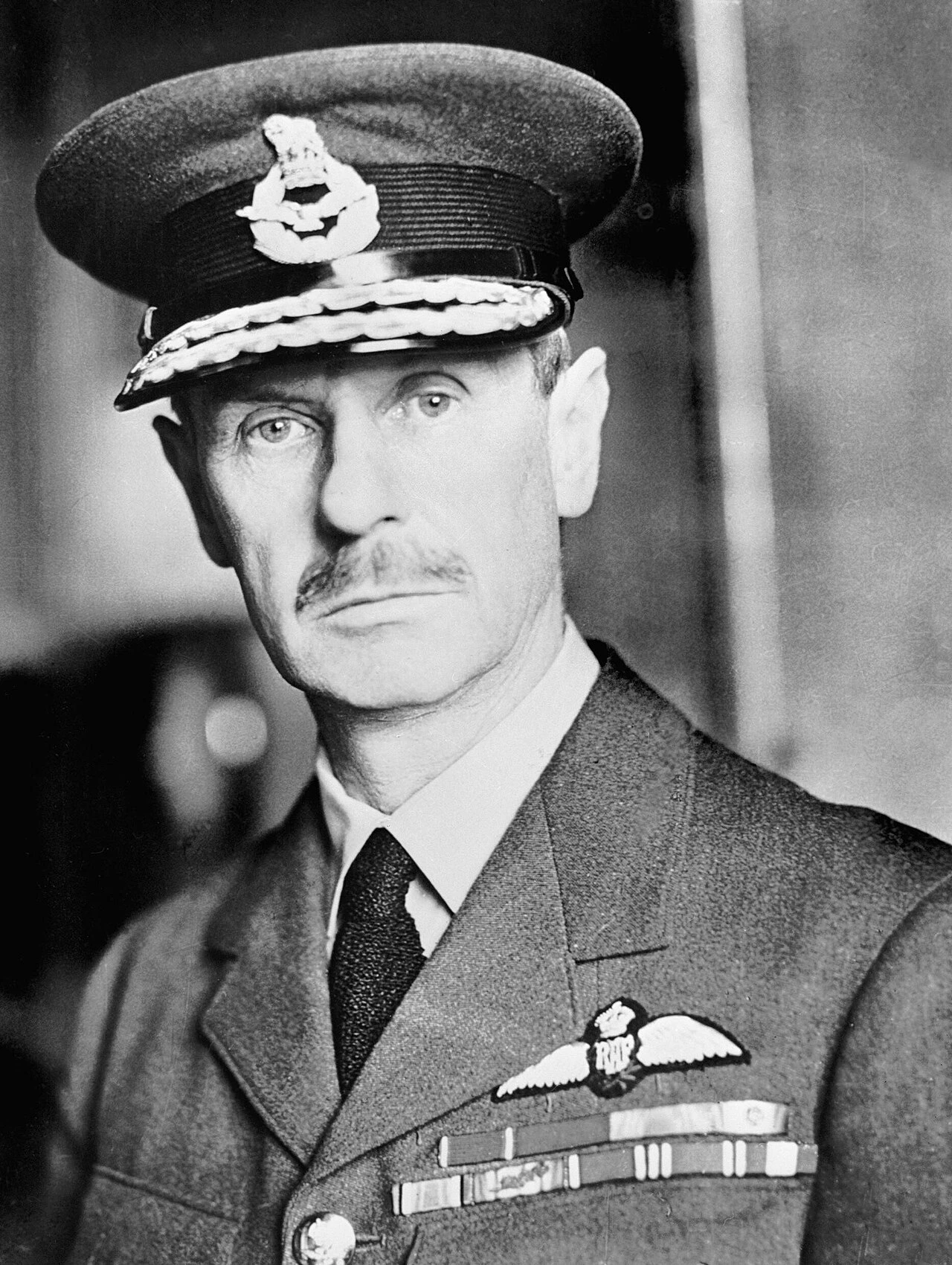
Dowding and the fighters
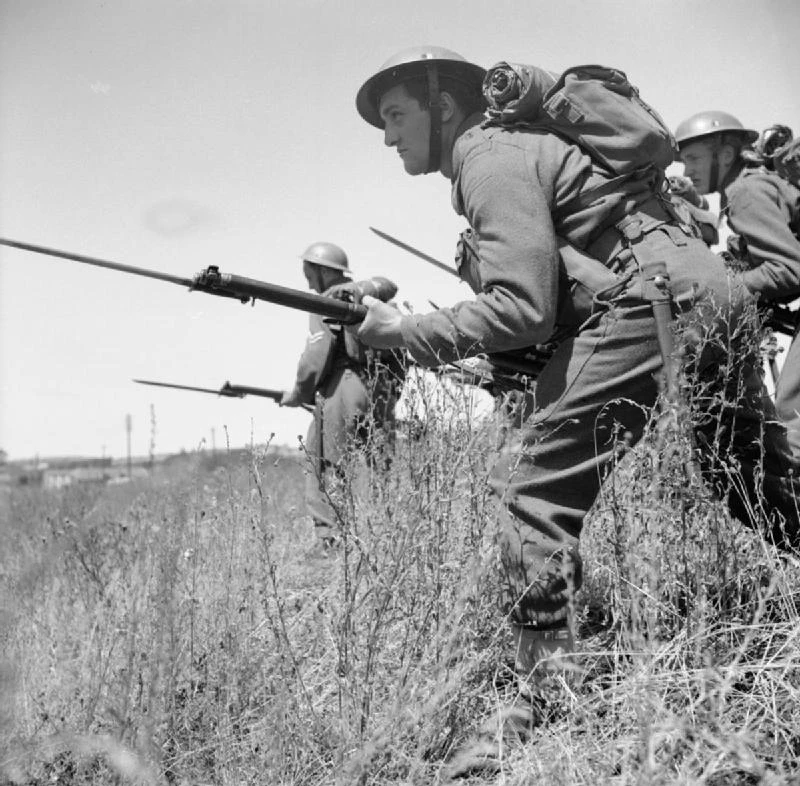
Founding the Free Belgian Forces
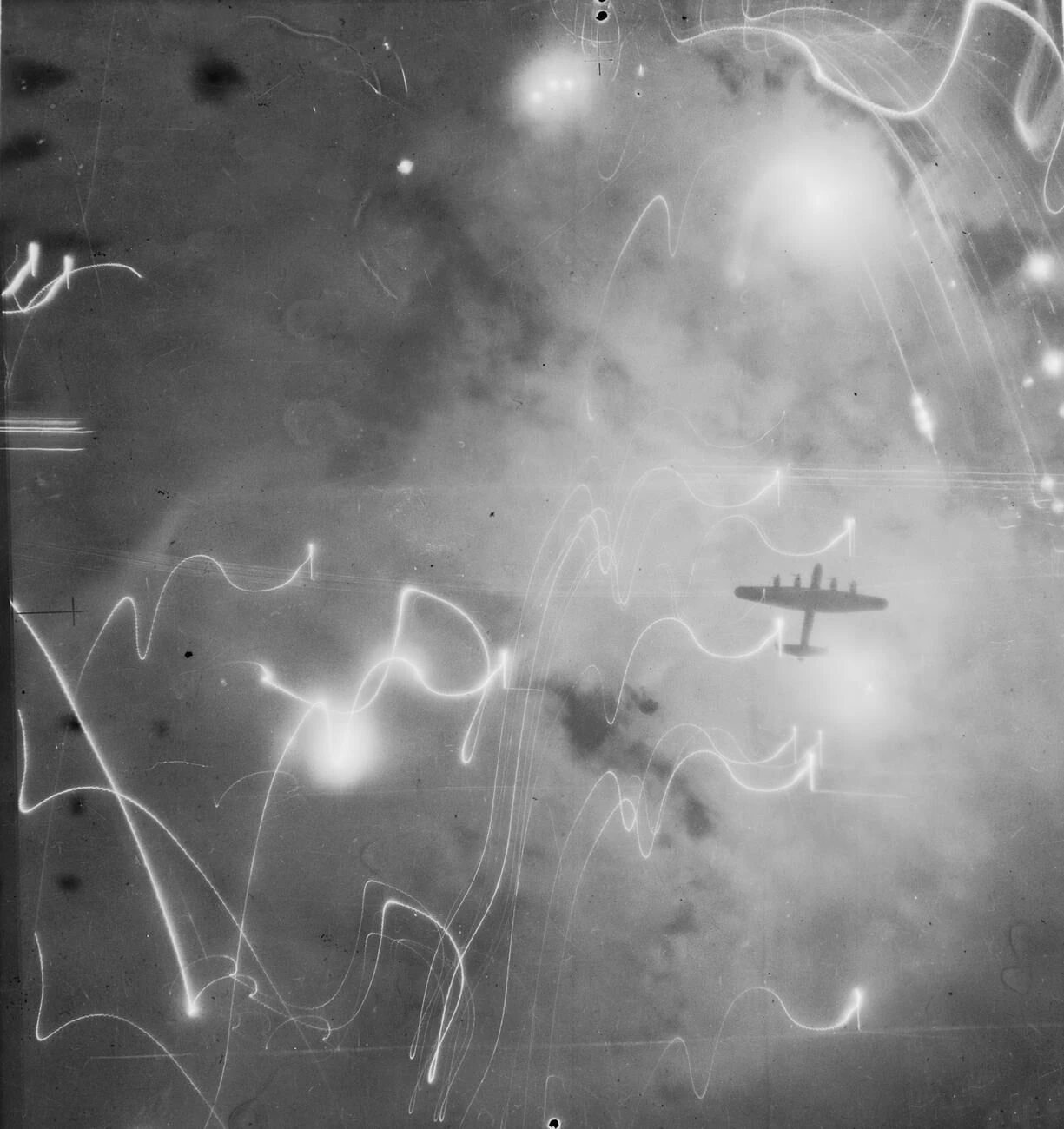
Bombing London — and the reply on Berlin
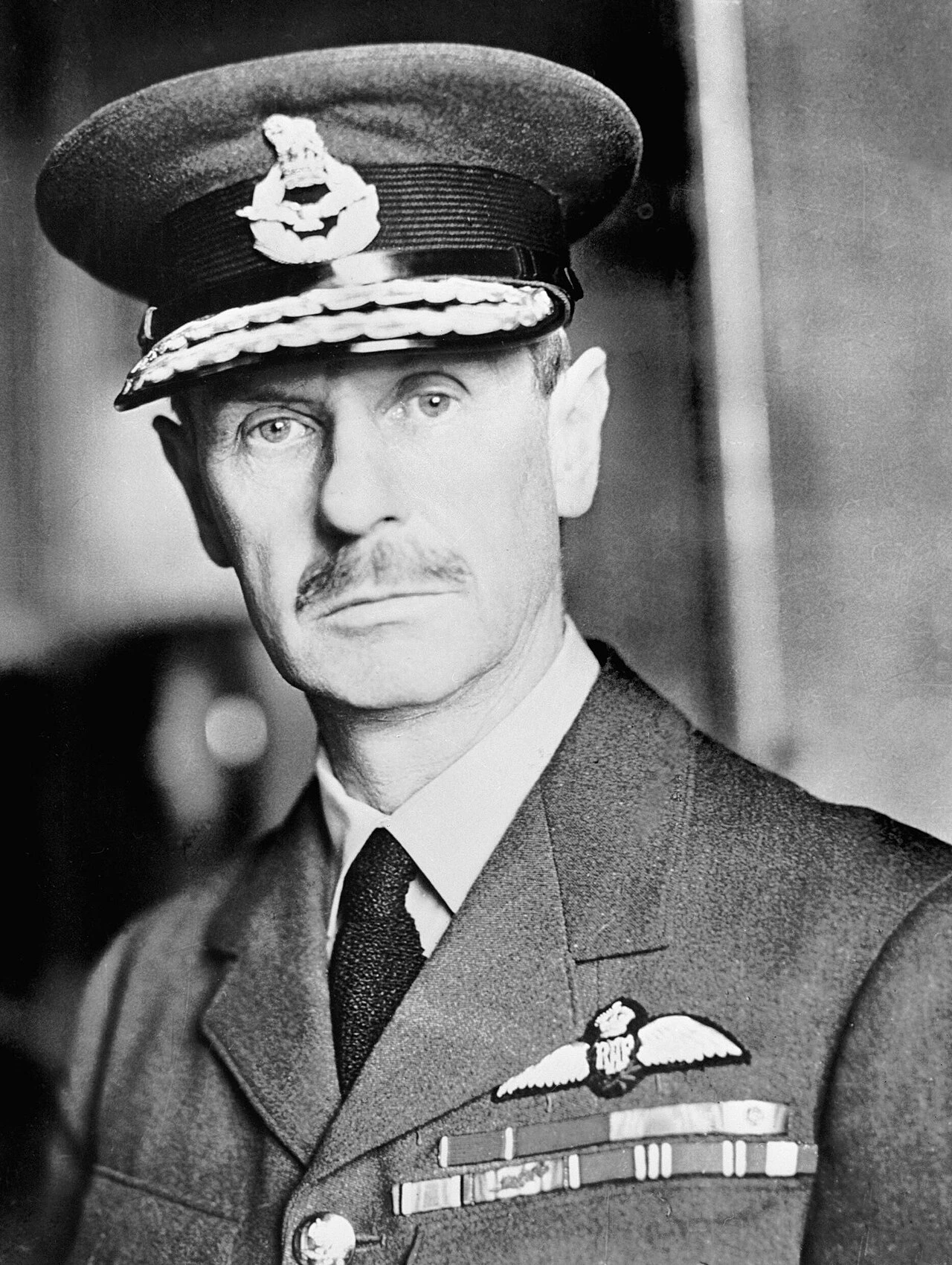
Dowding and the Last Reserves — 15 September 1940
Casting Out the Victors — Air Ministry, November 1940
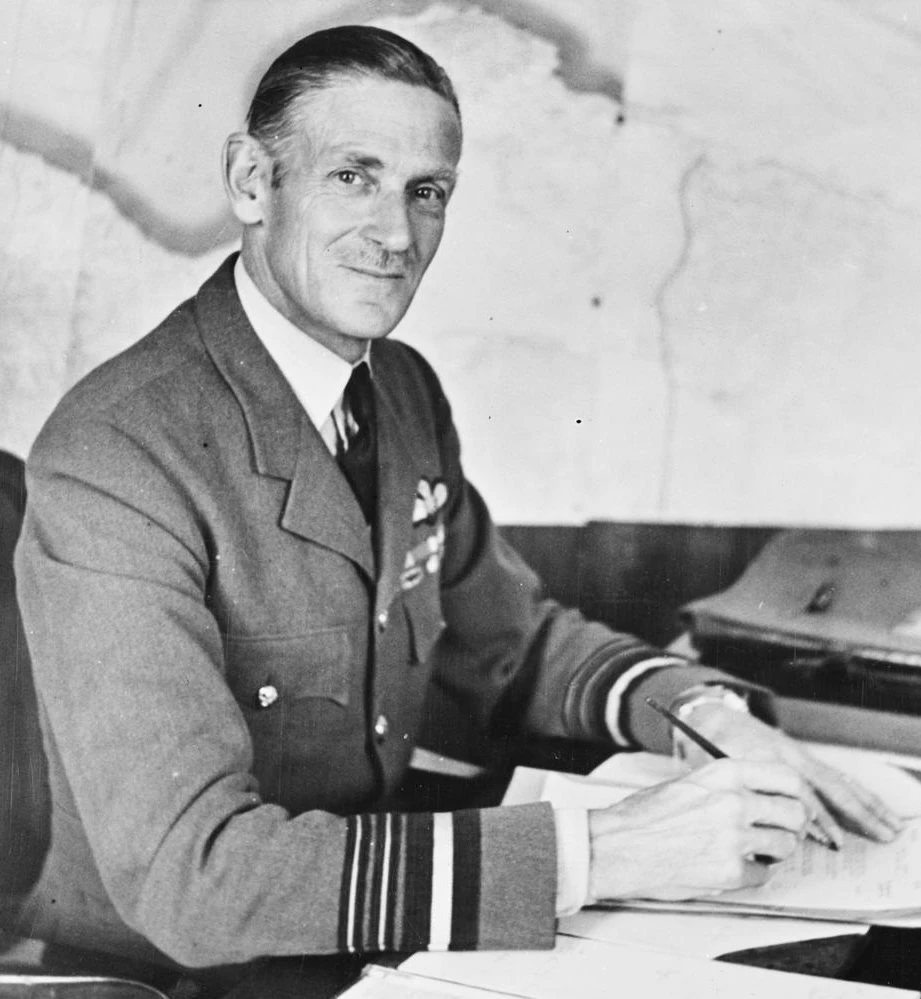
Keith Park at Uxbridge — September 15
The Polish Pilots of 303 Squadron
Dowding — Keep the Fighters?
The French in London — Who Joins?
De Gaulle at the BBC microphone — 18 June, 18:00
Dowding and the fighters
Founding the Free Belgian Forces
Bombing London — and the reply on Berlin
Dowding and the Last Reserves — 15 September 1940
Casting Out the Victors — Air Ministry, November 1940
Keith Park at Uxbridge — September 15