
With the front broken on the Somme and the Aisne, the Germans marched on Paris. The capital, symbol of the nation, had millions of inhabitants and a priceless heritage. The government, which had left the city for Tours and then Bordeaux, and the military governor had to decide its fate.
To defend Paris street by street, as some demanded, would turn the city into a field of ruins and cost countless civilian lives, without reversing the course of the war. To declare it an "open city" was to abandon it without a fight in order to spare its inhabitants and its monuments, but it was to deliver the capital to the enemy and strike a blow to national morale.
The authorities could declare Paris an open city to avoid its destruction. To organise a symbolic or real defence, at the cost of blood and stone. Or to attempt a mass evacuation before the arrival of the Germans. Already, millions of Parisians and northern French had taken to the roads in the exodus. The choice committed the future of the city and the symbol it represented.
Should Paris be declared an open city, should its defence be organised, or should evacuation be the priority?
The authorities chose A: Paris was declared an open city, and German troops entered it without a fight on 14 June 1940. The city was spared destruction, but the image of German soldiers parading on the Champs-Élysées and of the swastika on the Arc de Triomphe was a major national shock. Millions of Parisians had already fled in the exodus. The fall of Paris hastened the political crisis: three days later, Pétain would request the armistice. The decision spared the capital, but symbolically sealed the defeat of 1940.
Learn more about this event
Related polls
10
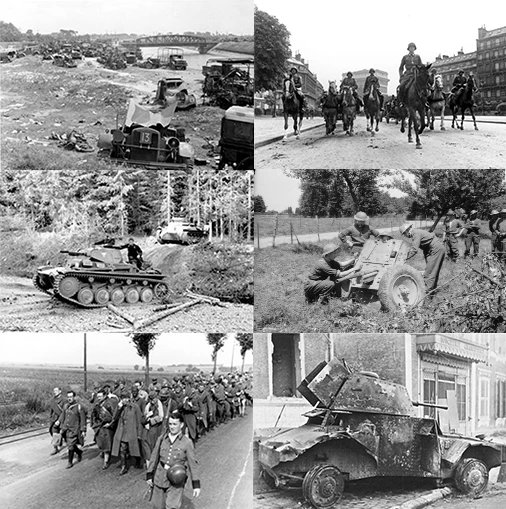
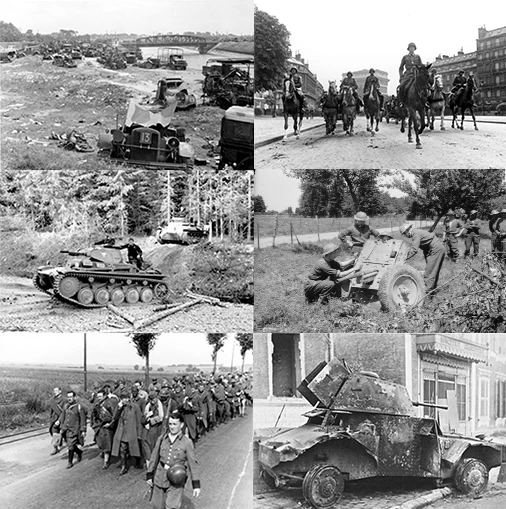
The armistice of Rethondes
Dunkirk: should the French be saved alongside the British?
The Empire — Vichy or de Gaulle
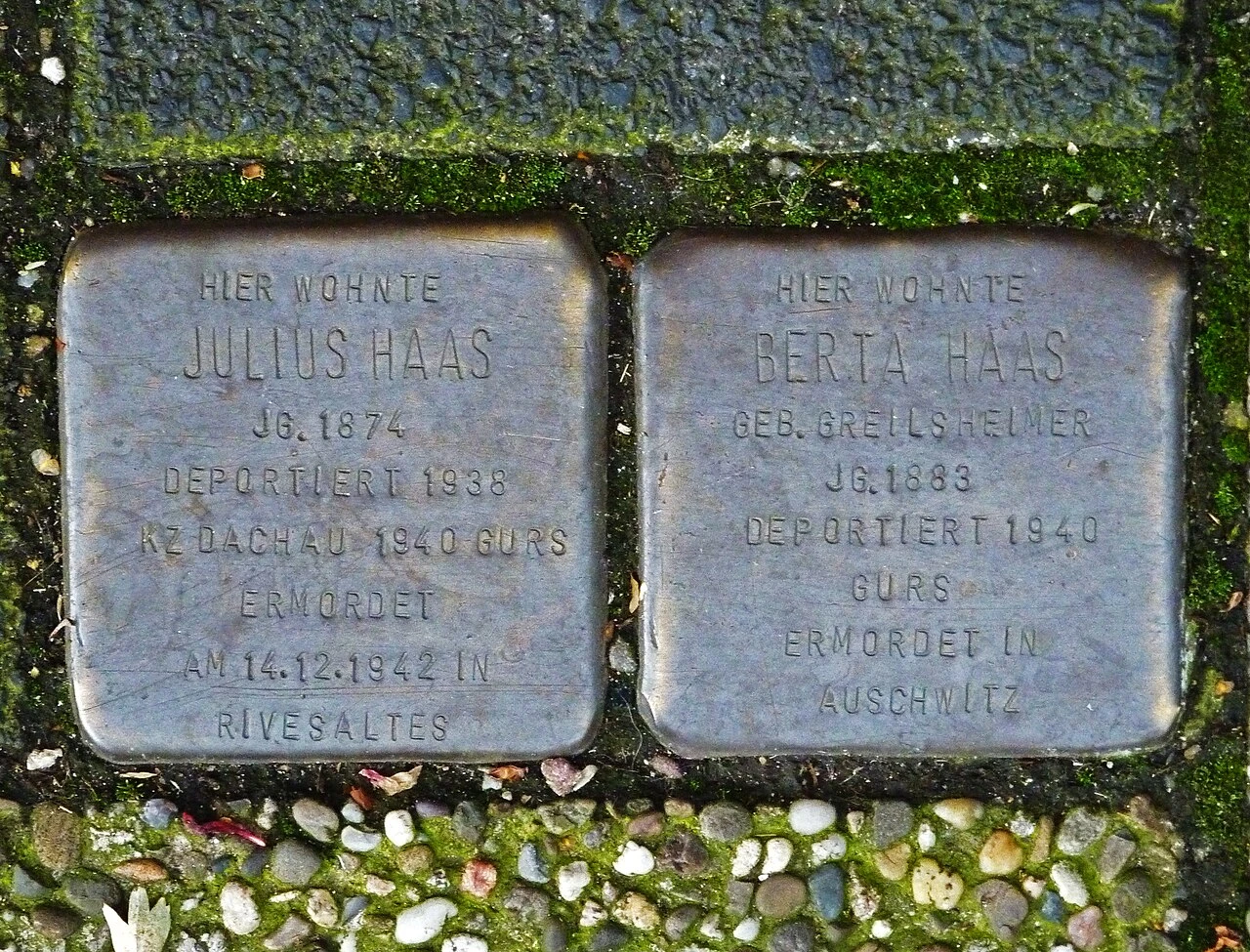
Hannah Arendt, Stateless and Interned, Facing Exile
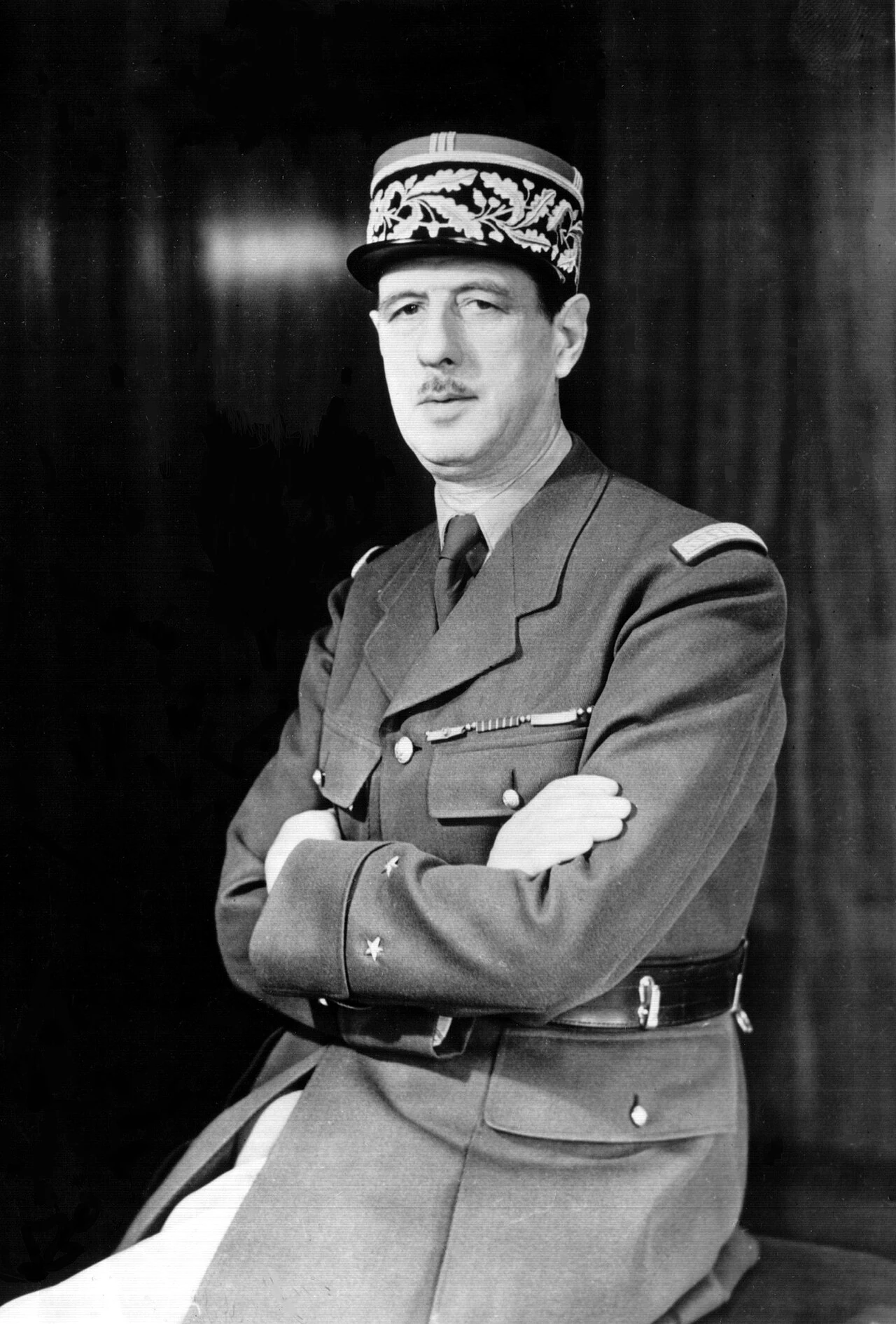
"The Fighting Must Cease"
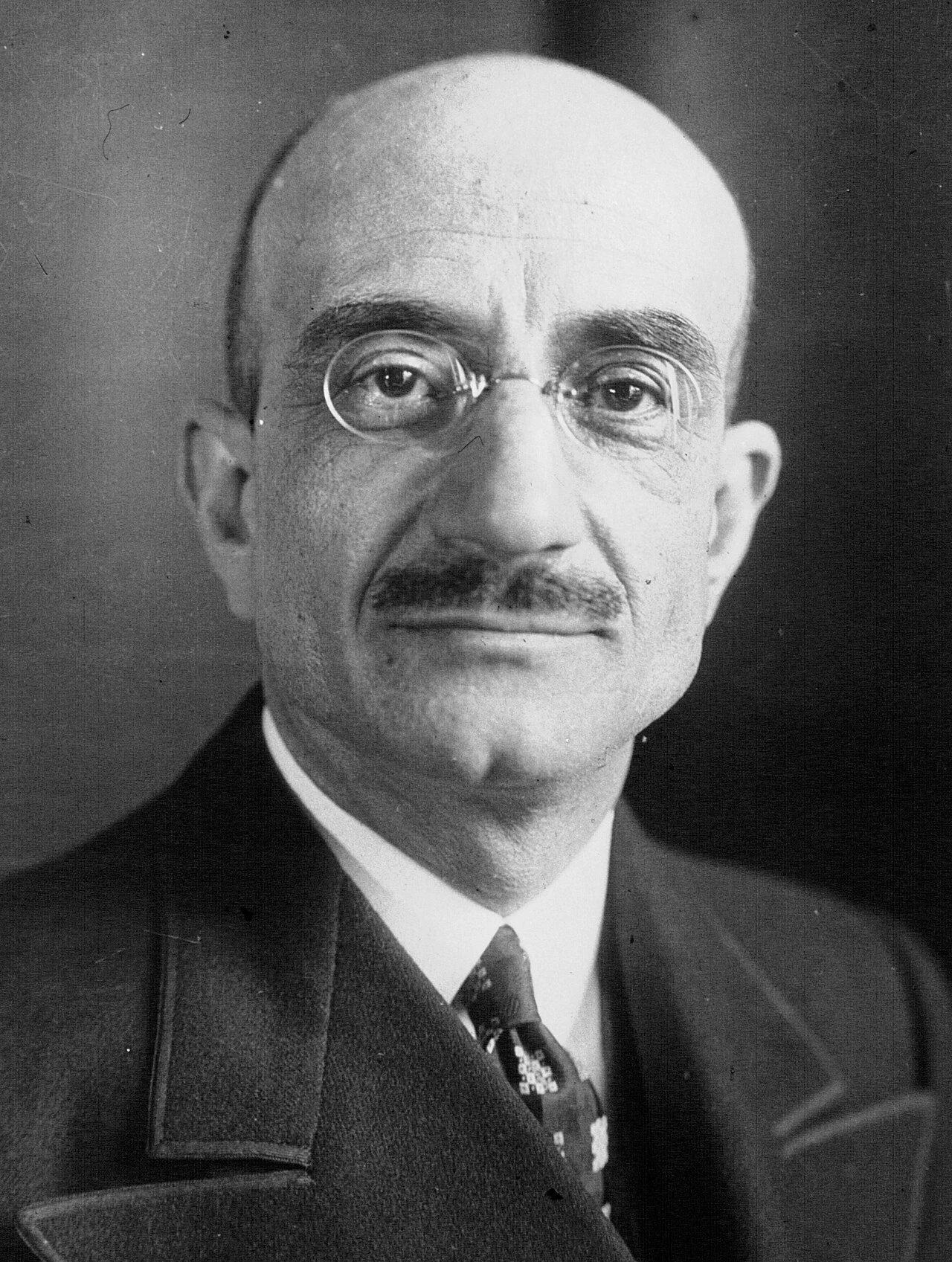
Langeron — Prefecture of Police, 14 June
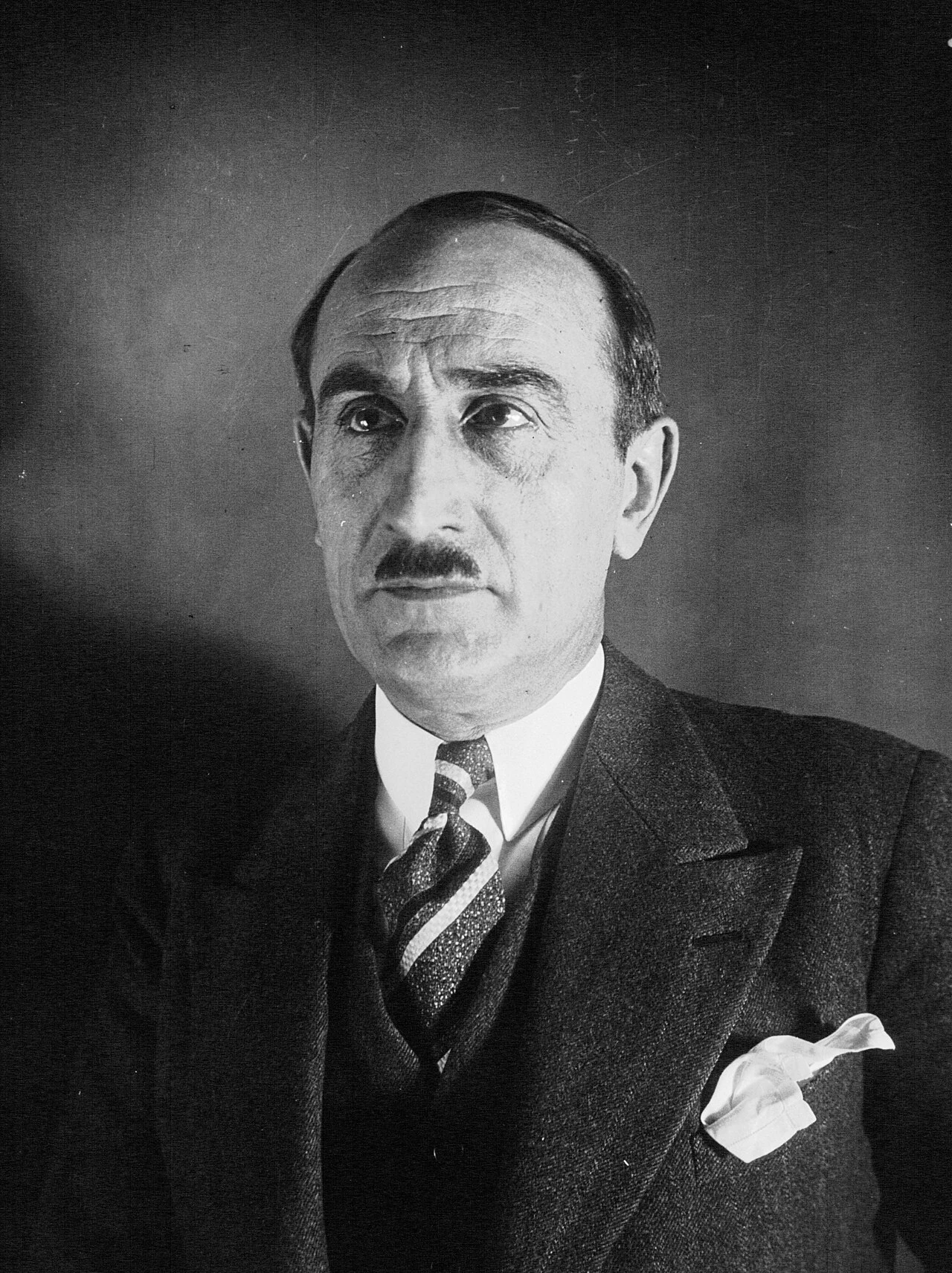
Marquet — Bordeaux overwhelmed, 12 June
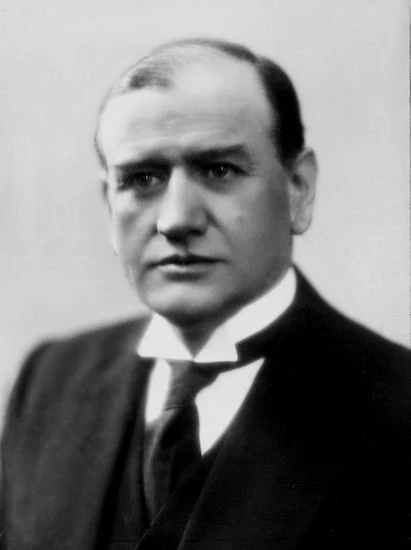
The Massilia — Bordeaux 21 June
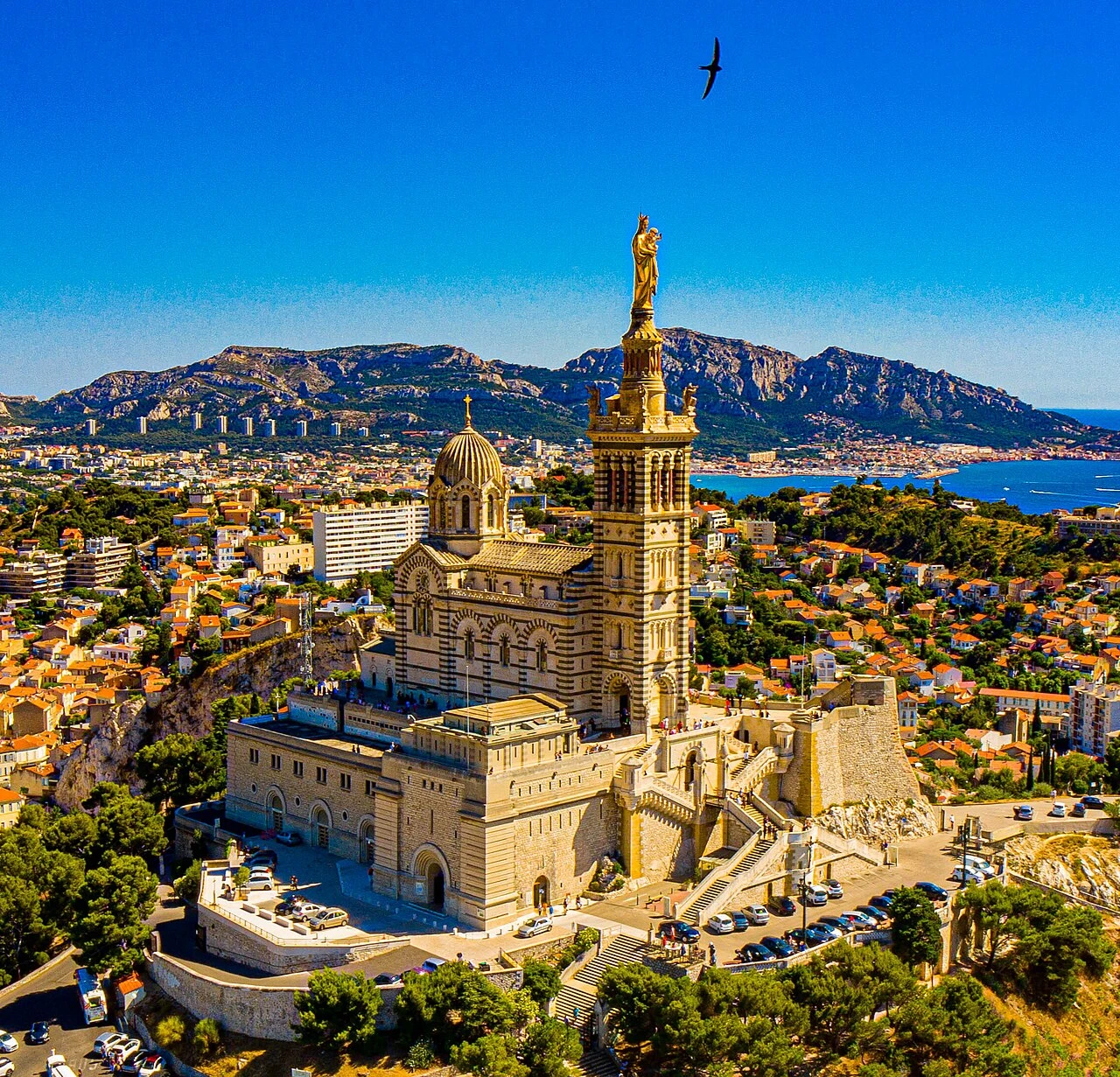
The Massilia — Leaving for North Africa
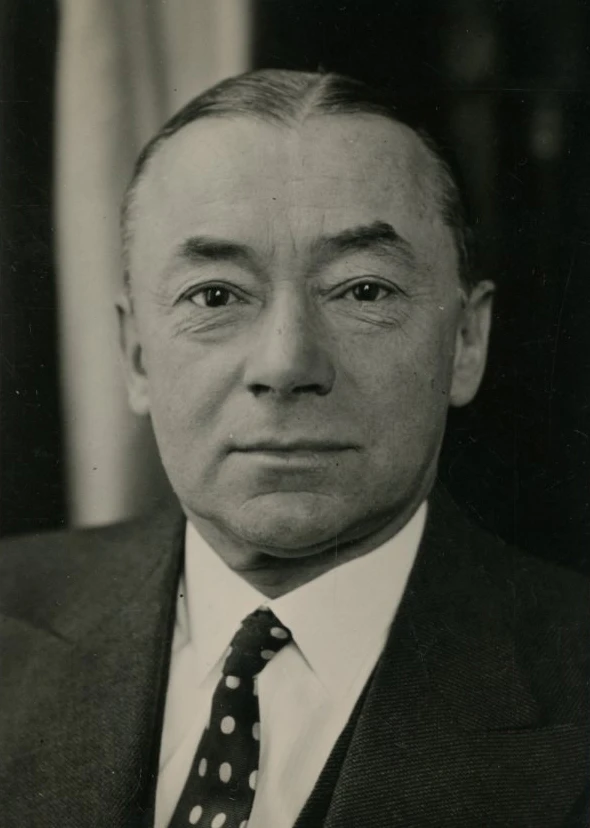
Reynaud faces the Council — Bordeaux, 16 June, 22:00
The armistice of Rethondes
Dunkirk: should the French be saved alongside the British?
The Empire — Vichy or de Gaulle
Hannah Arendt, Stateless and Interned, Facing Exile
"The Fighting Must Cease"
Langeron — Prefecture of Police, 14 June
Marquet — Bordeaux overwhelmed, 12 June
The Massilia — Bordeaux 21 June
The Massilia — Leaving for North Africa