
, 55, former chief of staff to Clemenceau, was Minister for the Colonies then for the Interior under Reynaud. Jewish, a declared enemy of Nazism — German propaganda names him as one of the 'worst' Frenchmen — he had embarked on the Massilia to continue the war from the Empire. Arrested on his arrival at Casablanca on 24 June, he is transferred to Meknès.
The Resident-General in Morocco, General Noguès, hesitates: a career soldier, hostile to Vichy but attached to legality, he is under pressure from Vichy demanding Mandel's return to metropolitan France. Several officers and officials offer Mandel help in crossing into Algeria and then on to British Egypt to rejoin the fight.
The dilemma is tragic: attempt an escape toward the Free French, accept the return to France to fight legally from within, or stage a spectacular public gesture. Mandel, a seasoned statesman but isolated, must choose as Vichy's grip tightens.
Should Mandel try to escape to the Allied forces?
Mandel chooses B, out of loyalty to the Republic, out of distrust toward de Gaulle whom he scarcely knows, and out of refusal to appear to flee. He declines the escape offered to him. Extradited to France in the autumn of 1940, he is interned (Fort du Portalet, then various places), handed over to the Germans, then brought back to France in 1944. On 7 July 1944, he is murdered by the Milice in the Fontainebleau Forest. His decision of August 1940 — refusing clandestinity in the name of republican legality — illustrates the tragedy of the choices of summer 1940, where loyalty to institutions could lead to sacrifice.
Learn more about this event
Related polls
10
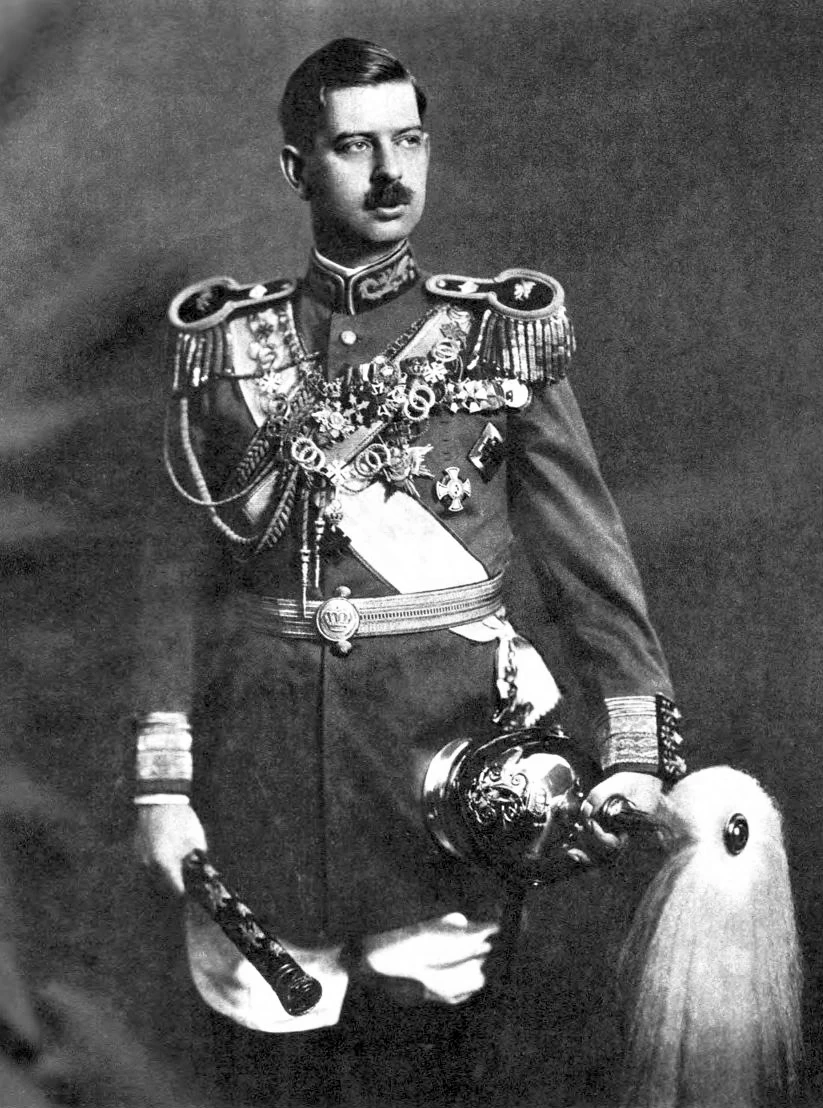
Carol II Against Antonescu — Bucharest, 6 September 1940
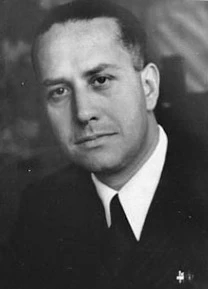
Ciano summons the ambassadors — 10 June
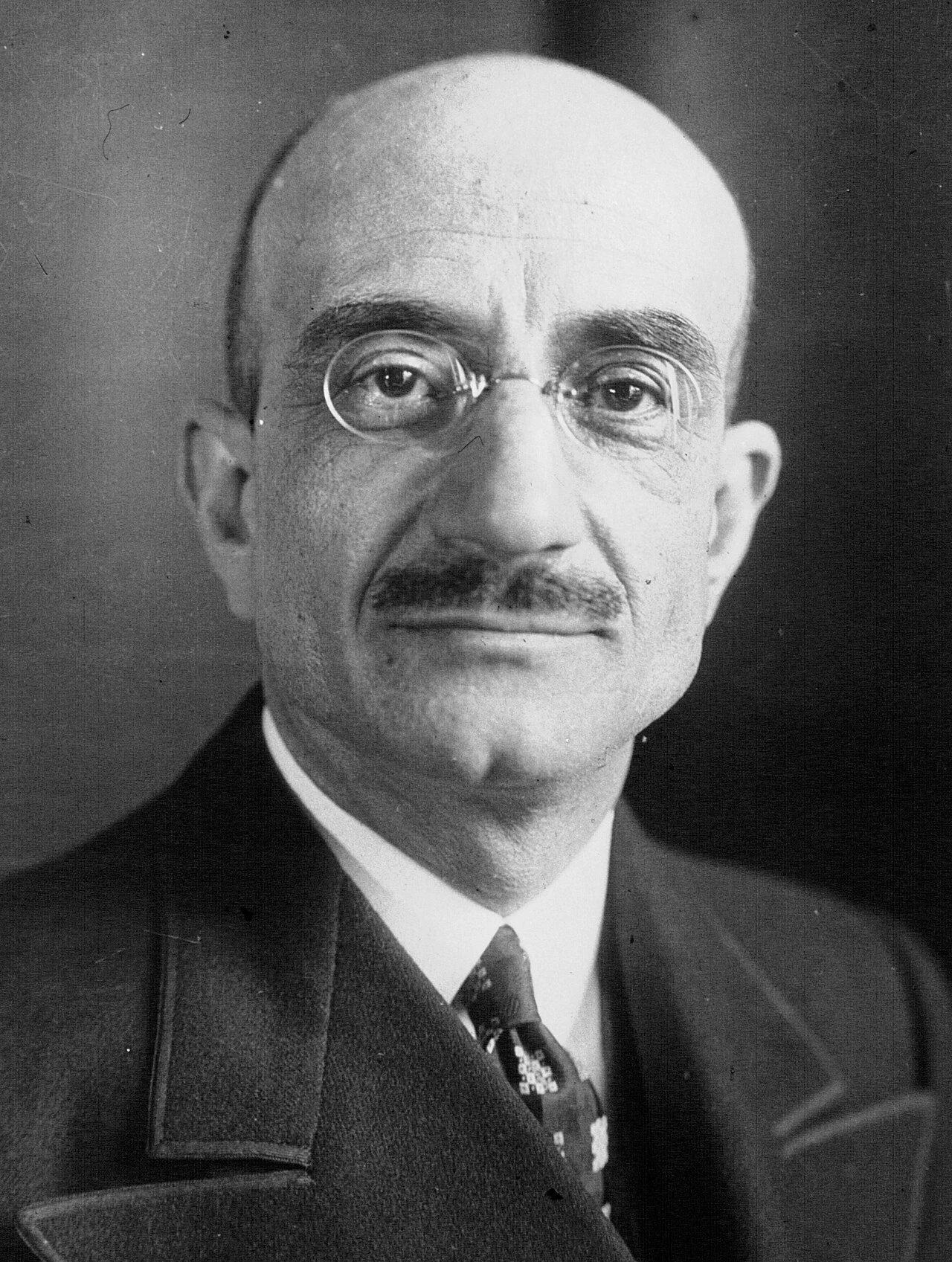
Langeron — Prefecture of Police, 14 June
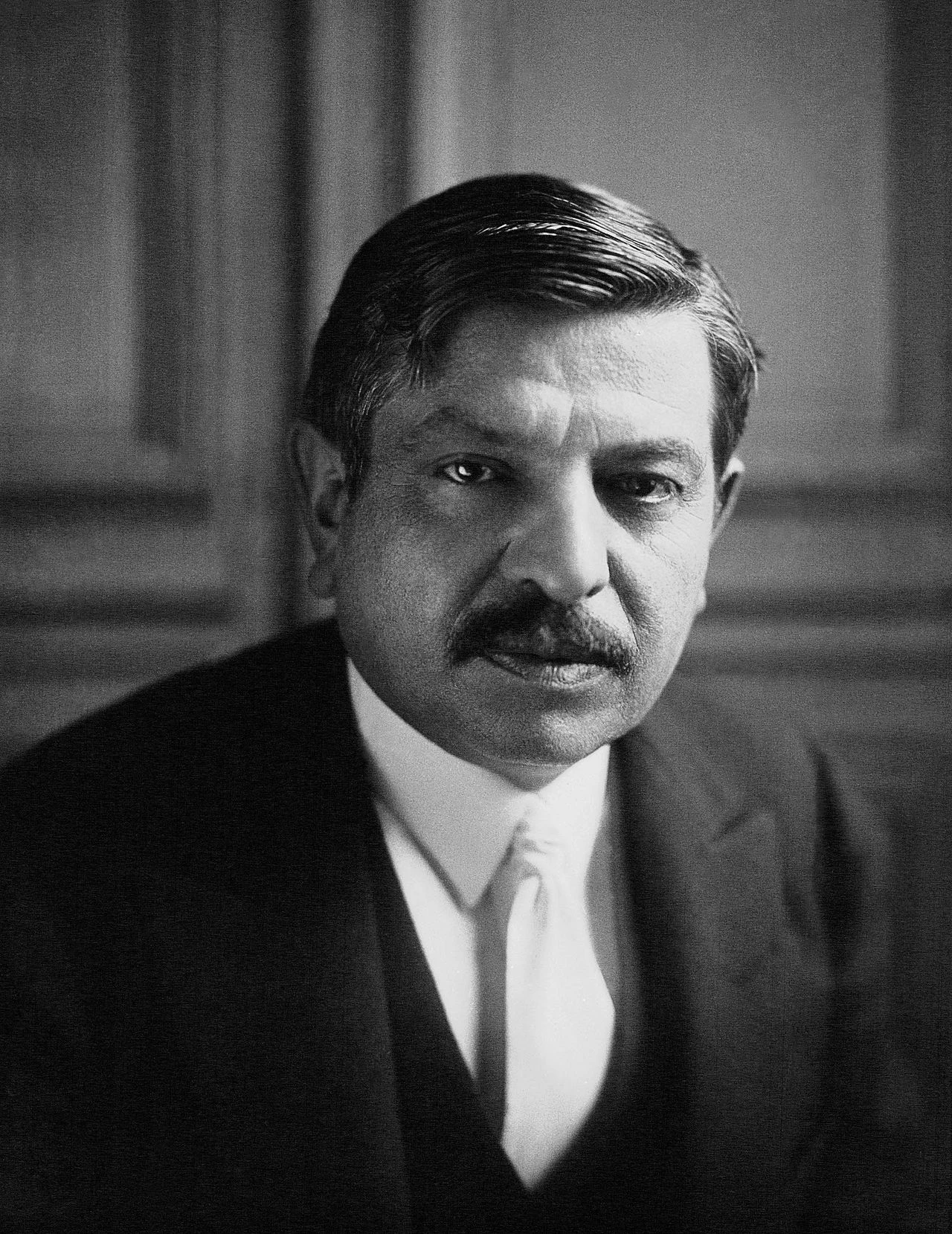
Laval at the Vichy Casino — 10 July
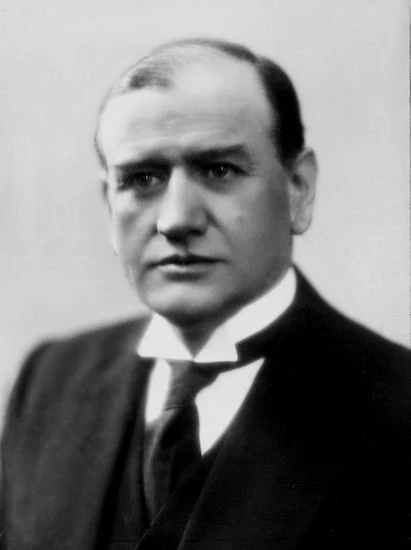
The Massilia — Bordeaux 21 June
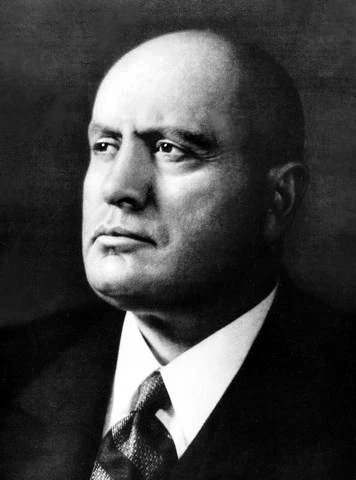
Mussolini on the balcony — 10 June, 18:00
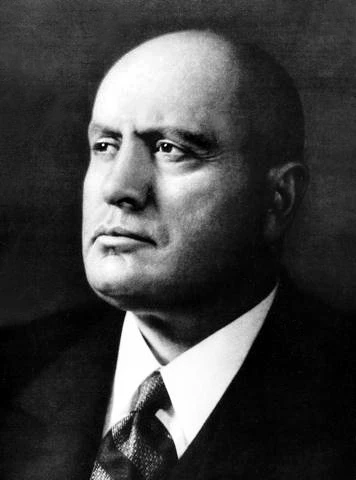
Mussolini on the Riviera — 21 June
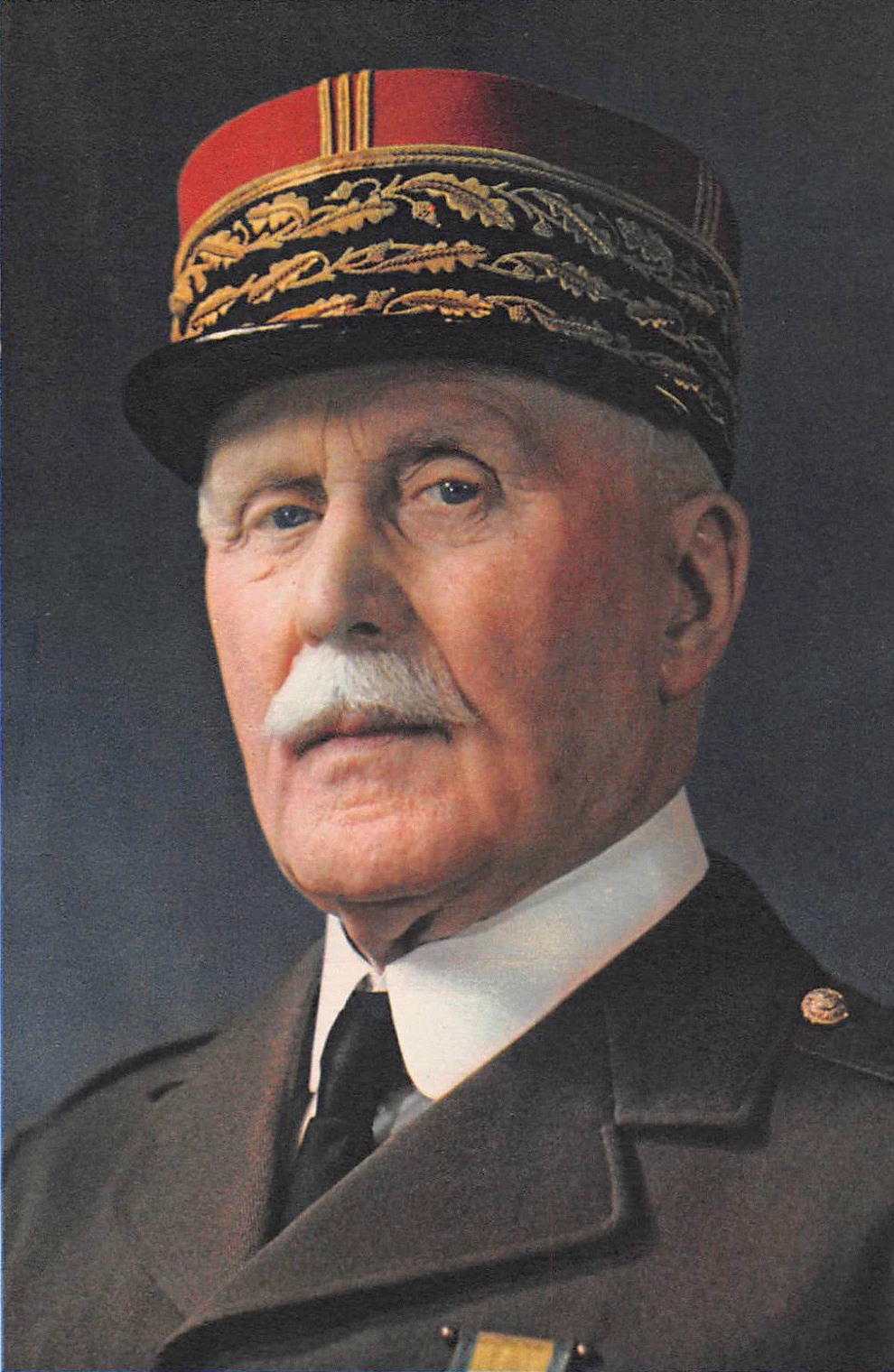
Pétain Faces Mers-el-Kébir
Returning from exile to raise the standard
Reynaud faces the Council — Bordeaux, 16 June, 22:00
Carol II Against Antonescu — Bucharest, 6 September 1940
Ciano summons the ambassadors — 10 June
Langeron — Prefecture of Police, 14 June
Laval at the Vichy Casino — 10 July
The Massilia — Bordeaux 21 June
Mussolini on the balcony — 10 June, 18:00
Mussolini on the Riviera — 21 June
Pétain Faces Mers-el-Kébir
Returning from exile to raise the standard