
A Jewish Family of Vienna
Since the Anschluss of March 1938, the persecution of the Jews of Vienna has come down with a dazzling brutality: spoliations, exclusion from the professions, public humiliations, internments after Kristallnacht. The city is home to one of the oldest Jewish communities in Central Europe, some 180,000 strong.
The regime pushes for emigration: in Vienna, a Central Office for Jewish Emigration, directed by , 'rationalises' the departure of the Jews by stripping them of their possessions in exchange for an exit visa. To leave is to abandon everything; but to stay becomes more dangerous each month.
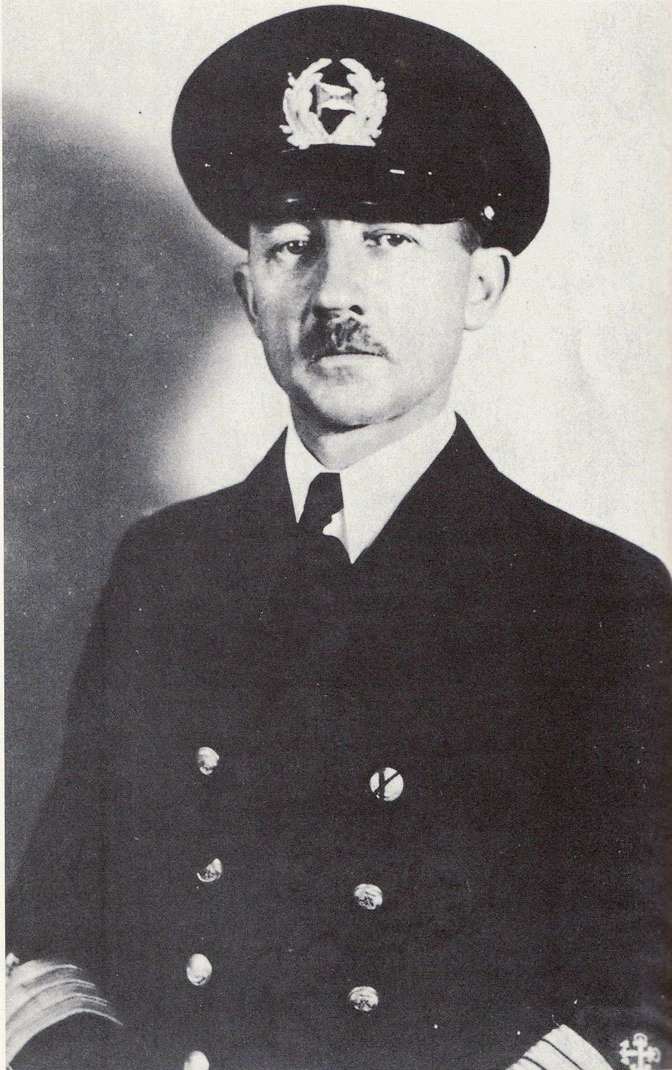
To illustrate this dilemma, you are a Viennese family. To emigrate presupposes gathering the impossible: a host country willing to issue a visa, guarantors abroad, the money for the emigration taxes, and the luck of finding a place before the doors close everywhere. The British White Paper has just closed Palestine; the United States applies strict quotas; the St. Louis has been turned away. Should you flee anywhere, as soon as possible? Attempt to obtain a visa for a precise destination, at the risk of waiting too long? Or stay, hoping the turmoil passes?
Should our family flee Vienna at all costs, wait for a sure visa, or stay hoping for better days?
Historically, a large part of the Viennese Jews favoured A when they could: about two thirds of the community manage to emigrate between 1938 and 1941, scattered throughout the world, at the price of ruin and exile. But tens of thousands, for want of a visa, of money or of a host country, remain trapped — and the doors close everywhere in 1939-1941. Those who could not flee will be, in their great majority, deported and murdered after the beginning of the extermination operations. The fate of Vienna illustrates a cold truth of 1939: wanting to leave was not enough; someone still had to be willing to take you in.
Learn more about this event
Related polls
10
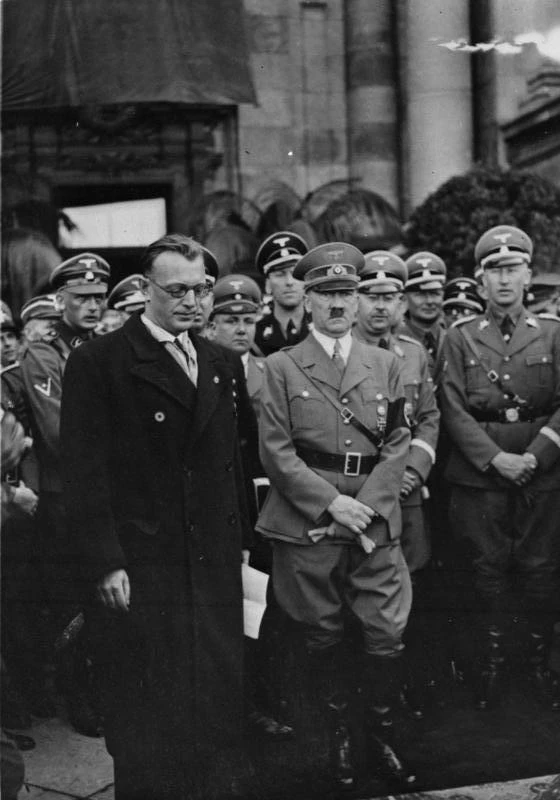
The Jewish Lawyer of Vienna Facing Exile
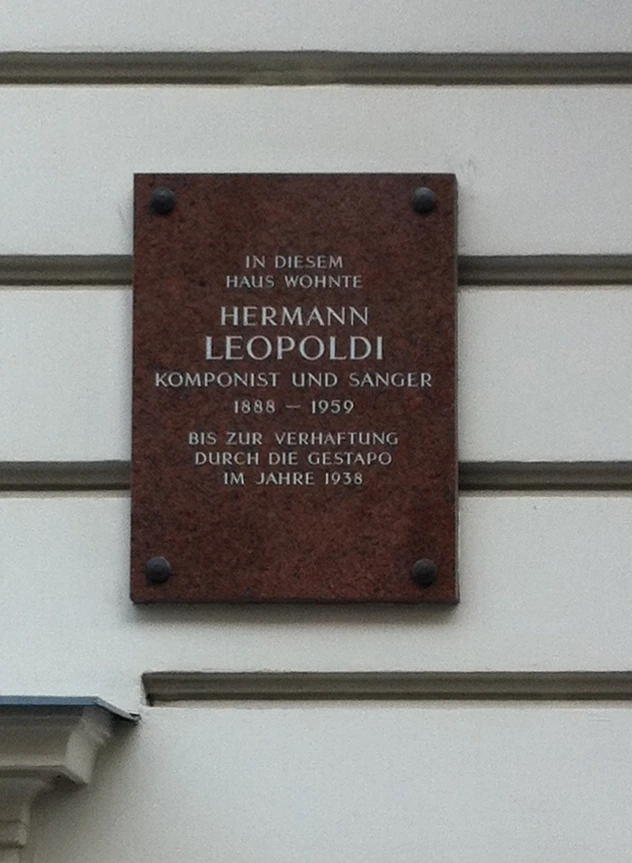
Informing on a Jewish Neighbor in Vienna
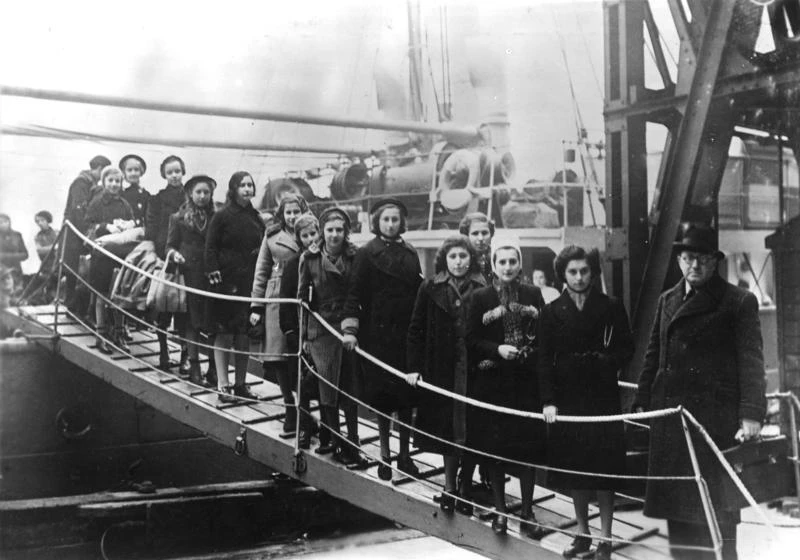
The Kindertransport
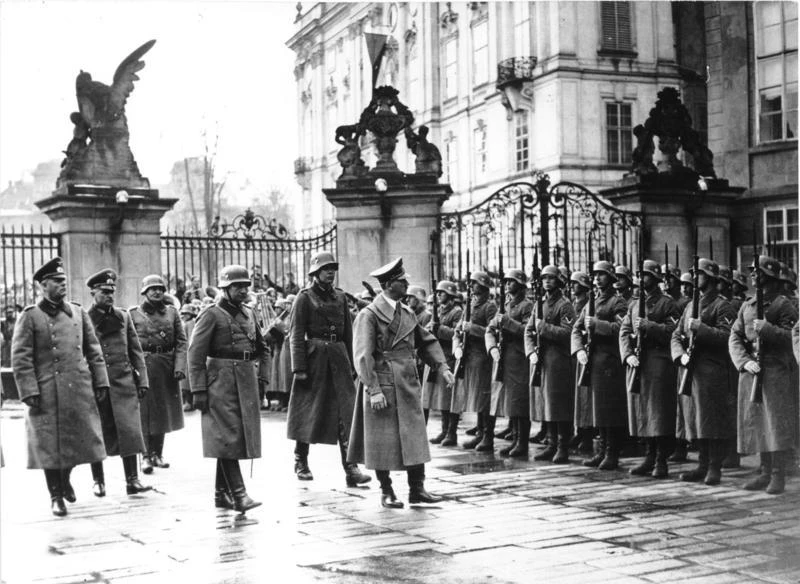
The Prague Notary and the Aryanization of Jewish Property
Czerniaków — the offer of the Judenrat
Danzig, September 1939 — the policeman of the Free City
Flee or Stay
The Banned Czech University

Prague, 17 November 1939: the Czech universities shut down
The St. Louis Sets Sail
The Jewish Lawyer of Vienna Facing Exile
Informing on a Jewish Neighbor in Vienna
The Kindertransport
The Prague Notary and the Aryanization of Jewish Property
Czerniaków — the offer of the Judenrat
Danzig, September 1939 — the policeman of the Free City
Flee or Stay
The Banned Czech University
Prague, 17 November 1939: the Czech universities shut down