
Informing on a Jewish Neighbor in Vienna
In the summer of 1939, a year and a half after the Anschluss, Vienna lives under administrative terror. The Gestapo, whose Vienna Leitstelle would become the largest regional office in the Reich, methodically persecutes the Jewish population. In apartment buildings, relations between neighbors grow tense; searches and arrests have become commonplace.
A couple of Austrian office workers with no particular political commitment live above a Jewish family. A neighbor suggests to them that one can "get into the authorities' good graces" — and sometimes earn a few marks — by reporting the visitors received on the floor below. The proposition confronts this ordinary household with an immediate moral choice, in a city where informing has become an almost ordinary act.
Encouraged to report to the Gestapo the comings and goings at the home of Jewish neighbors, should an ordinary Viennese household inform on them, stay out of it, or quietly warn the threatened family?
Historians' work on the Vienna Gestapo shows that the repressive machine relied massively on spontaneous denunciation by the population: with only around 900 agents, the Vienna Leitstelle could not have functioned without these reports. established that, in a body of 175 case files aimed at socially isolating Jews, roughly 57% began with a denunciation originating from the public, with the Gestapo uncovering only a single case through its own means. The documented motives are envy, resentment, private quarrels, the lure of gain, or a sense of fulfilling a "civic duty." Many neighbors also kept silent, and a few helped the persecuted at the risk of their own lives. There is no "typical" individual fate to reconstruct: the established reality is that neighborhood informing was the norm that made the persecution possible.
Learn more about this event
Related polls
10
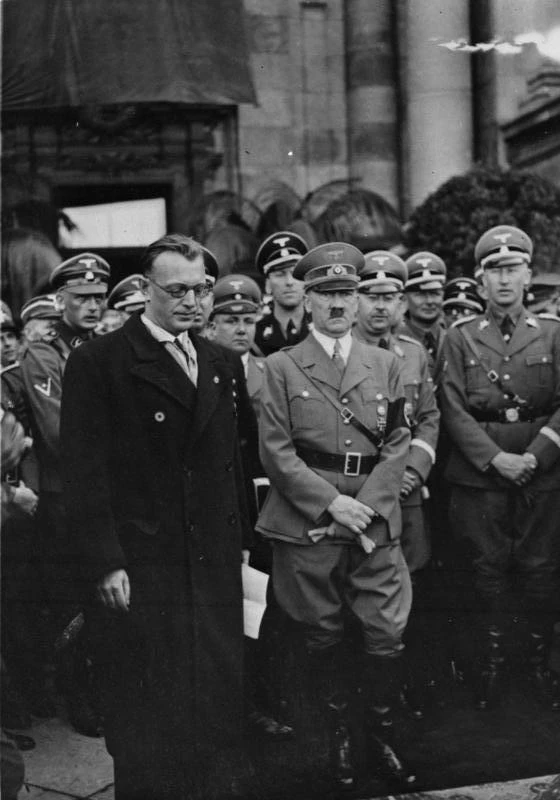
The Jewish Lawyer of Vienna Facing Exile
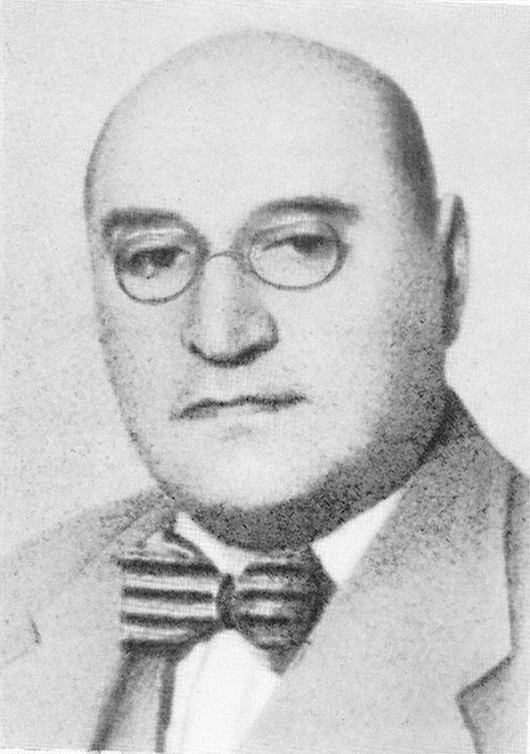
Czerniaków — the offer of the Judenrat
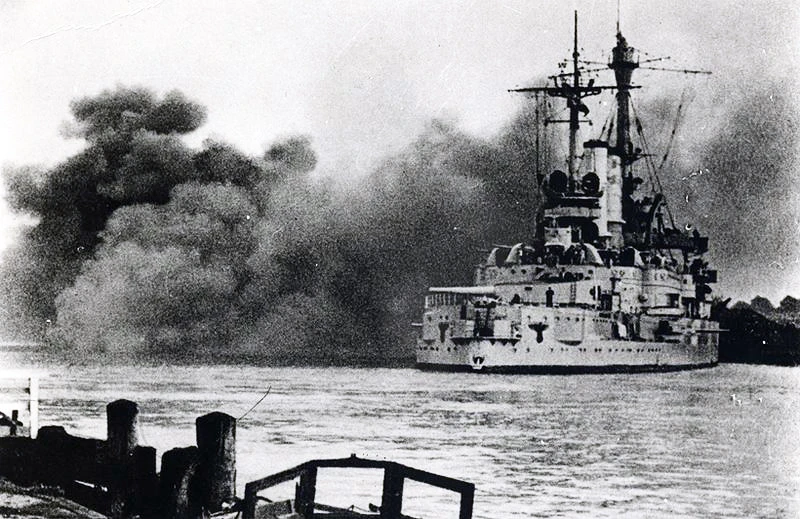
Danzig, September 1939 — the policeman of the Free City
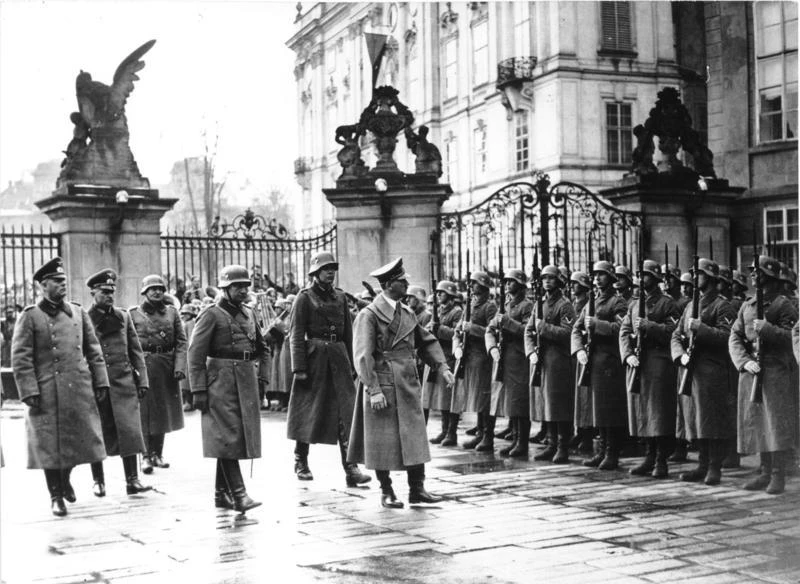
The Prague Notary and the Aryanization of Jewish Property
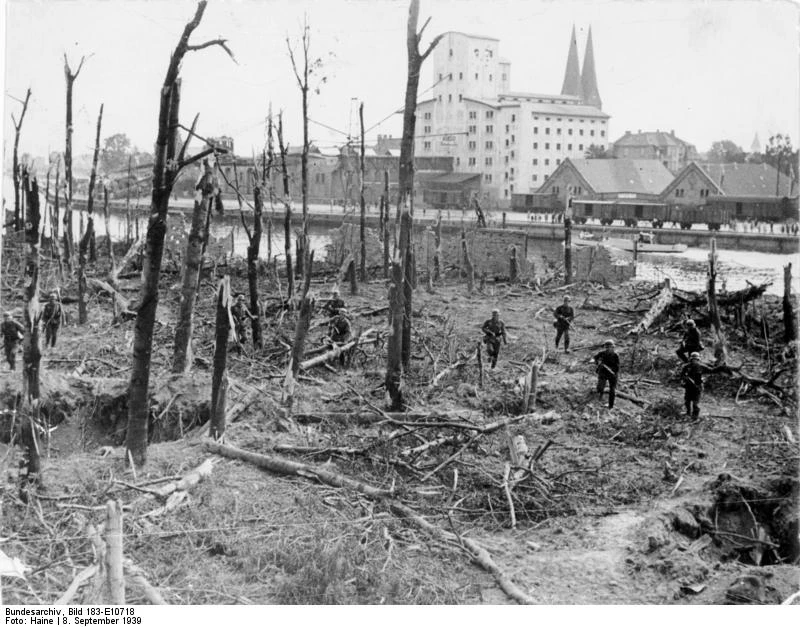
A Danzig Customs Officer on the Day of Annexation
Prague, 17 November 1939: the Czech universities shut down
A Jewish Family of Vienna
The Youth of the Reich
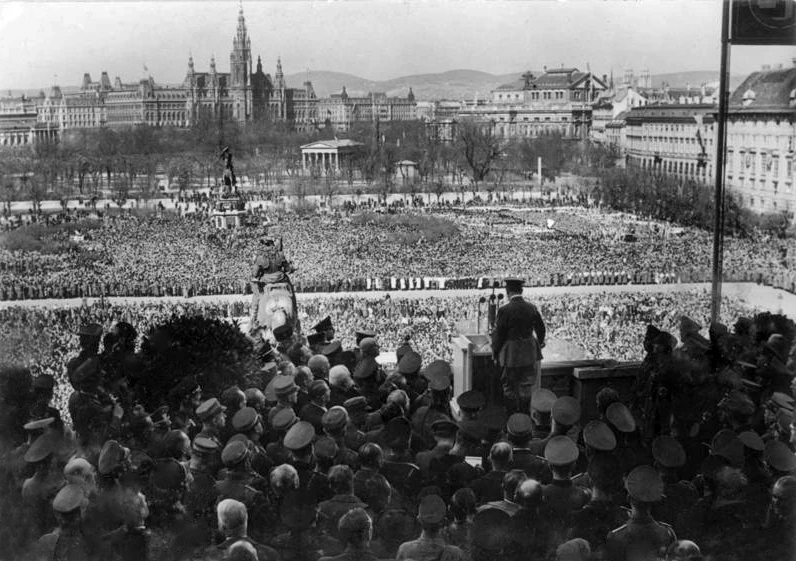
The Austrian Railwayman and the Party Card
Cambridge, 1939: The Evacuated LSE Student and Conscription
The Jewish Lawyer of Vienna Facing Exile
Czerniaków — the offer of the Judenrat
Danzig, September 1939 — the policeman of the Free City
The Prague Notary and the Aryanization of Jewish Property
A Danzig Customs Officer on the Day of Annexation
Prague, 17 November 1939: the Czech universities shut down
A Jewish Family of Vienna
The Youth of the Reich
The Austrian Railwayman and the Party Card