
The Shadow Factories
After Dunkirk and under the blows of the Luftwaffe, Britain depends on its ability to produce fighters faster than they are destroyed. Yet aircraft production is concentrated in a few large sites, within reach of the German bombers.
, a press magnate who became Minister of Aircraft Production in May 1940, inherited a network of "shadow factories" meant to duplicate the production lines elsewhere in the country. But the pace remains insufficient against the urgency.
A single bomb on a major site could cripple the Spitfire or Hurricane fleet at a stroke. Beaverbrook must decide on the industrial strategy to adopt at the height of the battle.
In the autumn of 1940, under the bombs, how should Britain protect its fighter production?
Beaverbrook bet on intensifying the existing factories while organising a dispersal of the industrial fabric within the country itself. He took back control of the failing Castle Bromwich plant, entrusted to Vickers, which became a pillar of Spitfire production. After the destruction of the Southampton factories in late September 1940, he ordered the immediate dispersal of production into requisitioned garages and workshops across southern England. He rejected the idea of a massive relocation abroad, keeping the bulk of production on British soil.
Learn more about this event
Related polls
10
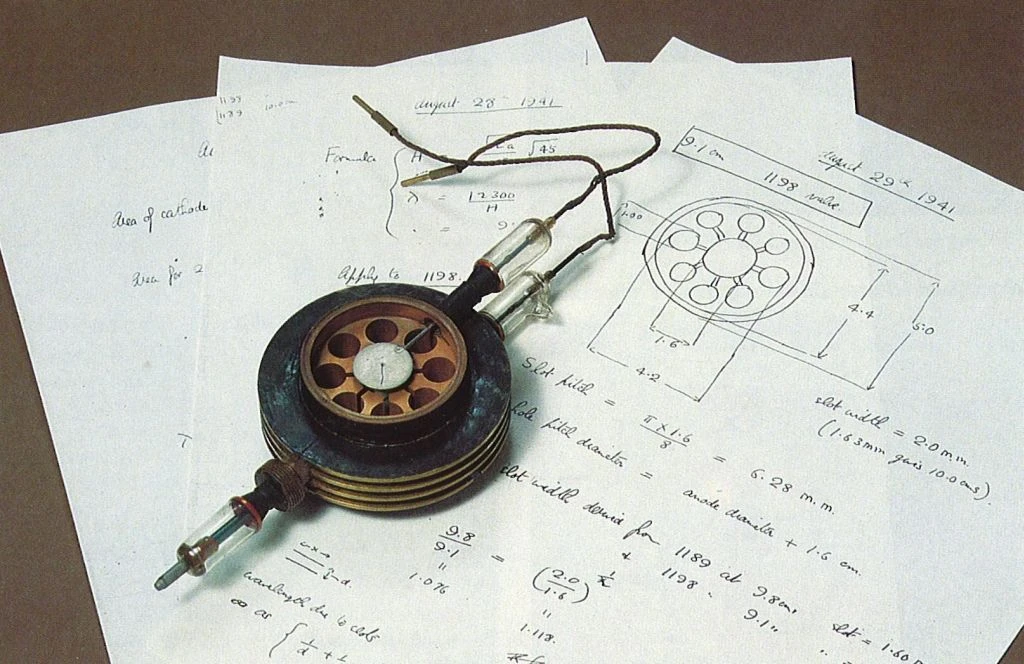
The Tizard Mission's Trunk for America
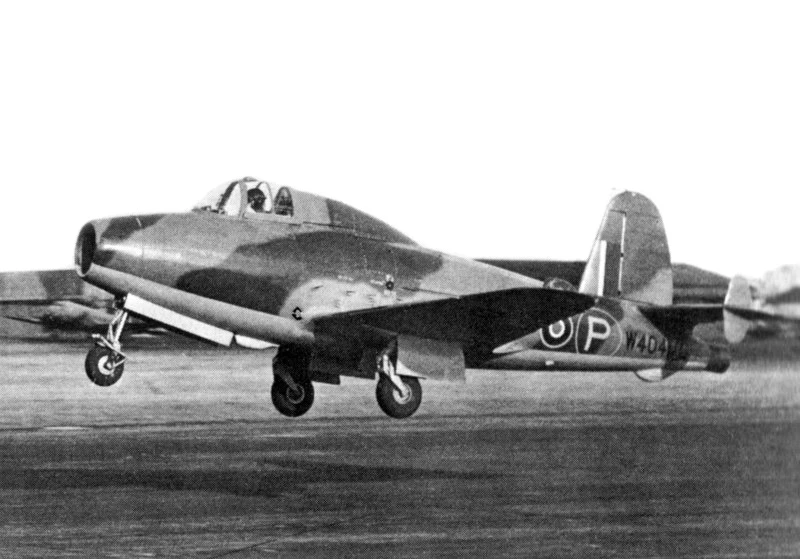
Whittle, his jet engine and the rebellious combustion chamber
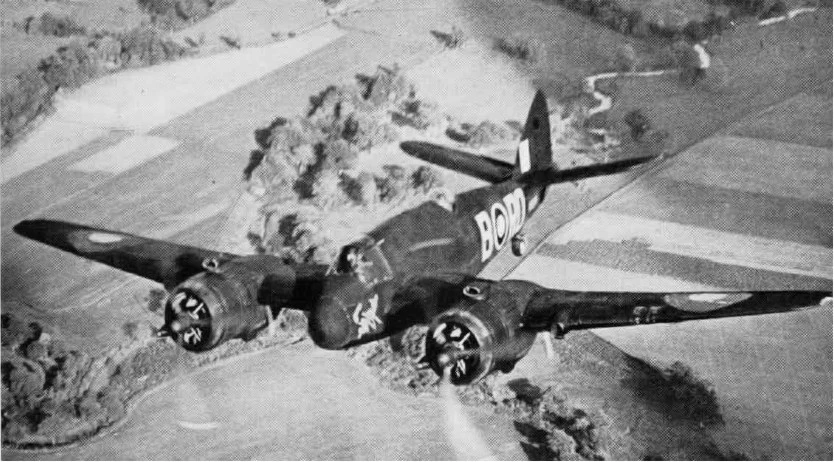
Breaking the night Blitz: who owns the darkness?
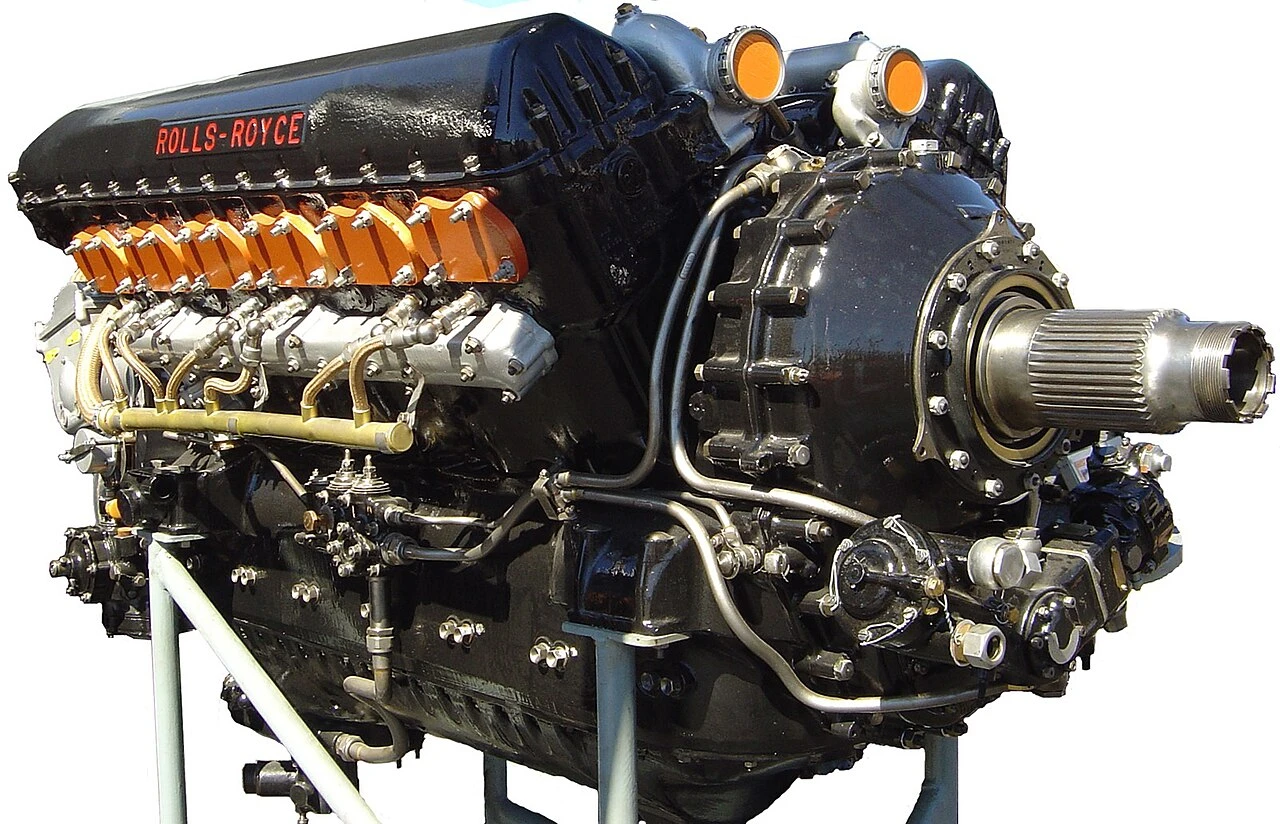
Car assembly lines for an aircraft engine
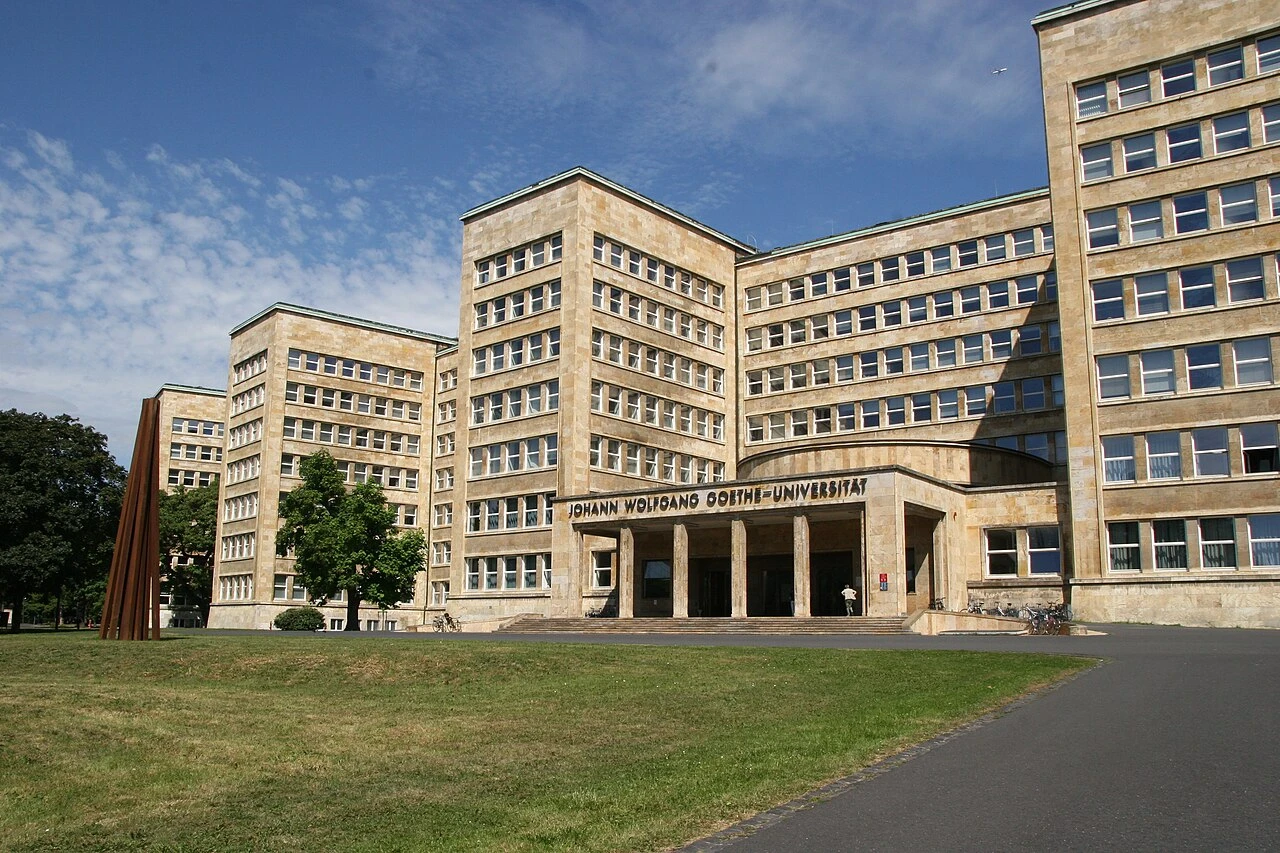
The Fourth Buna — Where to Site the Plant
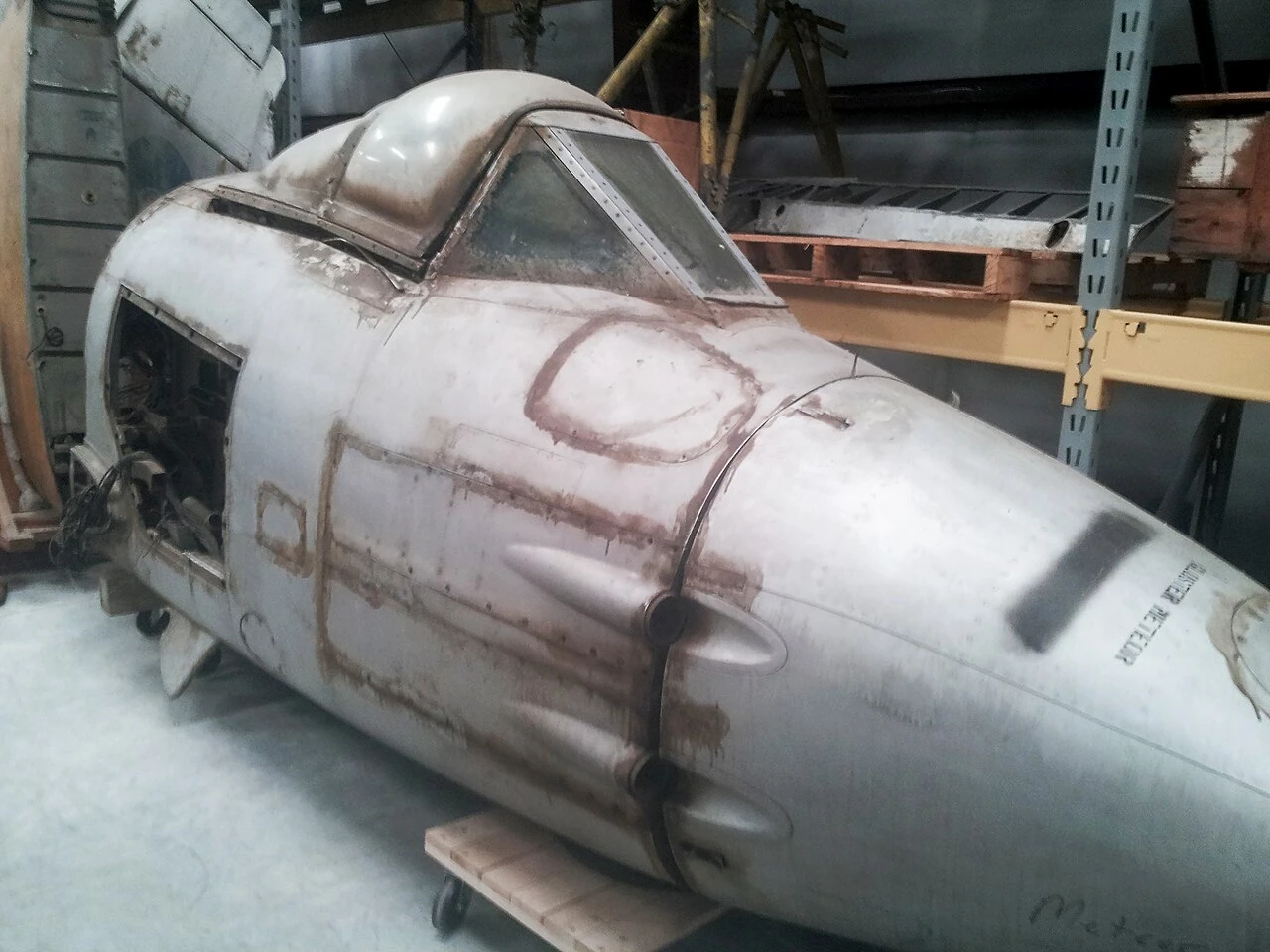
The Lutterworth Turbine
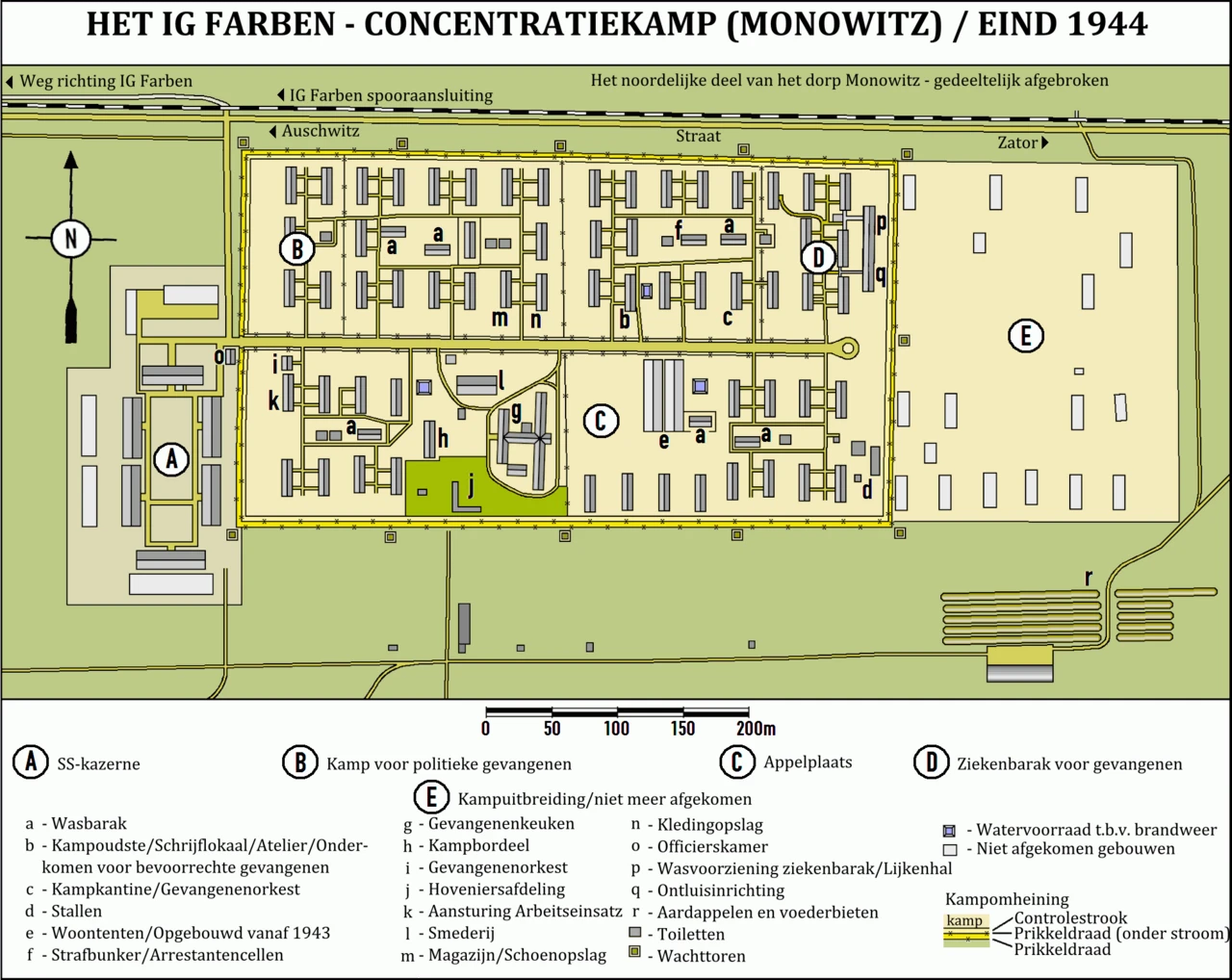
The Monowitz Construction Site
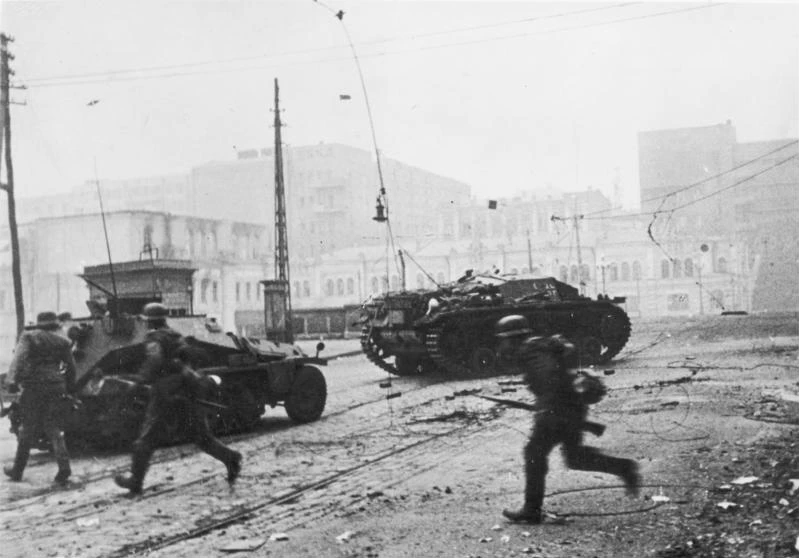
Soviet Sappers at Kharkov
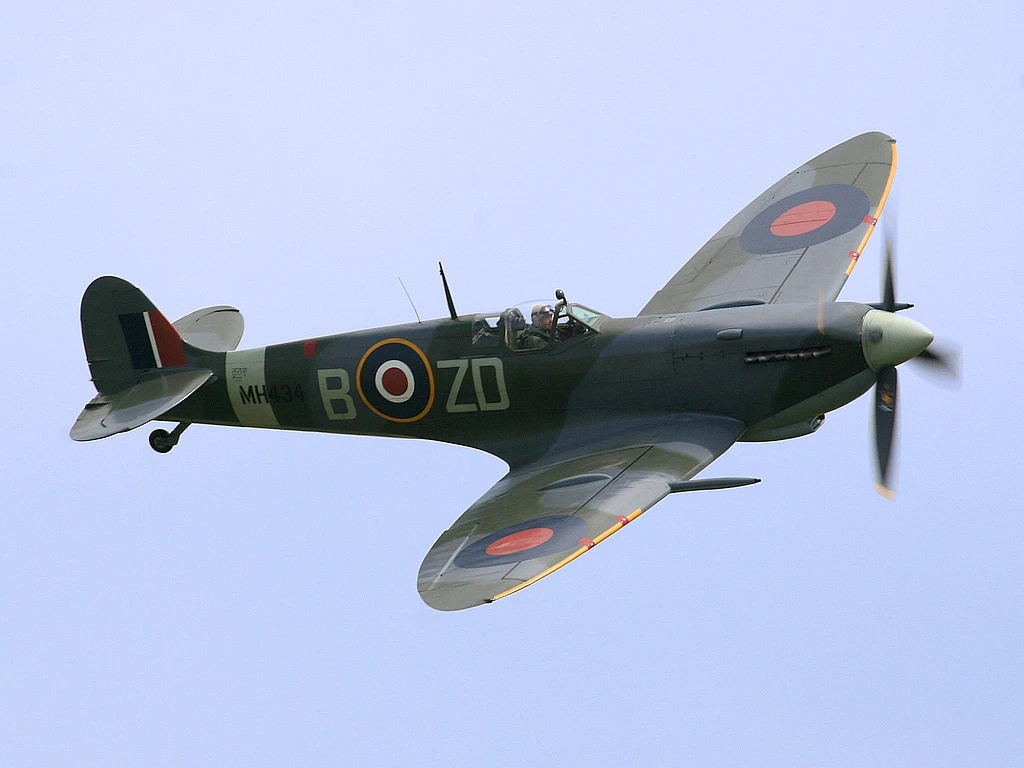
Castle Bromwich: car assembly lines to build the Spitfire
The tank of the future or the tanks of today?
The Tizard Mission's Trunk for America
Whittle, his jet engine and the rebellious combustion chamber
Breaking the night Blitz: who owns the darkness?
Car assembly lines for an aircraft engine
The Fourth Buna — Where to Site the Plant
The Lutterworth Turbine
The Monowitz Construction Site
Soviet Sappers at Kharkov
Castle Bromwich: car assembly lines to build the Spitfire