
The Warsaw Ghetto — the temptation of informing
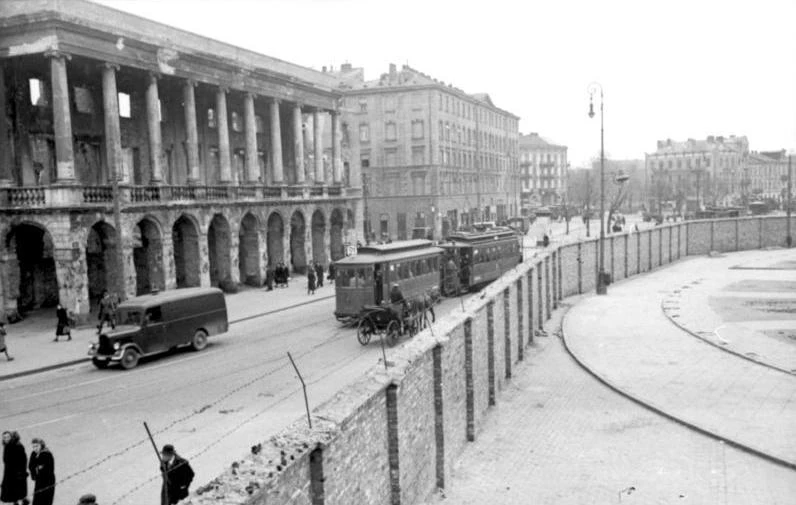
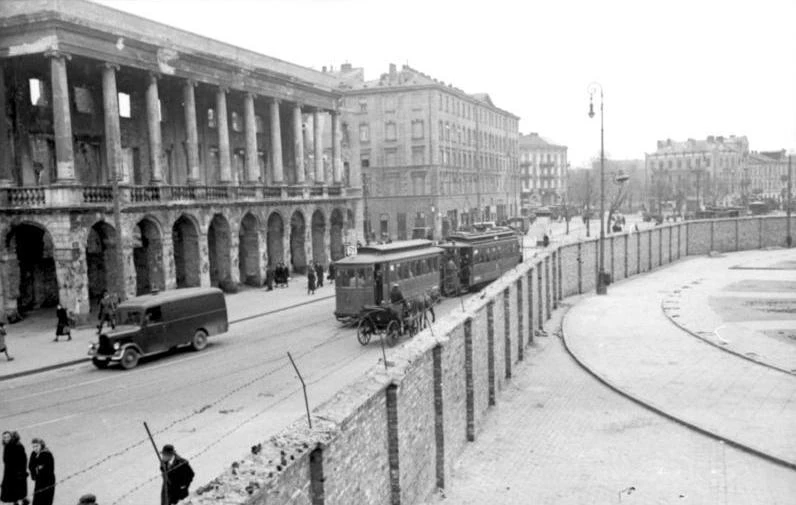
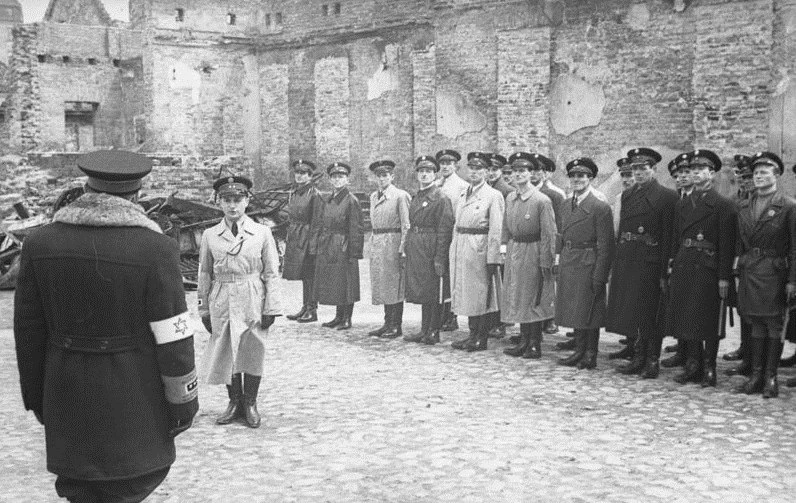
The Warsaw Ghetto was sealed on 16 November 1940. Inside, the occupier imposed a Jewish Council (Judenrat) chaired by and a Jewish Order Service (Jüdischer Ordnungsdienst), an internal police force overseen by the German authorities. Very quickly, among a starving and terrorized population, the occupier also sought informers: agents able to report hidden goods, the black market, clandestine activities, or fugitives.
The best-documented phenomenon is the "Group 13" (the Trzynastka), named for its headquarters at 13 Leszno Street. Founded in December 1940 and led by , this network of 300 to 400 uniformed men — nicknamed the "Jewish Gestapo" — reported directly to the Sicherheitsdienst. Under cover of an office combating profiteering, it extorted, blackmailed, and denounced. For a resident ruined by the lockdown, becoming an informer meant the promise of a little bread, a reprieve, sometimes protection for one's family — at the price of sending others to their death. To refuse was to remain exposed to the hunger and typhus that were already killing more than 5,000 people a month in the summer of 1941.
Attempting to cross to the "Aryan side" required luck, Polish contacts, and money, under the threat of the blackmailers (the szmalcownicy). The question, posed at the scale of a single anonymous individual among hundreds of thousands, sheds light on the grey areas of survival under occupation.
Approached to become an informer for the occupier, should a destitute ghetto resident accept, refuse, or try to cross over to the Aryan side?
In the Warsaw Ghetto, a minority, coerced or lured, agreed to serve the occupier as informers, but the vast majority of residents refused this path. The most visible collaboration networks — foremost among them 's "Group 13," some 300 to 400 men backed by the Sicherheitsdienst — were reviled and denounced by the underground press; the Group was dissolved during 1941, and Gancwajch, after continuing to serve the Germans, vanished without reliable trace from late 1942 onward. Informing thus remained a real but marginal fact, operating in the grey areas of hunger and fear, without ever becoming the norm for a population that, in its mass, refused to hand over its own.
Learn more about this event
Related polls
10
Studying in the Warsaw Ghetto
Clandestine teaching in the Warsaw Ghetto
The Jewish Schoolteacher of Kazimierz
Czerniaków — the Warsaw ghetto sealed
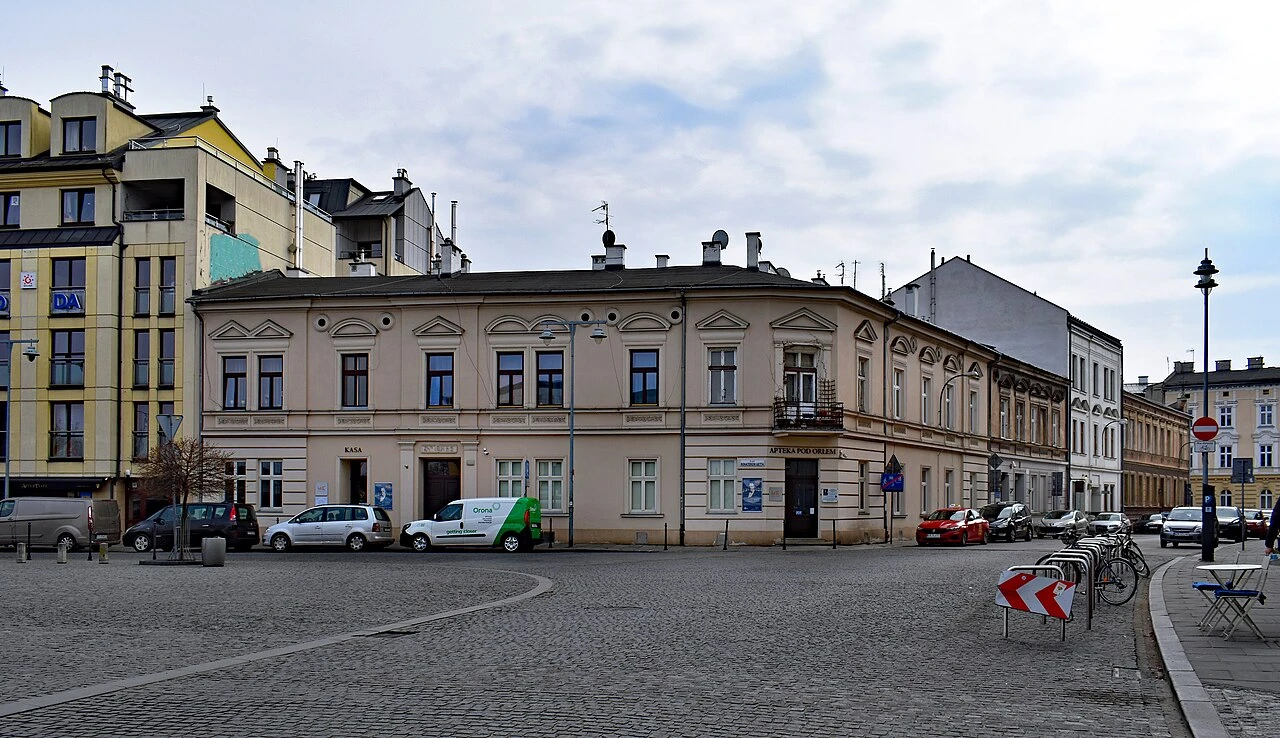
The apothecary of the Kraków Ghetto
Amsterdam, February 1941 — after the round-up
Czerniaków — the offer of the Judenrat
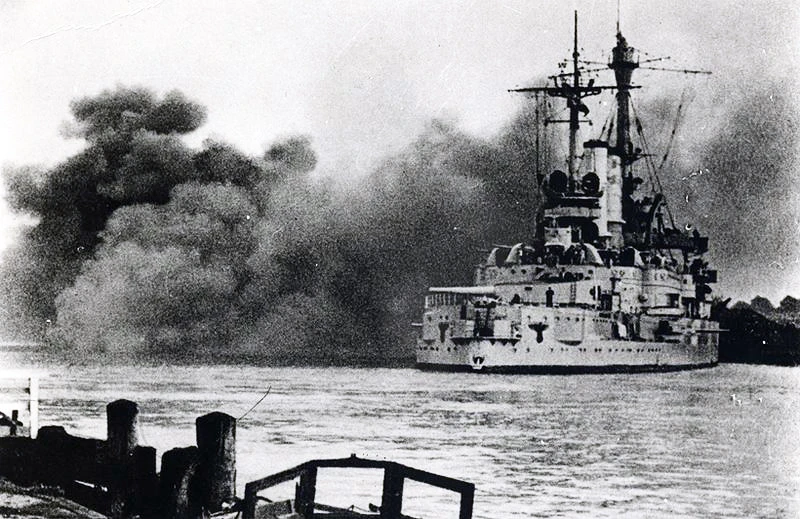
Danzig, September 1939 — the policeman of the Free City
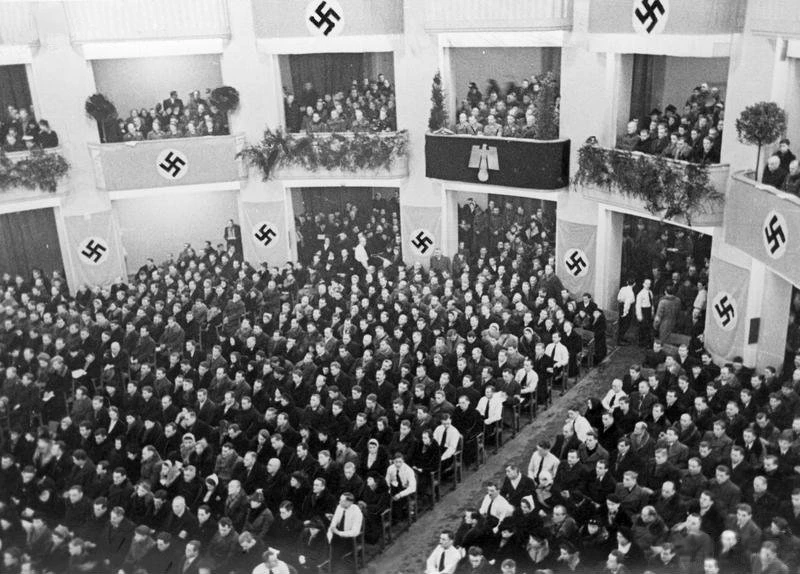
The Deutsche Volksliste — sign, or stay Polish
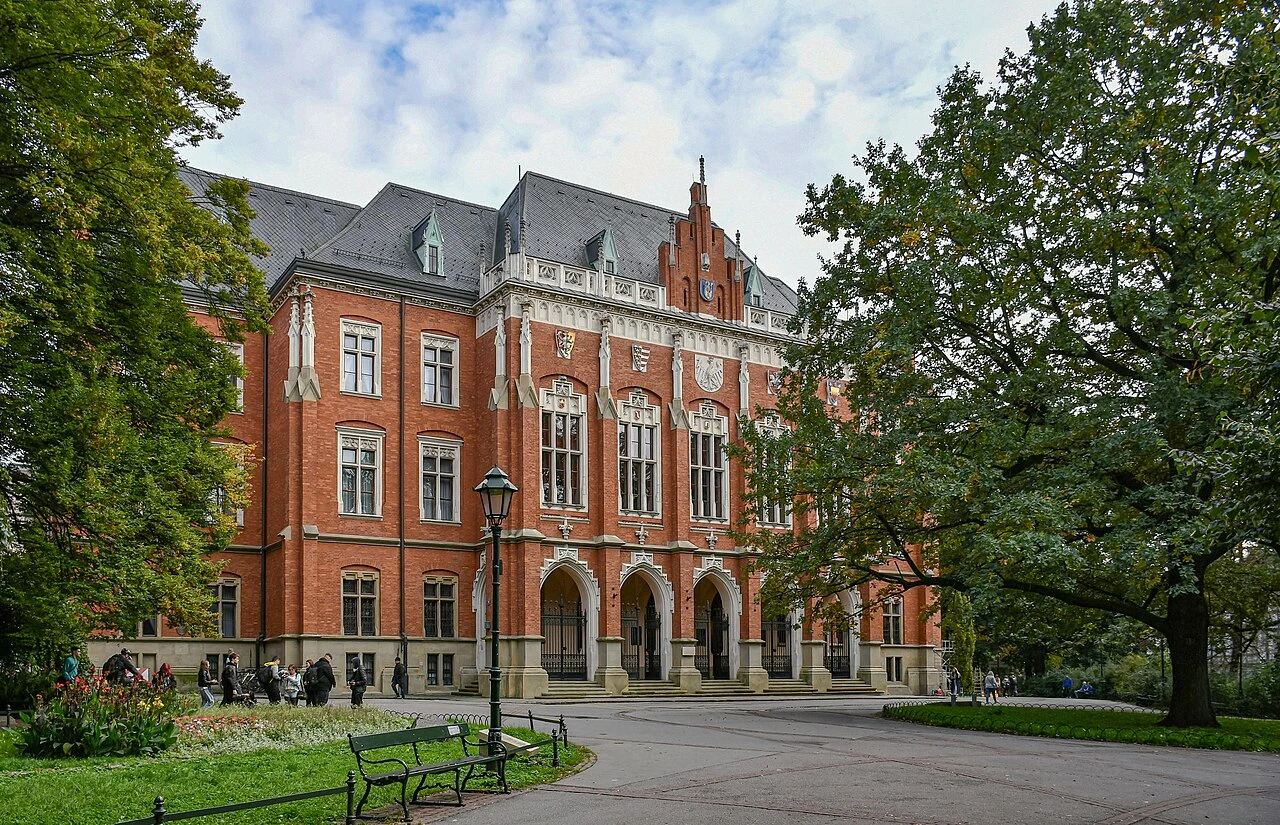
The Kraków Student After the Sonderaktion Krakau
Studying in the Warsaw Ghetto
Clandestine teaching in the Warsaw Ghetto
The Jewish Schoolteacher of Kazimierz
Czerniaków — the Warsaw ghetto sealed
The apothecary of the Kraków Ghetto
Amsterdam, February 1941 — after the round-up
Czerniaków — the offer of the Judenrat
Danzig, September 1939 — the policeman of the Free City
The Deutsche Volksliste — sign, or stay Polish