
Autumn 1939. The war in China drags on, Europe has just burst into flames, and prices are soaring in Tokyo. Military spending is inflating the money supply while imports of raw materials grow scarce. Each month, the yen buys a little less.
The cabinet of , formed in late August, has at its disposal the National General Mobilization Law (1938), which authorizes it to set prices, wages, and rents by imperial decree. But how should it act? Freeze the entire price apparatus in one stroke, or patiently build a grid of official prices sector by sector?
Each option has its cost: the brutality of a blanket freeze risks strangling producers and the market; the slowness of selective controls lets inflation run for months.
Faced with the surge in prices triggered by the war, which instrument does the government impose to stabilize the Japanese war economy?
The Abe cabinet chose the blanket freeze. Imperial Decree No. 703, the "Price Control Ordinance" (Kakaku-tō Tōsei-rei), promulgated on 18 October 1939 and enforced from 20 October under Article 19 of the National General Mobilization Law, froze all prices, wages, rents, transport, storage, and insurance charges at their level of 18 September 1939 — hence its nickname the "9-18 stop order" (9.18 stop order). Any increase beyond this ceiling was prohibited. The measure did not lastingly curb inflation: it fed a vast black market and worsened shortages, until it was replaced by the Price Control Ordinance of 1946.
Learn more about this event
Related polls
10
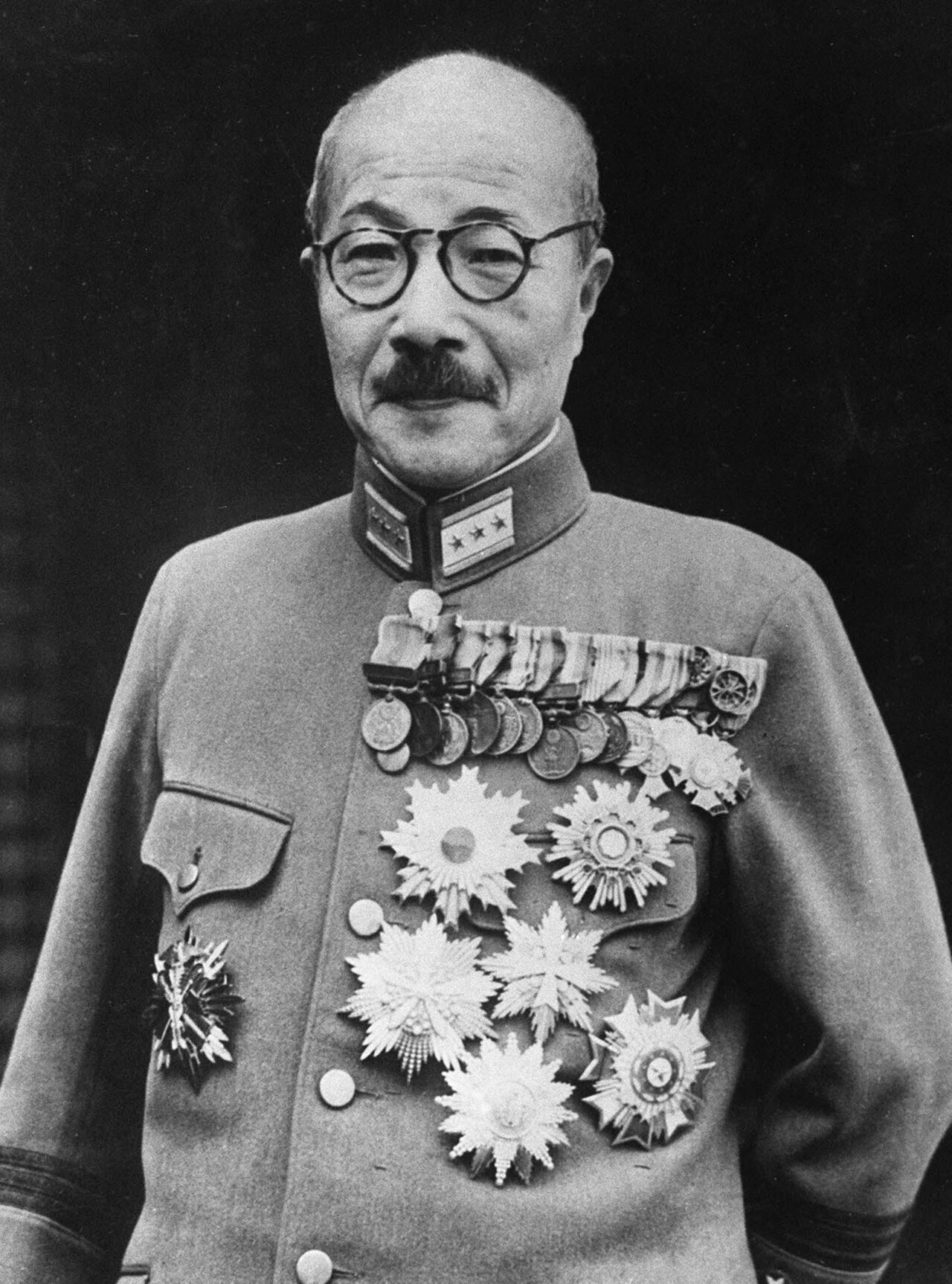
Japan and the Southern Resource Zone
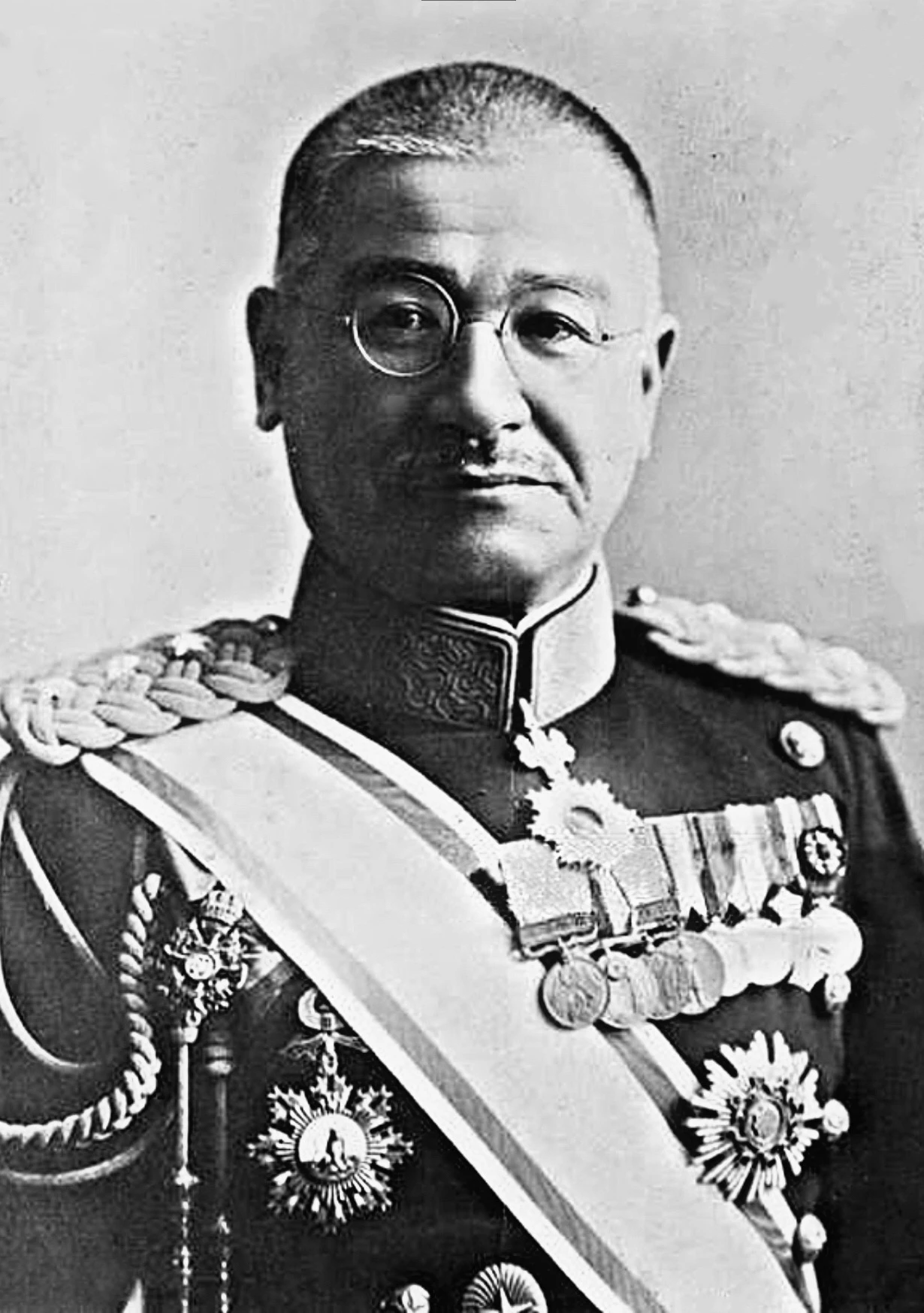
The Shinkolobwe Ore — a Belgian industrialist confronting the Congo's uranium
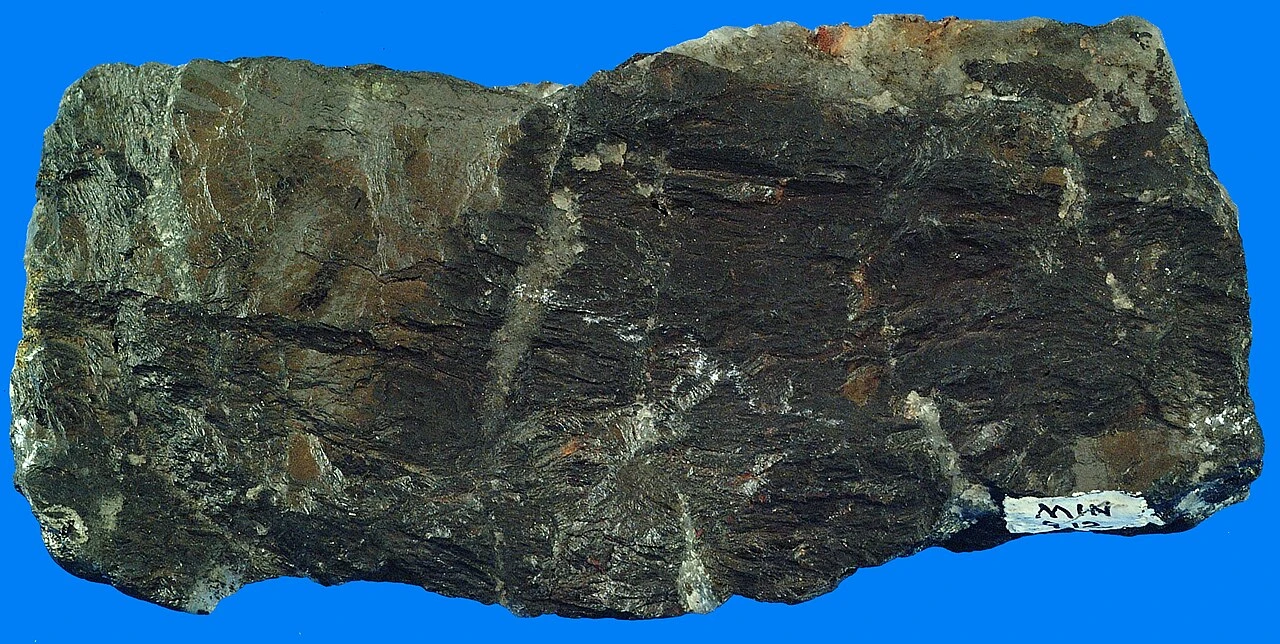
Chongqing's Strategic Ore

Northward or southward
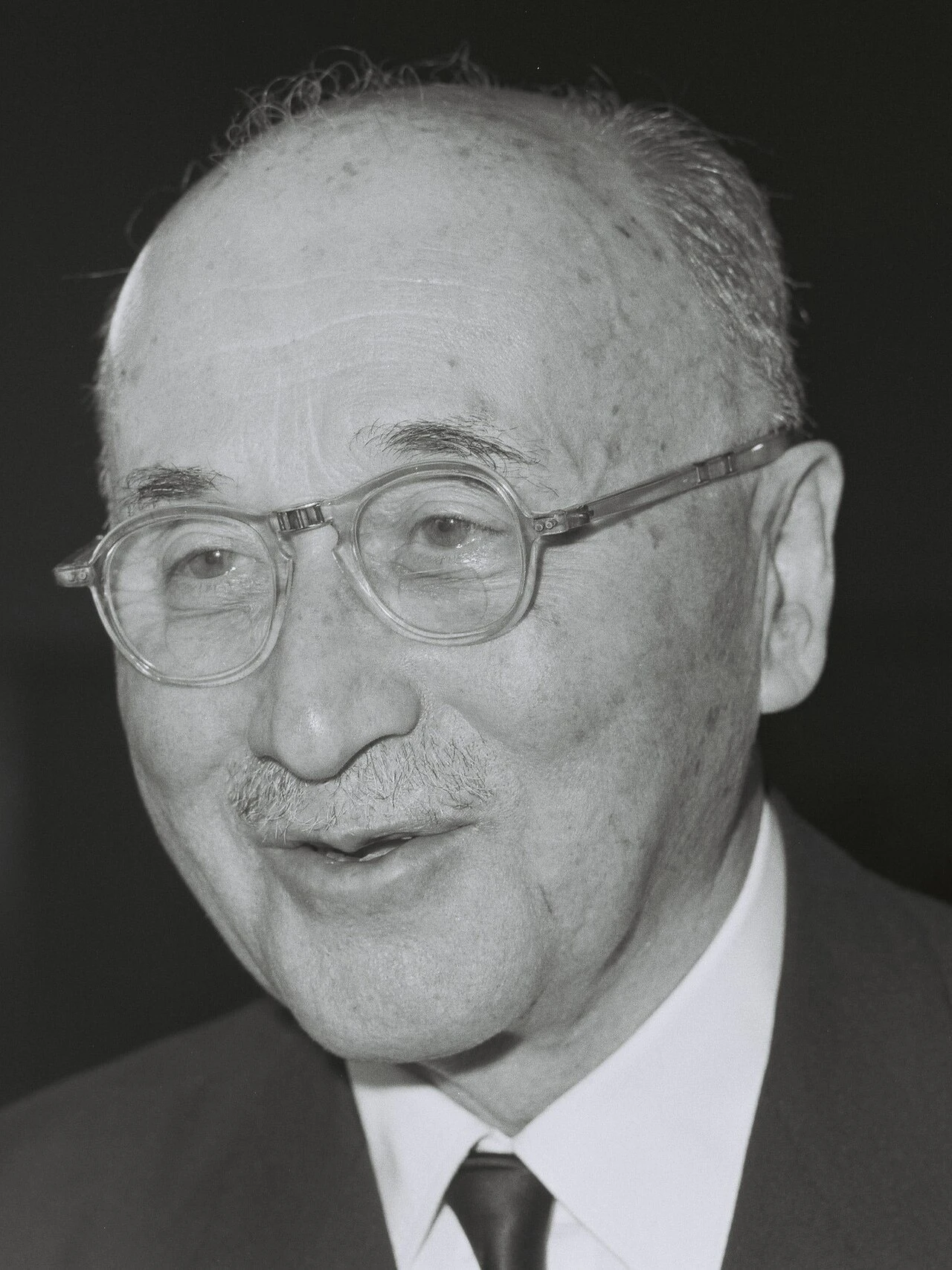
Buy Each for Themselves or with a Single Voice
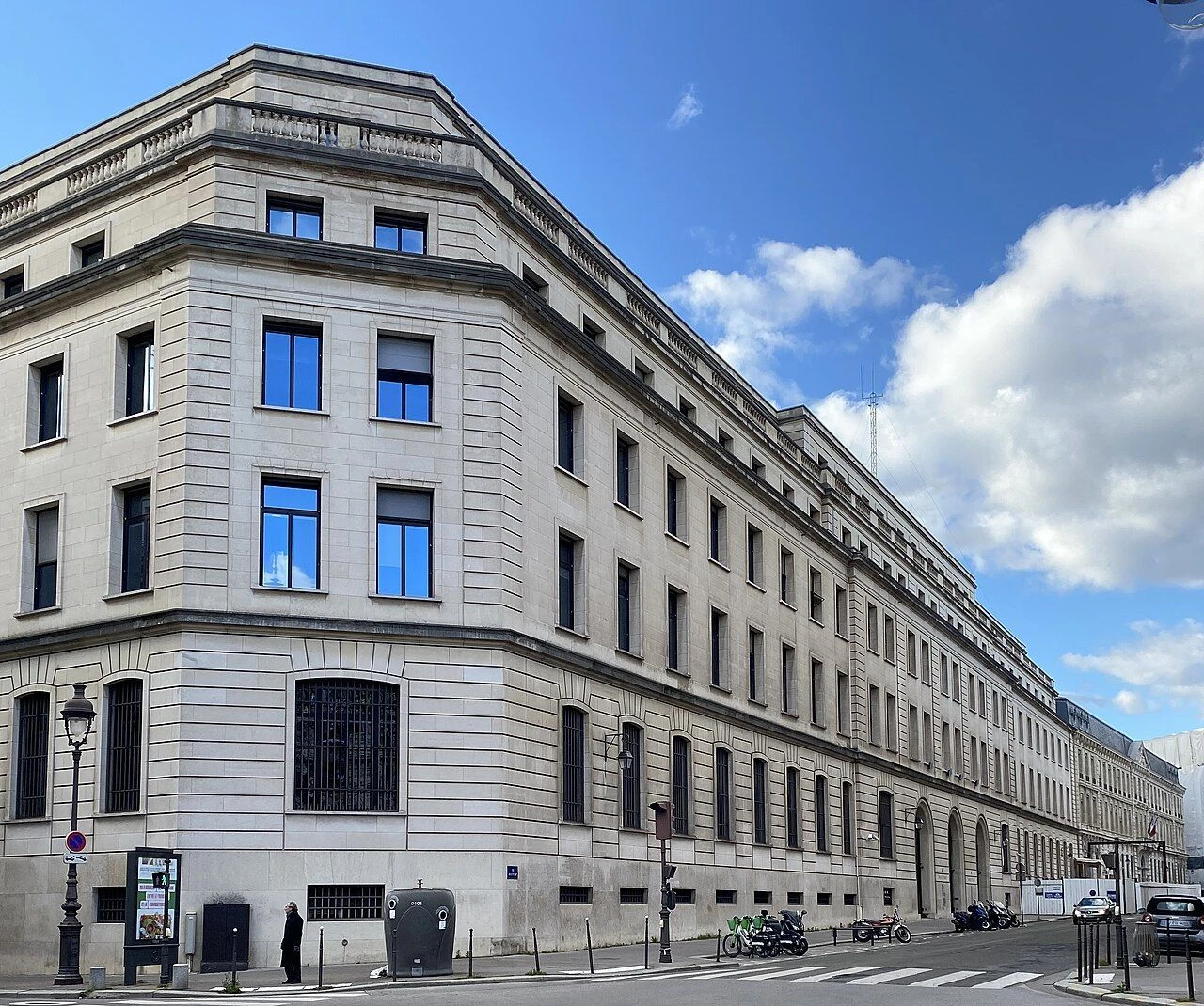
Baumgartner and the gold of the Banque de France
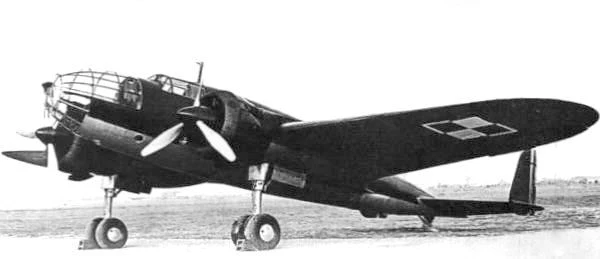
Carol II in Bucharest — the Romanian balance
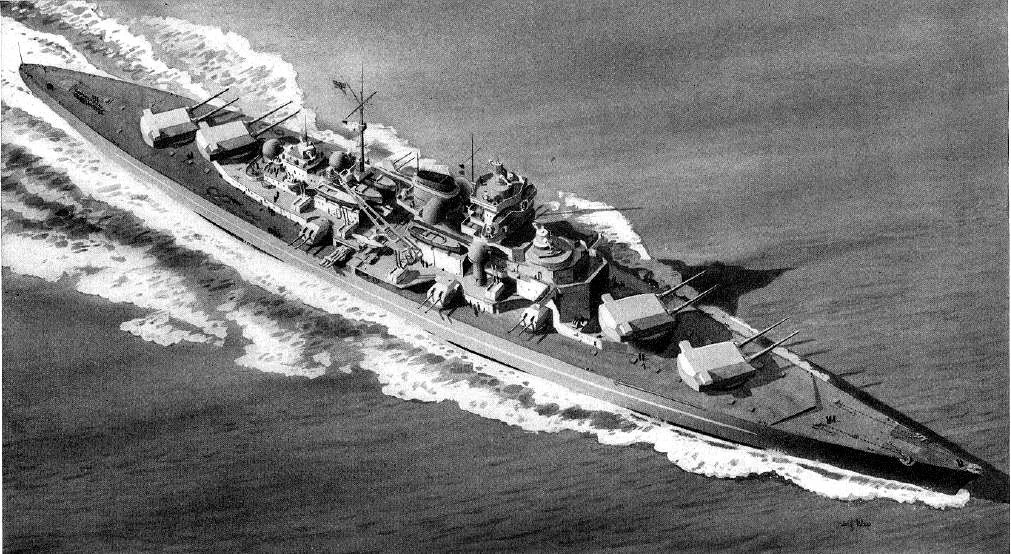
Goering — the economic mobilization plan

The Gears of Neutrality
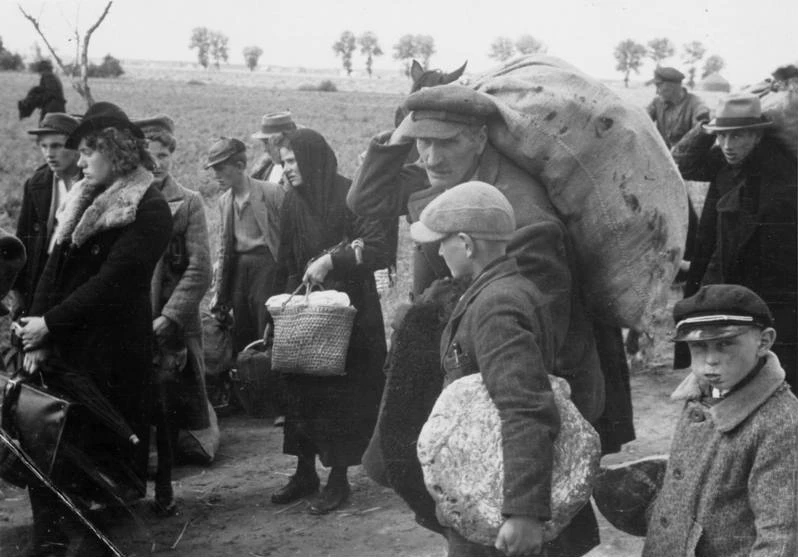
The Warsaw Student and the Black Market
Japan and the Southern Resource Zone
The Shinkolobwe Ore — a Belgian industrialist confronting the Congo's uranium
Chongqing's Strategic Ore
Northward or southward
Buy Each for Themselves or with a Single Voice
Baumgartner and the gold of the Banque de France
Carol II in Bucharest — the Romanian balance
Goering — the economic mobilization plan
The Gears of Neutrality