
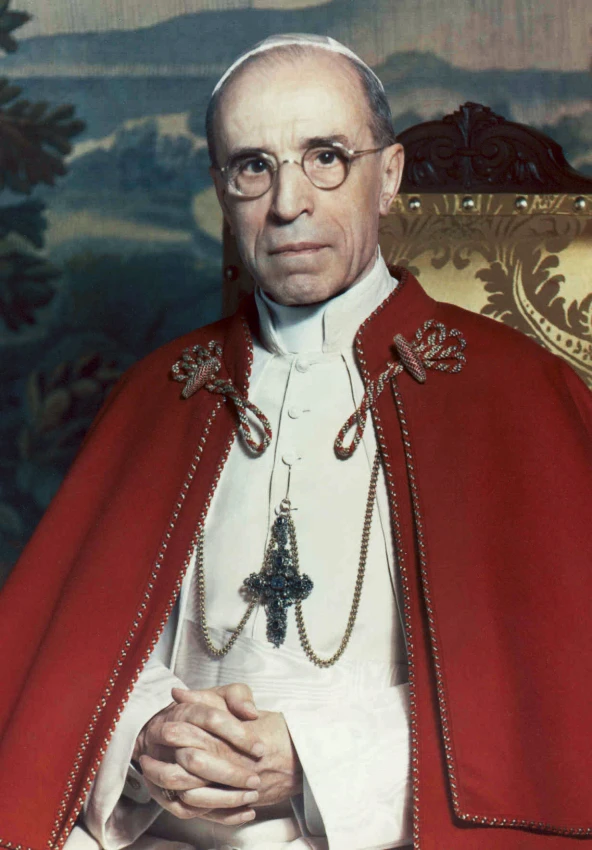
Elected on 2 March 1939, Pope — the former Cardinal Secretary of State , a keen connoisseur of Germany where he had been nuncio — inherits a Europe on the brink of the abyss. The annexation of Czechoslovakia in March, the invasion of Albania by Italy in April, the denunciation of the pacts by Hitler at the end of April: the signs of war multiply.
The Holy See possesses a unique moral authority but no material force. weighs the idea of a mediation: convening a conference of the five powers directly concerned — Germany, Italy, France, the United Kingdom and Poland — to defuse the disputes over Danzig and the corridor.
The initiative is risky. A public failure would weaken pontifical prestige; a step judged too favourable to one of the parties would impair the neutrality of the Holy See; and nothing guarantees that Berlin, which cares nothing for arbitration, would agree to sit at the table.
In early May 1939, the Pope must decide whether or not to launch this appeal publicly through his nuncios. The slightest misstep would compromise the moral authority of a pontificate barely begun, in a Europe where no one seems willing any longer to heed appeals for moderation.
Should Pius XII launch a public mediation between the powers, at the risk of a resounding failure?
chooses A: in early May 1939, he has the five governments sounded out with a view to a peace conference. The response is lukewarm, even negative. Berlin, which wants no international arbitration, evades; the other capitals do not believe in its success without Germany. The initiative dies out within a few days without being able to take shape. It is the first of a series of pontifical efforts for peace that will all run up against the determination of the belligerents. The Pope will then turn to a more discreet diplomacy. The Holy See will henceforth concentrate its action on humanitarian assistance and confidential approaches to the belligerents.
Learn more about this event
Related polls
10
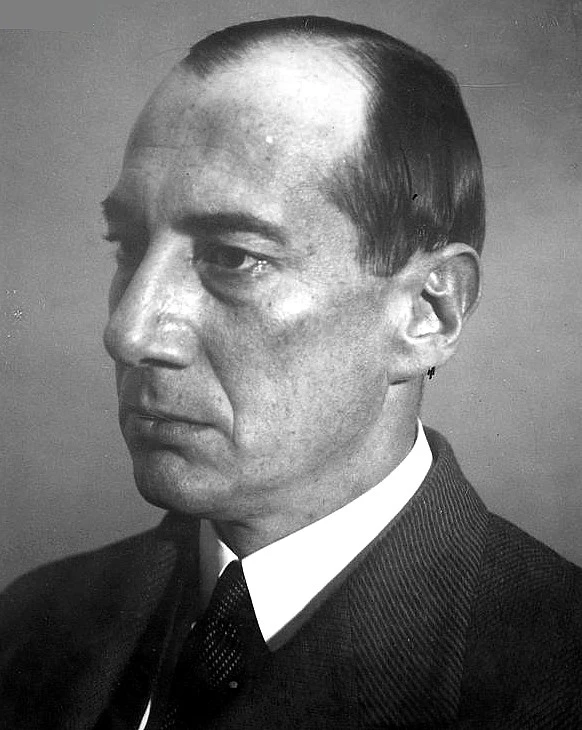
Beck Before the Sejm
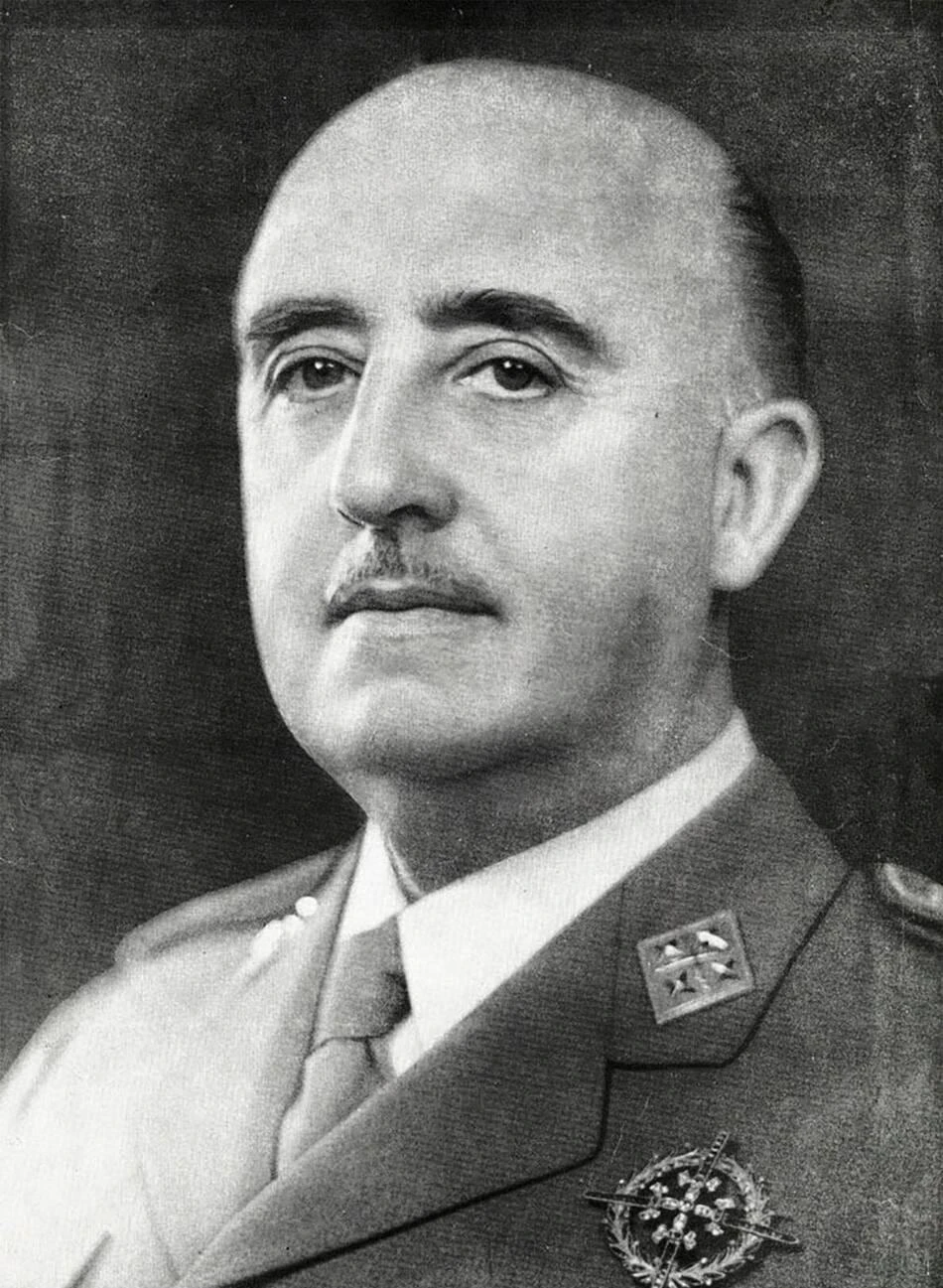
The Victory Parade in Madrid
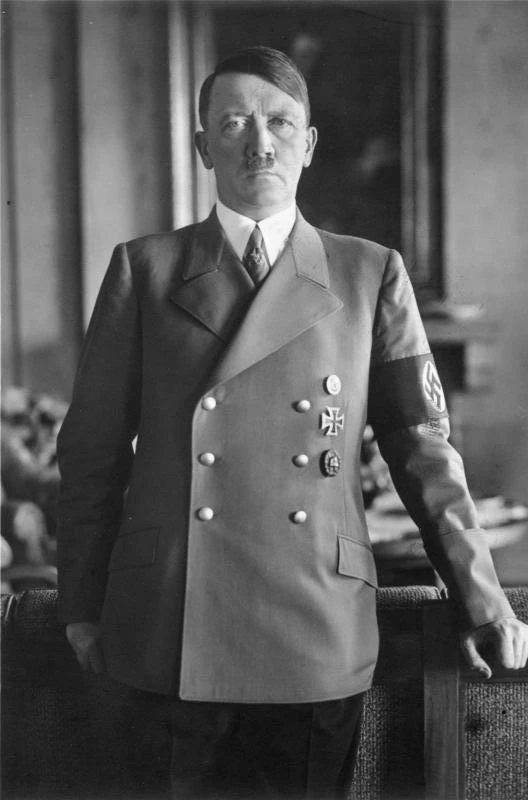
Hitler at the Reichstag rostrum
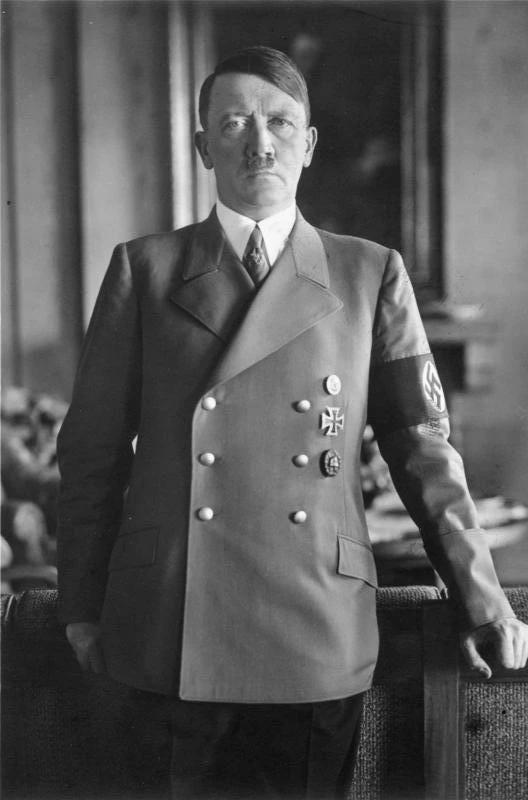
Hitler Before His Generals
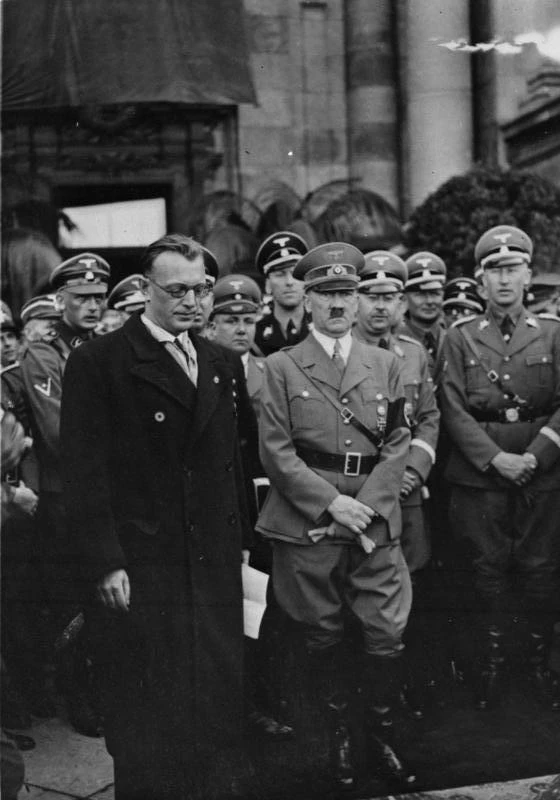
The Jewish Lawyer of Vienna Facing Exile
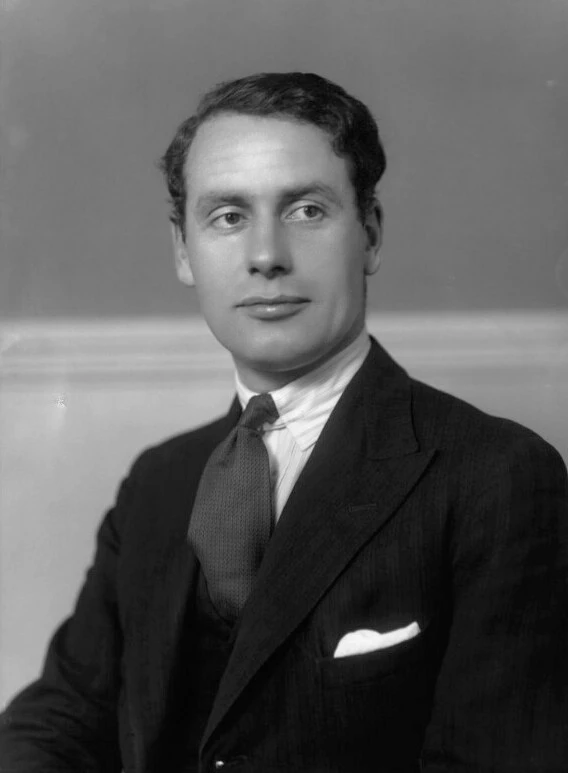
The White Paper on Palestine
Nogara and the Vatican portfolio
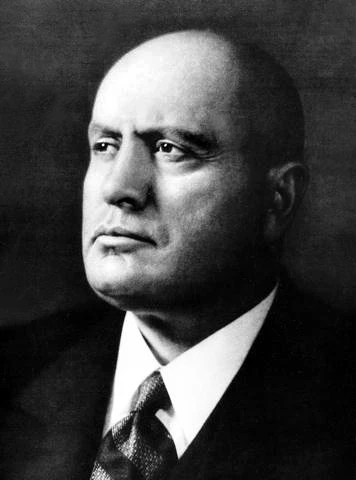
The Pact of Steel
Pius XII — Summi Pontificatus
The Dismissal of Litvinov
Beck Before the Sejm
The Victory Parade in Madrid
Hitler at the Reichstag rostrum
Hitler Before His Generals
The Jewish Lawyer of Vienna Facing Exile
The White Paper on Palestine
Nogara and the Vatican portfolio
The Pact of Steel
Pius XII — Summi Pontificatus