
Returning from the exodus, tens of thousands of Belgian families find their homes damaged or destroyed by the fighting and bombing of May 1940 — tens of thousands of buildings have been hit across the country. Under occupation, and amid general shortage, they must decide what to do with these ruins.
For you, the options are harsh. To rebuild or repair as quickly as possible, with whatever is at hand and the few materials available, in order to have a roof again before winter. To wait for hypothetical compensation or public aid, while finding temporary lodging elsewhere. Or to leave the devastated locality and settle where work and housing still remain.
The shortage of materials, the lack of money, the uncertainty over compensation and the presence of the occupier complicate everything. Should one rebuild oneself, wait, or leave? Reconstruction, in an occupied and impoverished country, becomes one of the concrete ordeals of the post-collapse period for those affected.
Should our stricken family rebuild as quickly as possible, wait for aid, or leave the devastated locality?
Lacking the means and faced with the urgent need for a roof before winter, many resort to A (makeshift repairs) while hoping for B. The Belgian administration under occupation sets up schemes to aid those affected and to compensate war damage, but the shortage of materials, the priority given to the occupier's needs and the weakness of resources considerably slow reconstruction. For families, the summer of 1940 is one of precarious repairs, making do and waiting. The reconstruction of the localities destroyed in May 1940 will stretch over years, sometimes well beyond the war. It illustrates the lasting material weight of the collapse on the daily life of civilians.
Learn more about this event
Related polls
10

The burgomaster faced with requisitions
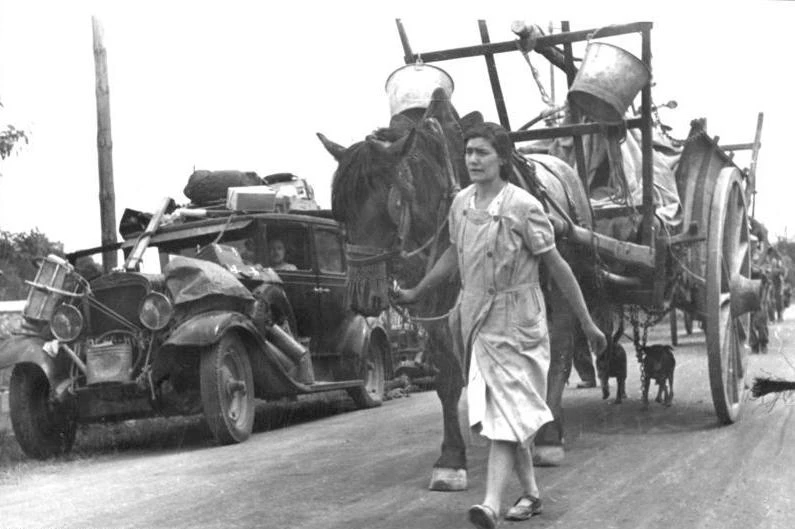
The Repatriation of the Refugees

The Red Cross and the Missing
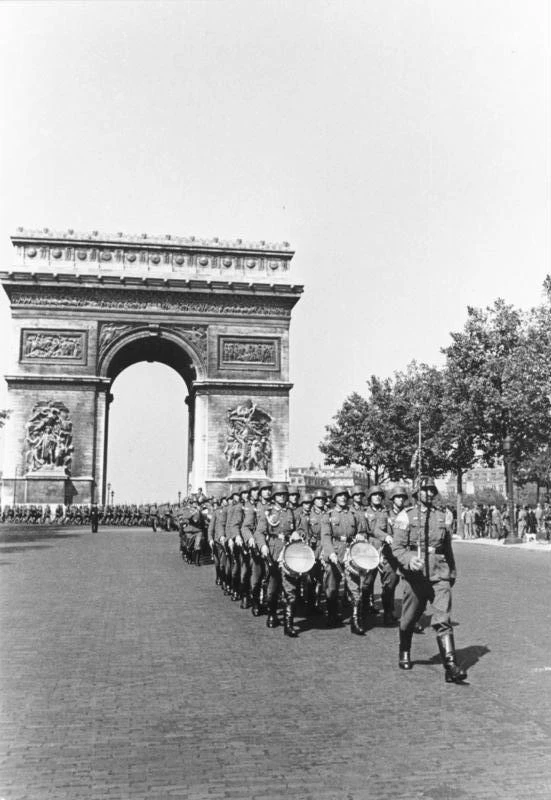
The Press under German Control
Provisioning and the Black Market
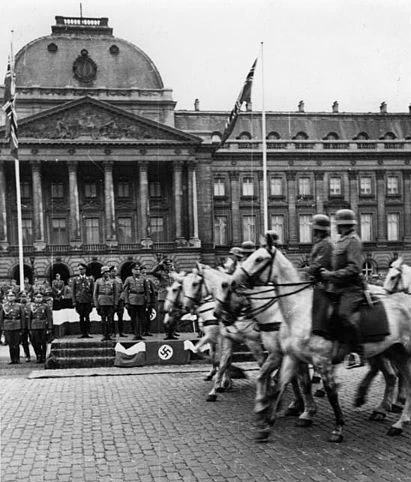
Going back to work under the occupier
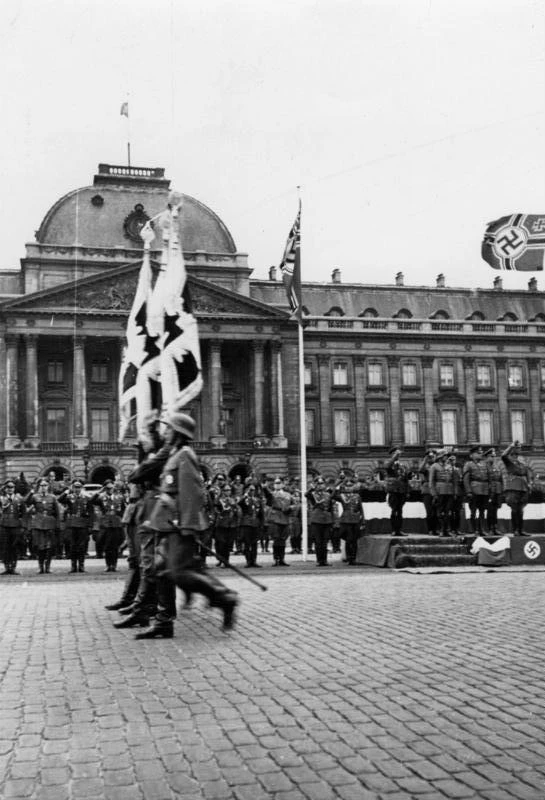
Resuming a "Normal" Life
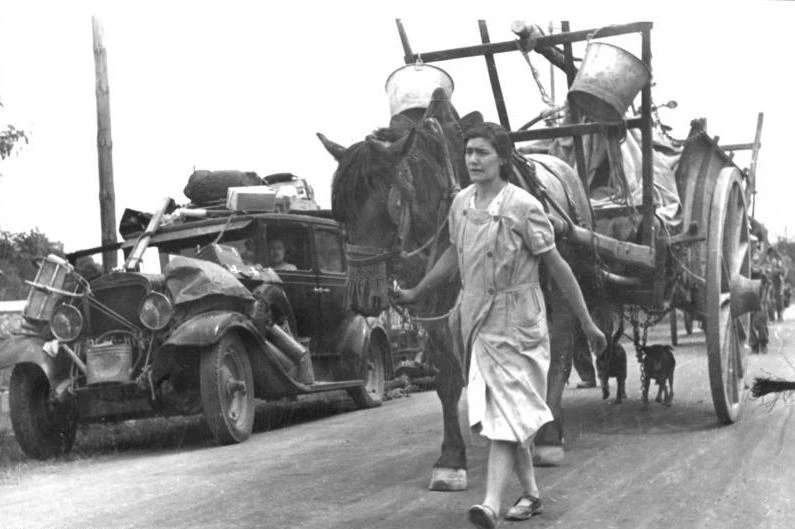
The return from the exodus
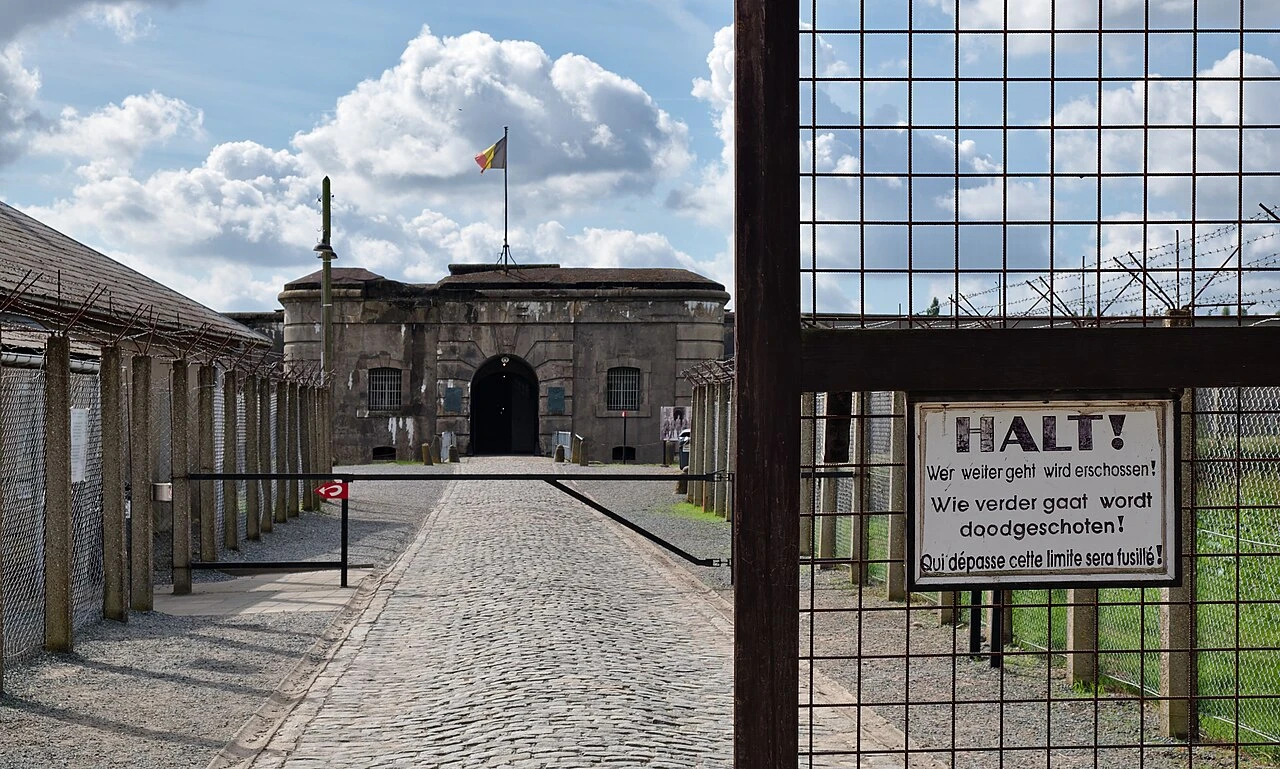
Reopening the School under the Occupation
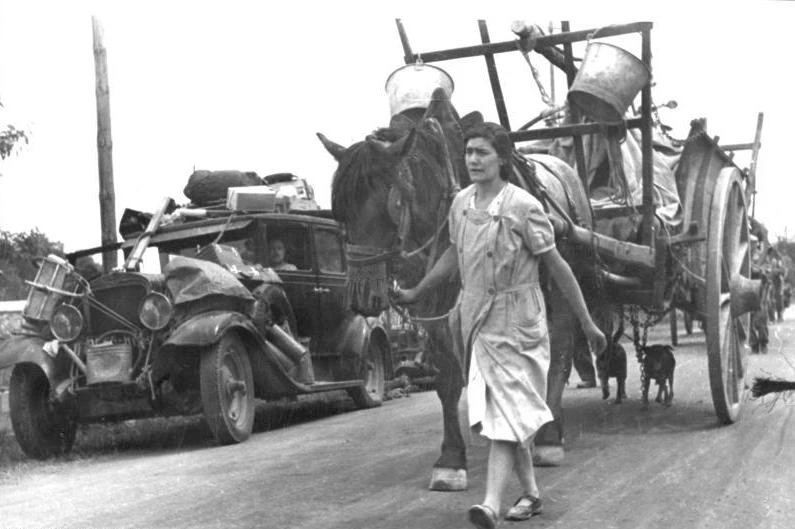
The exodus — flee or stay
The burgomaster faced with requisitions
The Repatriation of the Refugees
The Red Cross and the Missing
The Press under German Control
Provisioning and the Black Market
Going back to work under the occupier
Resuming a "Normal" Life
The return from the exodus
Reopening the School under the Occupation