
The French engineers at Sedan
At Sedan, the defence rested on the line of the Meuse: as long as the river was not crossed, the German breakthrough was contained. The French engineers were charged with preparing the destruction of the bridges and hindering any crossing, while the infantry and artillery held the south bank. But the sector was defended by mediocre reserve units, and coordination left much to be desired.
On 13 May, under the deluge of Stukas, the situation deteriorated. The engineers had to decide how to use their means. They could destroy all bridges and crossings without delay, even at the cost of isolating any friendly elements on the north bank. They could wait for clear orders, at the risk of being outpaced by an enemy already crossing in boats. Or they could concentrate their effort on mining and obstacles as close as possible to the probable crossing points.
Speed and coordination were vital: a successful crossing by the enemy, for want of effective demolitions and obstacles, would open the decisive breach. Yet the disorganisation, the nascent panic (Bulson) and German air supremacy compromised the engineers' action at the crucial moment.
Should the Sedan engineers destroy everything without delay, wait for orders, or concentrate their obstacles at the crossing points?
In the confusion, the engineers' action was insufficient and poorly coordinated: although some bridges were destroyed, the defence of the Meuse at Sedan collapsed above all because the infantry and artillery of the , pounded by the Stukas and seized by panic (Bulson), ceased to hold the south bank — allowing the German infantry to cross in boats and establish a bridgehead by the evening of 13 May. The rupture stemmed less from a poorly destroyed bridge than from the collapse of the bank defence. Sedan illustrates that, against a war of movement supported by air power, the obstacle of a river is worth only as much as the solidity of the troops holding it — and here, those troops gave way.
Learn more about this event
Related polls
10
Boulogne — Fox-Pitt and the Guards facing the port
Bulson — Lafontaine and the 02:00 rumour
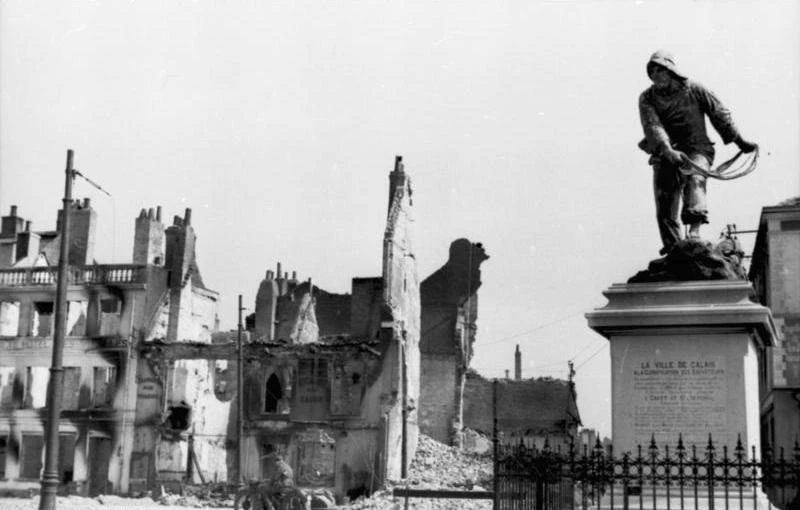
Calais — Nicholson facing the ultimatum
The Defence of Boulogne
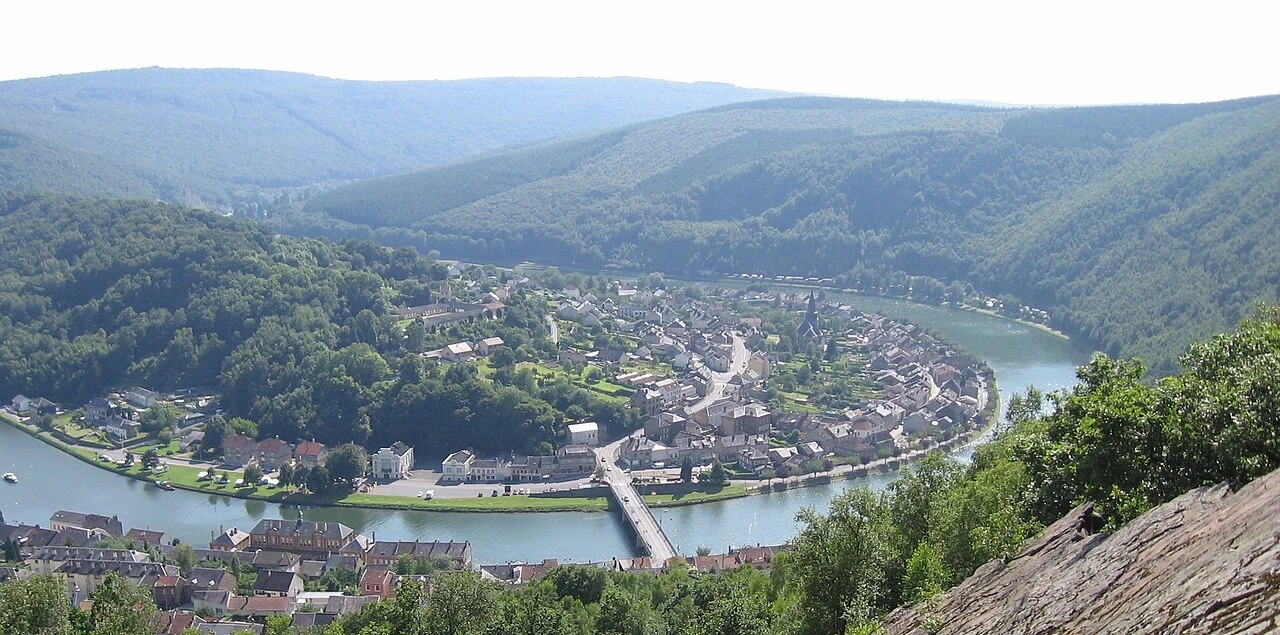
Monthermé — Portzert in the Meuse loop
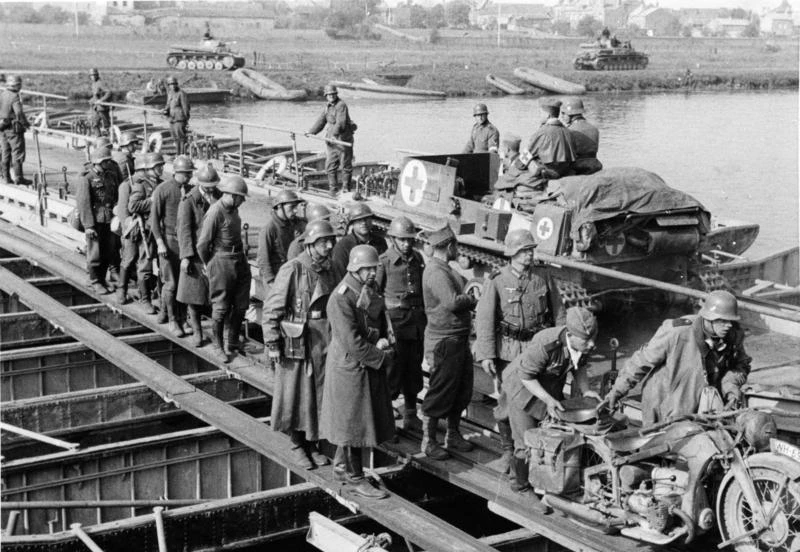
The panic of Bulson
Stonne — Billotte facing the Panzer column
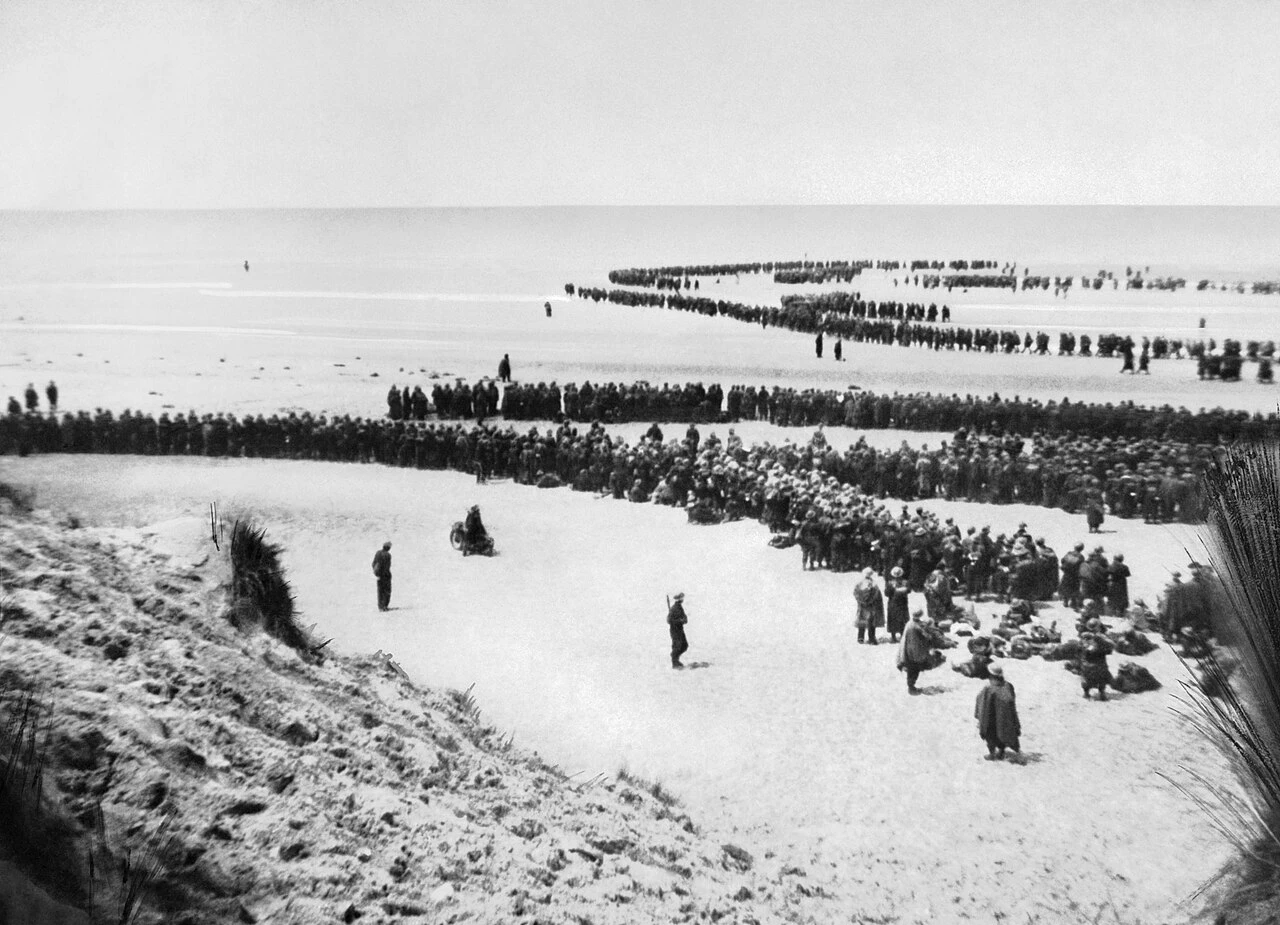
The French Rearguard at Dunkirk
The Weygand Line on the Somme
The Lille Pocket
Boulogne — Fox-Pitt and the Guards facing the port
Bulson — Lafontaine and the 02:00 rumour
Calais — Nicholson facing the ultimatum
The Defence of Boulogne
Monthermé — Portzert in the Meuse loop
The panic of Bulson
Stonne — Billotte facing the Panzer column
The French Rearguard at Dunkirk
The Weygand Line on the Somme