
De Gaulle calls on Churchill — 9 June
Under-Secretary of State for four days, makes his first mission to London on 9 June. Reynaud sends him with an urgent demand: that Churchill immediately commit the last available Hurricane fighter squadrons to France. Weygand wanted to deny him an aircraft; de Gaulle has used Reynaud to overrule him.
He meets at 10 Downing Street in the late afternoon. It is their first direct face-to-face: de Gaulle speaks correct English, Churchill rough French. The Frenchman gauges the situation better than many in Paris: he knows the army will not hold much longer and that Reynaud is wavering, surrounded by the partisans of armistice.
The official mission — to obtain aircraft — has little chance of success, because Churchill means to keep his fighters for the defence of England. It falls to de Gaulle to choose the register: stick to Reynaud's request, or quietly prepare Churchill for the hypothesis of a France that would continue the war by other means — perhaps with another interlocutor than the sitting government.
What register should de Gaulle adopt with Churchill?
De Gaulle leans mainly on B: he raises with Churchill the idea of a Breton redoubt and the continuation of war from the Empire, while passing on the request for aircraft, which comes to nothing. The meeting marks both men. Churchill will note in his memoirs his first impression of a "tall, impassive, imperturbable young figure." This encounter ties a relationship destined to become central — and stormy — to Free France. Nine days later, it is from London that de Gaulle will launch his Appeal. 9 June brings no Hurricanes, but it installs de Gaulle in the British landscape at the precise moment France collapses.
Learn more about this event
Related polls
10
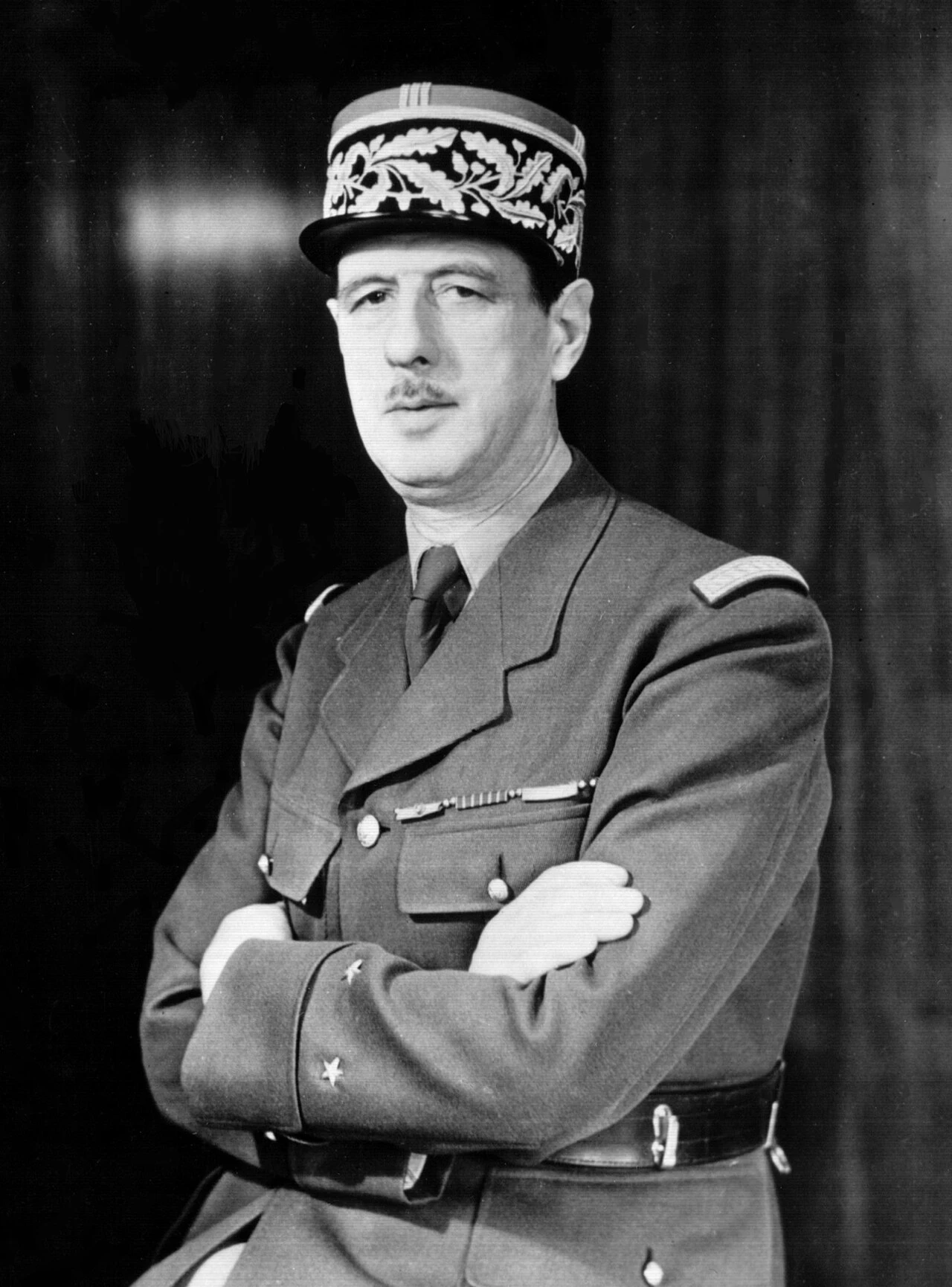
De Gaulle joins the government — 5 June
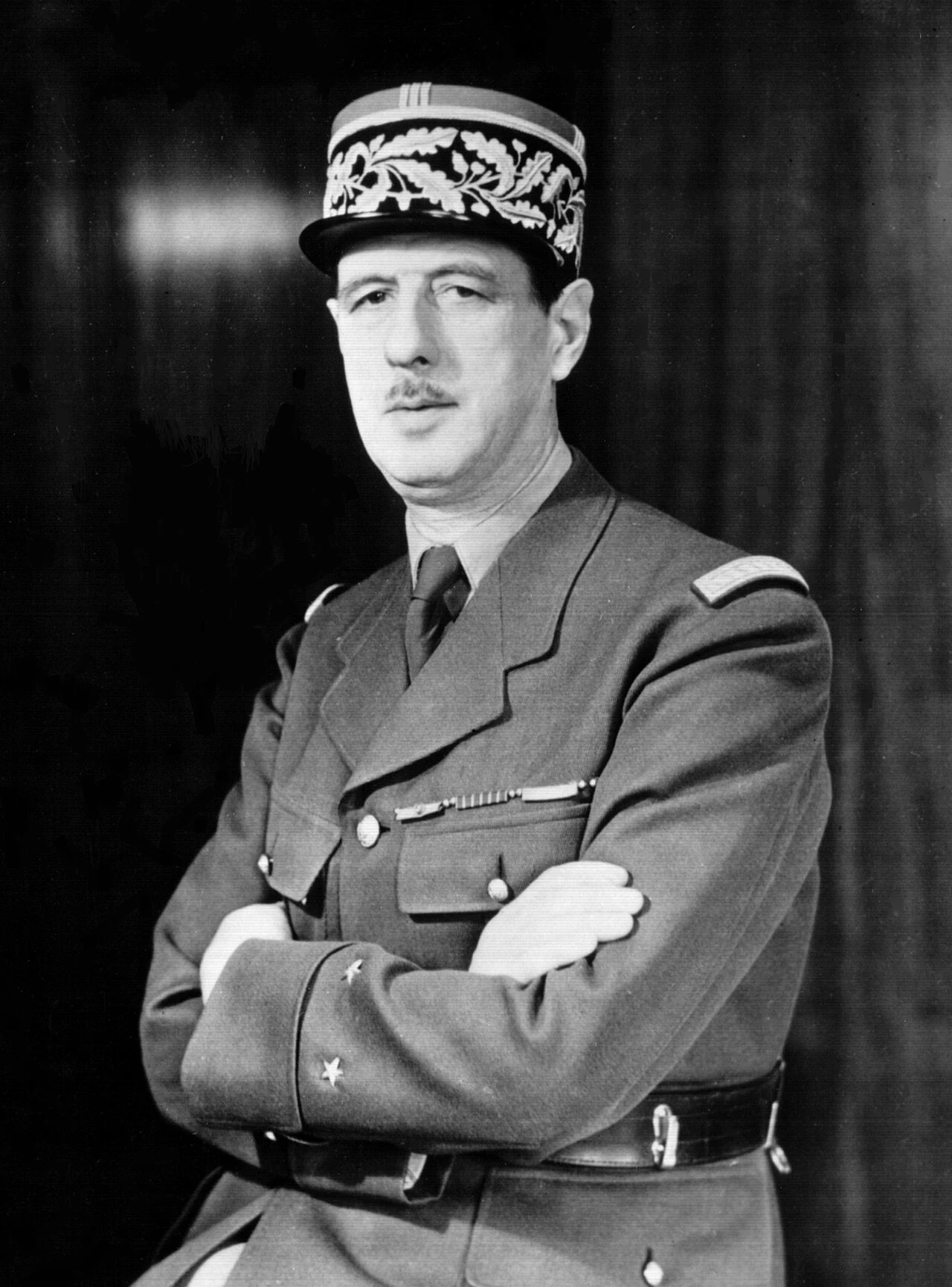
The Franco-British union — 16 June
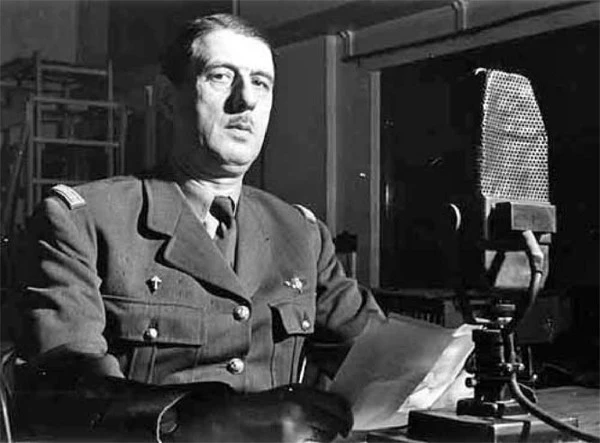
The Appeal of 18 June
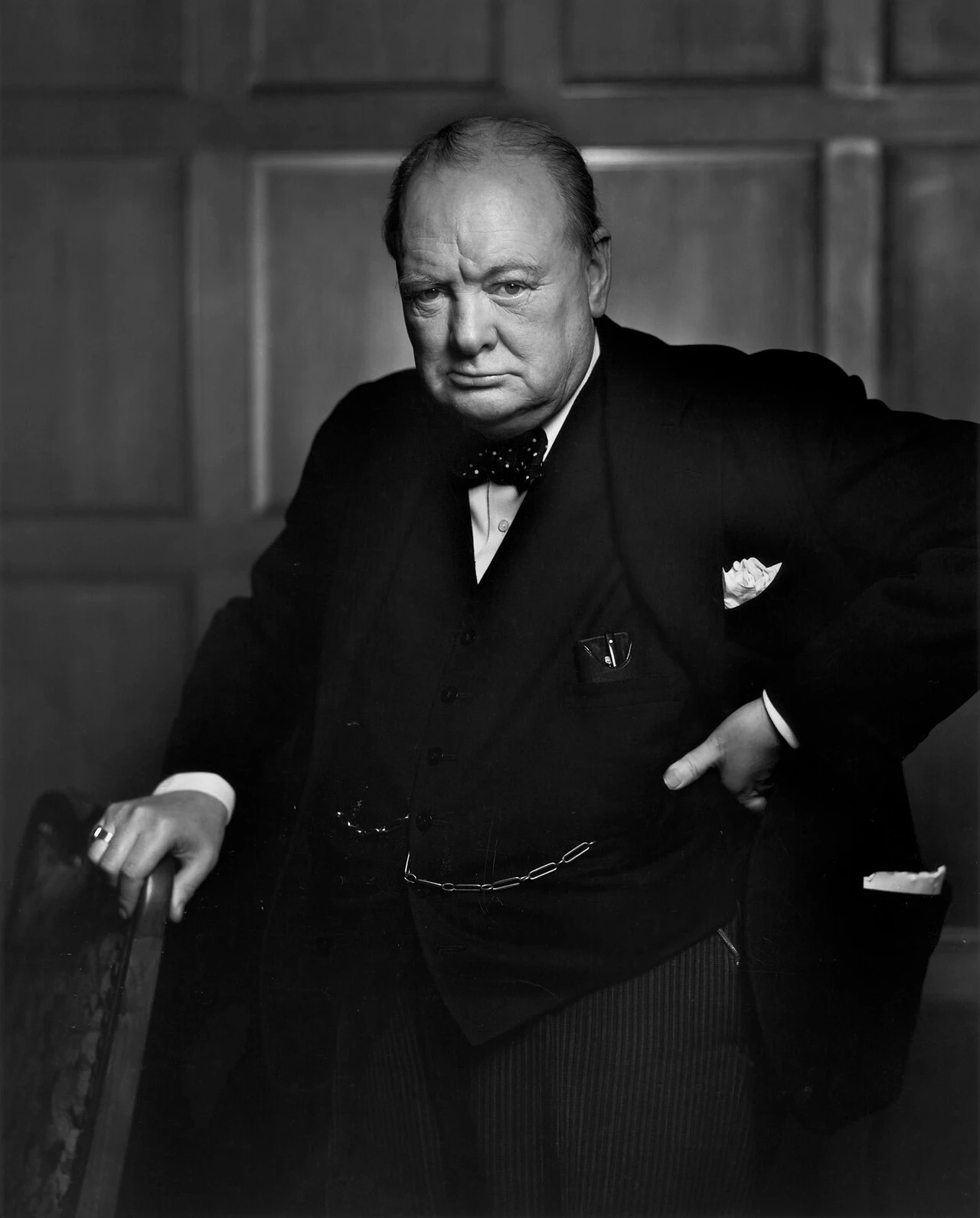
Auchinleck replaces Wavell
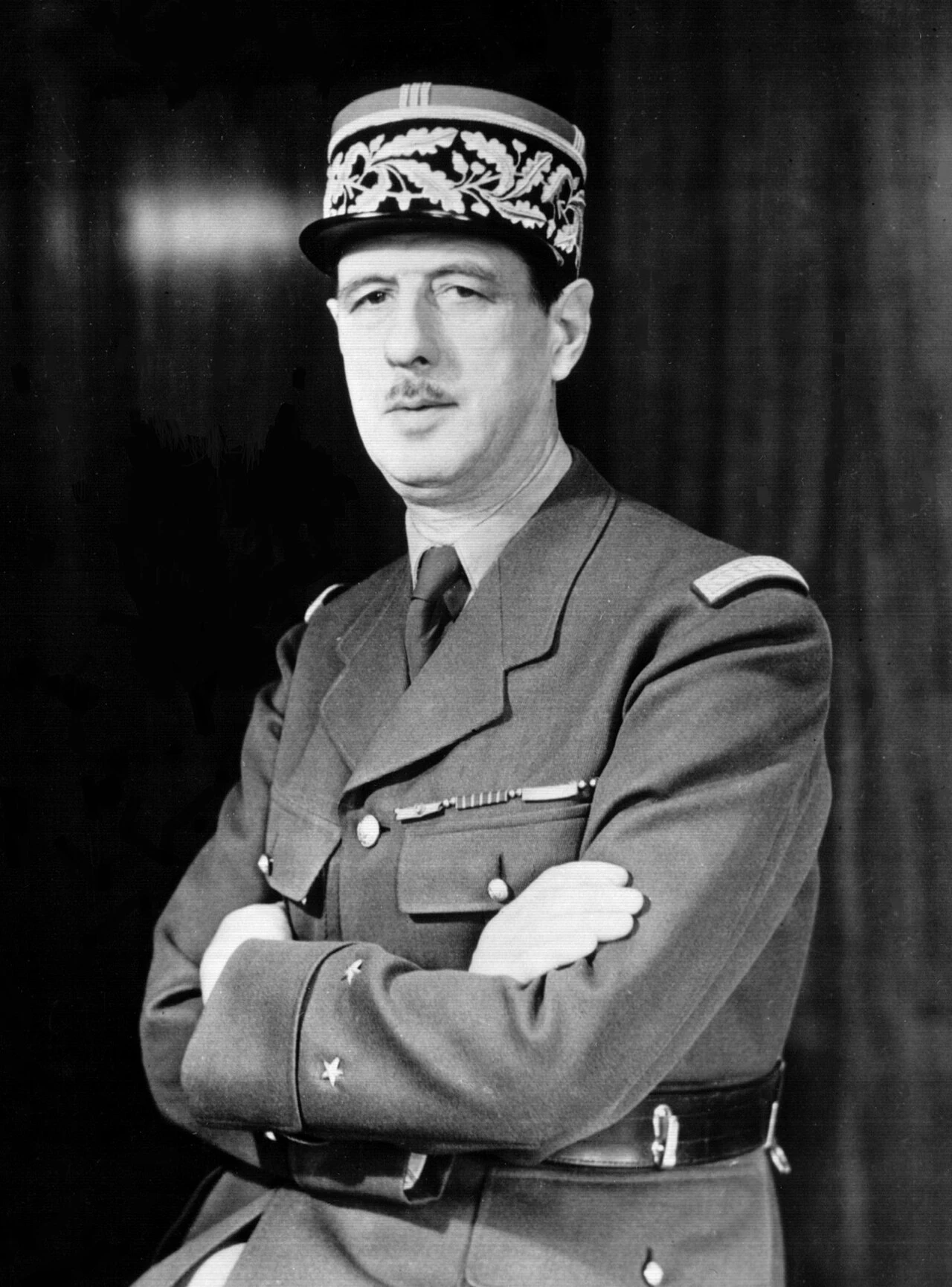
De Gaulle at the BBC microphone — 18 June, 18:00
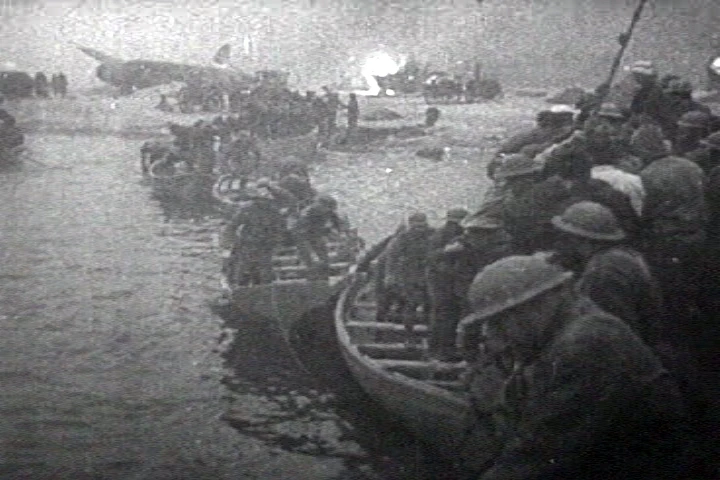
Ramsay — Dover, 14:23
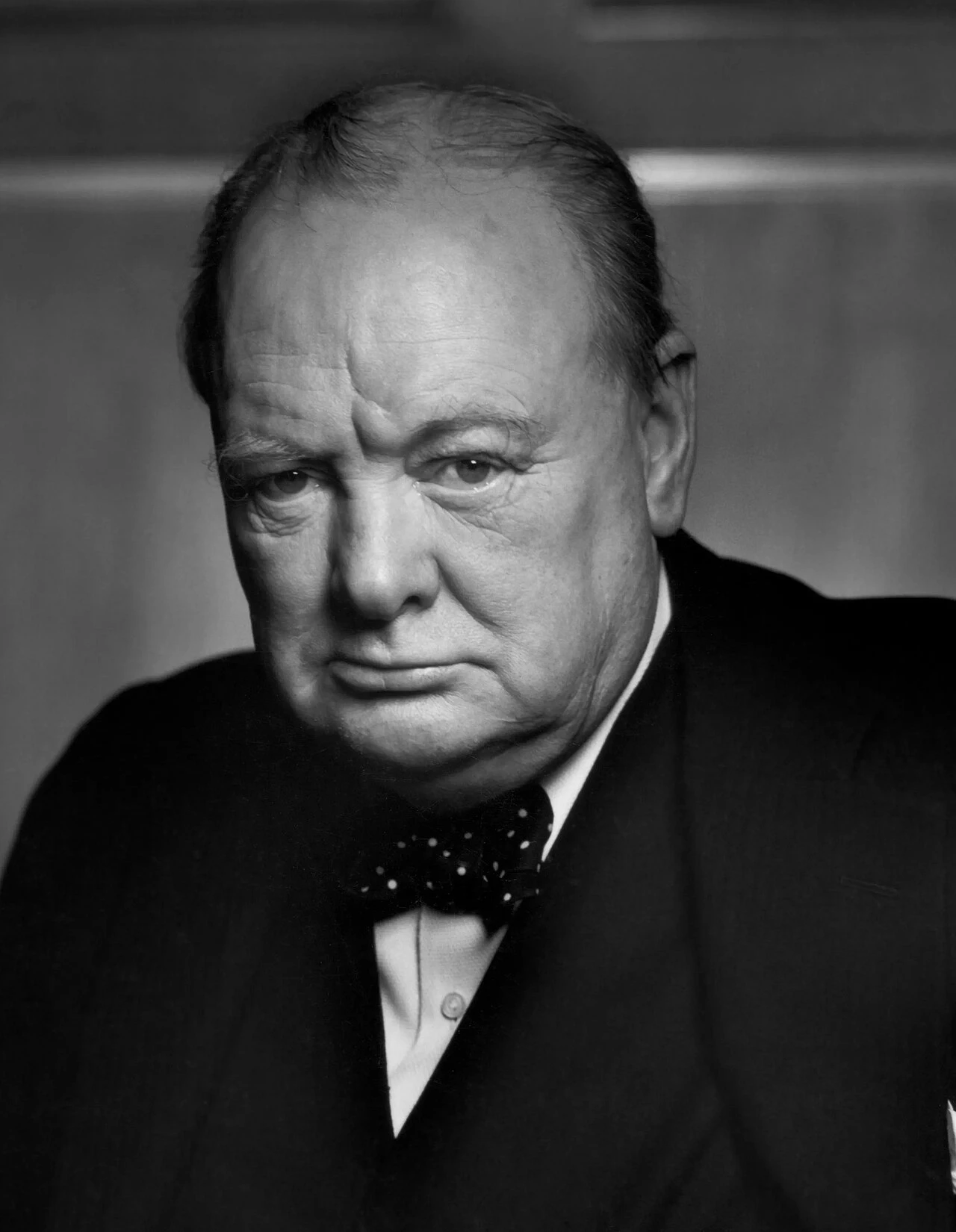
Churchill before the 25 ministers — 28 May 18:00
Churchill before the Commons — 4 June
Reynaud — Matignon 21 March
Rydz-Śmigły at Kuty — the directive of 17 September
De Gaulle joins the government — 5 June
The Franco-British union — 16 June
The Appeal of 18 June
Auchinleck replaces Wavell
De Gaulle at the BBC microphone — 18 June, 18:00
Ramsay — Dover, 14:23
Churchill before the 25 ministers — 28 May 18:00
Churchill before the Commons — 4 June
Reynaud — Matignon 21 March