
Bjelovar: desert the Yugoslav army or hold the line
On 6 April 1941, the Axis descends upon Yugoslavia. The royal army, barely mobilised, is undermined by national tensions: many Croats see in the invasion not a catastrophe but a chance to secede from a state dominated, in their eyes, by the Serbs.
Berlin stokes these fractures. As early as 31 March, the German minister Ribbentrop had it conveyed confidentially to the Croatian leaders that the Reich would support an independent Croatia if the Yugoslav state collapsed. And the Ustasha, the ultranationalist organisation of , openly call on the Croatian soldiers to turn their weapons.
It is in the , deployed along the Drava, that the pressure is greatest: many of its units have a strong Croatian component. Among them, the , mobilised at Bjelovar, is marching towards the front, and agitation is gaining ground there hour by hour.
For a Croatian officer of this regiment, the hour of choice has come. To follow the call of Zagreb and Ribbentrop is to rebel against his own Serbian officers and hasten the birth of a state whose nature no one can yet gauge. To remain faithful to his oath is to defend a Yugoslavia that is collapsing and that many of his compatriots reject.
Should this Croatian officer follow the Ustasha call and defect, remain loyal to the Yugoslav army and fight the invader, or quietly abandon his post without rallying to either side?
Many chose A: on 7 April, while marching towards Virovitica, the , predominantly Croatian, revolted under the leadership of Captain , arrested its Serbian officers and soldiers, disarmed a gendarmerie and turned back towards Bjelovar with Ustasha bands. On 8 April, swollen by other units and elements of the , some 8,000 insurgents seized the town. This Bjelovar rebellion was the first large-scale Ustasha action before the proclamation, on 10 April, of the Independent State of Croatia by . The chain of Croatian desertions along the Drava eased the German advance towards Zagreb. What followed would reveal the criminal nature of the new state: in the weeks that followed, the Bjelovar region would be the scene of the first mass killings of Serbian civilians.
Learn more about this event
Related polls
10
The Belgrade coup
The British Soldier Sent to France with the BEF
Lwów — Langner between two occupiers
Tsolakoglou and the surrender of the Greek army
'Fortresses do not surrender'
Salonika lost: surrendering the Metaxas Line
Tito — the call to insurrection
Wavell in the face of Rommel's storm
Barbarossa — 3:15 a.m.
Brody-Dubno — the great tank battle
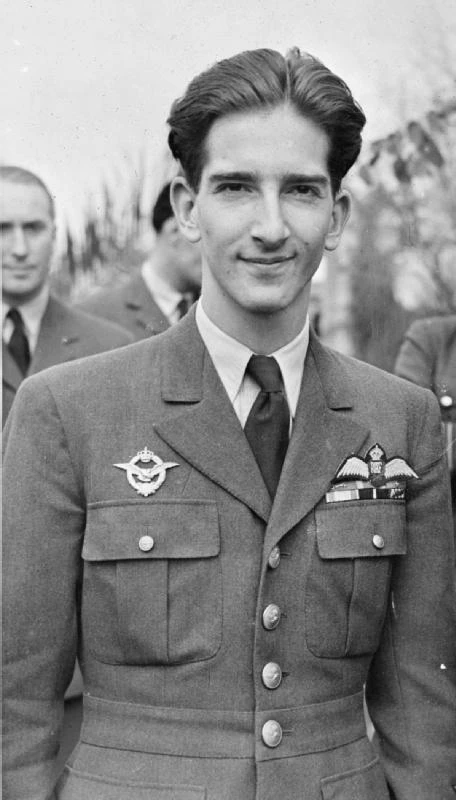
The Belgrade coup
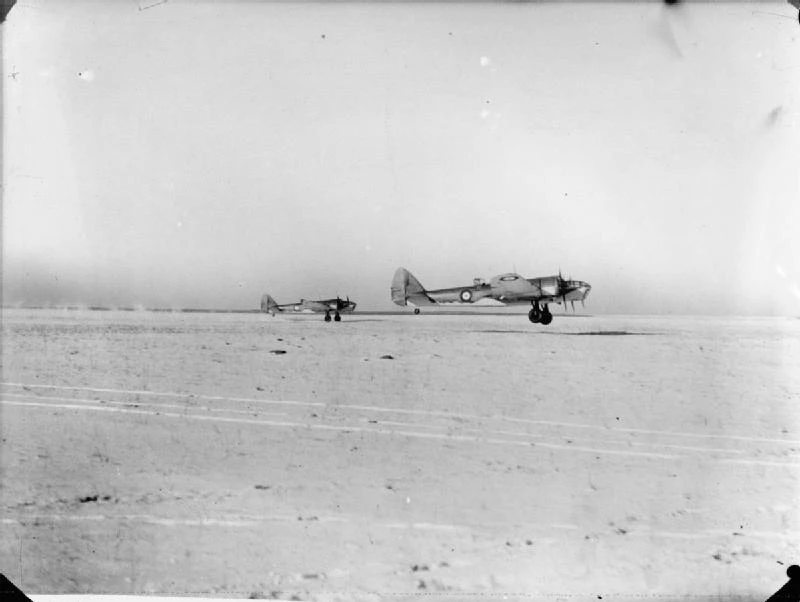
The British Soldier Sent to France with the BEF
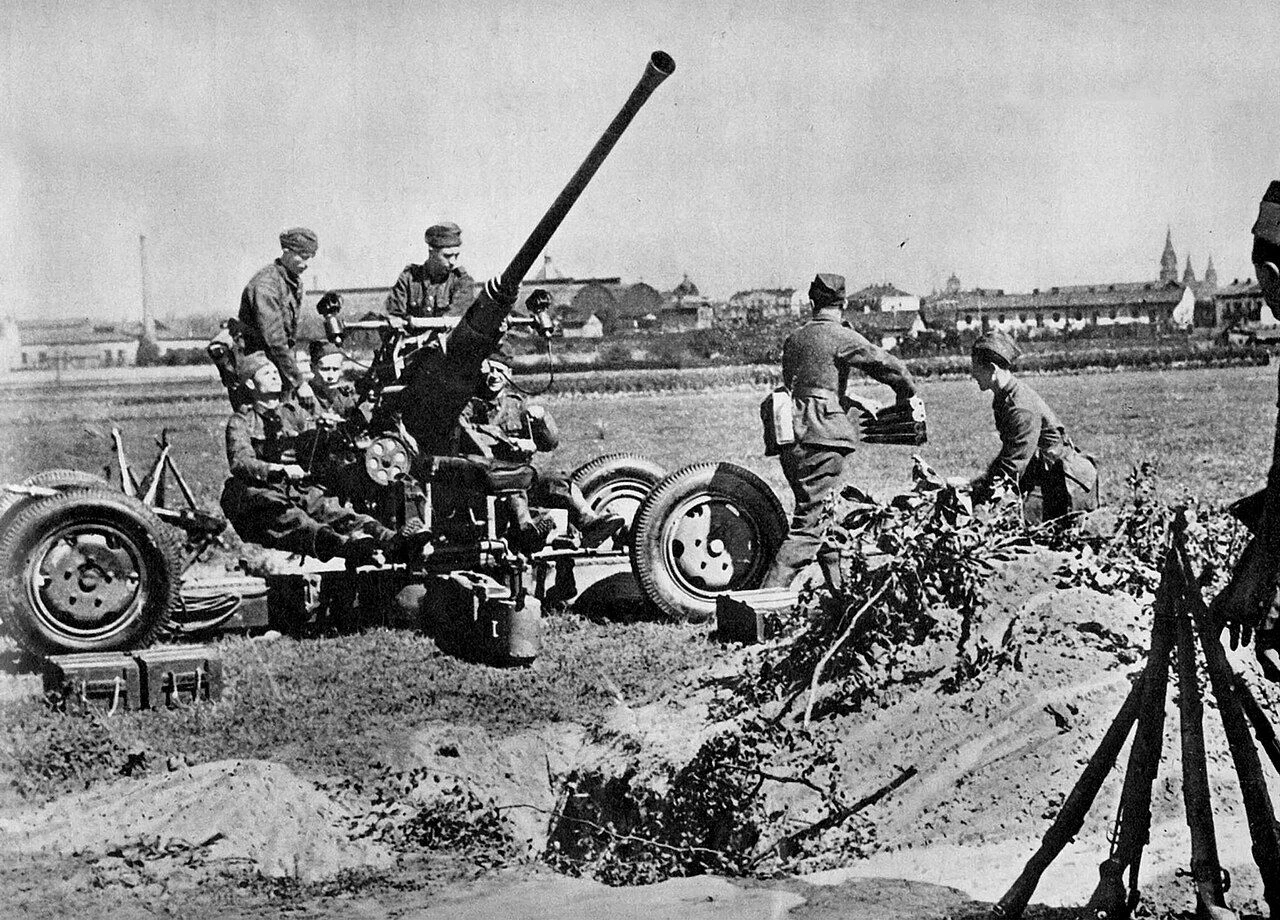
Lwów — Langner between two occupiers
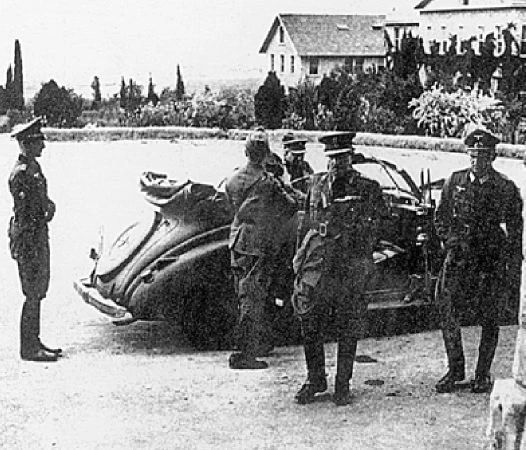
Tsolakoglou and the surrender of the Greek army
'Fortresses do not surrender'
Salonika lost: surrendering the Metaxas Line
Tito — the call to insurrection
Wavell in the face of Rommel's storm
Barbarossa — 3:15 a.m.