
Encircled by the Axis powers and their allies, Prince Regent Paul's Yugoslavia had for months been under German pressure to join the Tripartite Pact, which Berlin needed in order to march its armies toward Greece. On 25 March 1941, the Yugoslav government finally signed accession in Vienna — with the promise that the country would provide neither troops nor passage to the Germans.
The signature roused vigorous opposition, notably among Serbian officers and a section of public opinion, hostile to any rapprochement with Germany. On the night of 26-27 March, air force officers led by General seized Belgrade, forced Prince Paul to abdicate, and proclaimed the young King , aged 17, of age; General took the head of a new government.
The putschists had to define their line at once toward Germany, whose reaction they knew would be formidable. Should they openly denounce the pact signed two days earlier, at the risk of provoking invasion; maintain it as a facade to gain time and appease Hitler; or urgently seek guarantees from the Allies and the USSR?
What line should the new authorities adopt toward Germany?
The Simović government cautiously chose B — it avoided formally denouncing the pact and proclaimed a desire for peace — but the nuance was lost on Hitler. Furious that a coup had toppled a government that had just yielded, the Führer declared the same day that he wanted to 'destroy Yugoslavia' and ordered an immediate invasion, postponing his attack on the USSR accordingly. On 6 April, the Wehrmacht crushed Yugoslavia in less than two weeks. The Belgrade coup, a widely popular but militarily untenable act of defiance, precipitated the catastrophe it claimed to avert; the historian John Keegan would call it 'one of the most unrealistic, though romantic, acts of defiance in modern European history.' It would, however, contribute to delaying Barbarossa by several weeks.
Learn more about this event
Related polls
10

Germany first, even before the war
Bjelovar: desert the Yugoslav army or hold the line
The death of Metaxas — Athens
Auchinleck replaces Wavell
Baku in the crosshairs — Operation Pike
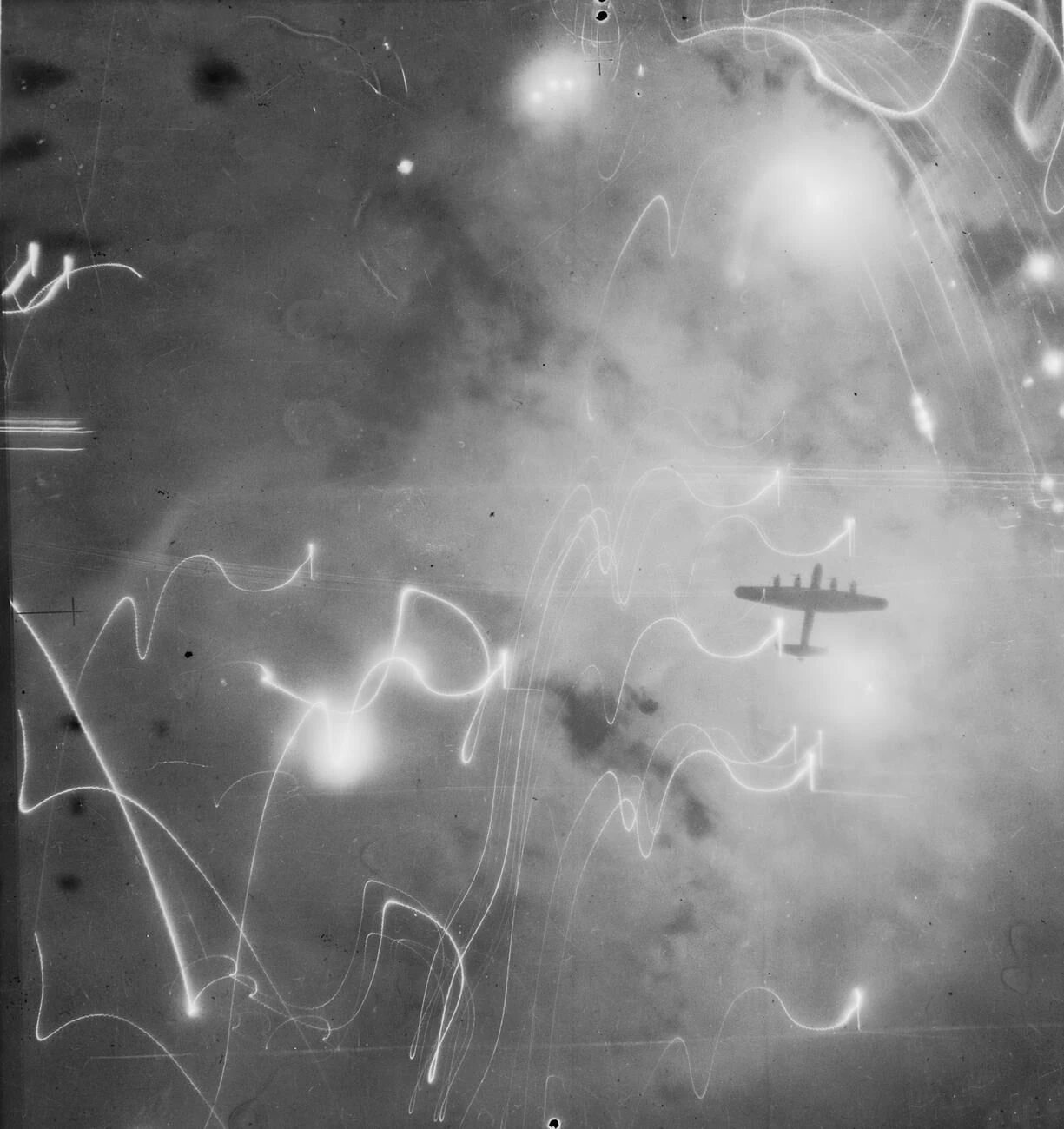
Bombing London — and the reply on Berlin
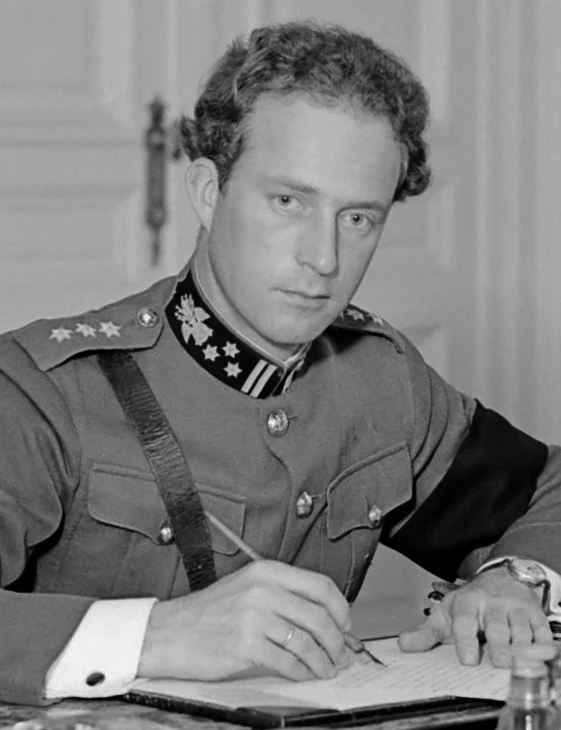
The Capitulation of 28 May
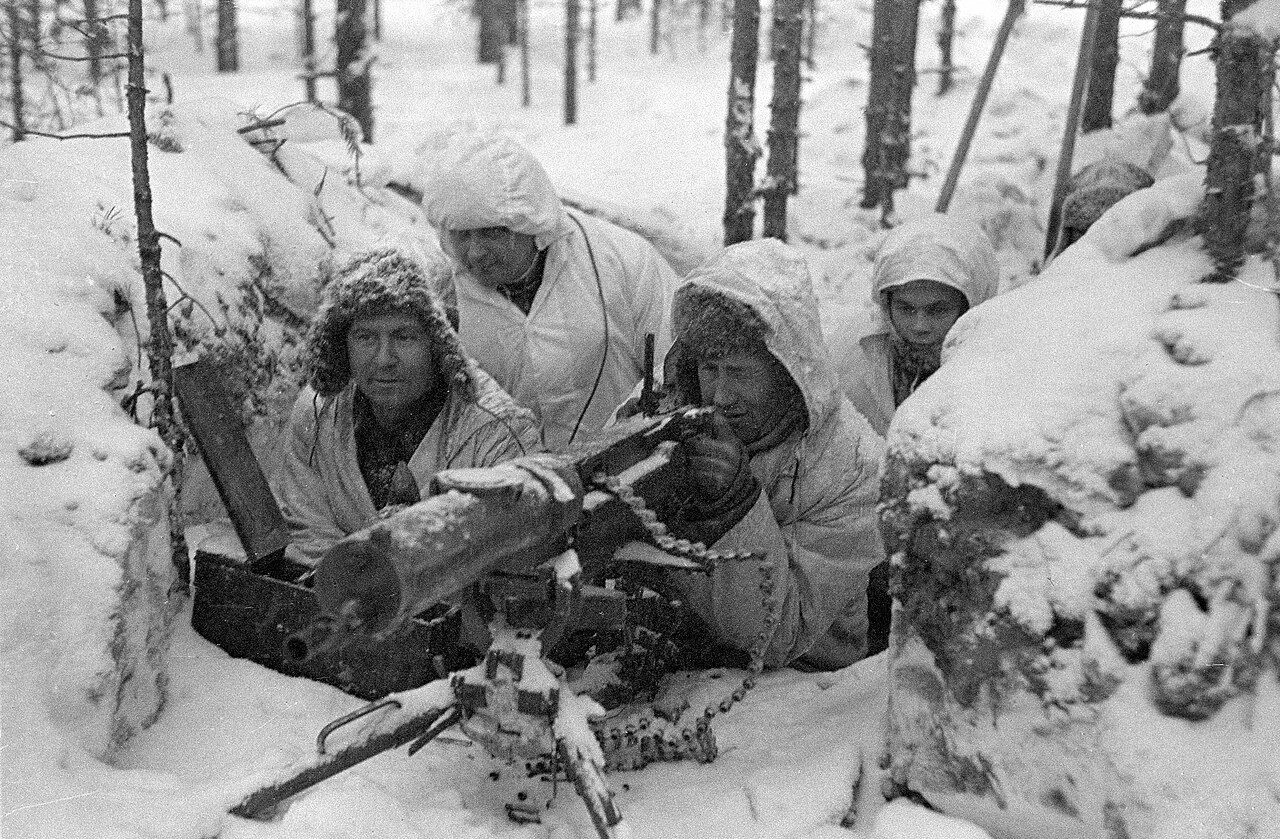
The Supreme Allied Council faces Finland
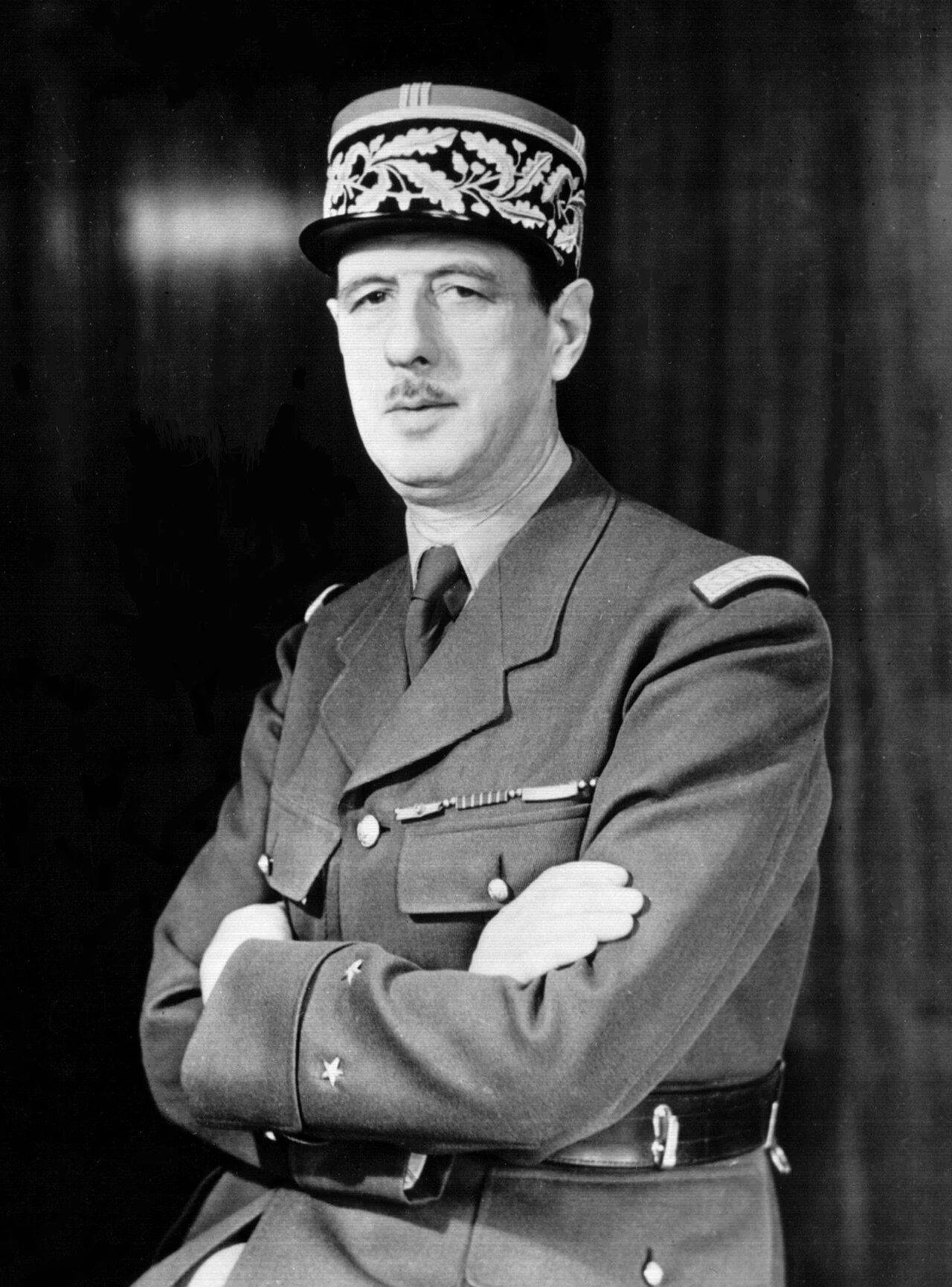
De Gaulle calls on Churchill — 9 June
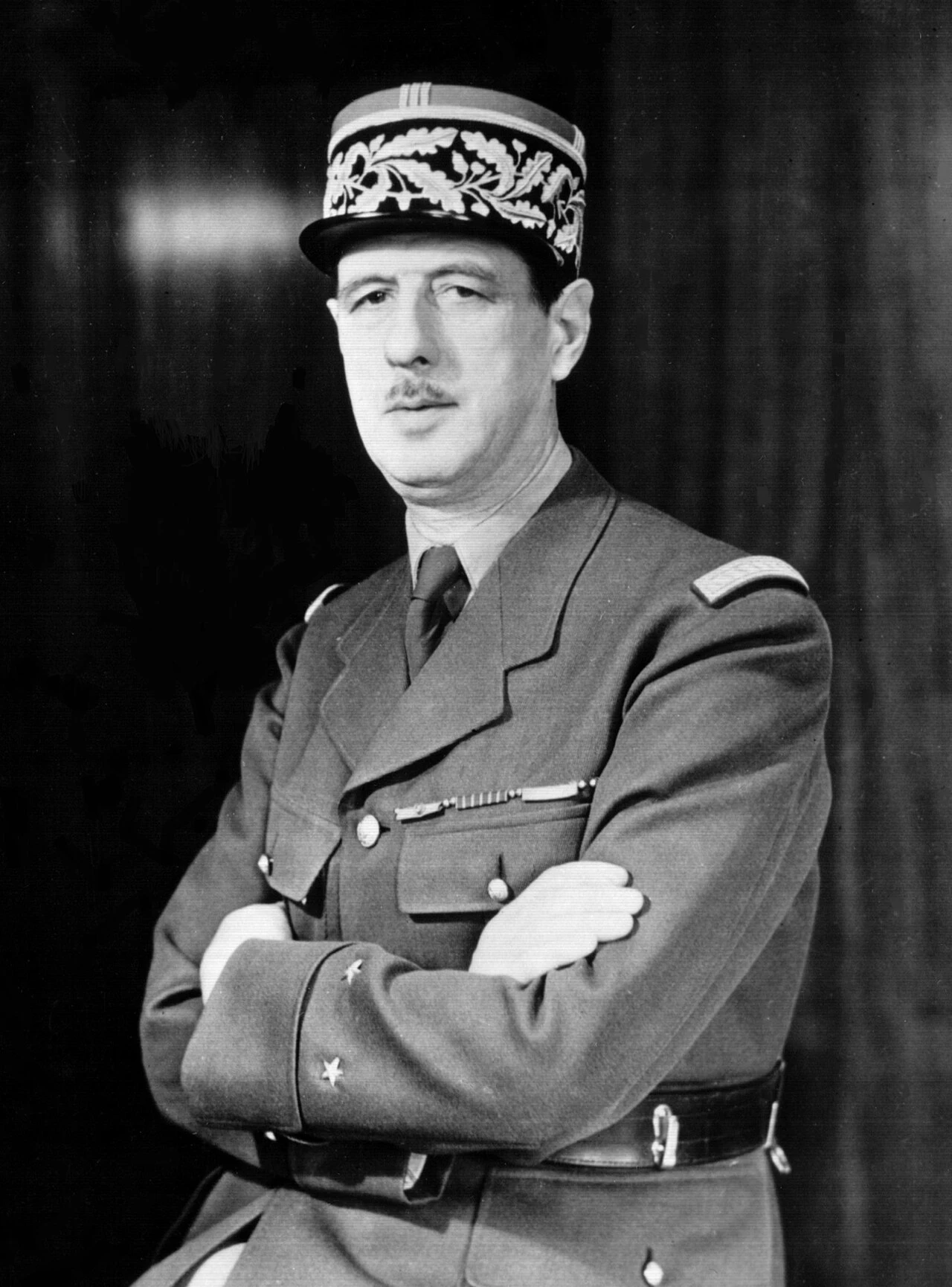
De Gaulle joins the government — 5 June
Germany first, even before the war
Bjelovar: desert the Yugoslav army or hold the line
The death of Metaxas — Athens
Auchinleck replaces Wavell
Baku in the crosshairs — Operation Pike
Bombing London — and the reply on Berlin
The Capitulation of 28 May
The Supreme Allied Council faces Finland
De Gaulle calls on Churchill — 9 June