
The Prime Minister in the face of the collapse of Athens
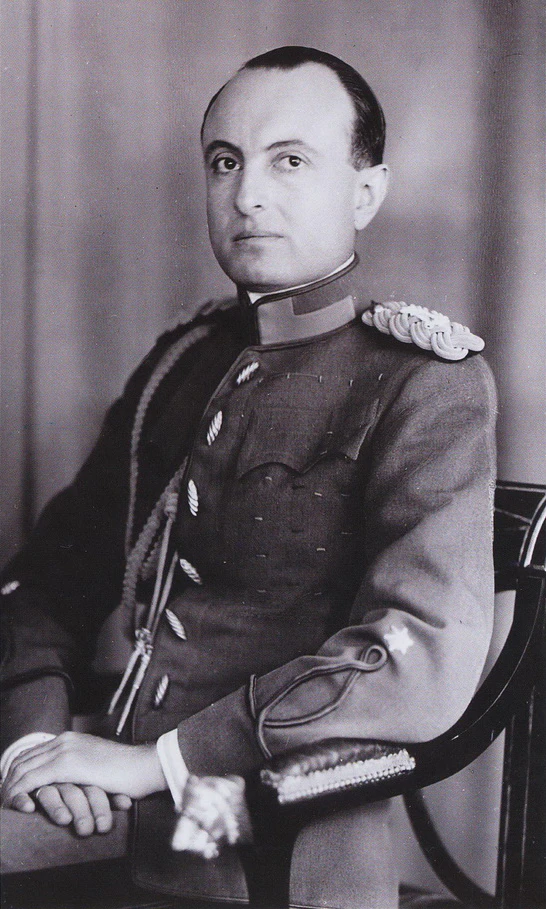
, born in 1885, a former governor of the Bank of Greece, had never dreamed of power. He became Prime Minister by an accident of History: on 29 January 1941, the dictator died of cancer, and Koryzis inherited a chair largely emptied of its substance, with King in reality holding the reins.
Since 6 April, the German invasion has surged forward. The Metaxas Line is breached, Salonika lost, the British are already considering re-embarking. The Greek front collapses by the day and the country, which had stood up to Italy all winter, sees the vice closing in.
Koryzis has few levers: the army depends on Papagos, strategy on the King, and the Allies on London. But he bears the symbolic weight of the nation at the moment when everything gives way. To continue a lost battle would cost thousands of lives; to ask for terms would shatter the alliance with Great Britain; to withdraw would amount to deserting his post.
On 18 April, after a tense meeting with the King at the Hôtel Grande Bretagne — in the course of which the two men are said to have clashed over the conduct of the war — Koryzis returns home, overwhelmed. Before him several paths, none without dishonour or pain.
Should Koryzis push to continue an already lost war, open armistice talks with the invader, or cut another way through the knot that is choking him?
Koryzis chose C: on 18 April 1941, shortly after his meeting with the King, he took his own life at his Athens home, firing two shots into the region of the heart with a pistol. To avoid a general panic in a capital already in shock, his death was at first presented as a heart attack, and no autopsy was performed — which would long feed speculation, from the most mundane to the darkest, about the exact circumstances of the tragedy, notably the difficulty of understanding this double shot. A largely powerless Prime Minister, but unable to survive the humiliation of the country he represented, Koryzis left behind a Greece that would capitulate a few days later and a government that would have to flee to Crete and then into exile.
Learn more about this event
Related polls
10
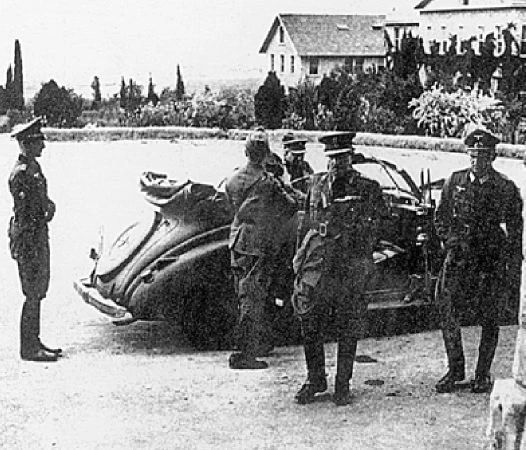
Tsolakoglou and the surrender of the Greek army
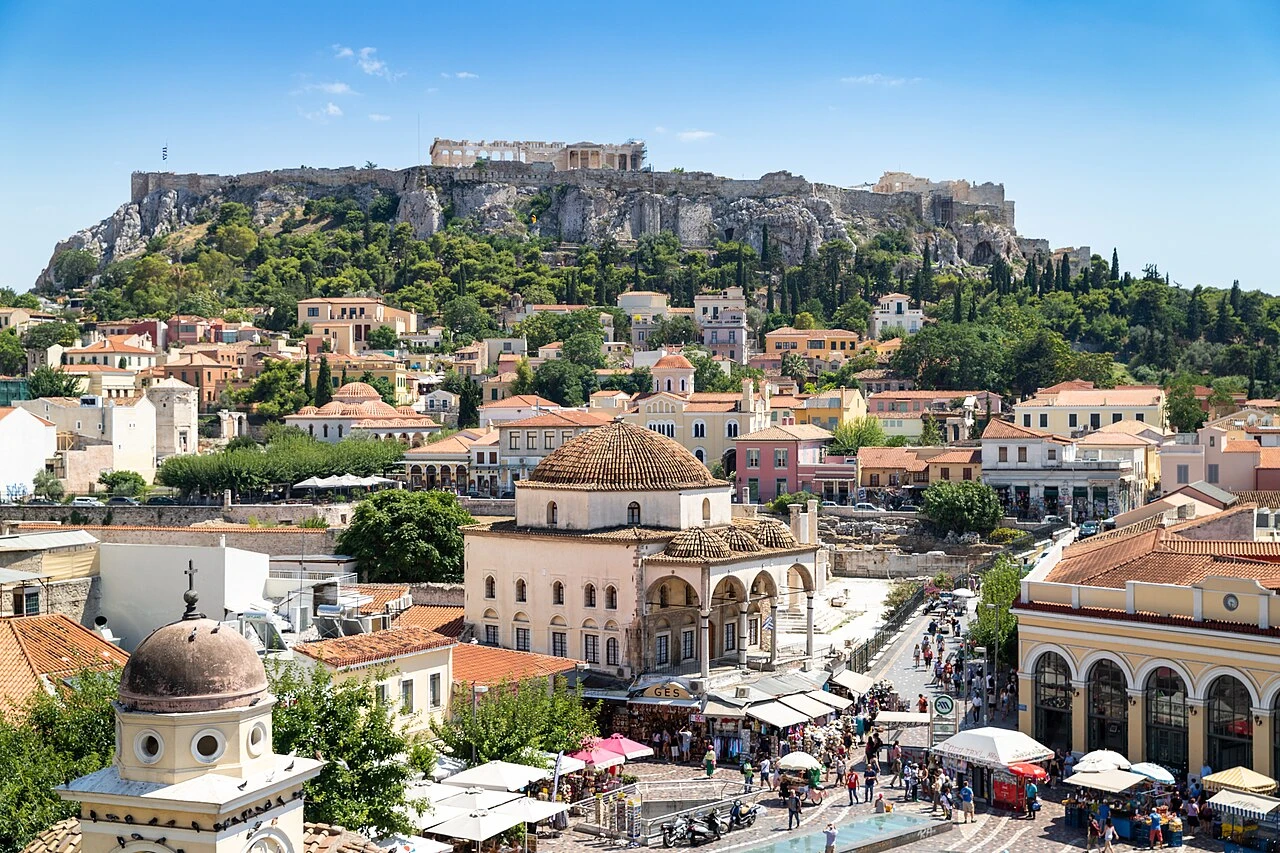
Metaxas and the ultimatum — Athens 3 a.m.
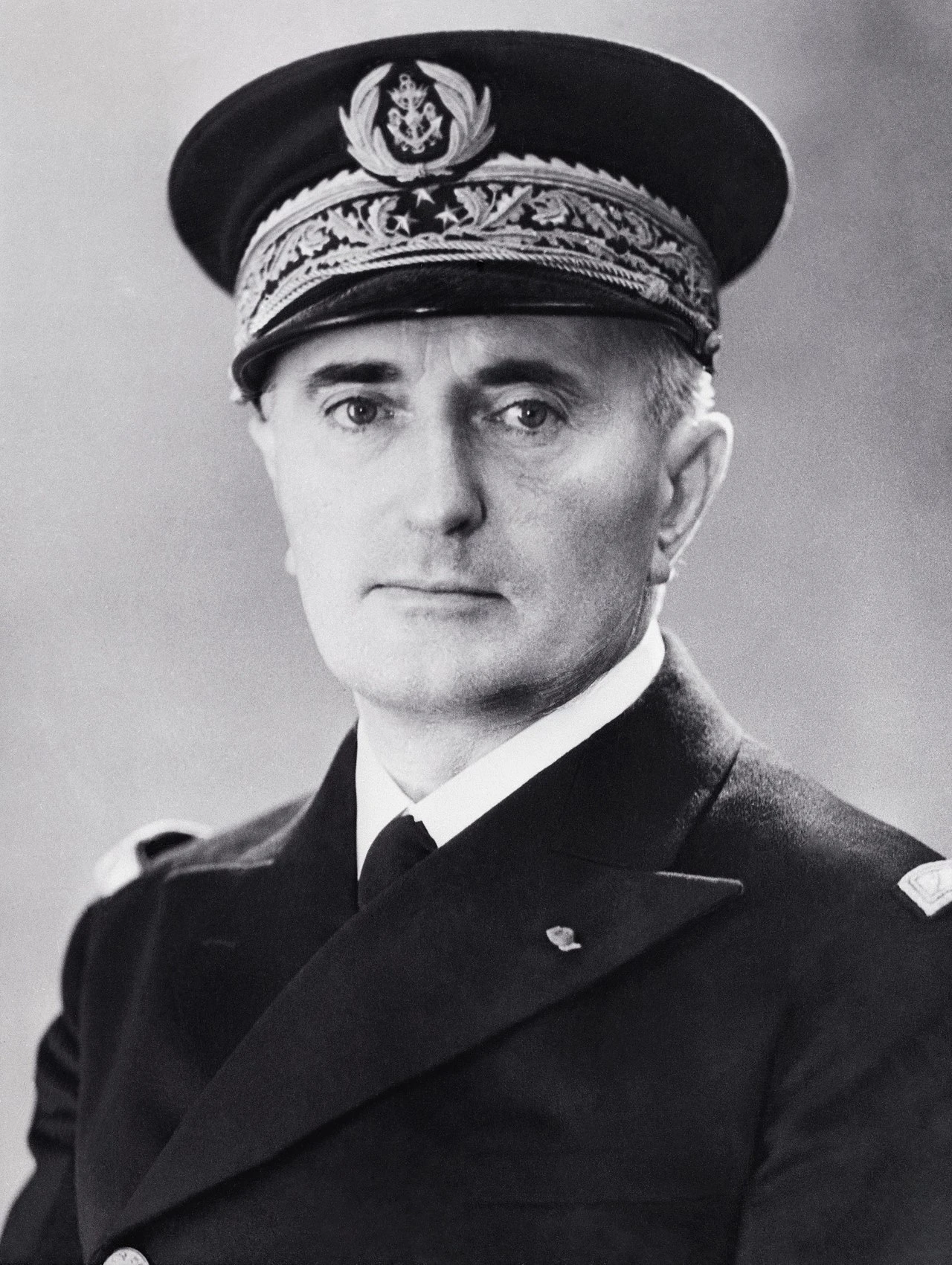
Darlan and the bases offered to the Axis
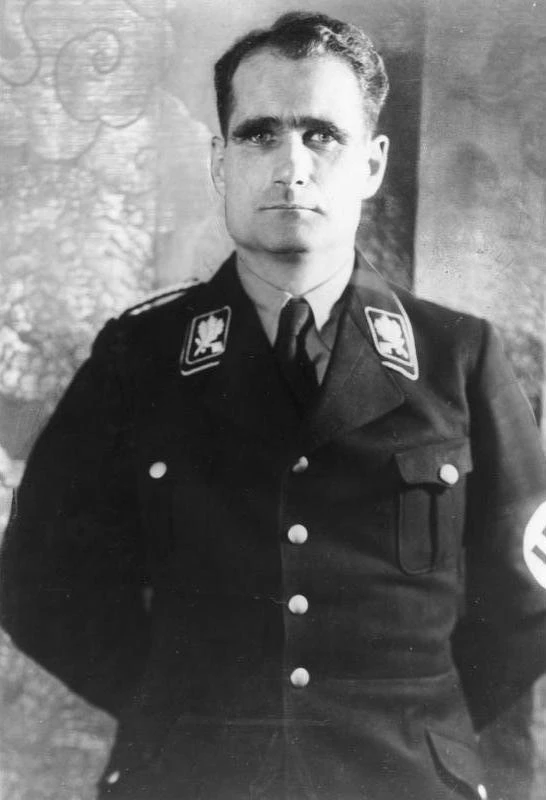
Hess — the fixed idea of a separate peace
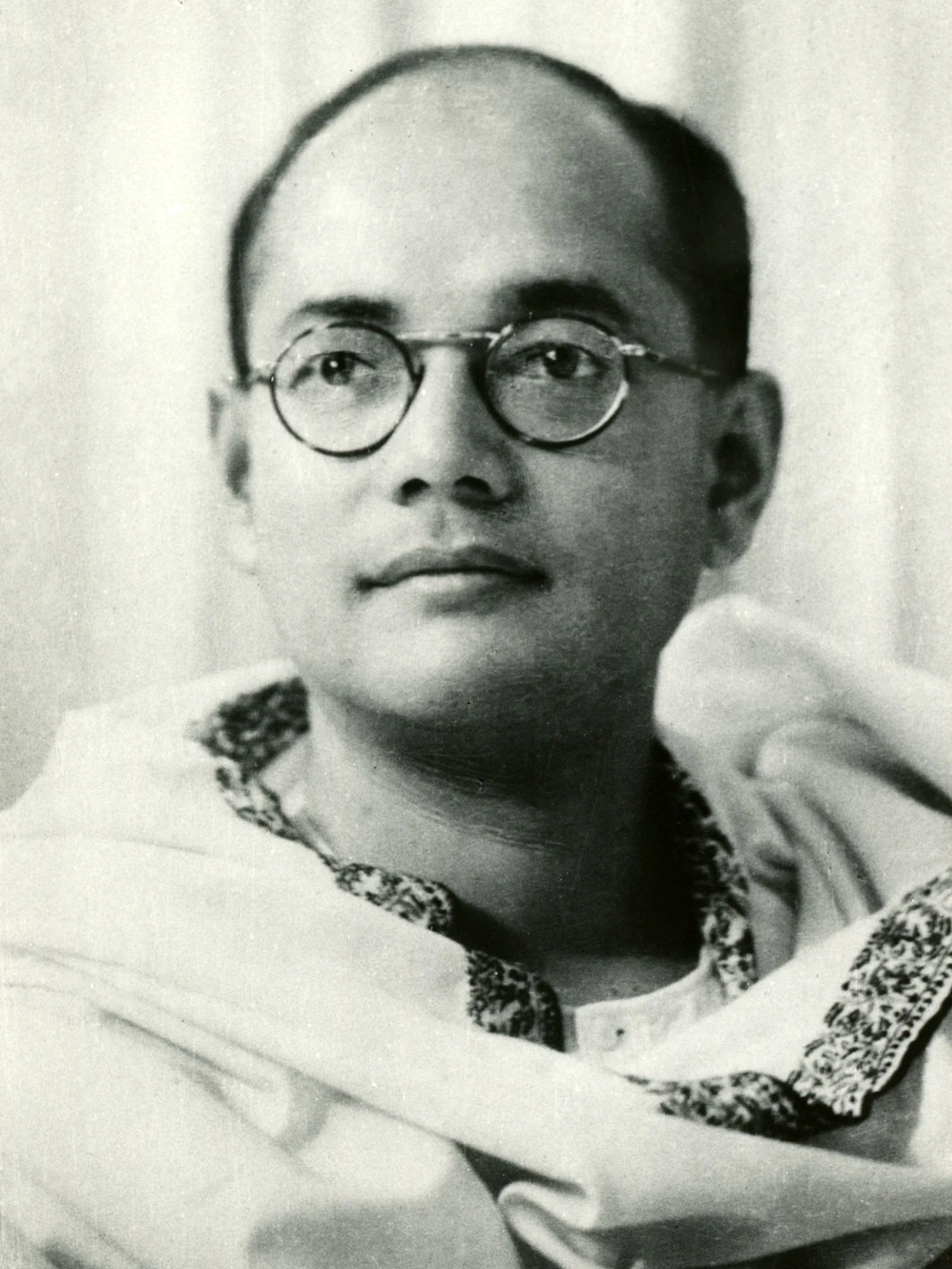
The Indische Legion — Subhas Chandra Bose in Berlin
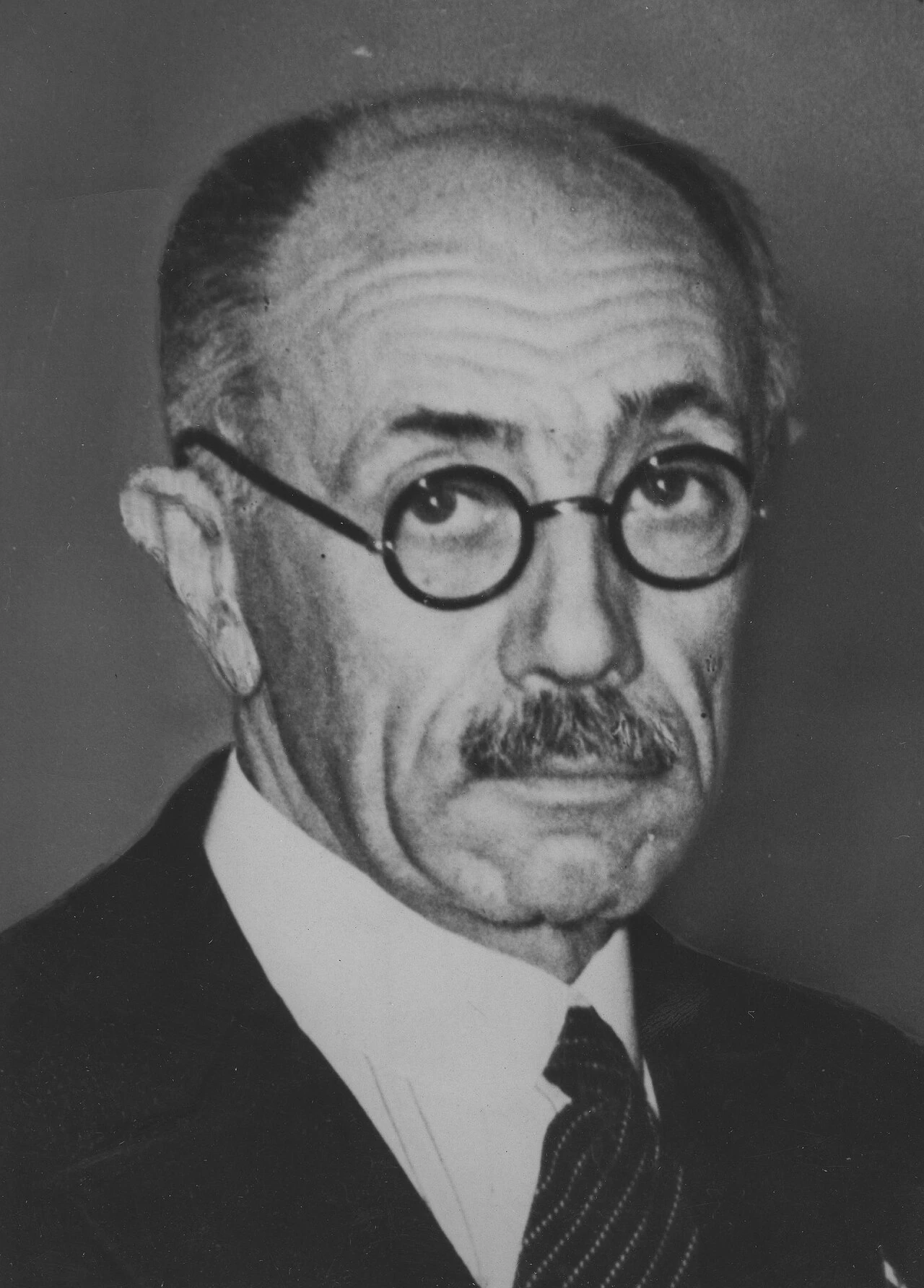
Teleki between his given word and reason of state
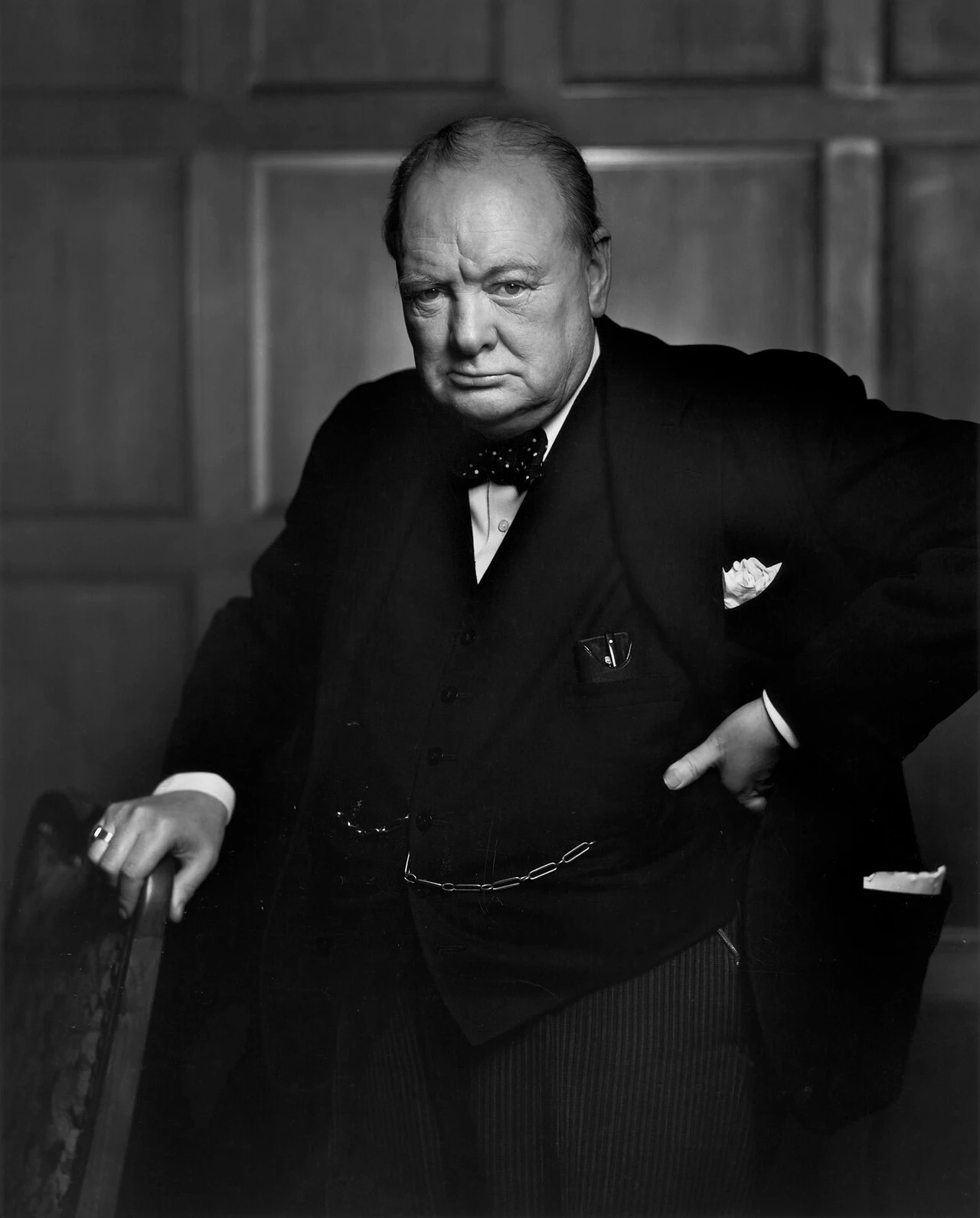
Auchinleck replaces Wavell
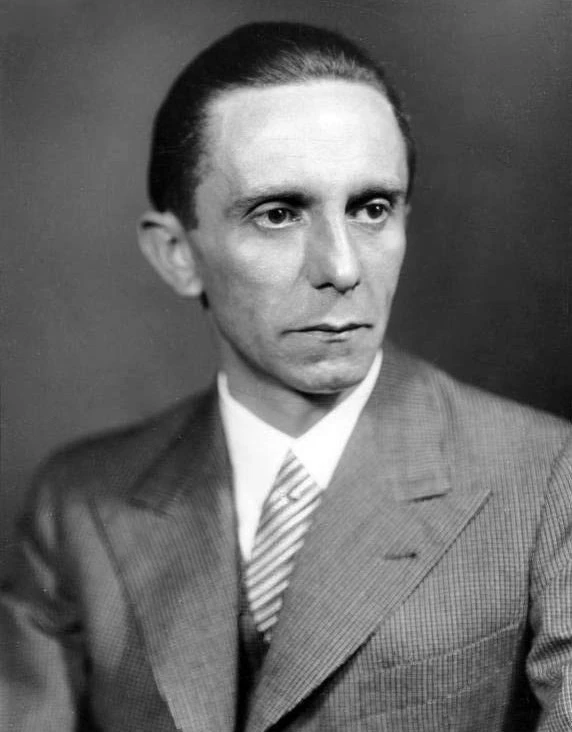
Berlin, October 1941: The Words of Victory
The fall of Athens
How long to stand up to Berlin
Tsolakoglou and the surrender of the Greek army
Metaxas and the ultimatum — Athens 3 a.m.
Darlan and the bases offered to the Axis
Hess — the fixed idea of a separate peace
The Indische Legion — Subhas Chandra Bose in Berlin
Teleki between his given word and reason of state
Auchinleck replaces Wavell
Berlin, October 1941: The Words of Victory
The fall of Athens