
The charges are set beneath the deck
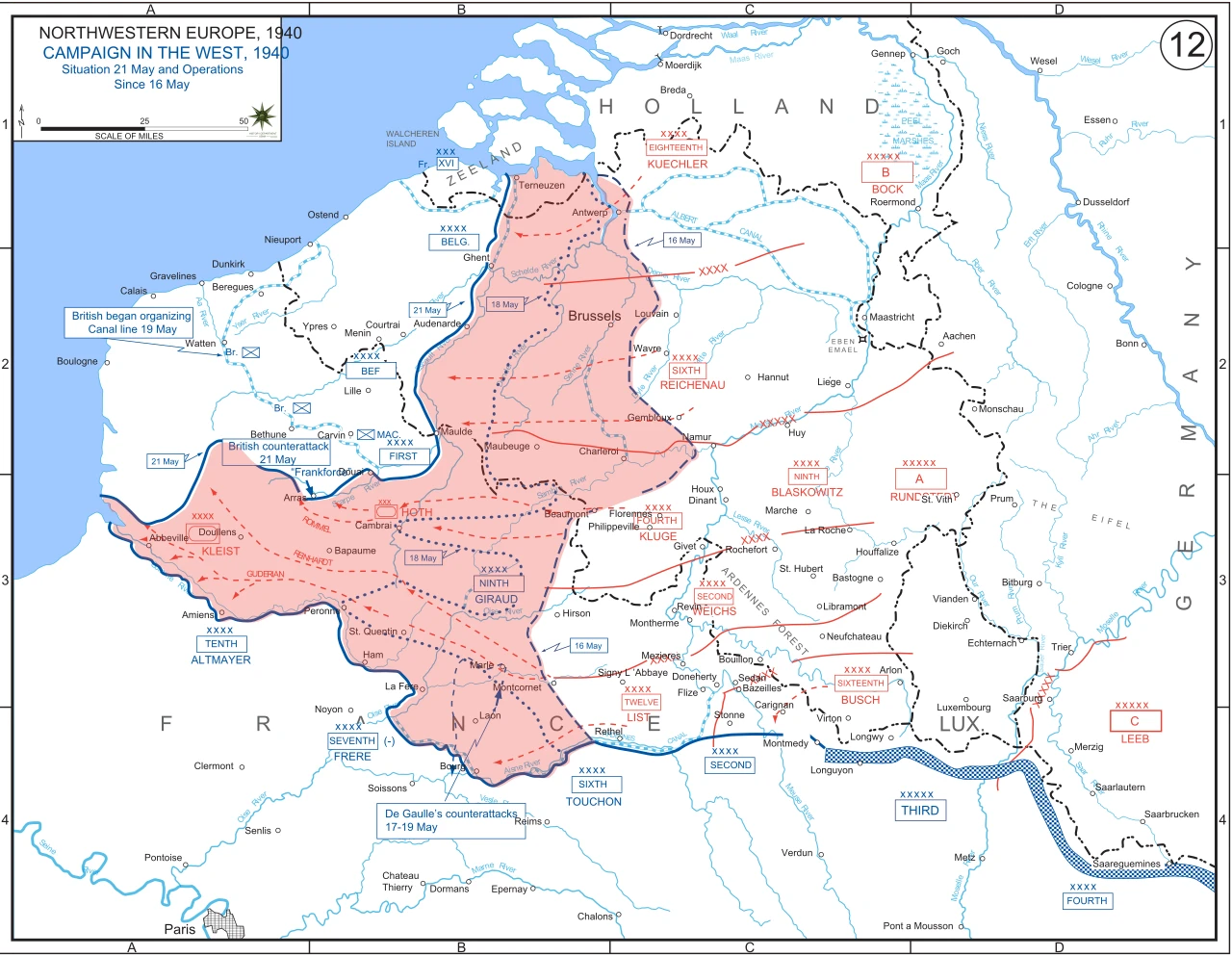
May 1940. The German armored columns are advancing toward the Meuse. At Namur, at Liège, and along the river, the bridges are at once vital arteries for the economy and crossings the enemy covets.
The Belgian military engineers have mined many of these structures. Destroying them might slow the advance by a few hours, but it would deprive the country of infrastructure that would have to be rebuilt at great expense.
The engineers hesitate: sacrifice the bridges to hinder the invader, or preserve them and bet on a defense elsewhere? Every hour counts, and the order must come before the first armored cars reach the banks.
Faced with the advancing German armor, what should the Belgian engineers do with the bridges over the Meuse?
The Belgian engineers blew up several of the Meuse bridges in mid-May 1940 to impede the German advance, in accordance with demolition plans prepared in advance. The time gained was limited — the Germans achieved their decisive breakthrough farther south, at Dinant and at Sedan, in France — and rebuilding the structures weighed heavily on post-war Belgium.
Learn more about this event
Related polls
10

The abatis of the Chasseurs Ardennais
The Battle of the Lys

The bridges of the Meuse
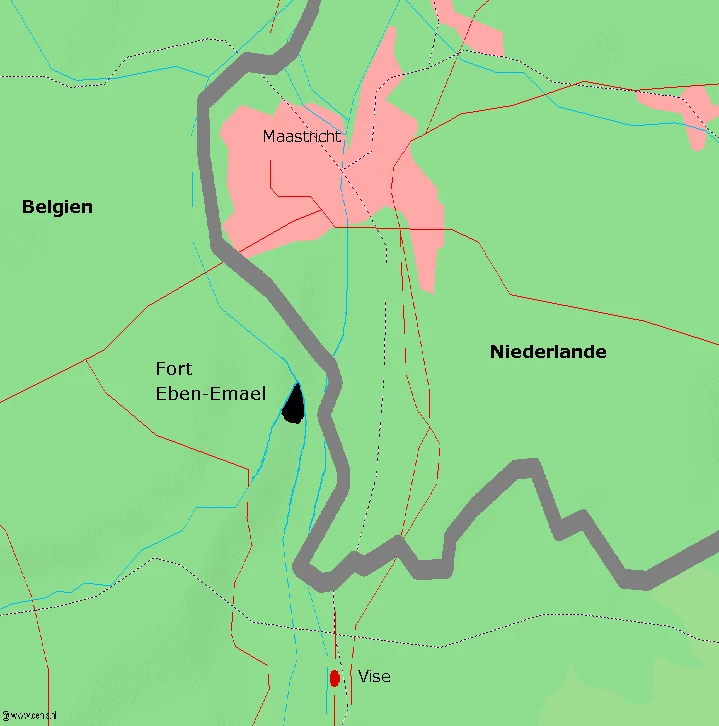
Eben-Emael — Jottrand under the explosions
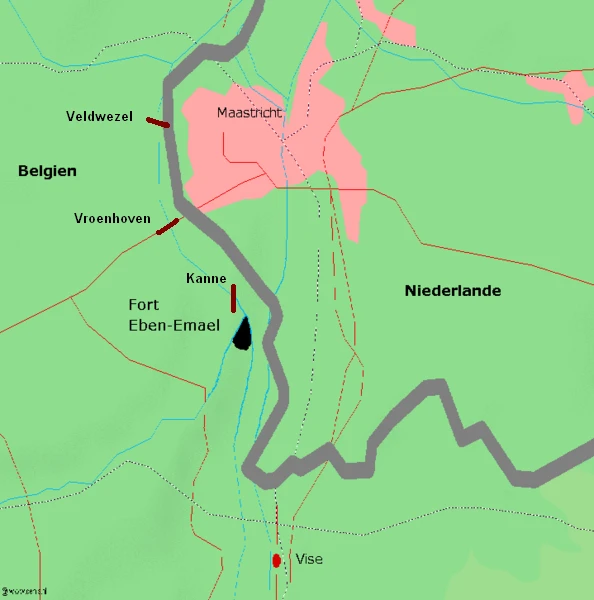
The garrison of Ében-Émael
Kanne bridge — fourth airborne target
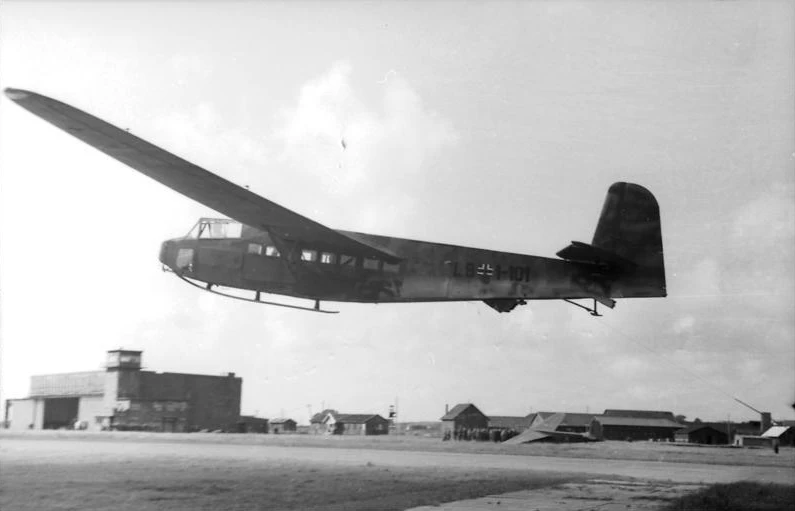
Veldwezelt bridge — Beert and the demolition officer
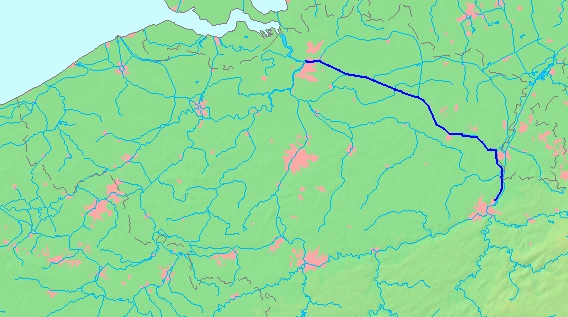
Vroenhoven bridge — the demolition order

The bridges of the Albert Canal
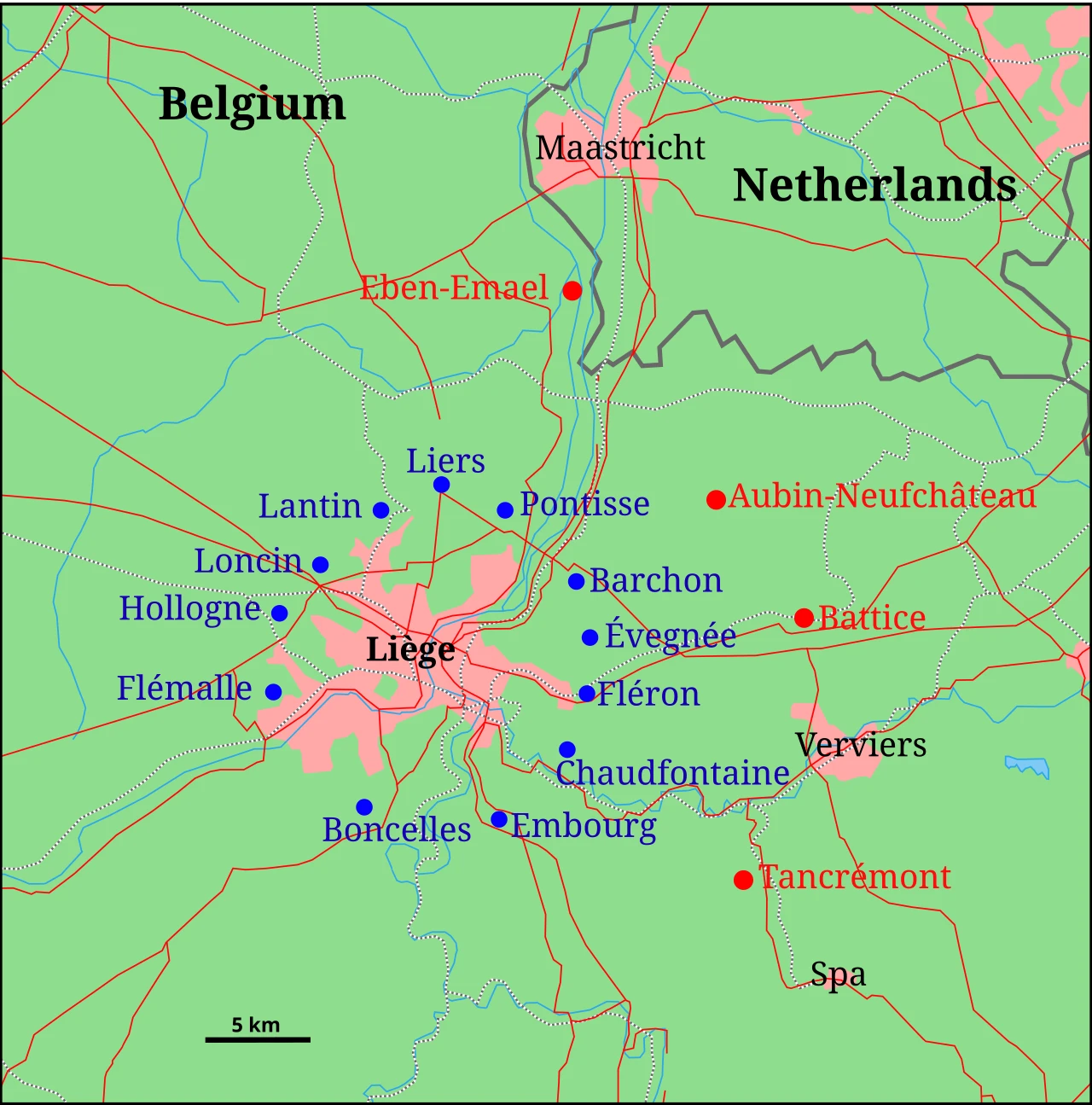
The fortified position of Liège
The abatis of the Chasseurs Ardennais
The Battle of the Lys
The bridges of the Meuse
Eben-Emael — Jottrand under the explosions
The garrison of Ében-Émael
Kanne bridge — fourth airborne target
Veldwezelt bridge — Beert and the demolition officer
Vroenhoven bridge — the demolition order
The bridges of the Albert Canal