
Ramsay at Dover Castle — Dynamo
On 20 May 1940, the Admiralty ordered Vice-Admiral , 57, Flag Officer Dover, to prepare a plan to evacuate the BEF from the French coast. Ramsay was a retired Royal Navy officer recalled in 1939, known for his methodical staff work. His headquarters: Dover Castle, in the twelfth-century tunnels carved beneath the chalk — the "Dynamo Room" where the communications equipment was installed, from which the operation took its name.
Plan Dynamo: lift the maximum number of men from Dunkirk harbour and the adjacent beaches (Malo, Bray-Dunes, La Panne). The Admiralty's initial estimate was 45,000 men in two days. Ramsay was sceptical — the figures struck him as fantastical given his means.
On 26 May 1940 at 18:57, Ramsay received the order to execute Dynamo. Forces available: 39 Royal Navy destroyers (out of 60, the rest at Scapa Flow or in refit), 8 passenger liners, 30 ferries, 220 minesweepers and miscellaneous craft. Three sea routes were possible between Dover and Dunkirk: Route Z (the shortest, 39 miles, under German coastal artillery), Route X (55 miles, magnetic mines), Route Y (87 miles, safer but long).
Ramsay had to choose.
Which routes should Ramsay use, and with what means?
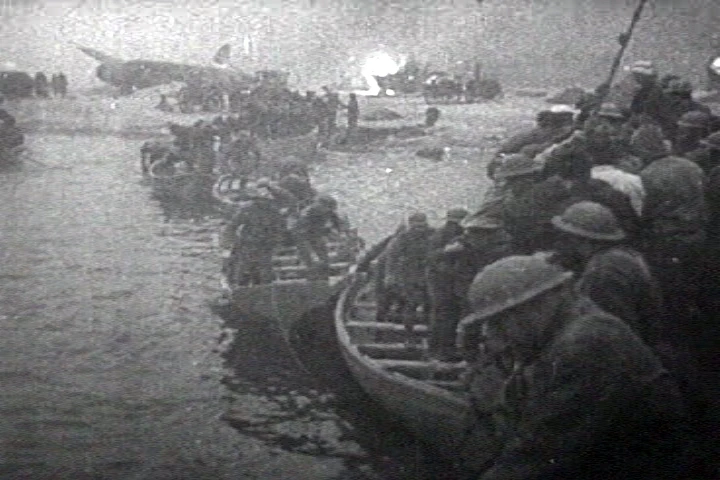
Ramsay applied B and C. All three routes were used. Above all, on 27 May he issued the call for civilian small craft: "All owners of boats between 30 and 100 feet are to present themselves at Tilbury, Sheerness or Dover for immediate mobilisation." The response was spectacular: more than 700 "little ships" (yachts, ferries, pinnaces, barges, fishing boats) crossed the Channel to lift soldiers off the beaches. From 26 May to 4 June 1940, Dynamo recovered 338,226 men (180,000 from the harbour, 100,000 from the beaches, 60,000 by the little ships) — seven times the initial estimate. Losses: 9 British destroyers sunk (out of 39 engaged), some 200 small craft destroyed, 5,000 sailors killed. The BEF, 100,000 French and 30,000 Belgians were saved. Ramsay went on to direct the naval side of the Torch landings (1942), Sicily (1943) and Overlord (1944). He died in an air crash in January 1945, a month before the end of the war in Europe. Dynamo remains the greatest Allied maritime logistical success of the war.
Learn more about this event
Related polls
10
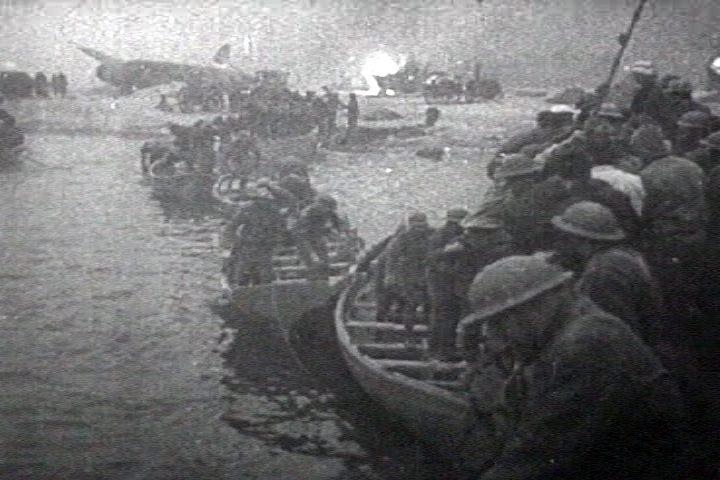
Dunkirk — Tennant and the devastated port
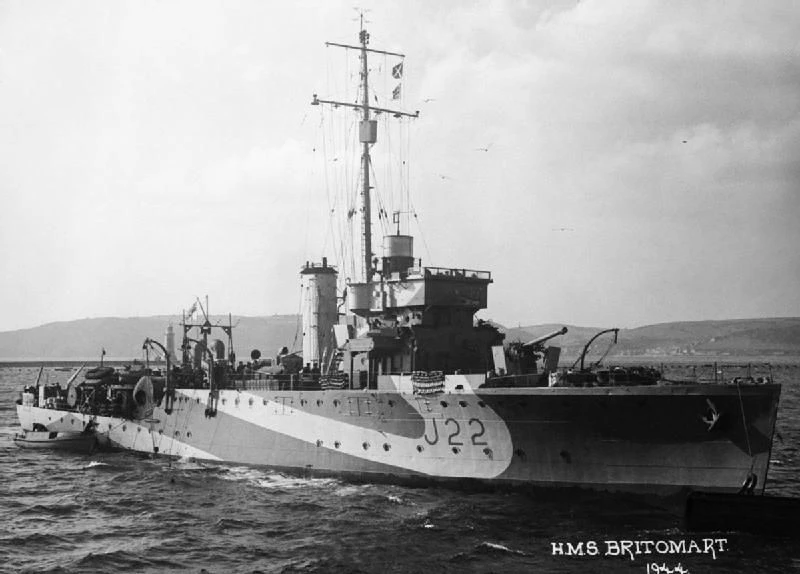
HMS Sphinx at Kinnaird Head
Ramsay — Dover, 14:23
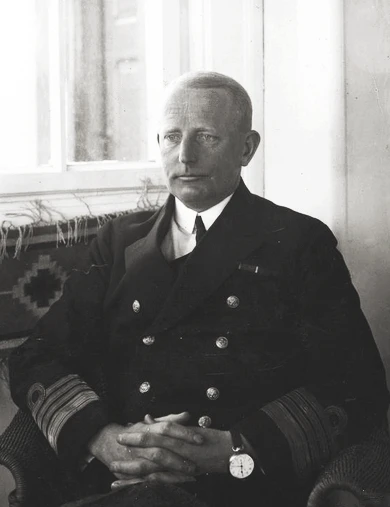
Hel — Unrug faces the German envoy
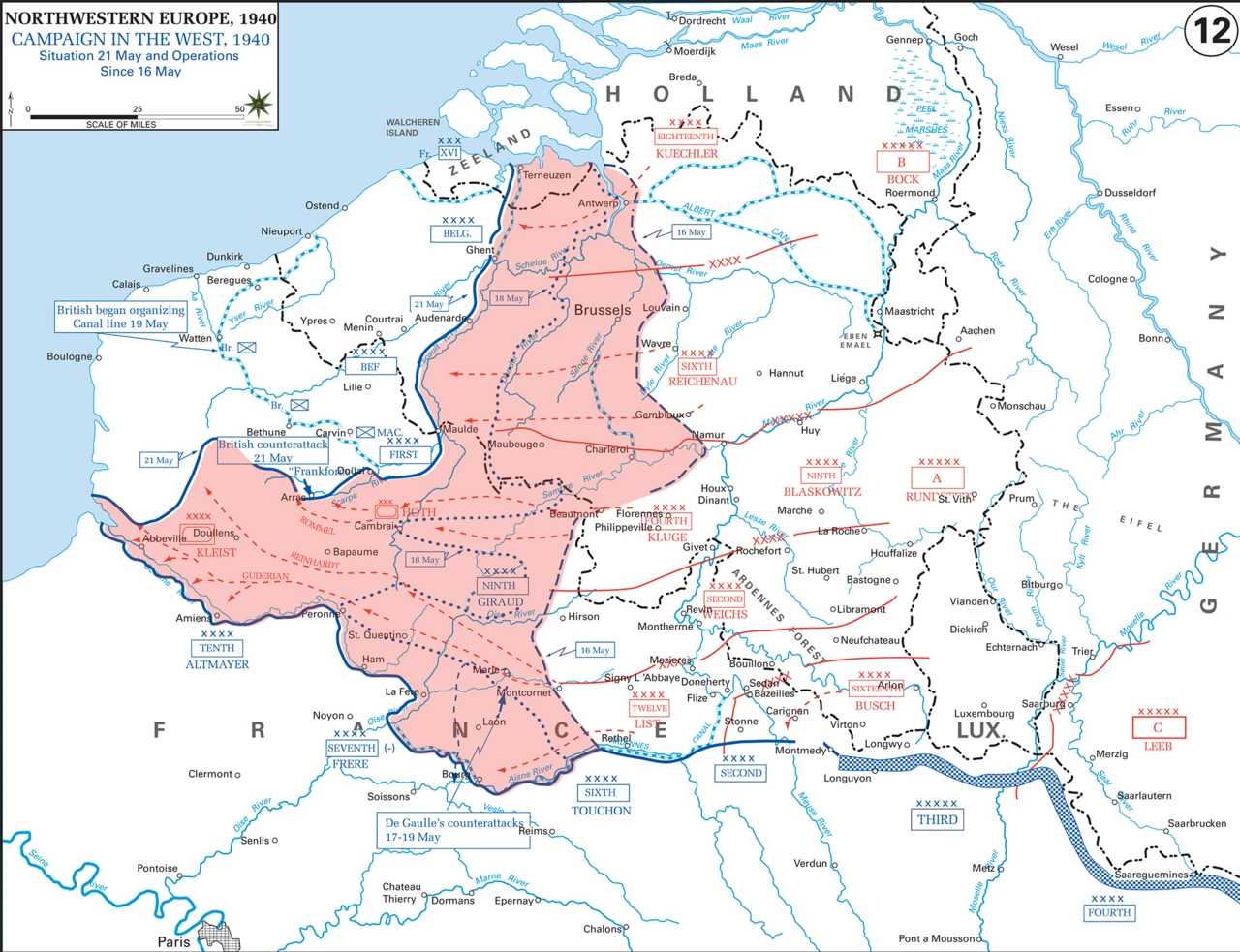
Boulogne — Fox-Pitt and the Guards facing the port
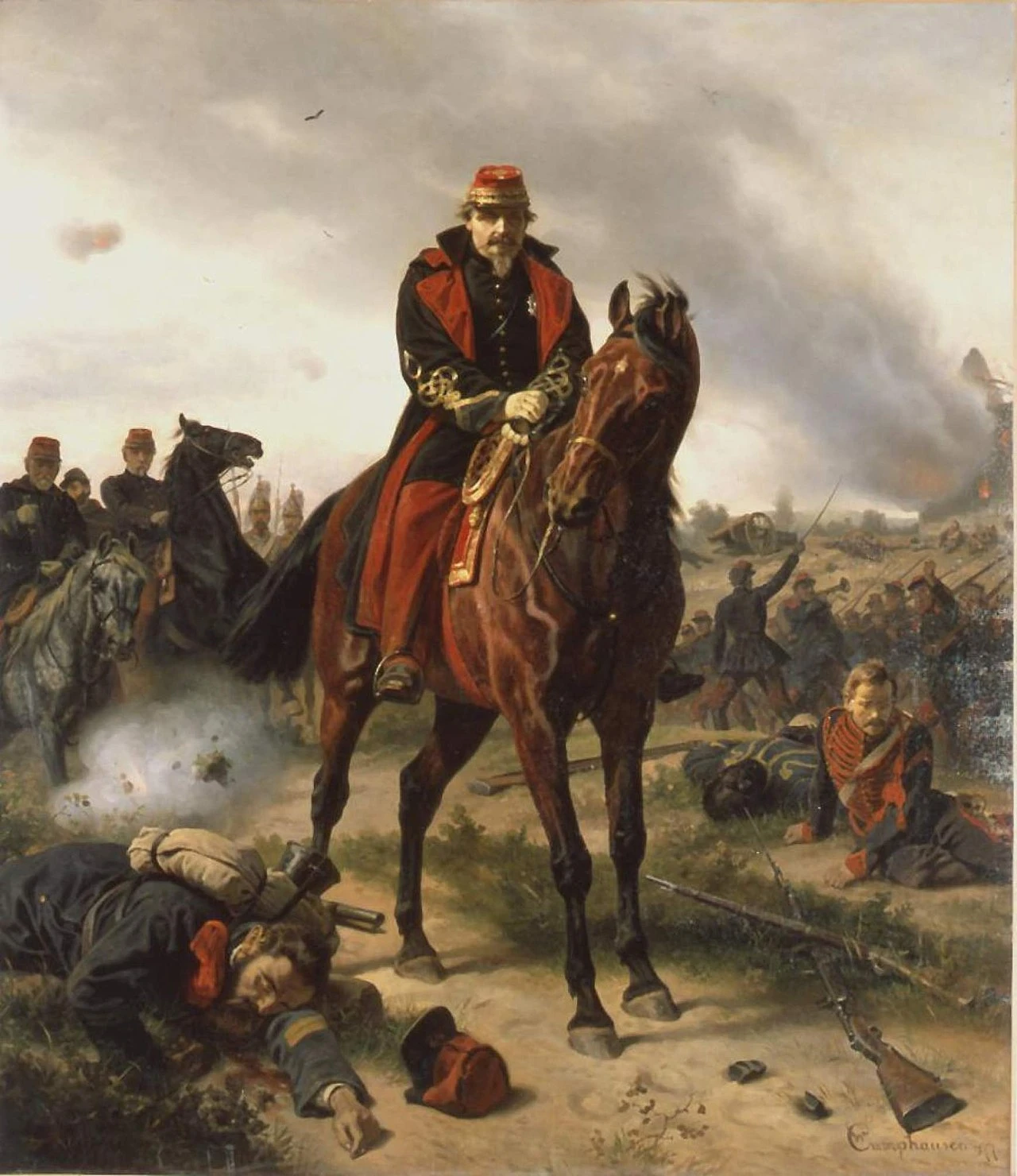
Bulson — Lafontaine and the 02:00 rumour
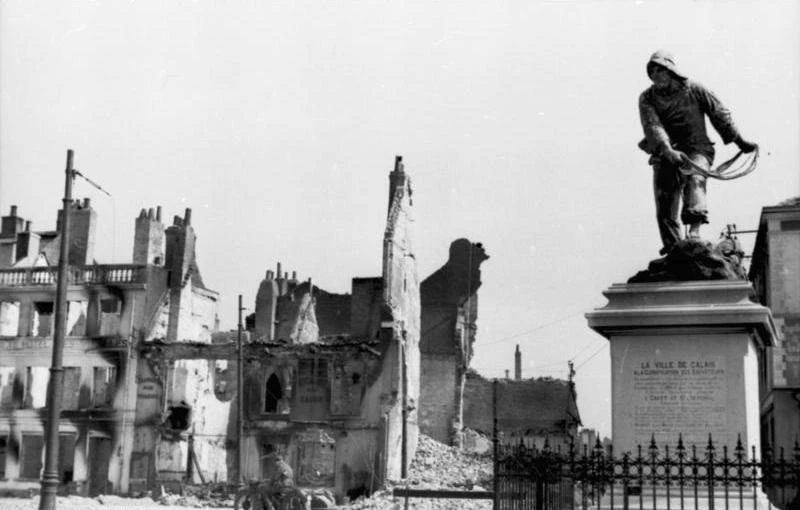
Calais — Nicholson facing the ultimatum
Fegen and the Jervis Bay — convoy HX-84
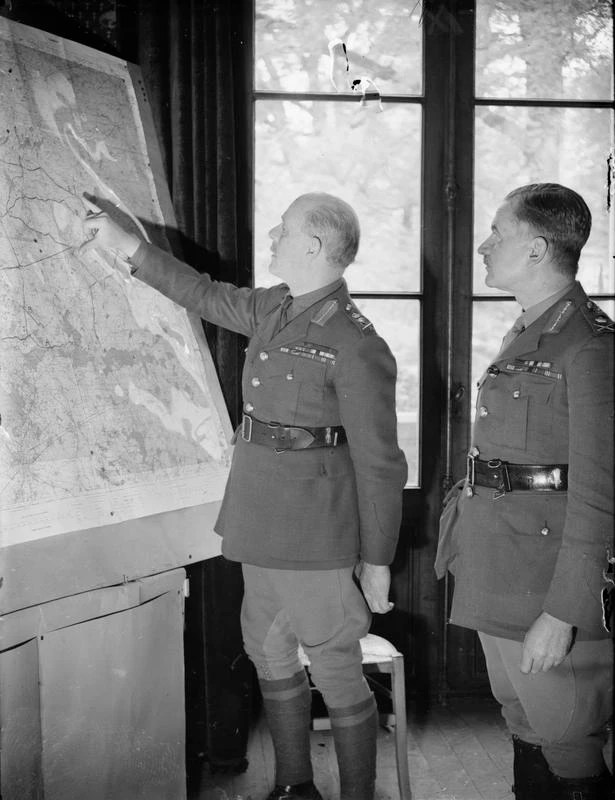
Gort at Habarcq — trust in the French plan
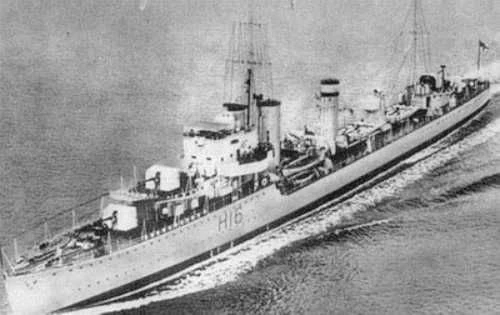
HMS Daring in the Pentland Firth
Dunkirk — Tennant and the devastated port
HMS Sphinx at Kinnaird Head
Ramsay — Dover, 14:23
Hel — Unrug faces the German envoy
Boulogne — Fox-Pitt and the Guards facing the port
Bulson — Lafontaine and the 02:00 rumour
Calais — Nicholson facing the ultimatum
Fegen and the Jervis Bay — convoy HX-84
Gort at Habarcq — trust in the French plan