
Mussolini in the winter of debacle
The winter of 1940-1941 is catastrophic for Mussolini: his army falls back in Albania before the Greeks, his is annihilated in Libya, and East Africa is collapsing. The prestige of the Fascist regime, built on the myth of military power, is in ruins. Launched in October 1940 in hopes of a swift triumph, the Italian offensive against Greece has turned into a fiasco: the Greek counter-attack has carried the fighting deep into occupied Albania, and the loss of East Africa now appears inevitable. The Duce looks for gestures to restore morale and mask the failure of his staff.
A spectacular measure is under study: send to the Albanian front, as combatants, the high dignitaries and ministers of the regime under 45 years of age. The idea is meant as an example of sacrifice by the Fascist elite, designed to galvanize the nation.
Mussolini must weigh this choice of political communication in the storm: multiply such symbolic gestures to keep alive the mystique of the regime; on the contrary, acknowledge the gravity of the military situation and reform a failing command in depth; or resign himself to asking for massive German aid, at the cost of a loss of independence.
How should Mussolini respond to the debacle of the winter of 1940-1941?
Mussolini favored A — the dispatch of ministers to the front on 27 January 1941 was above all propaganda; his own son-in-law Count Ciano, Foreign Minister, joined an air unit — while sliding, under constraint, toward C. The gesture, judged 'bizarre' by observers, distracted the home front more than it galvanized it, and annoyed the dignitaries torn from the comforts of Rome. Above all, it changed nothing in the military reality. In the weeks that followed, Mussolini had to accept what he had refused: German aid, with the arrival of Rommel in Libya, then the German invasion of Greece and Yugoslavia in the spring. Italy, supposed to wage an autonomous 'parallel war,' became in fact Germany's subordinate partner. The winter of 1940-1941 marked the definitive loss of Mussolini's strategic initiative.
Learn more about this event
Related polls
10
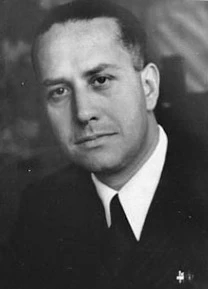
Ciano summons the ambassadors — 10 June
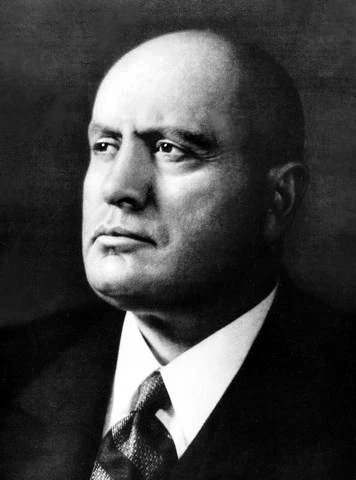
Mussolini on the balcony — 10 June, 18:00
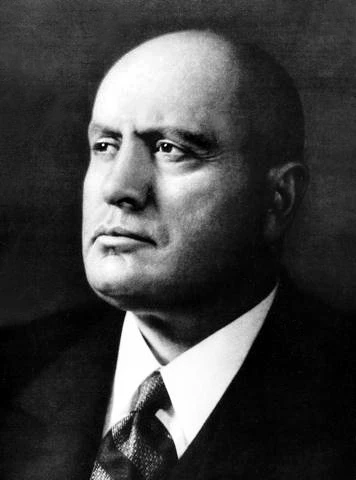
Mussolini on the Riviera — 21 June
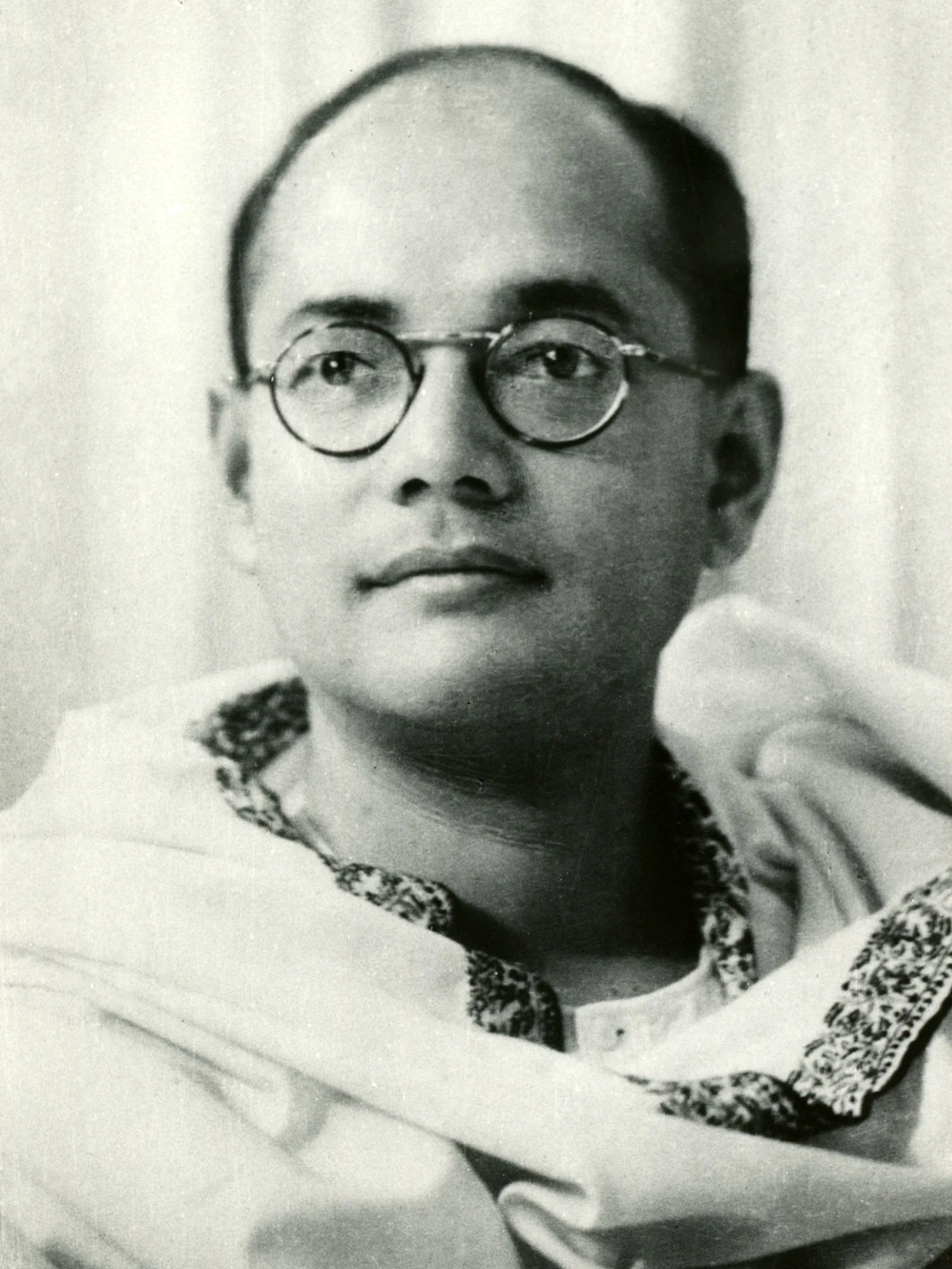
The Indische Legion — Subhas Chandra Bose in Berlin
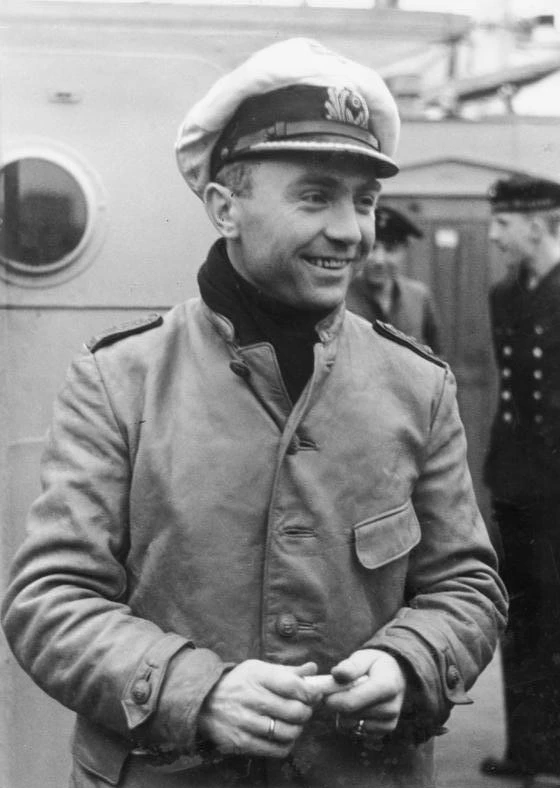
'Where is Prien?' — the fate of a hero
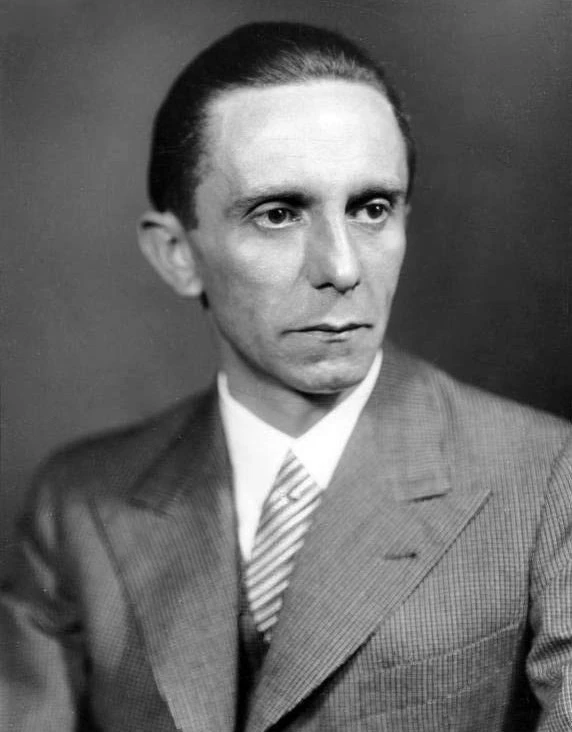
Berlin, October 1941: The Words of Victory
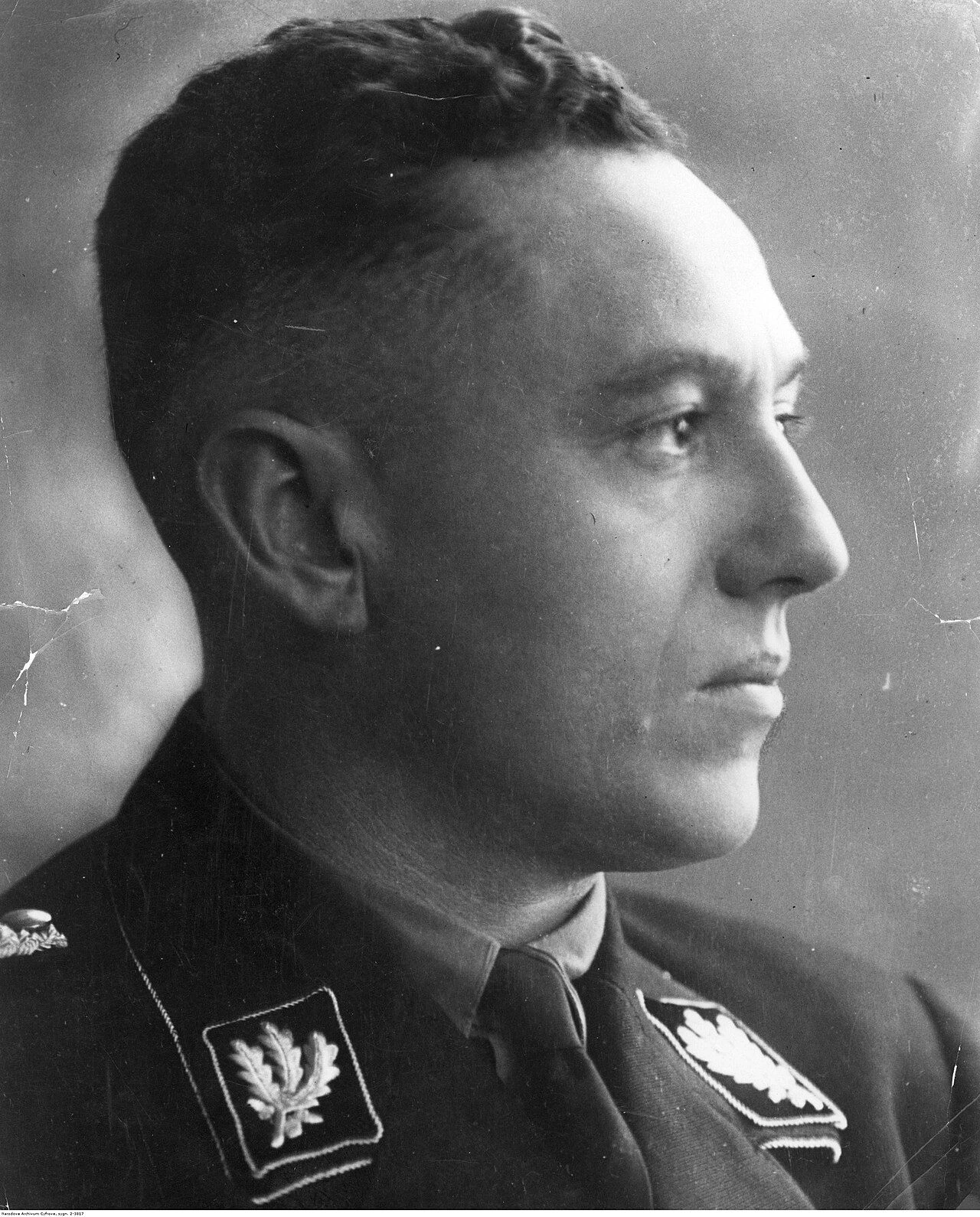
Forster — Kashubians and Kociewiacy
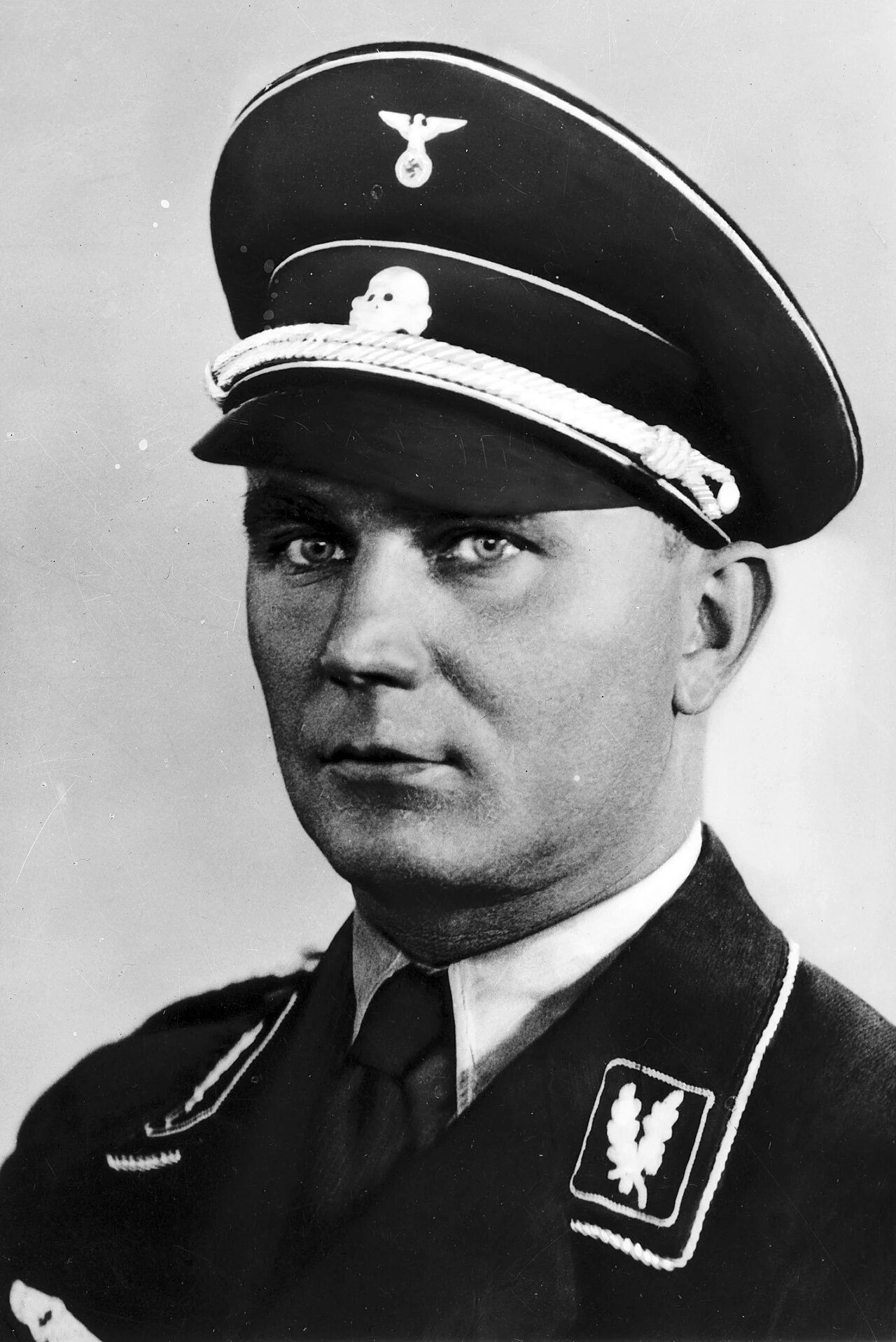
Greiser — the Priority of the Wartheland
Hannah Arendt, Stateless and Interned, Facing Exile
Hitler at the Sportpalast — 30 January, 8 pm
Ciano summons the ambassadors — 10 June
Mussolini on the balcony — 10 June, 18:00
Mussolini on the Riviera — 21 June
The Indische Legion — Subhas Chandra Bose in Berlin
'Where is Prien?' — the fate of a hero
Berlin, October 1941: The Words of Victory
Forster — Kashubians and Kociewiacy
Greiser — the Priority of the Wartheland
Hannah Arendt, Stateless and Interned, Facing Exile