
, 43, Air Marshal and Governor-General of Libya since 1933, is one of the most popular figures in Italian Fascism. Founder of the Regia Aeronautica, hero of the great transatlantic air raids of 1933 — an avenue in Chicago still bears his name — he was sent to Tripoli precisely because his popularity worried Mussolini.
From his colony, Balbo has become a dissonant voice in the regime. He has criticised the German alliance, disapproved of the racial laws of 1938, and judges the Italian army poorly prepared for war. In this spring of 1940, Mussolini, seeing France collapse under German blows, wants to enter the conflict to sit at the victors' table. Balbo, for his part, knows the real state of his forces: outdated armour, insufficient motorisation, total dependence on supply that will have to cross a Mediterranean held by the Royal Navy. He fears that a closure of the Suez Canal would isolate reinforcements from East Africa and leave Libya exposed to an Allied offensive from Egypt.
Convinced that entry into the war would be premature and dangerous for Libya, Balbo must choose how to make his disagreement known to the Duce.
Should Balbo openly oppose entry into the war, or stay silent and prepare the defence of Libya?
Balbo essentially stuck to B: he passed his warnings up through military channels without breaking publicly, and devoted himself to organising the defence of a Libya he knew was fragile. His warnings proved well founded. Italy declared war on 10 June 1940; in North Africa, materiel inferiority and the vulnerability of supply lines across the Mediterranean weighed at once, as he had predicted. On 28 June 1940, his SM.79 was shot down above Tobruk by Italian anti-aircraft fire, which mistook him for an enemy aircraft shortly after a British raid: Balbo and the entire crew perished. The share of accident and that of a possible elimination of a popular rival remain debated. His disappearance deprived Italy of one of its most lucid leaders on the threshold of a war he had judged premature.
Learn more about this event
Related polls
10
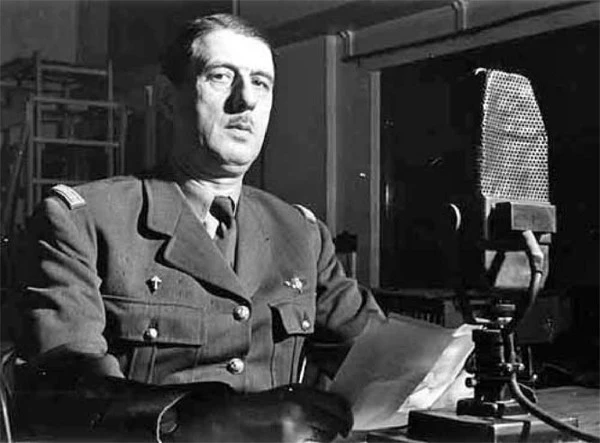
The Appeal of 18 June
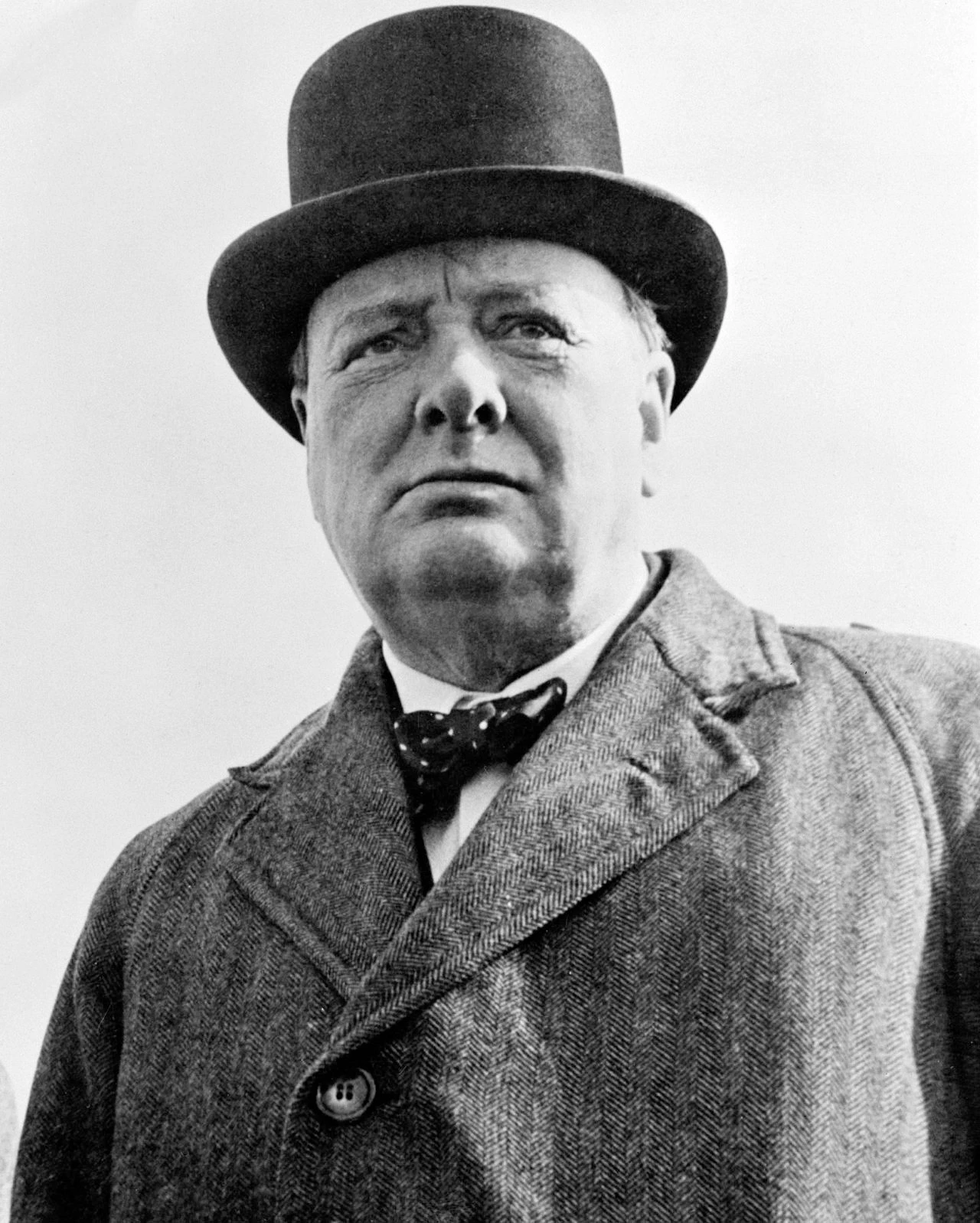
Churchill in power
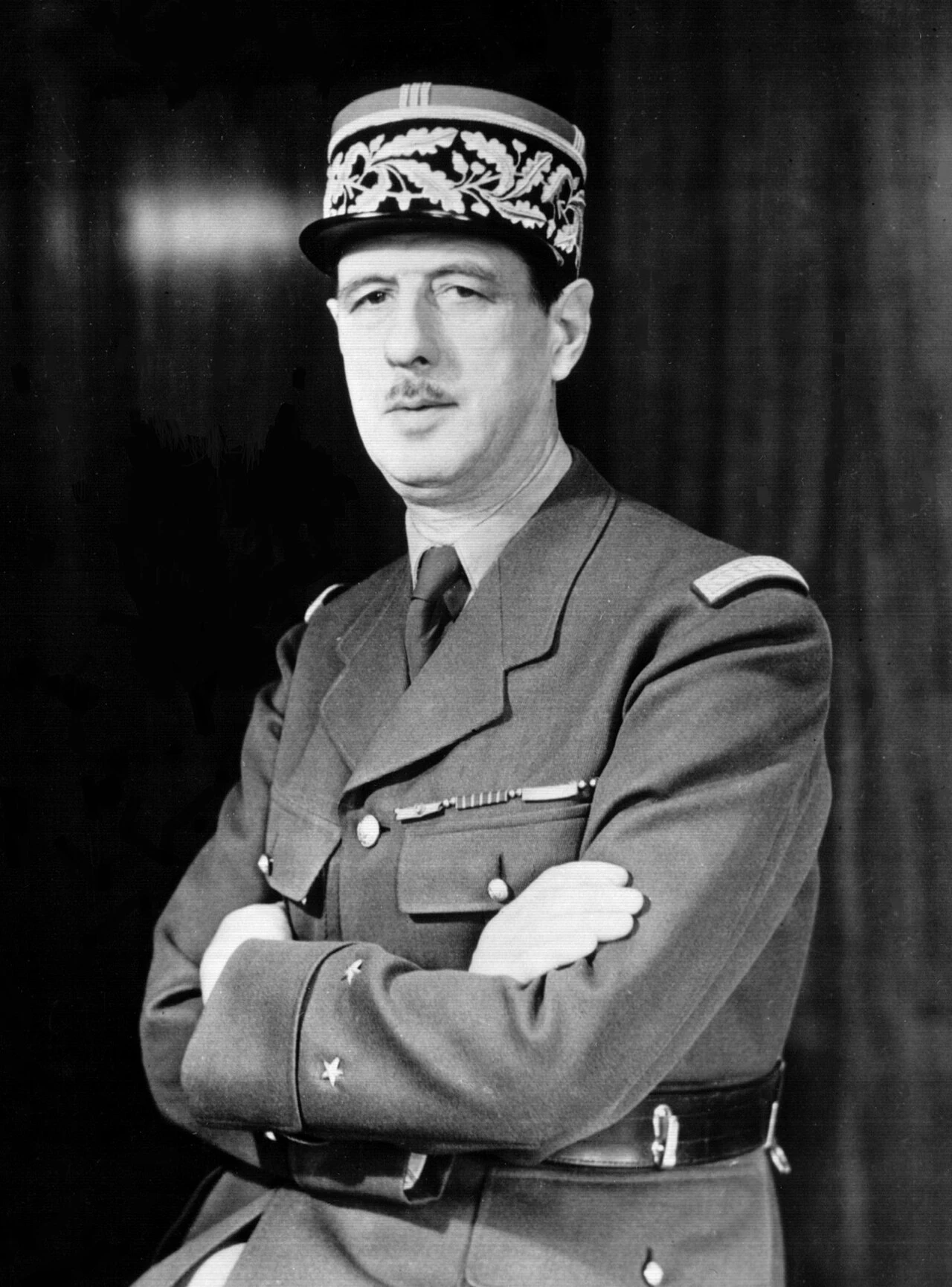
De Gaulle at the BBC microphone — 18 June, 18:00
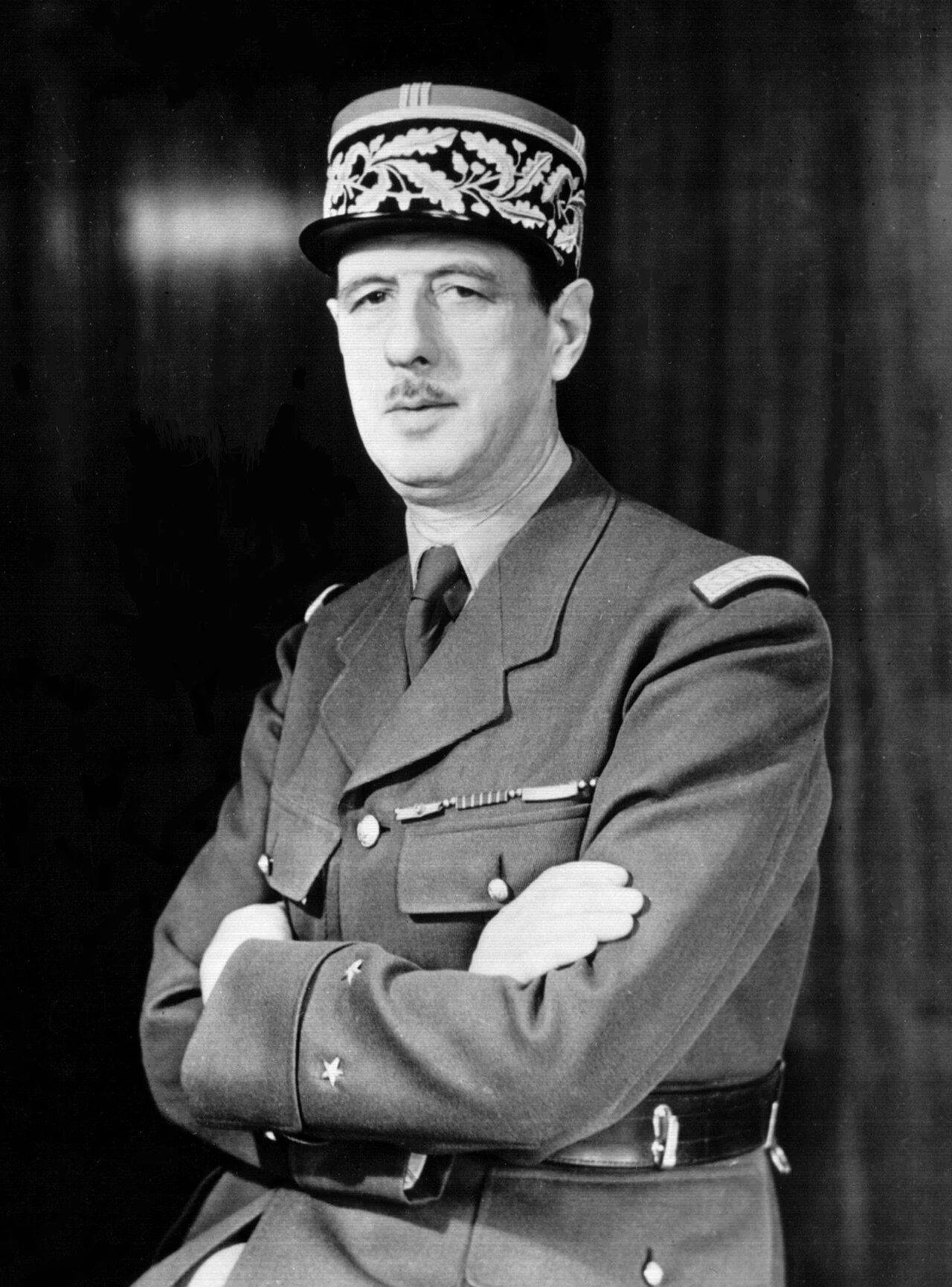
De Gaulle calls on Churchill — 9 June
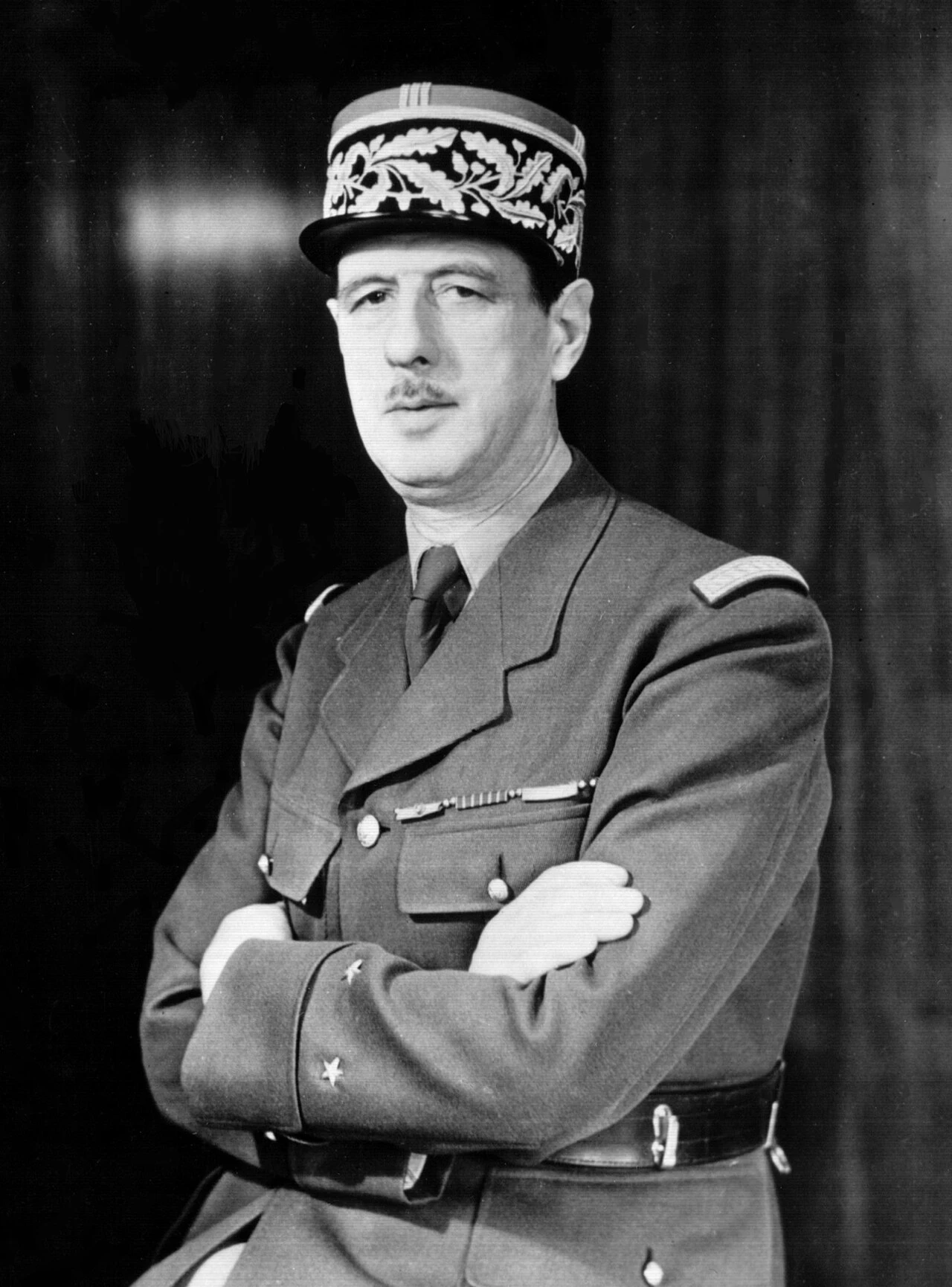
De Gaulle joins the government — 5 June
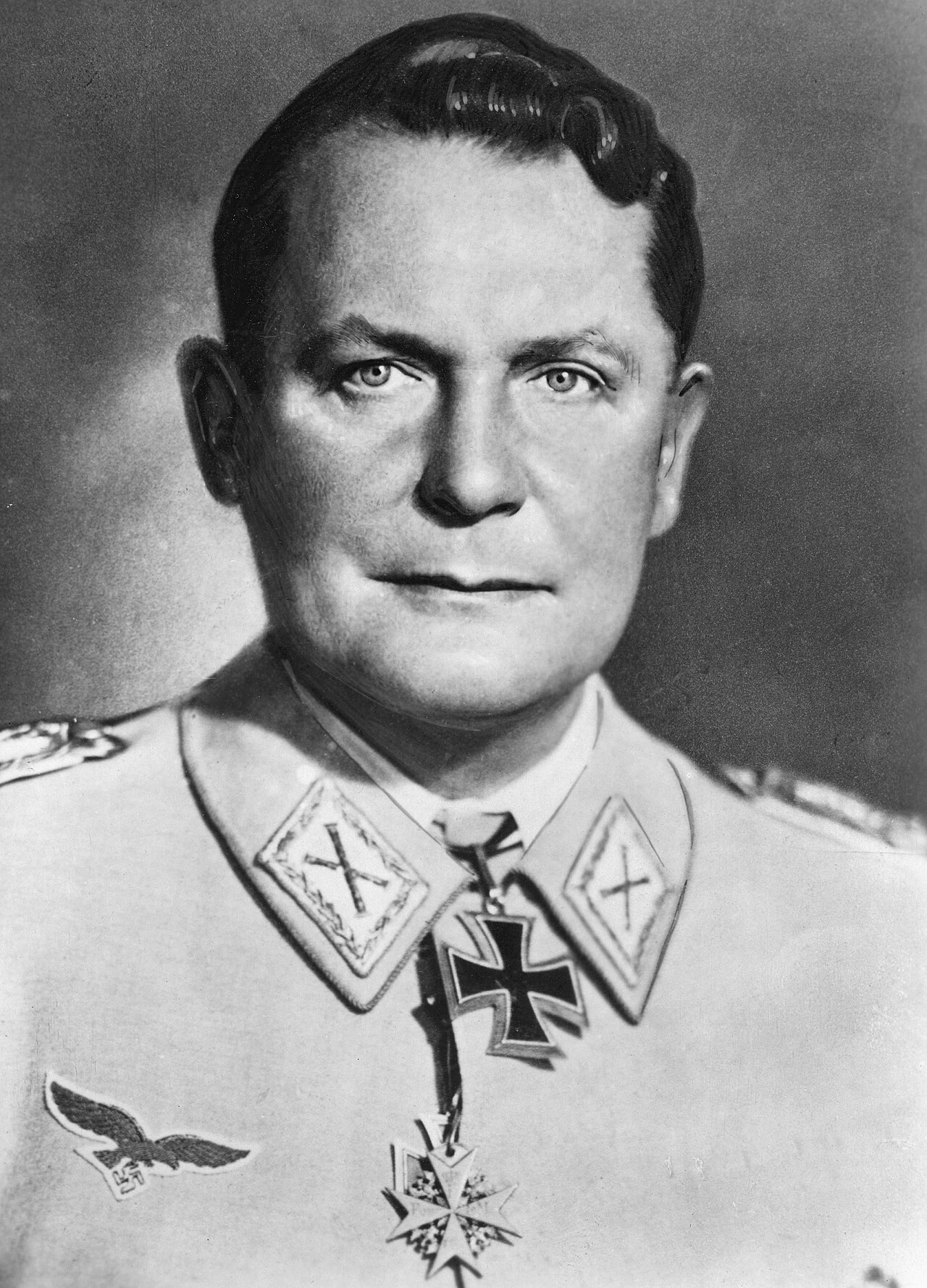
Goering at Carinhall — the promise to Hitler
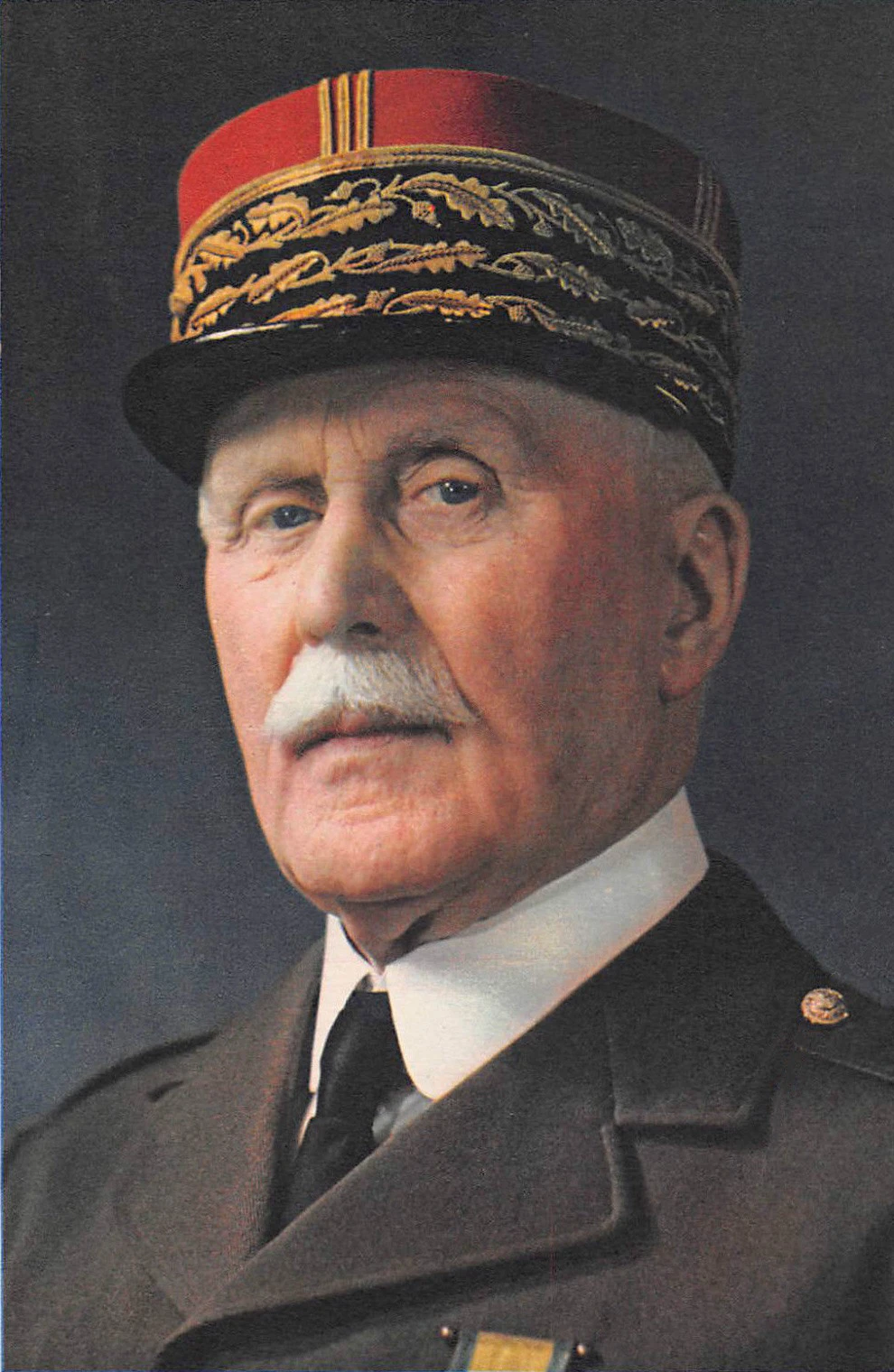
The hero of Verdun recalled from Madrid
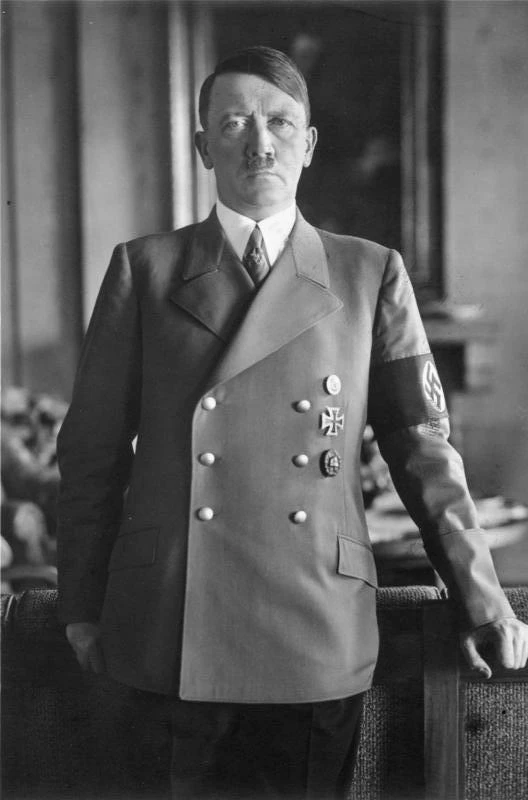
Hitler at Compiègne — 22 June 4:30 p.m.
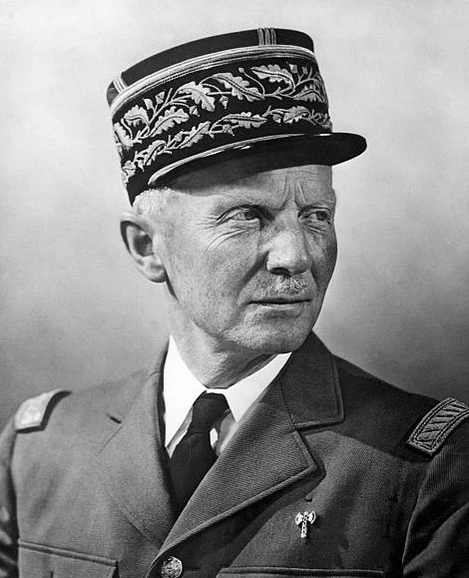
Huntziger in Foch's Carriage — 22 June
Léopold III — Wijnendaele 28 May
The Appeal of 18 June
Churchill in power
De Gaulle at the BBC microphone — 18 June, 18:00
De Gaulle calls on Churchill — 9 June
De Gaulle joins the government — 5 June
Goering at Carinhall — the promise to Hitler
The hero of Verdun recalled from Madrid
Hitler at Compiègne — 22 June 4:30 p.m.
Huntziger in Foch's Carriage — 22 June