
The French Pacific Rallies
Far from Europe, the French Pacific territories — the New Hebrides, New Caledonia, the French Establishments of Oceania (Tahiti) — learn of the armistice and the division between Vichy and Free France. Isolated, neighbours of British and Australian possessions, they too must choose their side.
For the administrators and local populations (settlers, civil servants, and indigenous populations involved to varying degrees), the stakes are real. To rally to de Gaulle's Free France, relying on the Allied neighbours (Australia, New Zealand) and continuing the war. To remain loyal to Vichy, out of legalism, despite the remoteness. Or to await clarification.
The rallying of these territories would give Free France a presence on a third continent and resources (the strategically important nickel of New Caledonia). But it presupposes breaking with Vichy legality, sometimes at the cost of local tensions between partisans of the two camps. The remoteness and the proximity of the Pacific Allies weigh in the balance.
Should the Pacific territories rally to Free France, remain loyal to Vichy, or wait?
The Pacific territories choose A during the summer–autumn of 1940: the New Hebrides rally to de Gaulle as early as July 1940 (among the very first, along with Chad), followed by the Establishments of Oceania (Tahiti) and New Caledonia in September. These ralliements, supported by Australia and New Zealand, give Free France a foothold in the Pacific and access to strategic resources (Caledonian nickel). New Caledonia will later become a major Allied base in the Pacific War against Japan. The commitment of these distant territories, sometimes at the cost of local tensions, illustrates the worldwide dimension of the rallying to Free France from the summer of 1940.
Learn more about this event
Related polls
10
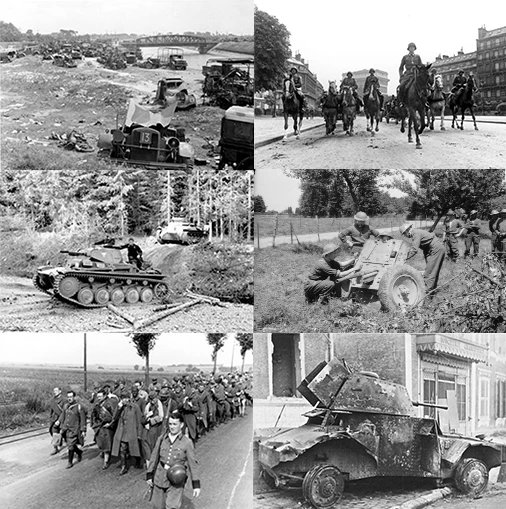
The armistice of Rethondes
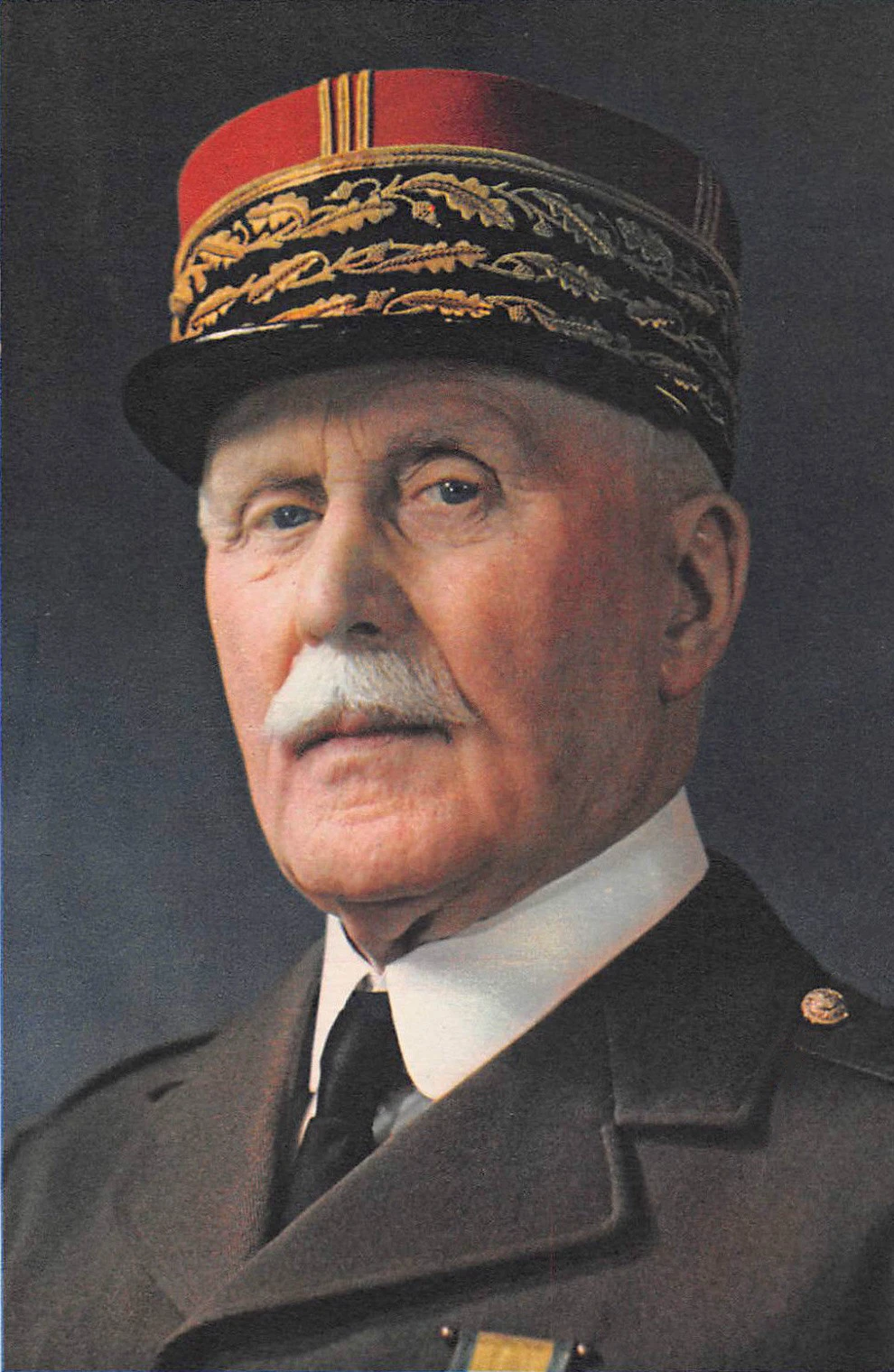
A Capital for the French State — 28 June
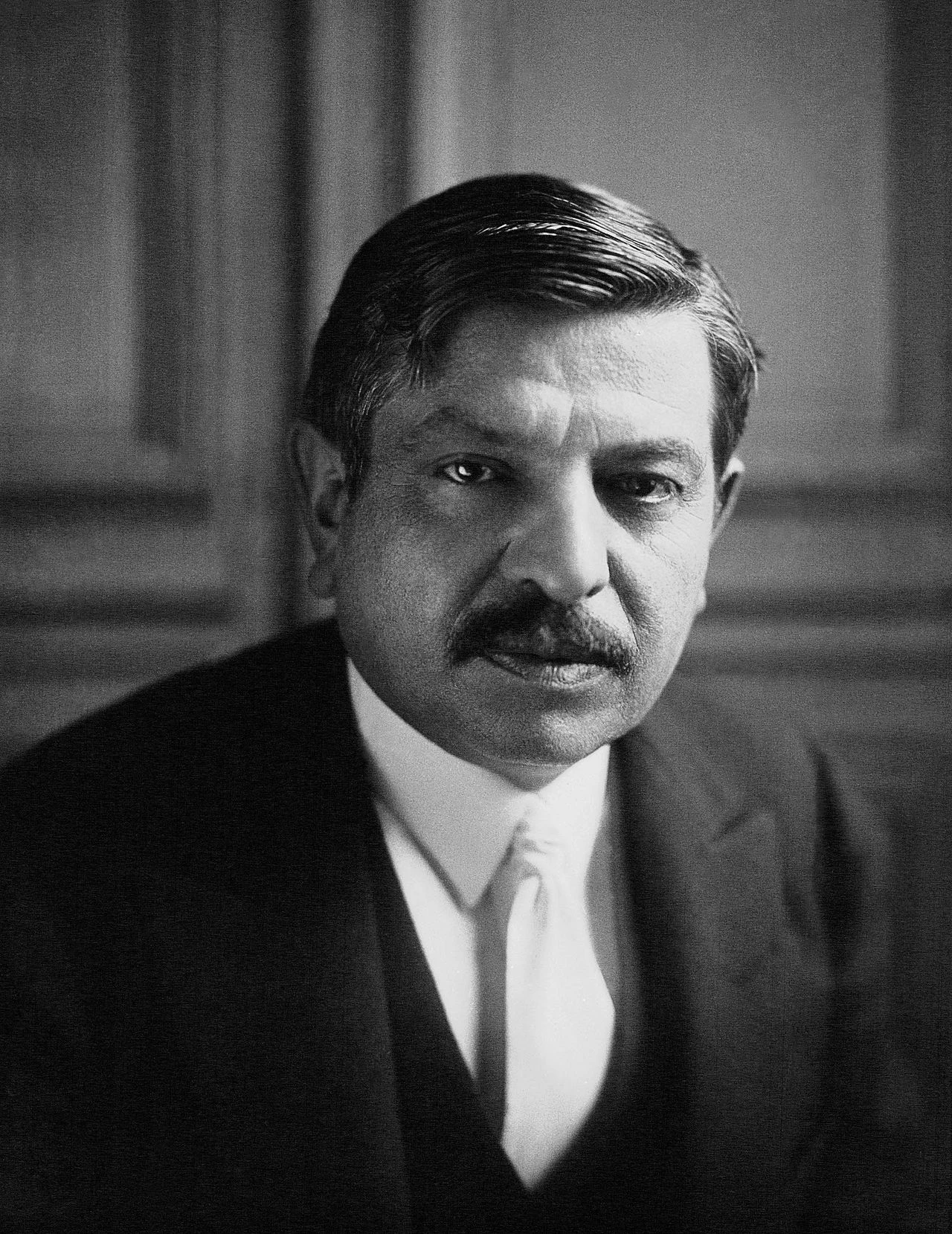
Laval at the Vichy Casino — 10 July
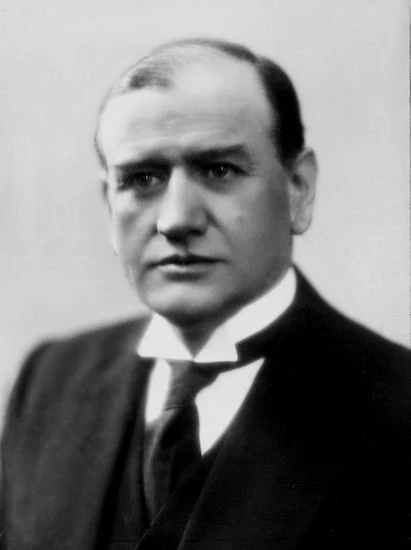
The Massilia — Bordeaux 21 June
The Massilia — Leaving for North Africa
Pétain Faces Mers-el-Kébir
Vichy — full powers
Vincent Badie — Vichy Casino, 10 July
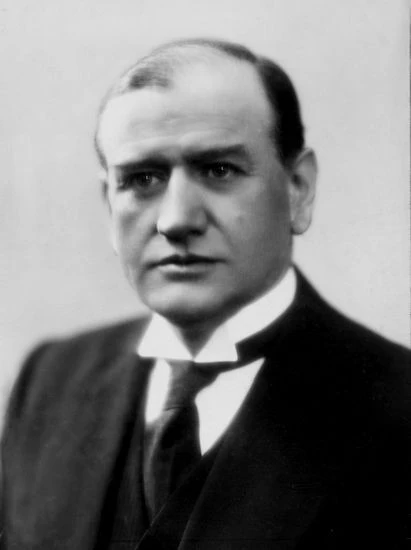
Daladier asked to leave the War Ministry
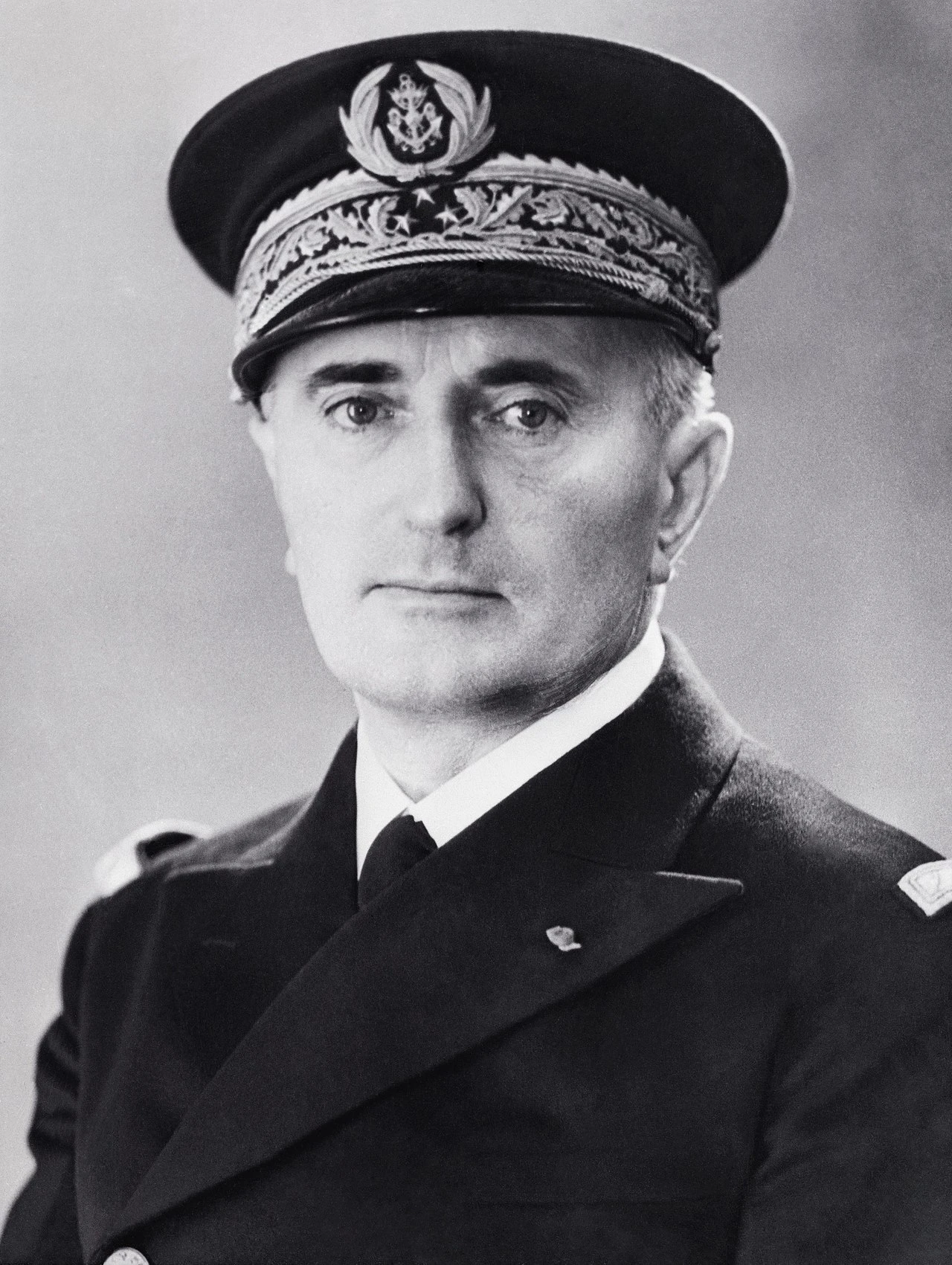
Darlan and the fleet — 20 June
The armistice of Rethondes
A Capital for the French State — 28 June
Laval at the Vichy Casino — 10 July
The Massilia — Bordeaux 21 June
The Massilia — Leaving for North Africa
Pétain Faces Mers-el-Kébir
Vichy — full powers
Vincent Badie — Vichy Casino, 10 July
Daladier asked to leave the War Ministry