
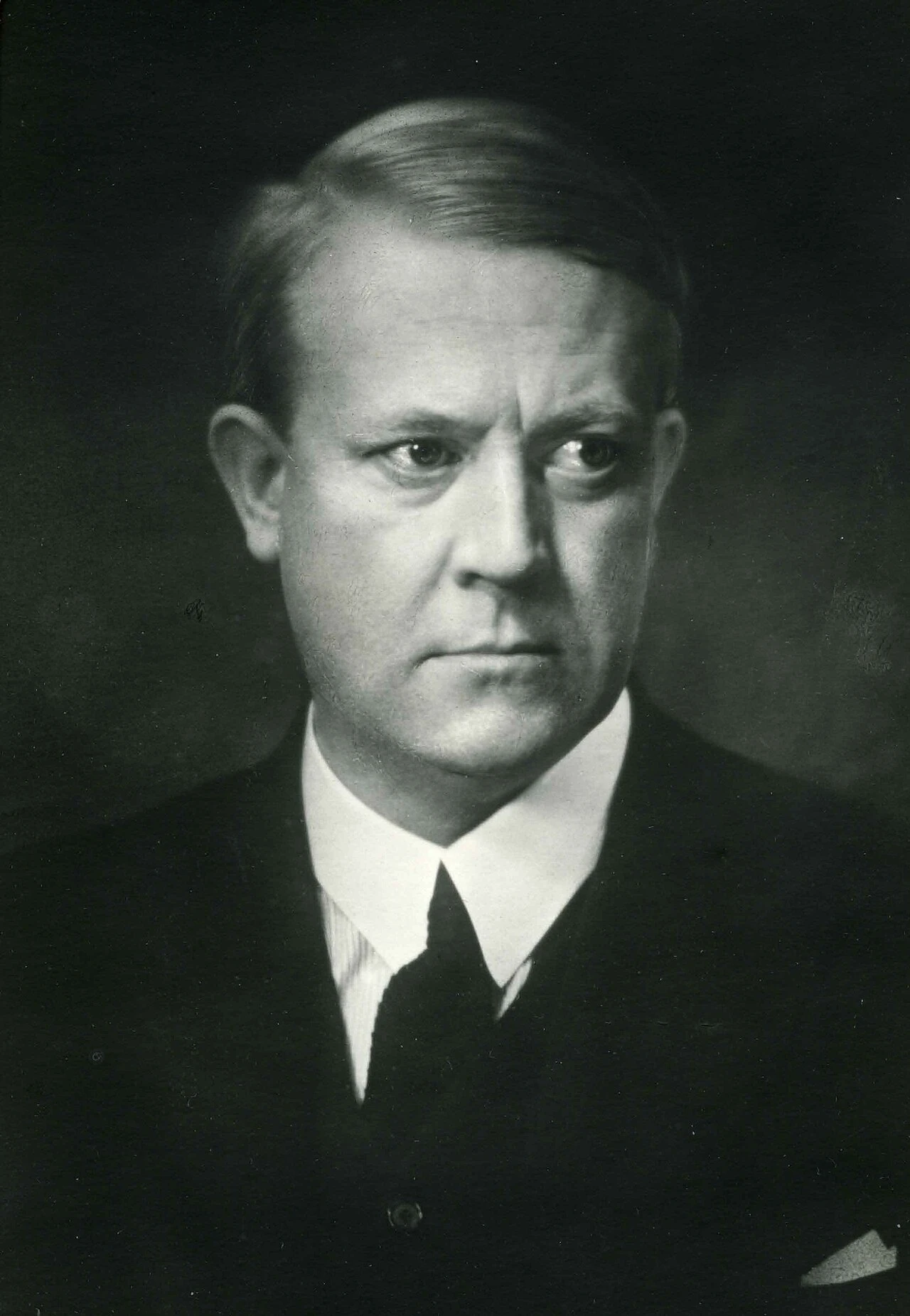
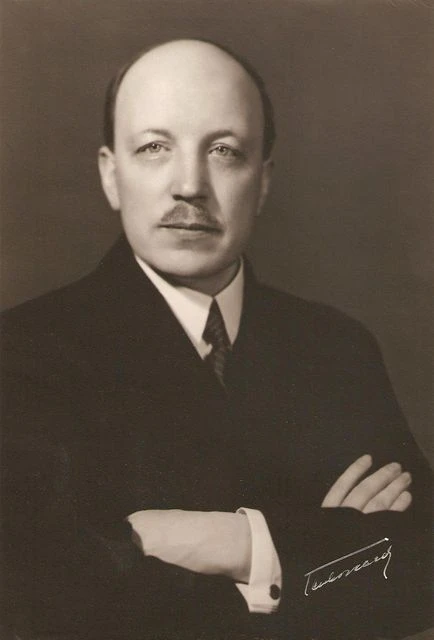
, 55, had been Sweden's Minister of Foreign Affairs since 1932 — one of the longest diplomatic tenures in Europe. A Social Democrat and former prime minister (1925-1926), he had championed a Scandinavianist policy: an informal defensive alliance between Sweden, Norway, Denmark and Finland. The policy had culminated in 1938 in a joint declaration by the four kings (, , , and the Finnish President Kallio).
The Soviet invasion of Finland on 30 November 1939 put Sandler in an untenable position. His Scandinavianist doctrine theoretically implied military solidarity with Finland. But Prime Minister and King were opposed to intervention: Sweden could not militarily resist the USSR and Germany at once.
From 1 to 14 December 1939 Sandler pressed the Hansson government for Swedish armed intervention in Finland. His strength: his personal popularity and his Scandinavian network. His weakness: isolation in the Council of Ministers, which leaned towards neutrality.
Sandler had to choose whether to maintain his opposition in public or give way.
Should Sandler maintain his opposition within the government?
Sandler chose A. On 13 December 1939 he publicly resigned. His letter of resignation, published in Dagens Nyheter (Stockholm), explained: "I cannot serve a government that abandons our Scandinavian brothers to their fate." Hansson replaced him with (a moderate, formerly ambassador to Norway). Sandler remained a member of the Riksdag and became chairman of the Foreign Affairs Committee. Throughout the Winter War he advocated maximum aid to Finland short of direct intervention — in practice the policy that was adopted (8,700 SFK volunteers, 84,000 rifles, etc.). In 1941, after the German invasion of the USSR and Finland's entry into the Continuation War alongside Germany, Sandler sharply criticised the Finnish turn. He remained politically active in the SAP (Swedish social democracy), was ambassador 1946-1950, and president of the Scandinavian cultural societies. He died in 1964 at 80. His resignation of 1939 remained one of the major political acts of twentieth-century Scandinavia.
Learn more about this event
Related polls
10
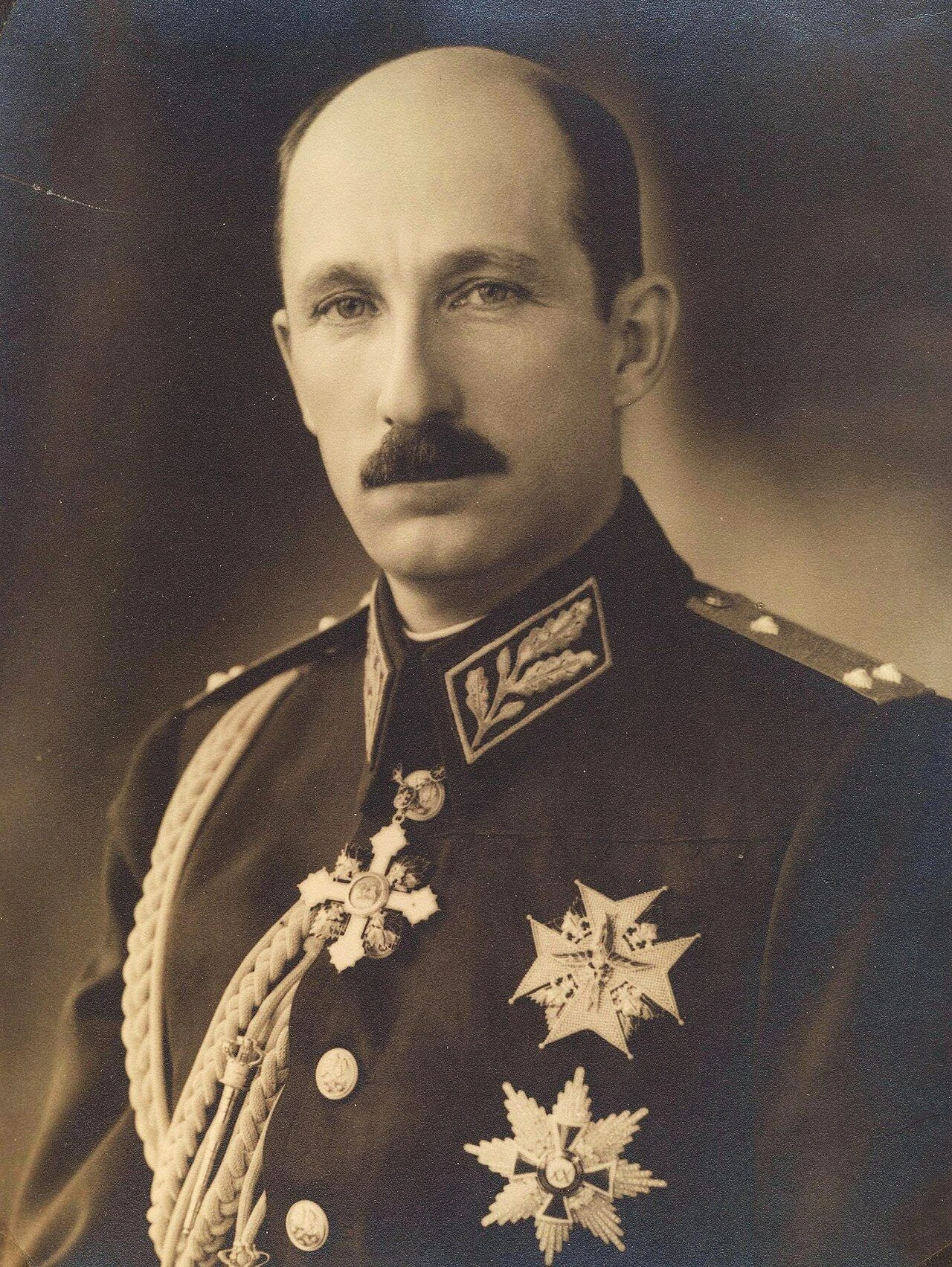
Boris III — the Bulgarian balancing act
Carol II in Bucharest — the Romanian balance
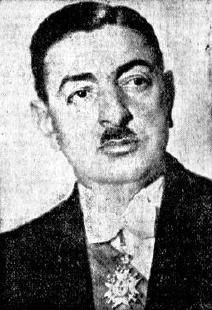
Cvetković under pressure
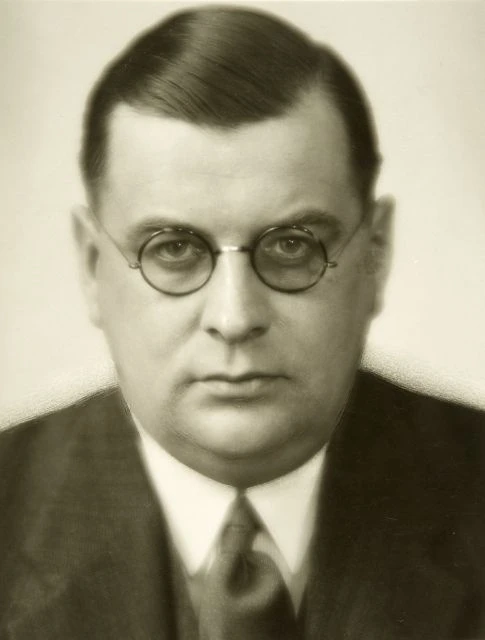
Erkko — the minister of 1 December
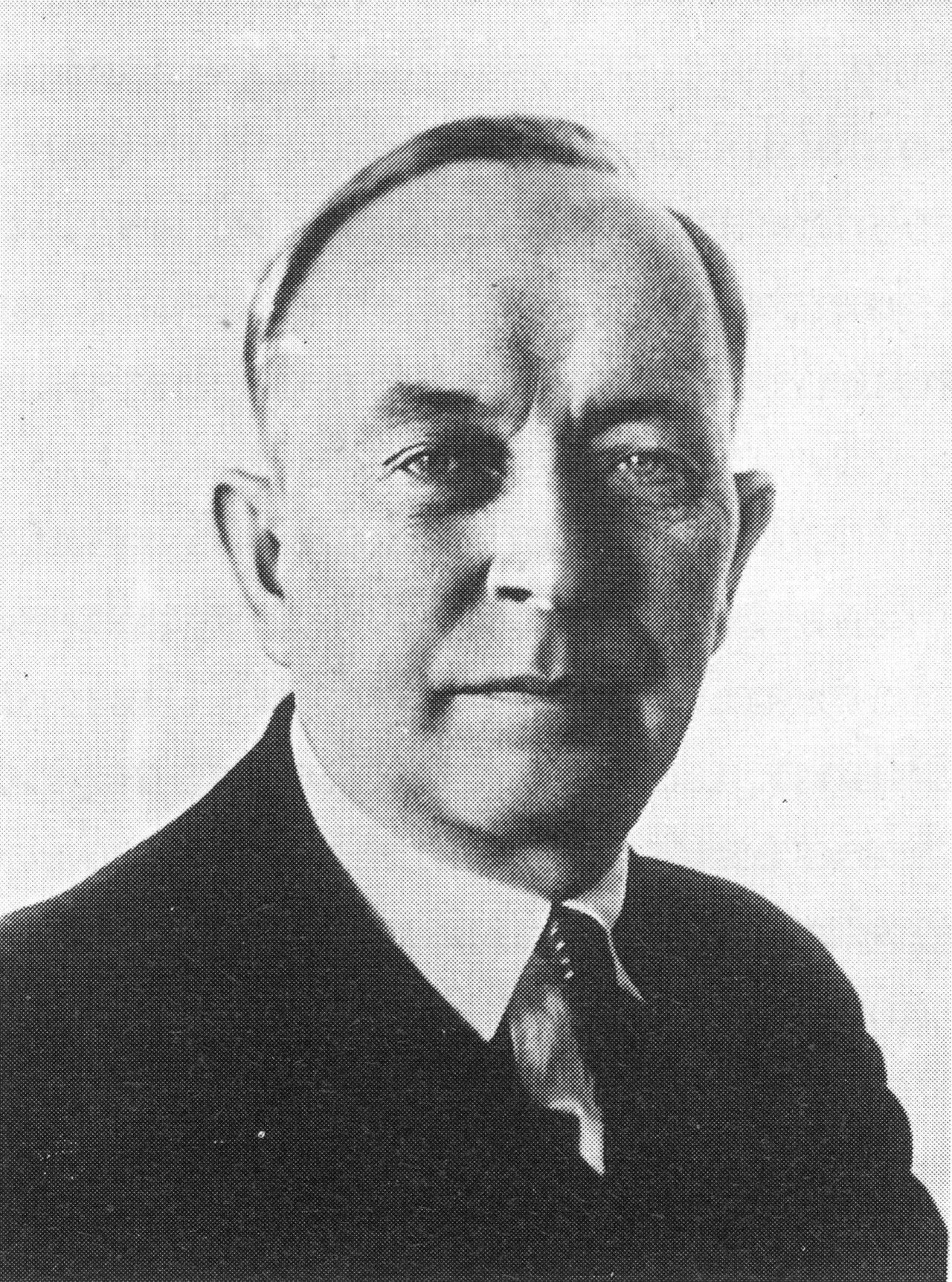
Kuusinen — Terijoki, 1 December
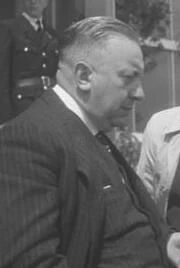
Müller in Rome — the Vatican channel
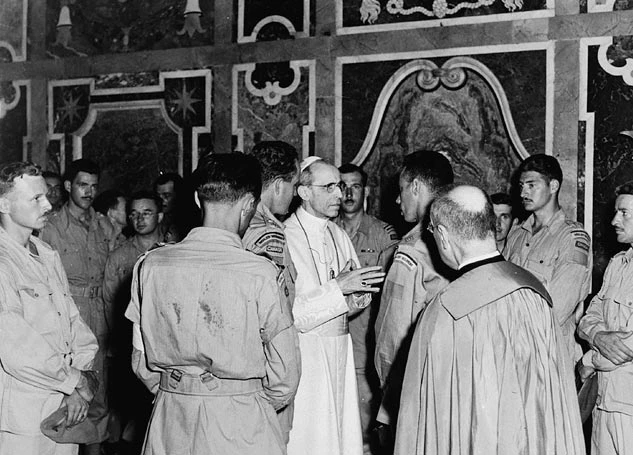
Pius XII — the Christmas allocution
Quisling in Berlin — facing Rosenberg
Ryti — Prime Minister on 2 December
The League of Nations faces Soviet aggression
Boris III — the Bulgarian balancing act
Carol II in Bucharest — the Romanian balance
Cvetković under pressure
Erkko — the minister of 1 December
Kuusinen — Terijoki, 1 December
Müller in Rome — the Vatican channel
Pius XII — the Christmas allocution
Quisling in Berlin — facing Rosenberg
Ryti — Prime Minister on 2 December