
The fate of the Channel Islands
With the fall of France, the Channel Islands (Jersey, Guernsey, Alderney, Sark), possessions of the British Crown off the Norman coast, found themselves indefensible: too close to a continent now in German hands, and without strategic value to justify a major military commitment.
The British government had to decide their fate, and that of their tens of thousands of inhabitants. To defend them militarily would cost precious forces for an objective lost in advance and would expose the population. To demilitarise and abandon them without a fight would spare lives but would deliver to the enemy, for the first time, British territory. There remained the question of the evacuation of civilians, partial and heart-rending.
London could demilitarise the islands and organise a partial evacuation of the inhabitants. To attempt to defend them on principle, at the cost of needless losses. Or to abandon them without any announcement, exposing the population to the German arrival. It was also a symbolic decision: to accept the occupation of British soil.
Should London demilitarise and evacuate the islands, defend them, or abandon them without preparation?
The government chose A: in mid-June 1940, the Channel Islands were demilitarised and part of the population (notably children) was evacuated to England, amid haste and heartbreak, with many inhabitants ultimately choosing to stay. The Germans occupied the islands from 30 June–1 July 1940 — the only British territory occupied throughout the entire war. The occupation there would last until May 1945, marked by deprivation and, on Alderney, by the establishment of labour camps. The abandonment of the islands, militarily rational, was a symbolic shock and left a population under the German heel for nearly five years.
Learn more about this event
Related polls
10
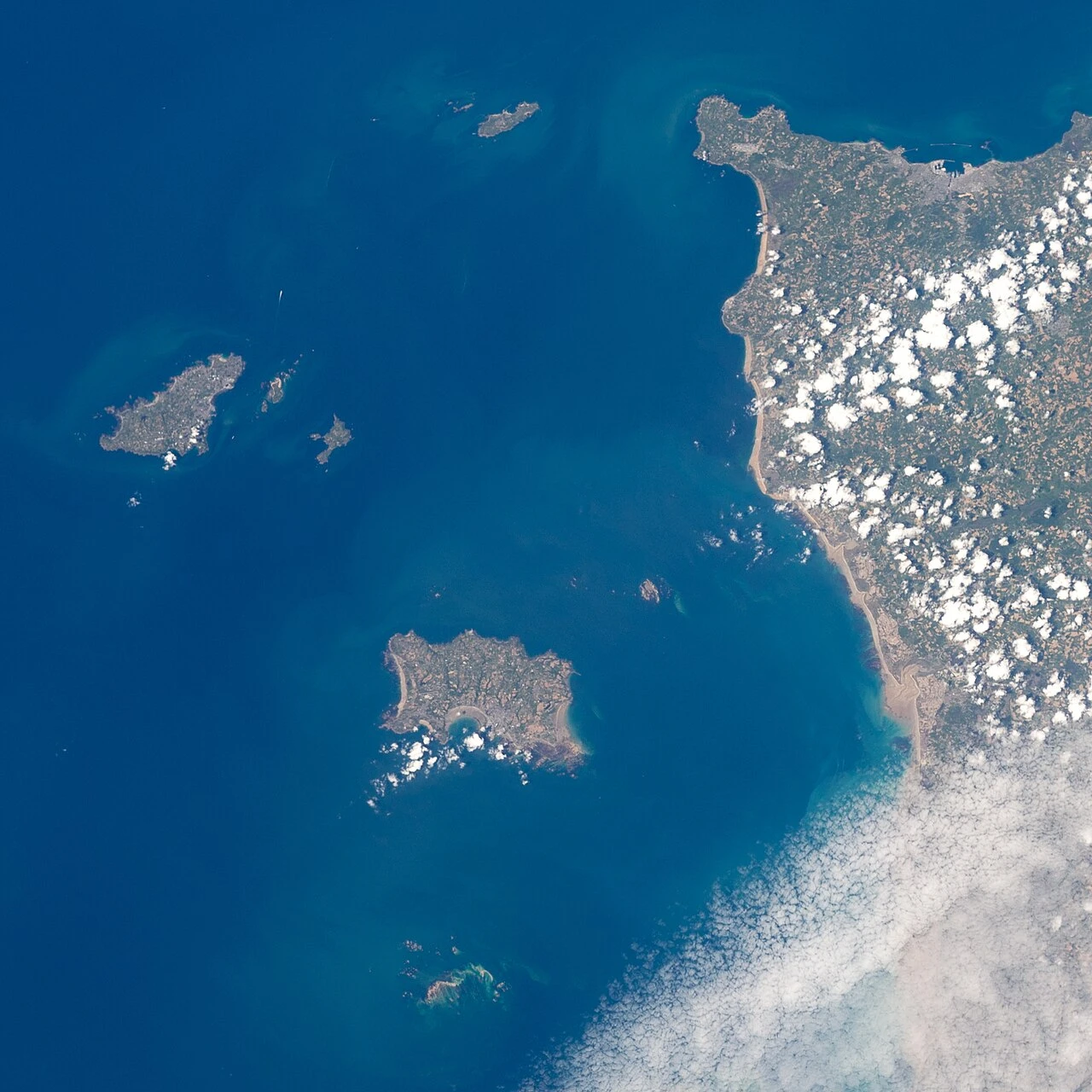
The Channel Islands — open city?
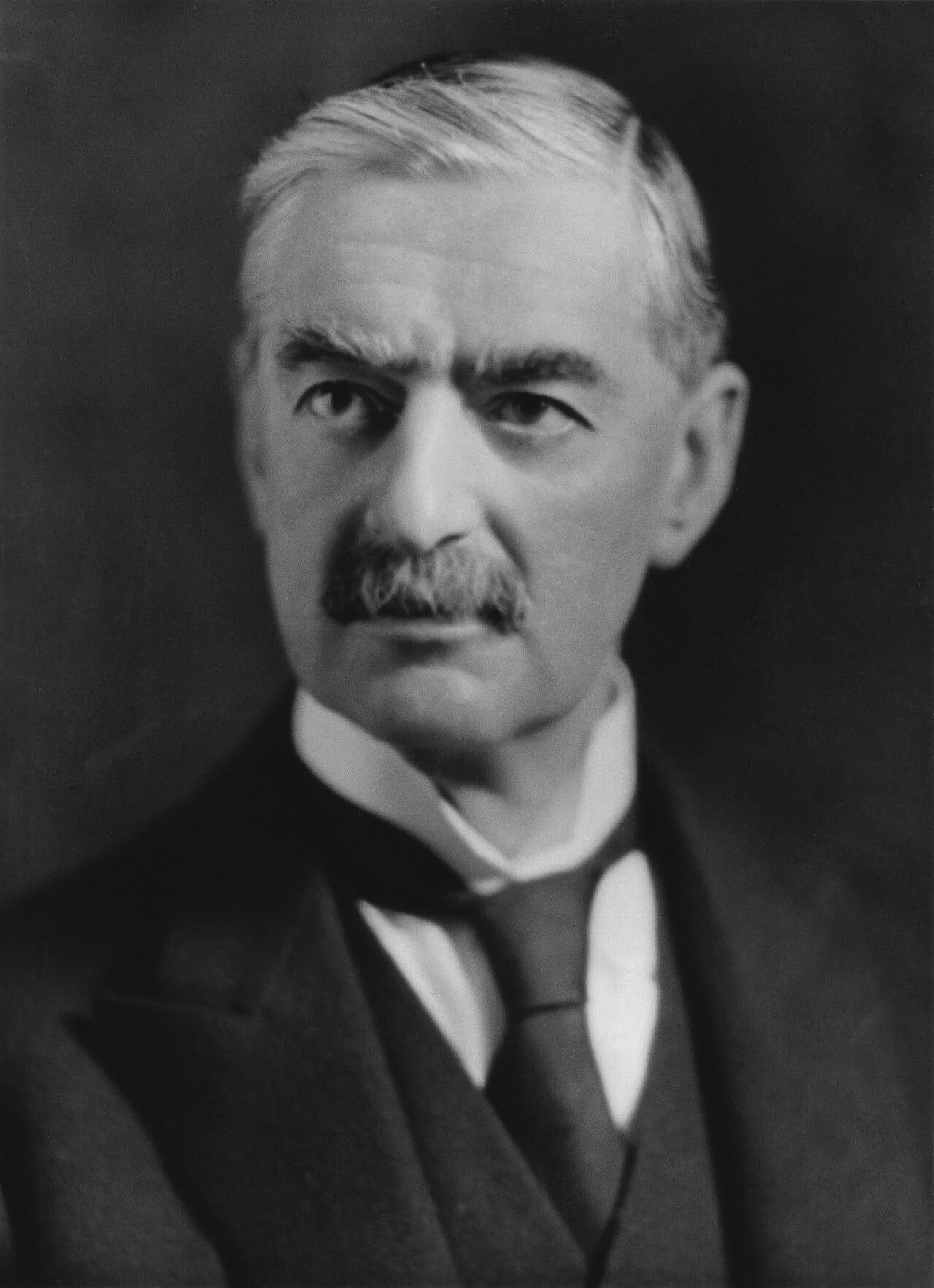
War council — leave central Norway?
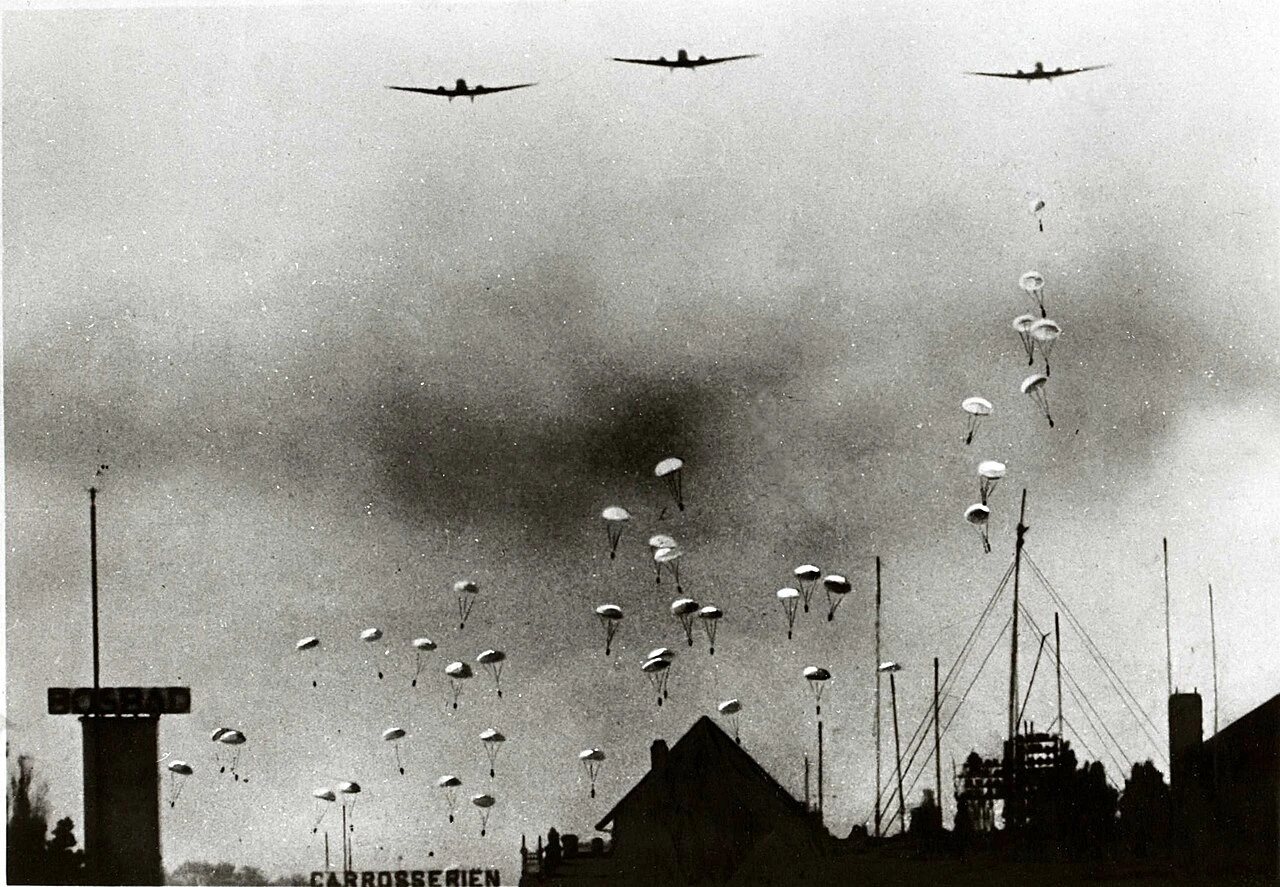
Winkelman and the fate of the Netherlands
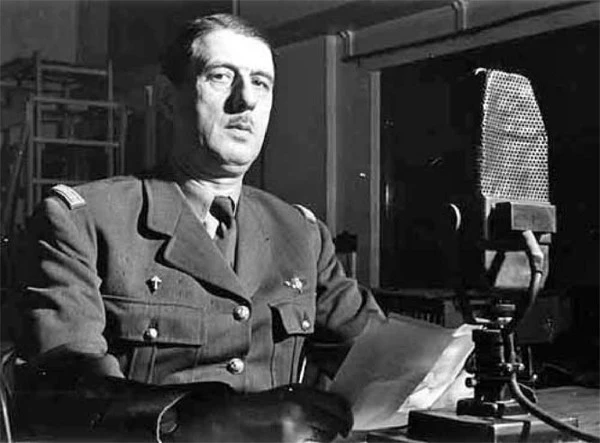
The Appeal of 18 June
The War Cabinet — Negotiate or Carry On
Churchill in power
Churchill — Buckingham 10 May 18:00
Churchill before the 25 ministers — 28 May 18:00
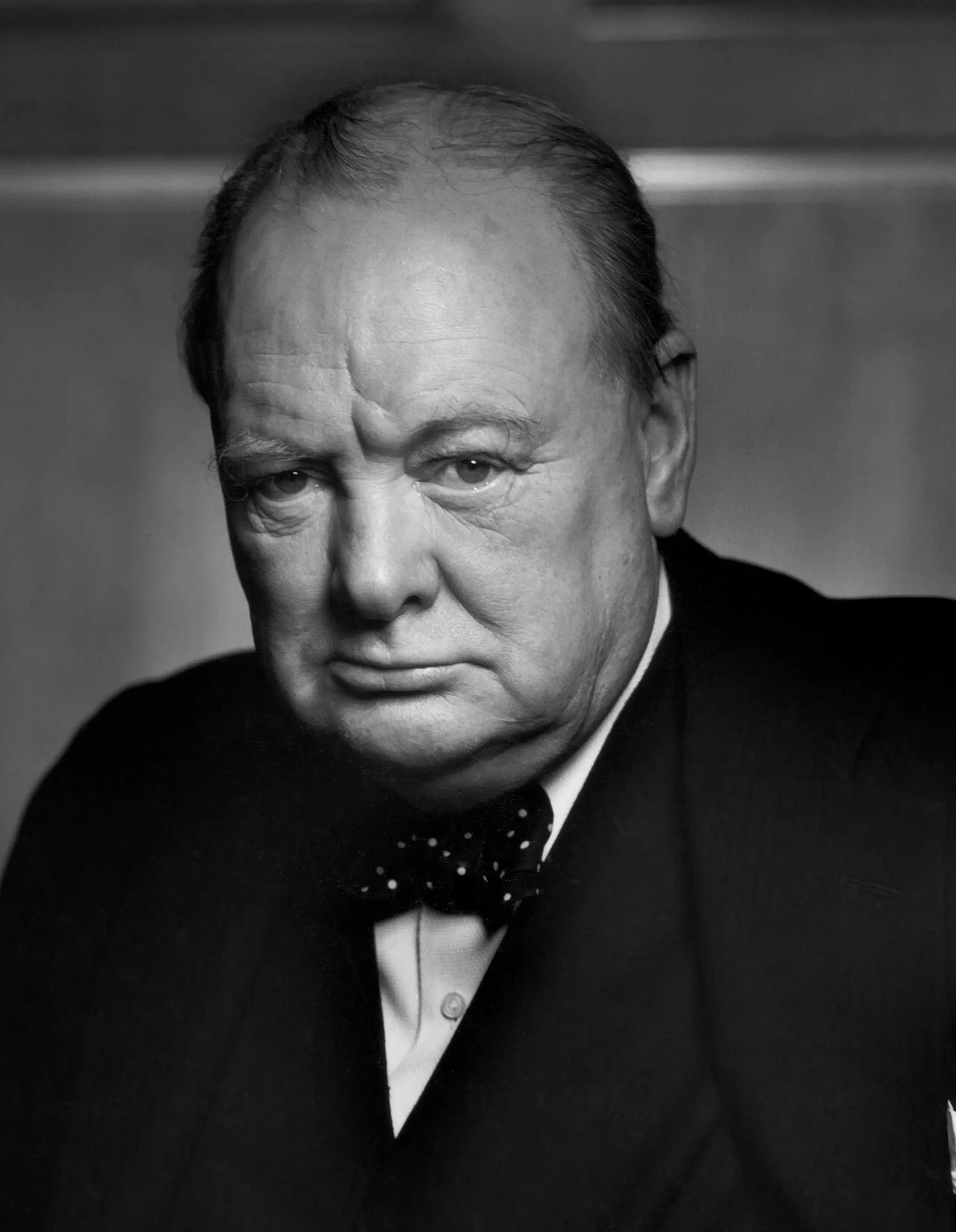
Churchill before the Commons — 4 June
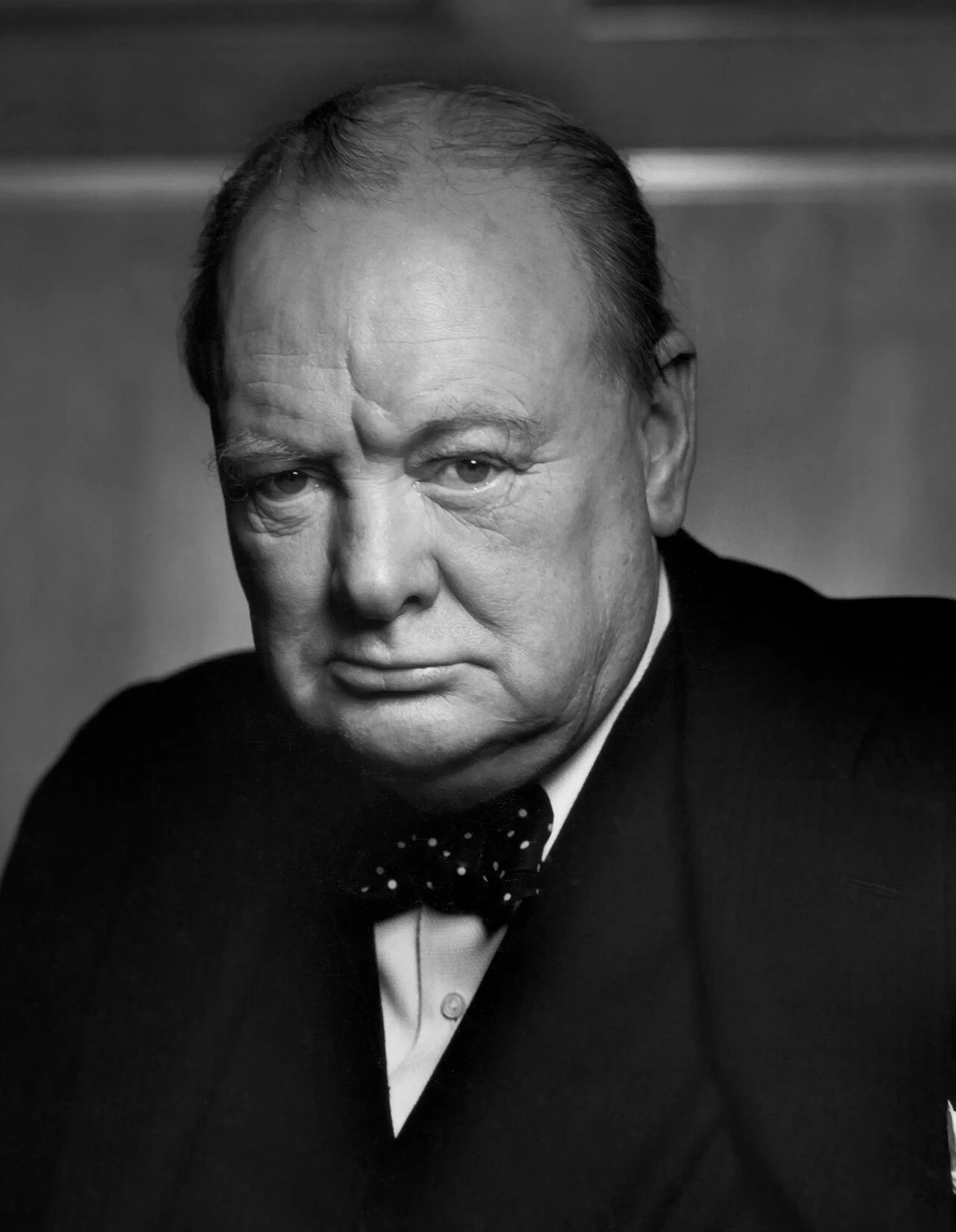
Churchill and the ultimatum on the Burma Road
The Channel Islands — open city?
War council — leave central Norway?
Winkelman and the fate of the Netherlands
The Appeal of 18 June
The War Cabinet — Negotiate or Carry On
Churchill in power
Churchill — Buckingham 10 May 18:00
Churchill before the 25 ministers — 28 May 18:00
Churchill before the Commons — 4 June