
Joulun rauha — Christmas 1939 in the trenches
Christmas in Finland — Joulu — is the most important national and religious festival, deeply Lutheran. Tradition: Joulurauha ("the Christmas peace"), proclaimed every 24 December at noon since 1320 by the mayor of Turku (Åbo), symbolically extended over the whole territory for twenty days. During the Winter War Christmas 1939 took place with part of Karelia under Soviet occupation and 300,000 Finnish soldiers mobilised at the front.
On 23 December 1939 Mannerheim ordered: "For the soldiers at the front, a special Christmas ration; field kitchens brought forward; religious services wherever the chaplain can reach." The Swedish gifts (a Scandinavianist initiative) came in by rail: 250,000 parcels distributed (chocolate, tobacco, woollen mittens, mulled wine). The Lotta Svärd organised mobile religious services: three chaplains travelled on skis across the positions of northern Karelia to celebrate the Christmas Eve services.
On the front line Finnish and Russian soldiers were sometimes 50 metres apart. The question: would there be a spontaneous ceasefire as in Christmas 1914 in Flanders? Lutheran and Orthodox military traditions share the same Christmas dates.
Our Finnish soldier had to decide how to behave in the event of any spontaneous fraternisation.
How should the Finnish soldier handle the night of 24 to 25 December 1939?
The Finnish soldiers mostly applied B. Unlike the First World War, no significant Christmas truce is documented in the Winter War. The Soviets had hardly observed Christmas since 1929 (official ban on the religious feast, replaced by the New Year; decorated trees were reintroduced in 1936 but stripped of religious meaning). Moreover, the Soviet attacks went on: Suomussalmi was surrounded from 22 to 30 December. At Kollaa and at Raate, engagements continued on 24 and 25 December. The Finnish soldiers received their Christmas gifts in the trenches, sang the Lutheran hymns under their breath (En etsi kultaa) and listened to the services broadcast from Helsinki on the Lotta transmitters. Mannerheim delivered a brief radio message at 18:00 on the 24th: "The children of Finland, in spite of the night, keep the flame of hope." At the front, 267 field masses were celebrated over 24-25 December 1939. Several individual cases of exchanges are documented (a Finnish soldier giving chocolate to a Soviet prisoner, and so on) but there was no collective cessation of fighting.
Learn more about this event
Related polls
10
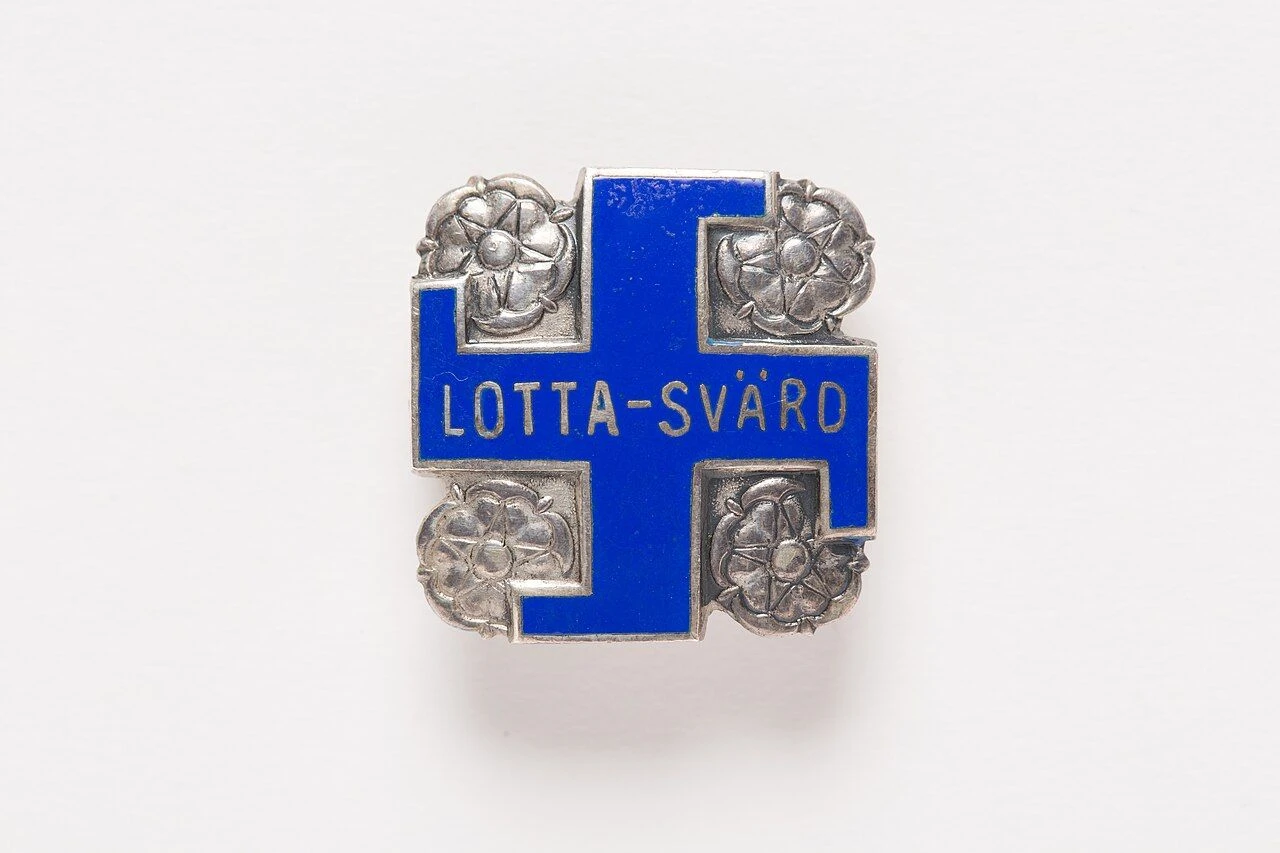
Lotta Svärd — Luukkonen and mobilisation
Tiilikainen at Yle — the war microphone
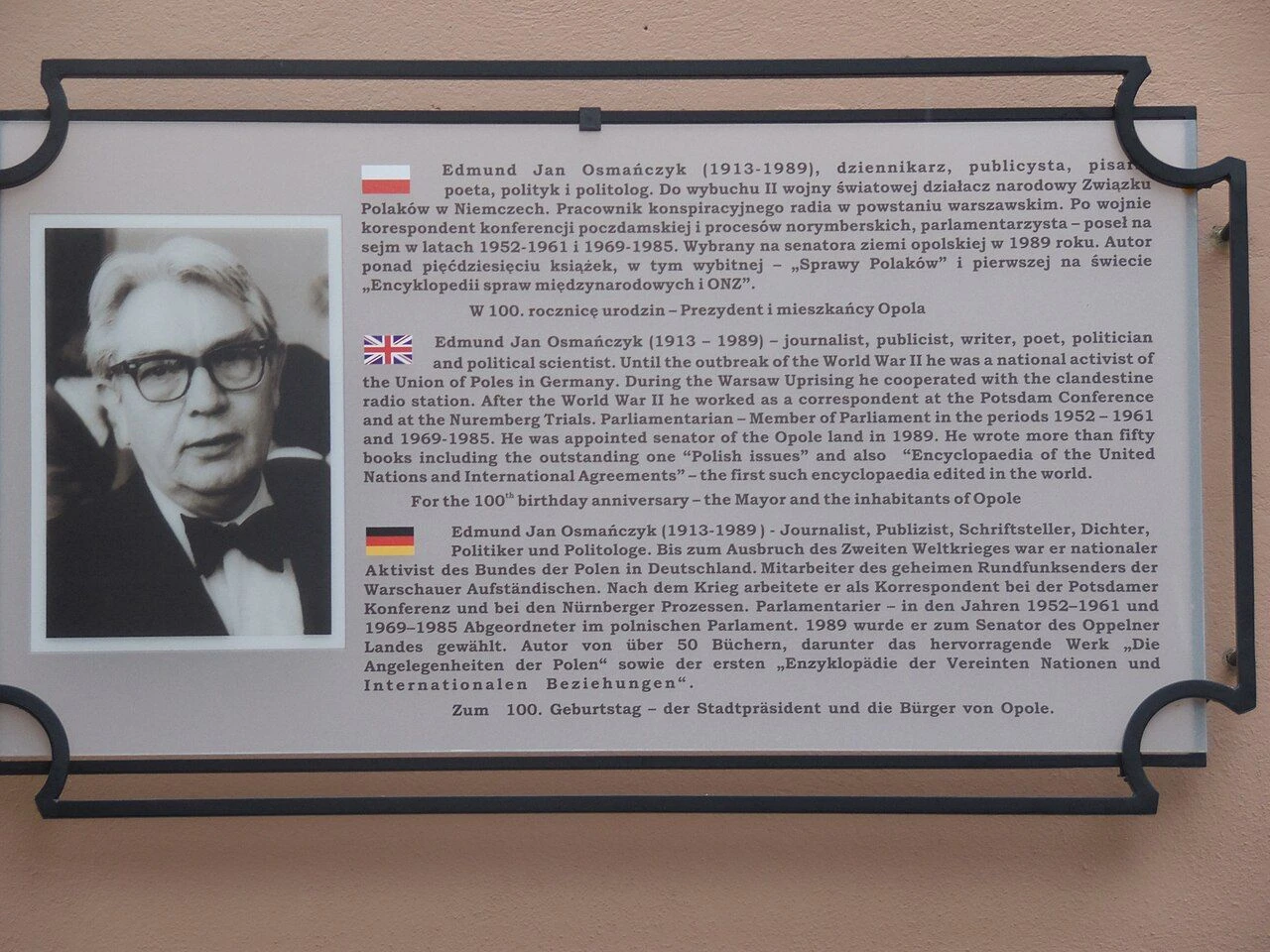
A Correspondent in Berlin
Czerniaków — the offer of the Judenrat
The Evacuation of the Children
Hannah Arendt, Stateless and Interned, Facing Exile
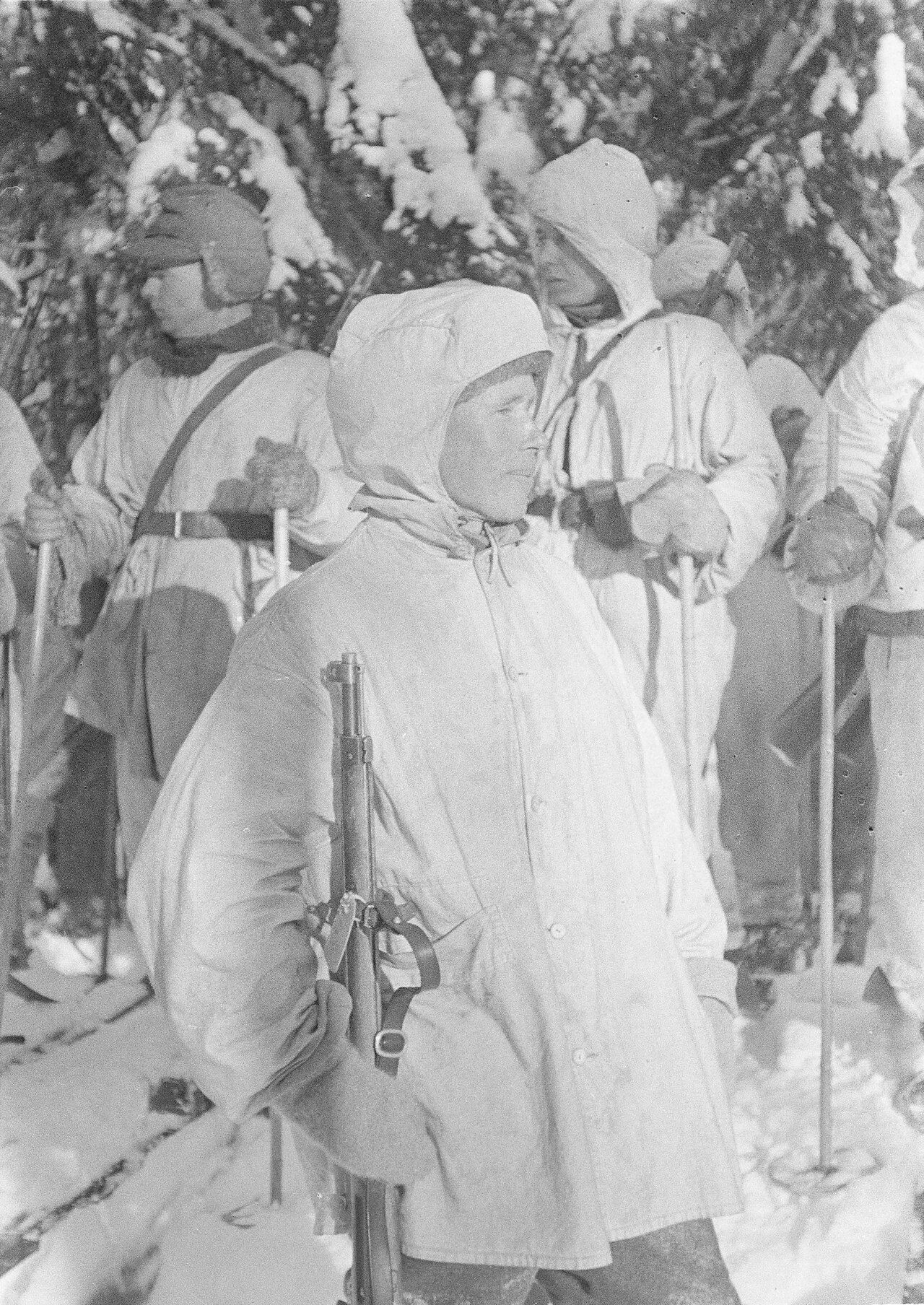
Häyhä — the marksman of Kollaa
Korczak — facing the siege of Warsaw
Langeron — Prefecture of Police, 14 June
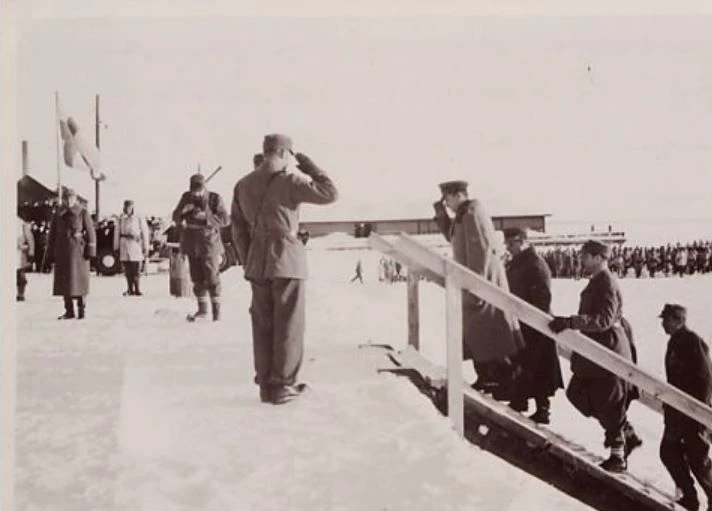
Mannerheim — the Order of the Day, 1 January
Lotta Svärd — Luukkonen and mobilisation
Tiilikainen at Yle — the war microphone
A Correspondent in Berlin
Czerniaków — the offer of the Judenrat
The Evacuation of the Children
Hannah Arendt, Stateless and Interned, Facing Exile
Häyhä — the marksman of Kollaa
Korczak — facing the siege of Warsaw
Langeron — Prefecture of Police, 14 June