
The Drawing of Lots at Rosendaël
Dunkirk perimeter, 2 June 1940. For ten days now, the British Expeditionary Force has been falling back towards the sea, caught in a pincer by the German advance across Flanders. Operation Dynamo is shipping tens of thousands of men back to England, packed onto the moles, the makeshift gangways and the little ships that have come from all along the south coast. But the embarkation is slow, the sky is thick with Stukas, and every place on a boat is fought over bitterly. At Rosendaël, in the city's eastern suburbs, your aid post — one of the Casualty Clearing Stations attached to the 12th — is overflowing with soldiers gathered up under fire.
You are a military doctor. Under your orders and those of your colleagues lie hundreds of badly wounded men: open fractures, amputees, the unconscious, the burned. Not one of them can stand, let alone cross the crowded pontoons or wait for hours out in the open on the beach. To move them would take a miracle; to haul them by force onto a ship would kill them, and would take up the place of able-bodied fighting men who might still be saved. The noose is tightening: the enemy will be in Dunkirk before long.
There remains the question no one wants to ask aloud. These wounded cannot leave, and they cannot be left alone, without morphine, without dressings, abandoned to their fate at the moment the city falls. Yet the medical staff could embark and reach England, where their hands are so desperately needed. You must decide within a few hours.
As a doctor at Rosendaël, how do you decide the fate of the medical staff faced with wounded men who cannot be evacuated?
The order was given that a portion of the medical staff remain with those who could not be moved: at the 12th Casualty Clearing Station at Rosendaël, lots were drawn, with roughly one doctor and one orderly in ten designated to stay and fall into captivity with their patients. This drawing of lots, documented by Hugh Sebag-Montefiore, was experienced as a heartbreak by medical staff who knew they were giving up their own evacuation. Those designated remained at their posts when the Germans entered the city. Taken prisoner alongside their wounded, they were, on the whole, treated in accordance with the Geneva Convention protecting medical personnel. Operation Dynamo allowed the evacuation of around 338,000 men in all between 26 May and 4 June 1940.
Learn more about this event
Related polls
10
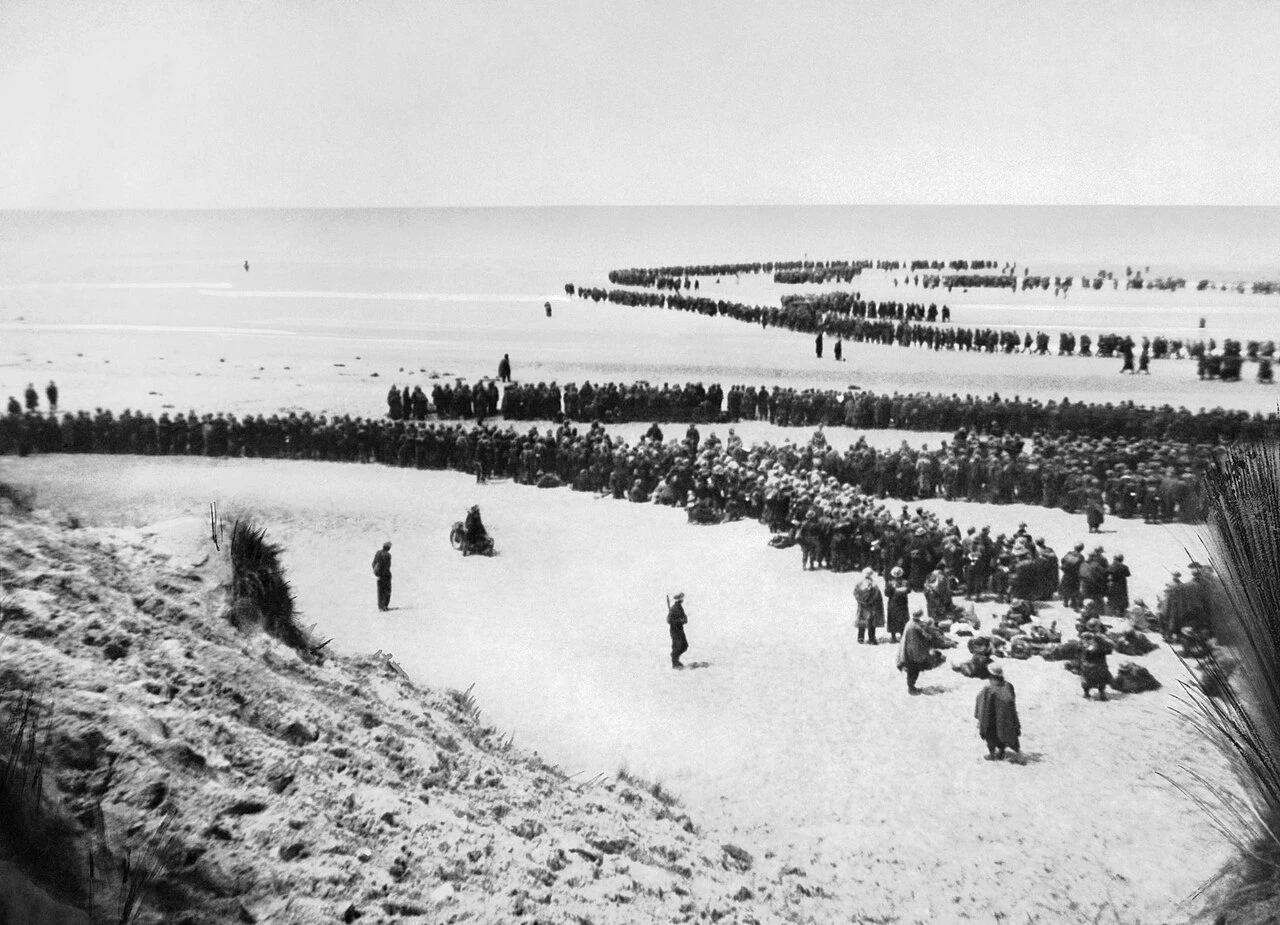
Dunkirk: holding the line under the bombs
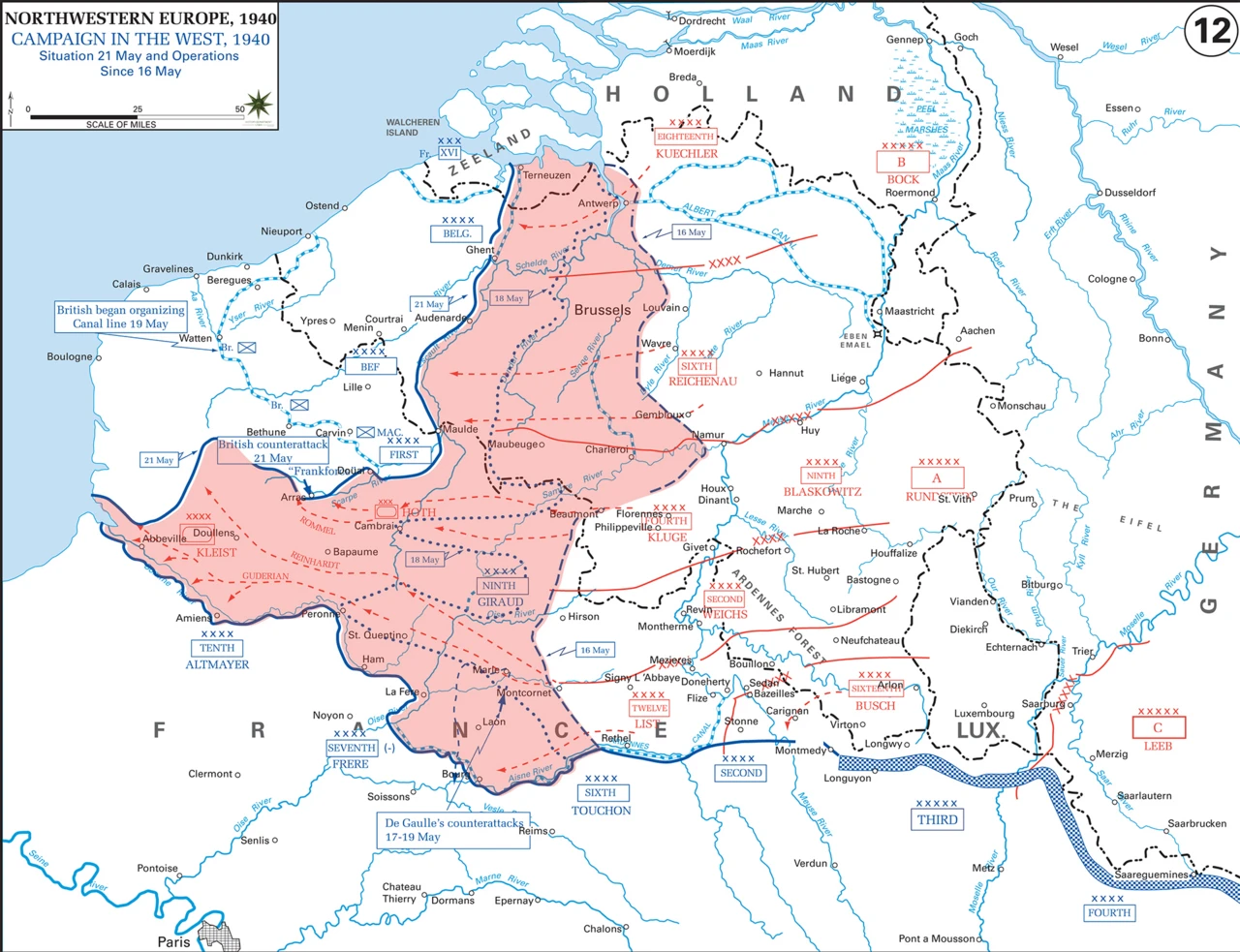
Arras — the Matildas against Rommel's flank
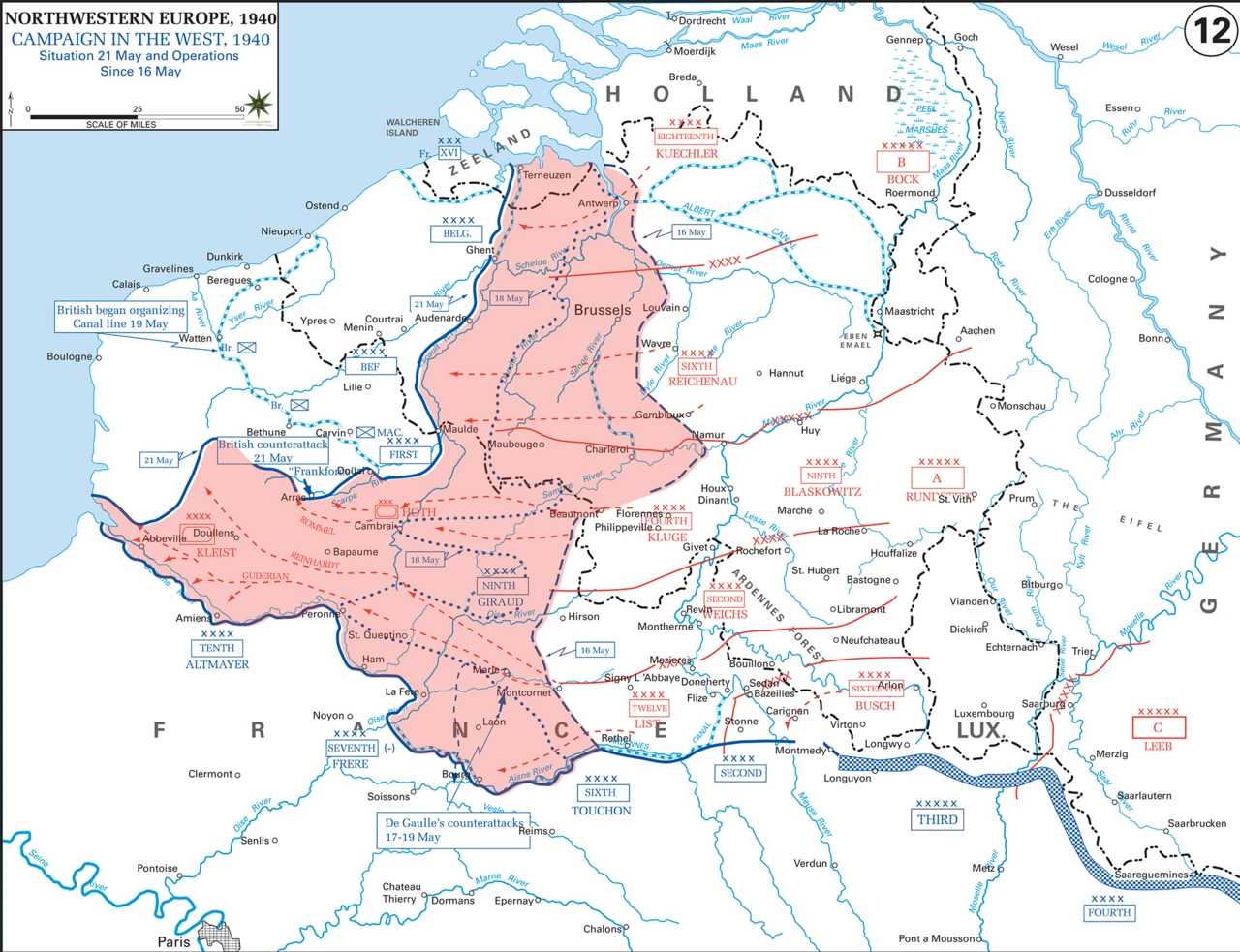
Boulogne — Fox-Pitt and the Guards facing the port
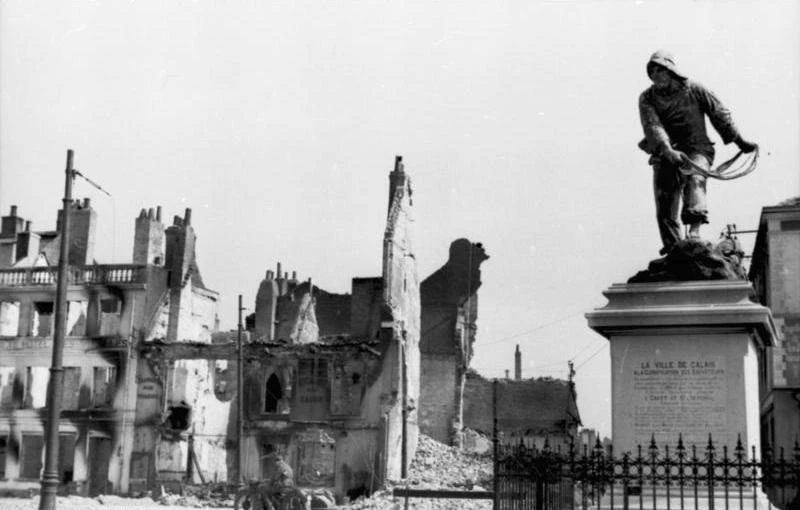
Calais — Nicholson facing the ultimatum
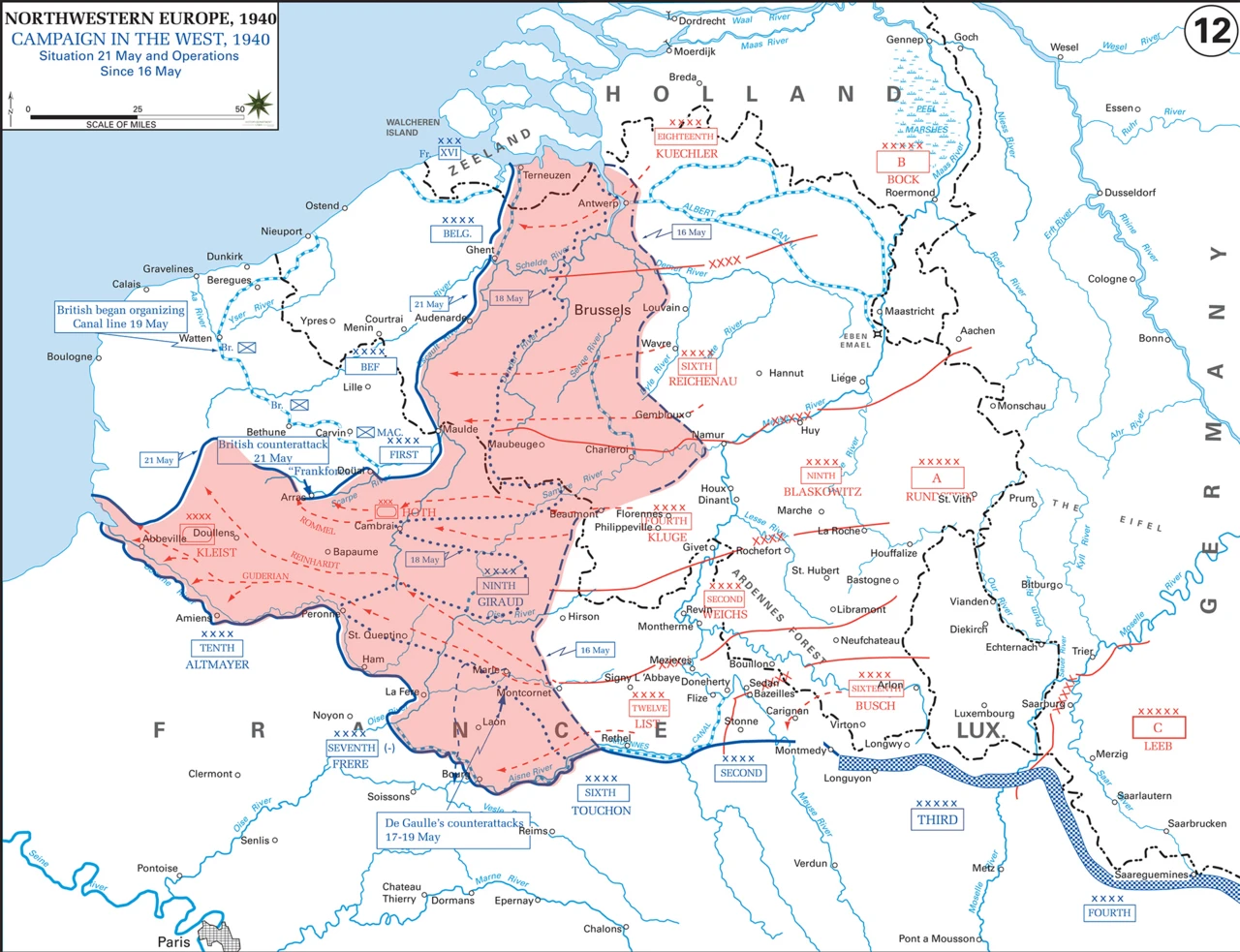
The Arras counter-attack
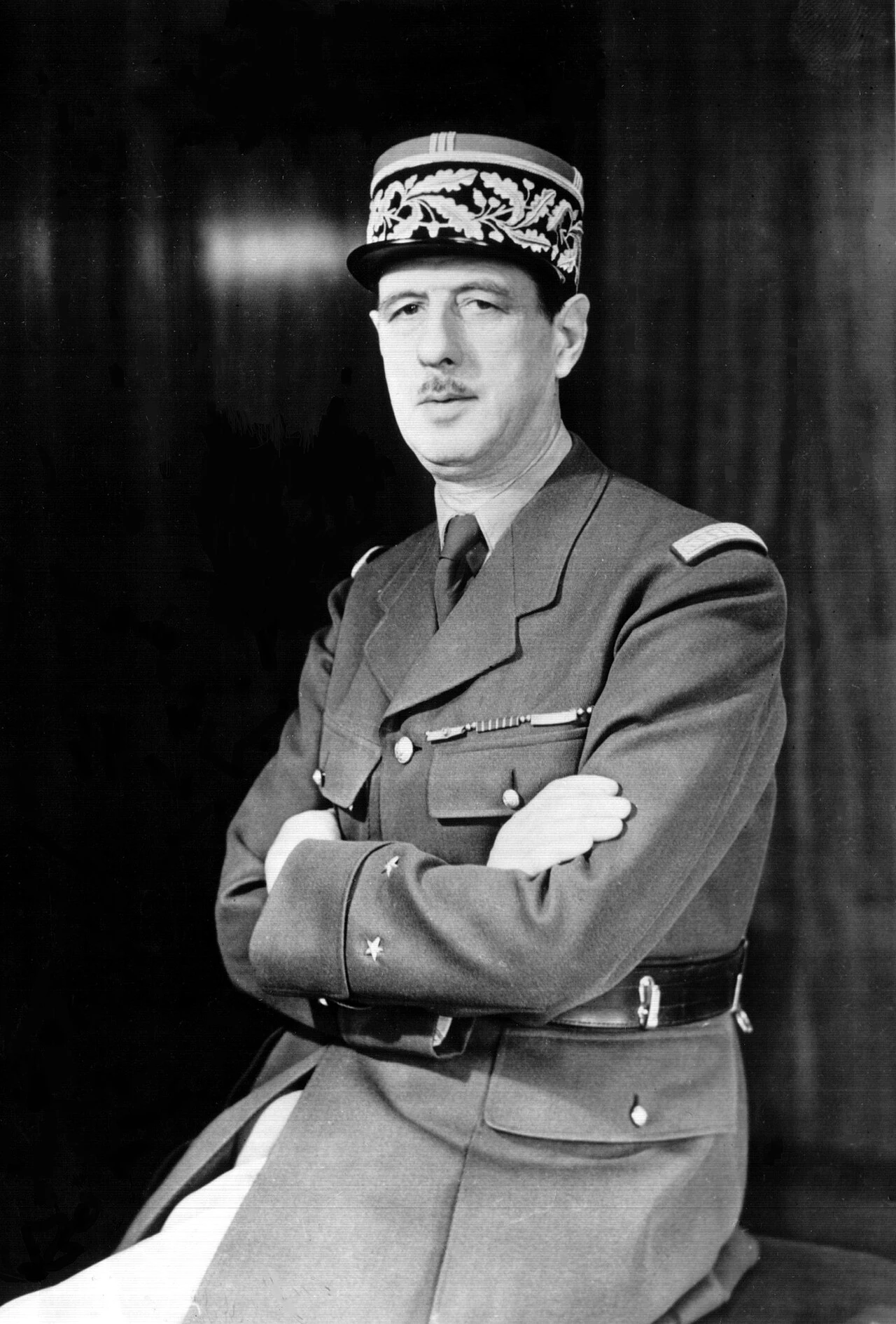
De Gaulle at Abbeville
The Defence of Boulogne
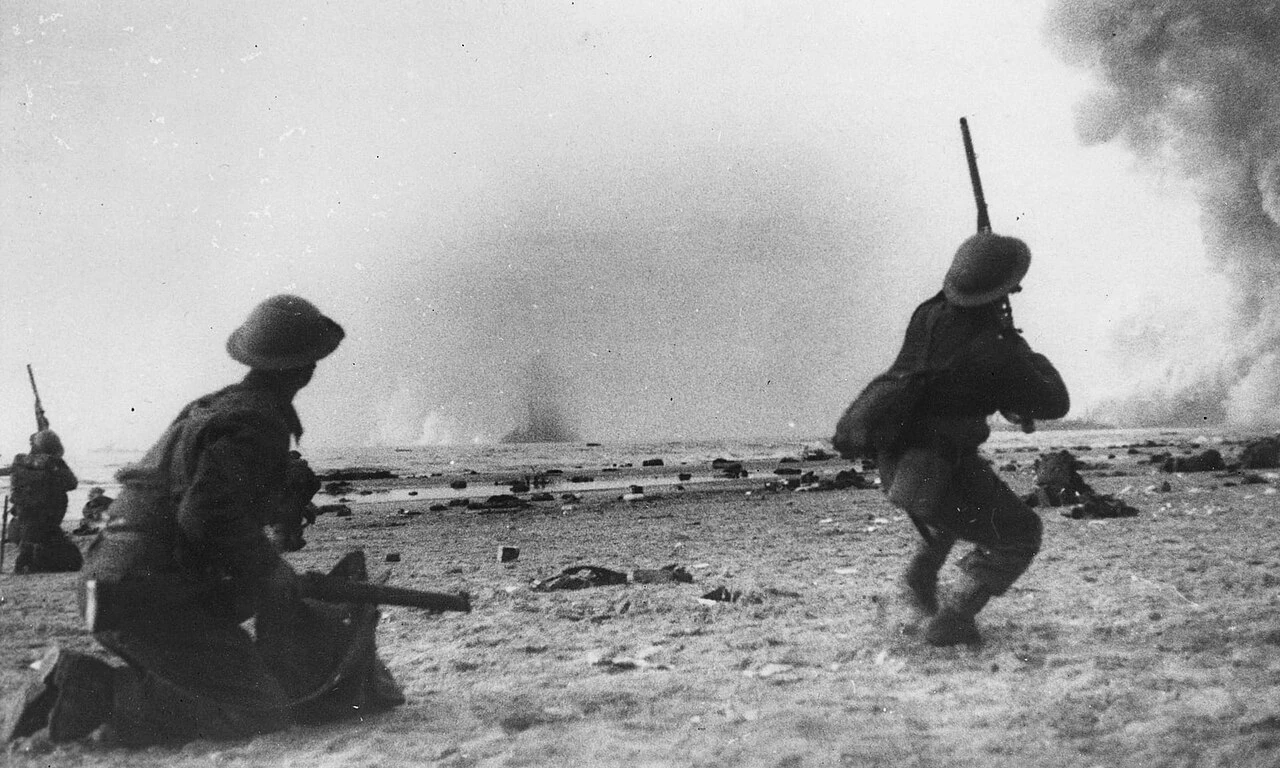
Dunkirk: a British gunner facing his own guns
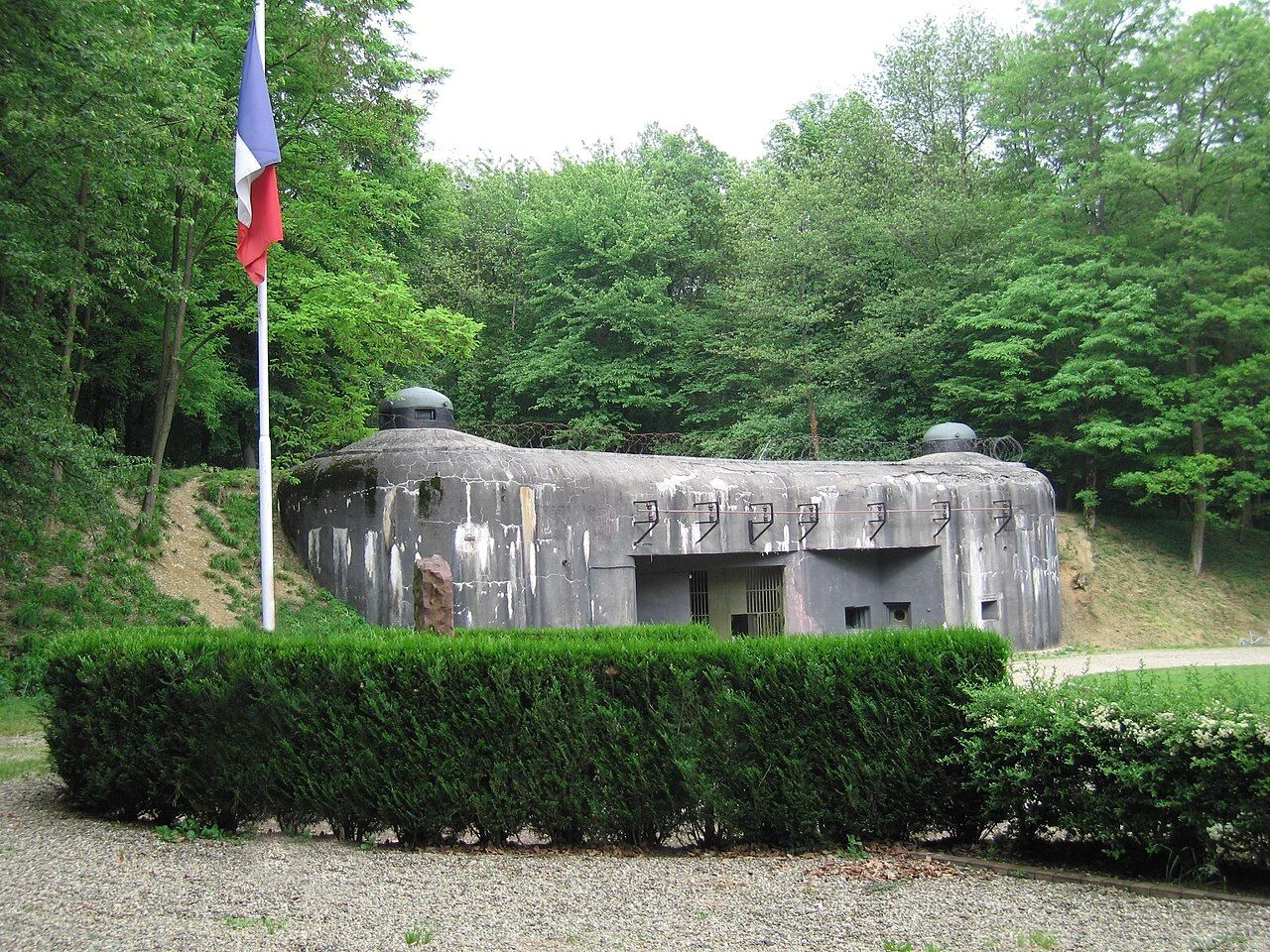
Hackenberg — a poilu on the Maginot
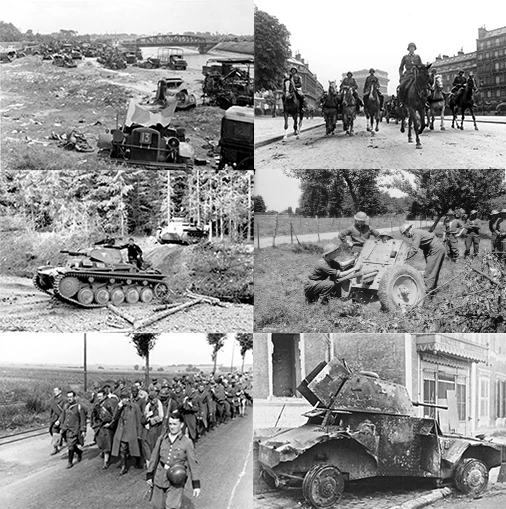
The Weygand Line on the Somme
Dunkirk: holding the line under the bombs
Arras — the Matildas against Rommel's flank
Boulogne — Fox-Pitt and the Guards facing the port
Calais — Nicholson facing the ultimatum
The Arras counter-attack
De Gaulle at Abbeville
The Defence of Boulogne
Dunkirk: a British gunner facing his own guns
Hackenberg — a poilu on the Maginot