
Gamelin, one last order before the envelope
General , 67, knew on the morning of 19 May 1940 that his days as generalissimo were numbered. Paul Reynaud had recalled General , 73, from the Levant, and word of the relief was running through the staffs. Gamelin had not yet received official notification, but he understood it would come during the day.
The military situation was desperate. Since the Sedan breakthrough on 13 May, German armour had been cutting a corridor toward the Channel. North of this corridor, General Billotte's — some fifty French, British and Belgian divisions, including the — was at risk of complete encirclement. To the south, French forces were painfully reconstituting on the Somme and the Aisne.
From Vincennes, Gamelin had to decide how to use what remained of his authority in his last hours. He could issue a major offensive order to try to close the breach while he still commanded, wait and leave the responsibility to his successor, or, on the contrary, order a withdrawal to save the troops in the north.
Should Gamelin launch a major manoeuvre in his last hours of command?
Gamelin applied A. Around 10:00 on 19 May, about five hours before Reynaud officially appointed Weygand, he signed Personal and Secret Instruction No. 12: he ordered Billotte's army group to attack to the southwest to link up with the French forces beyond the Somme, in a pincer manoeuvre. It was the only frankly offensive order he had given in the whole campaign. In the evening, shortly after 21:00, an envelope from Reynaud notified him of his dismissal. Weygand took command the following morning, immediately cancelled Instruction No. 12 to take the situation in hand, then a few days later resurrected an almost identical manoeuvre under the name Weygand Plan — a fatal delay. Arrested by Vichy, tried at Riom, deported to Buchenwald, Gamelin survived and died in 1958. Historians still debate: was his last order belated lucidity or a gesture without the means?
Learn more about this event
Related polls
10
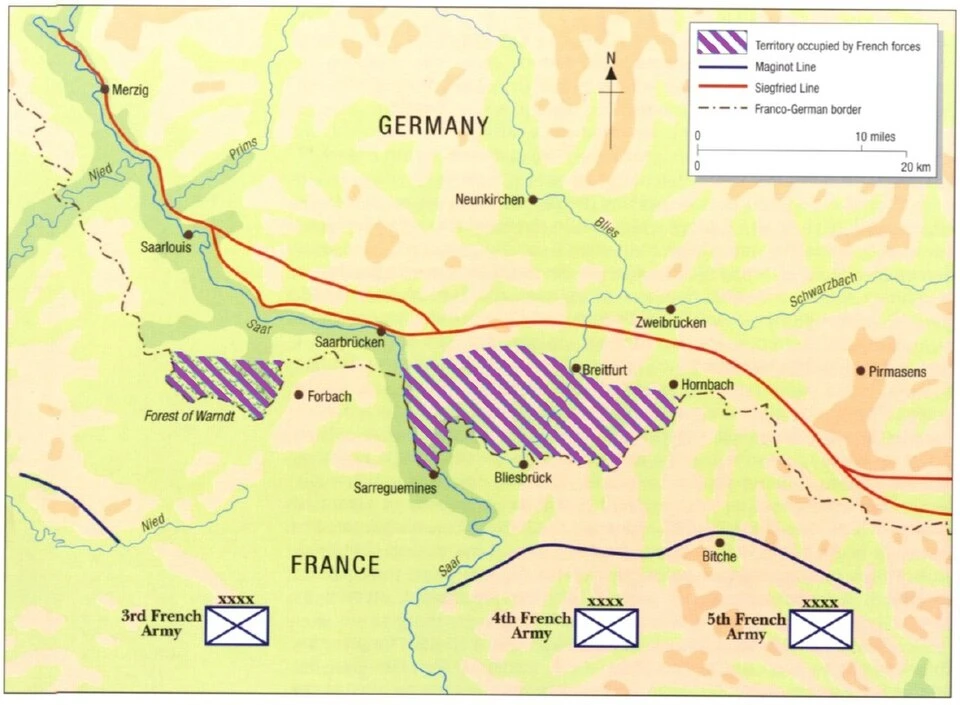
The Saar Offensive — Gamelin at Vincennes
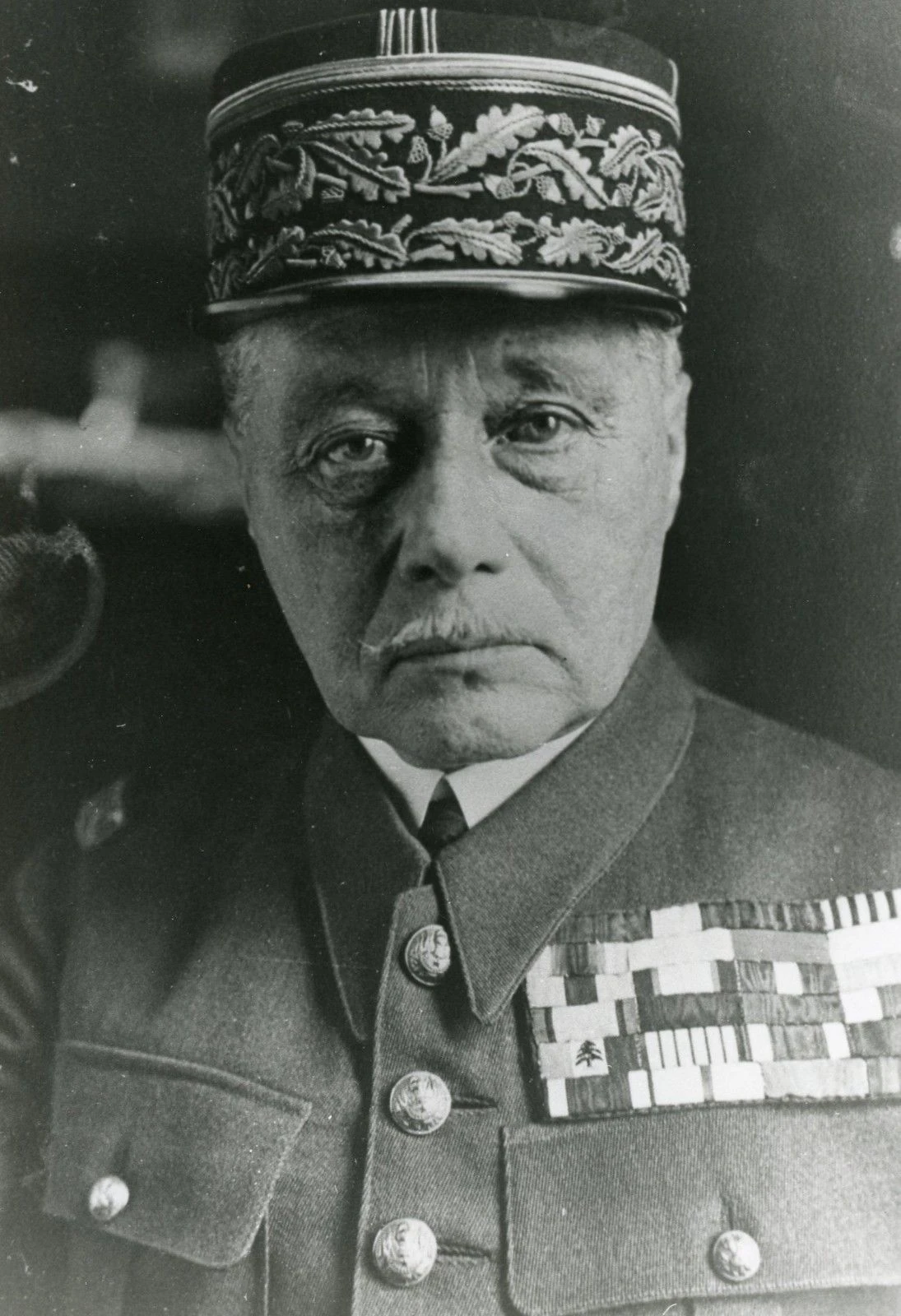
Commanding a battle without radio
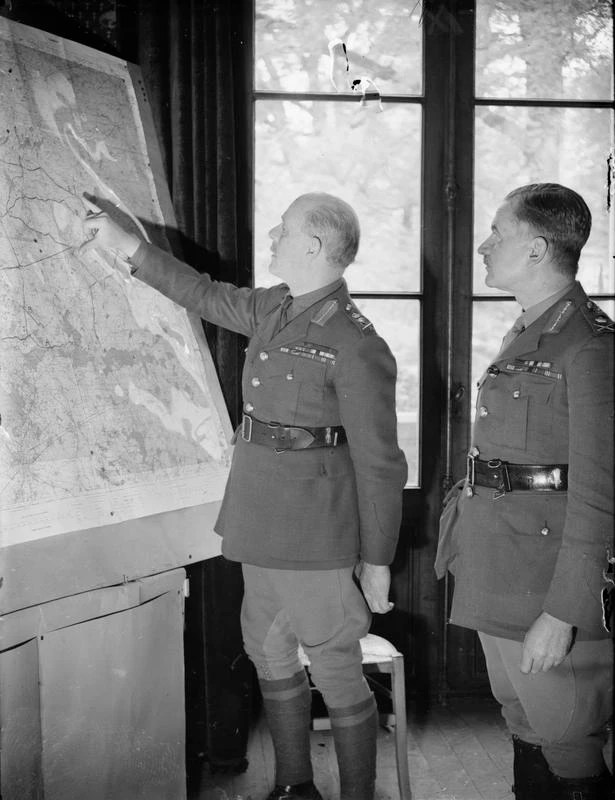
Gort at Habarcq — trust in the French plan
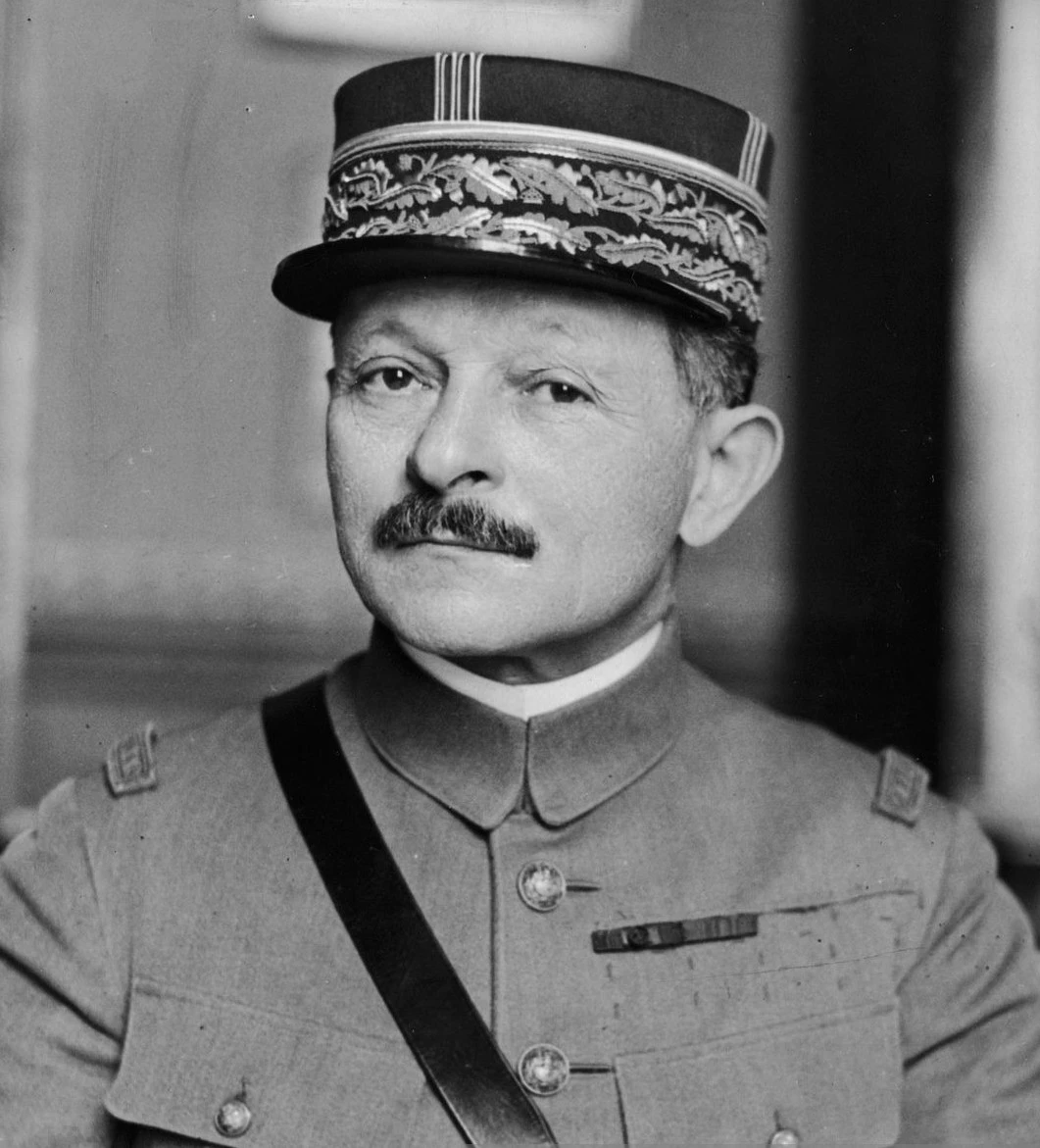
Weygand — Vincennes 20 May 02:00
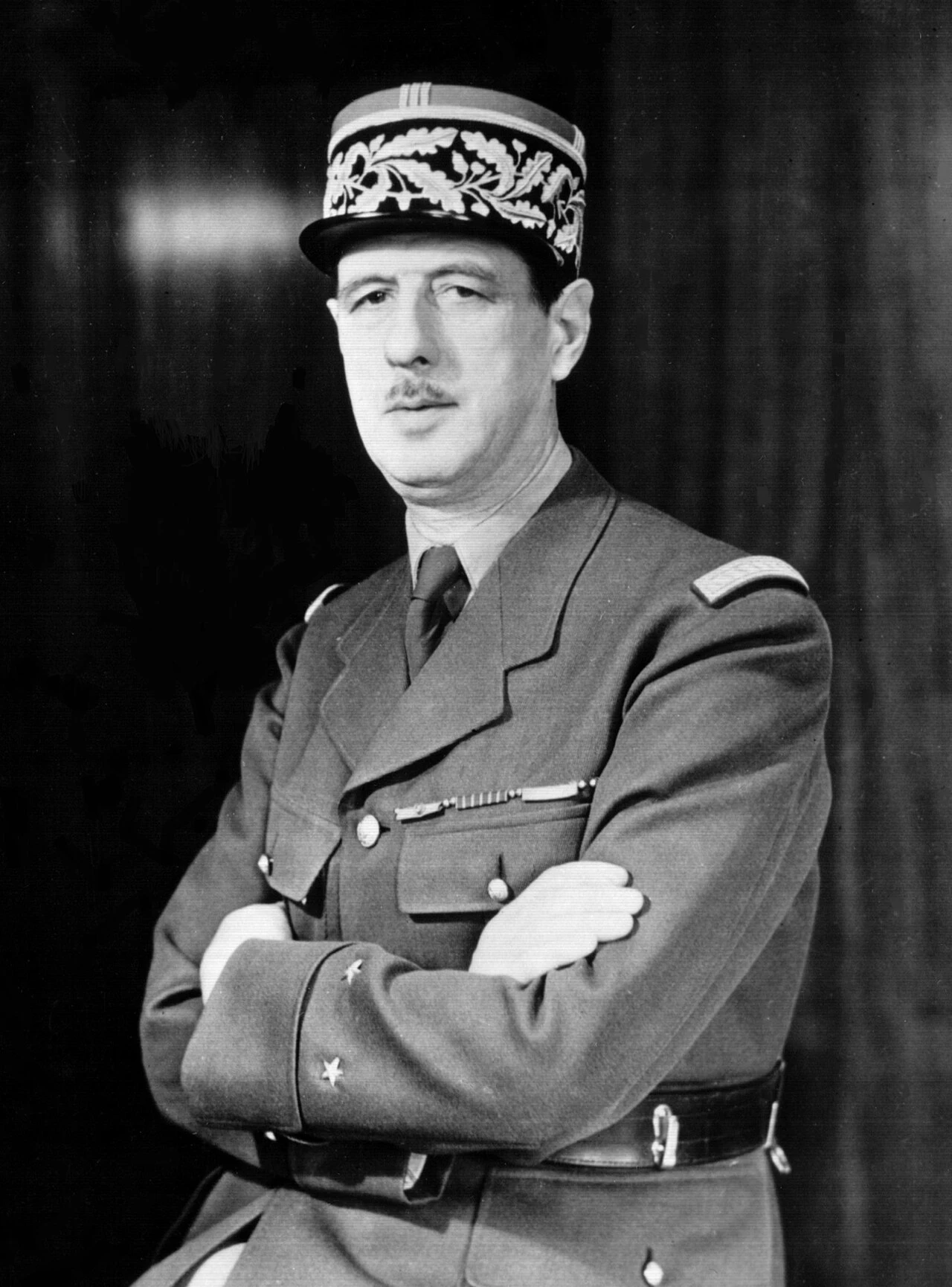
De Gaulle joins the government — 5 June
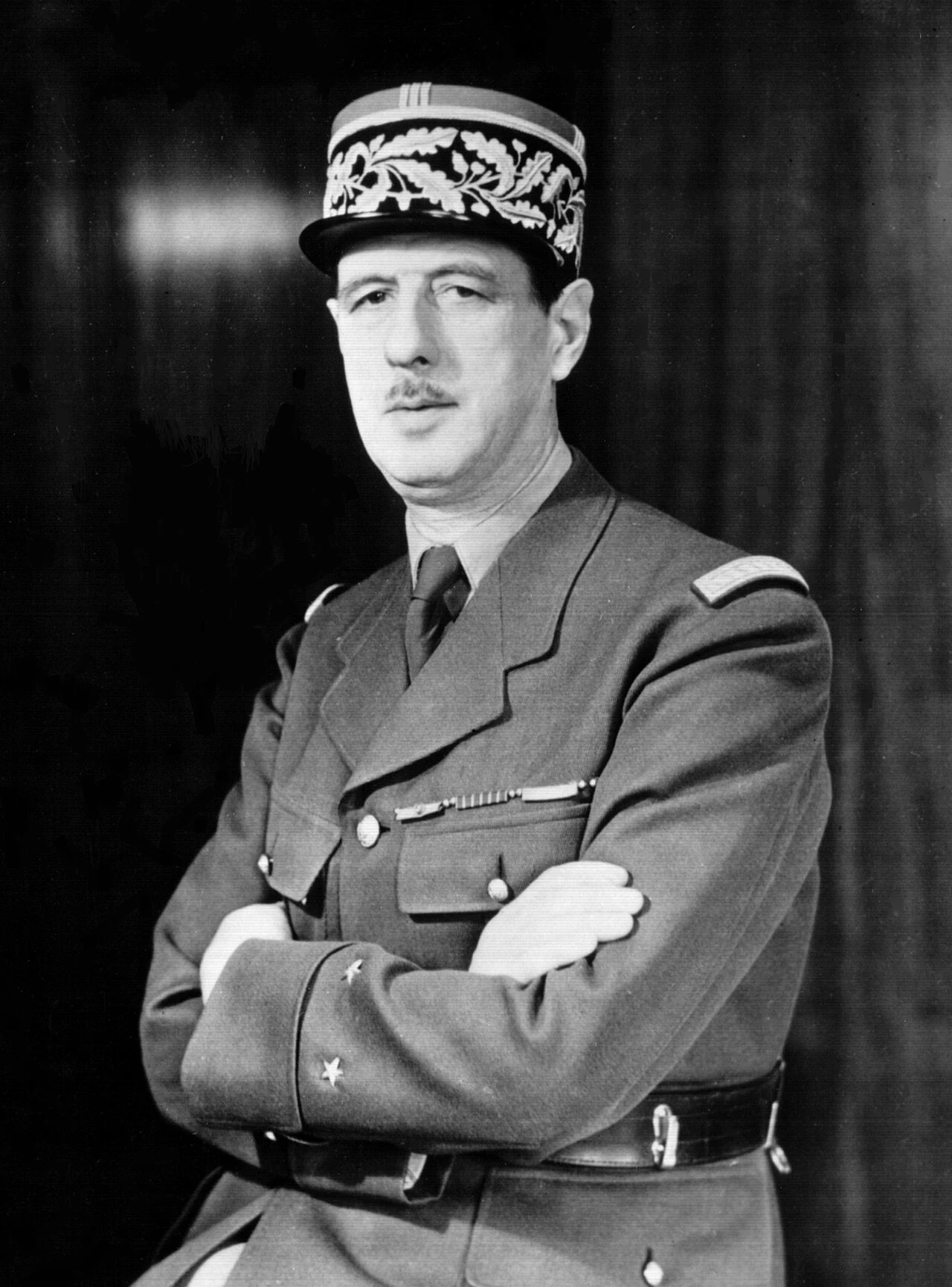
The Franco-British union — 16 June
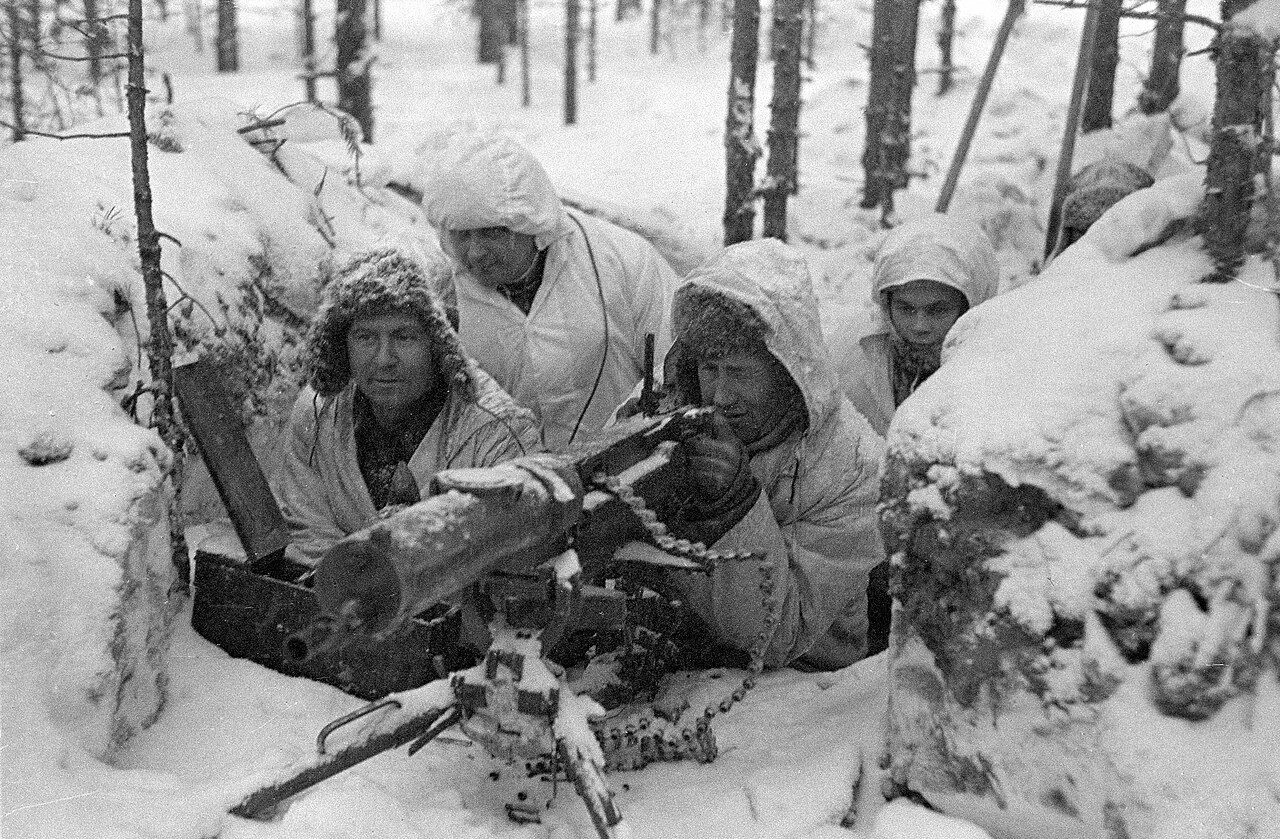
The Supreme Allied Council faces Finland
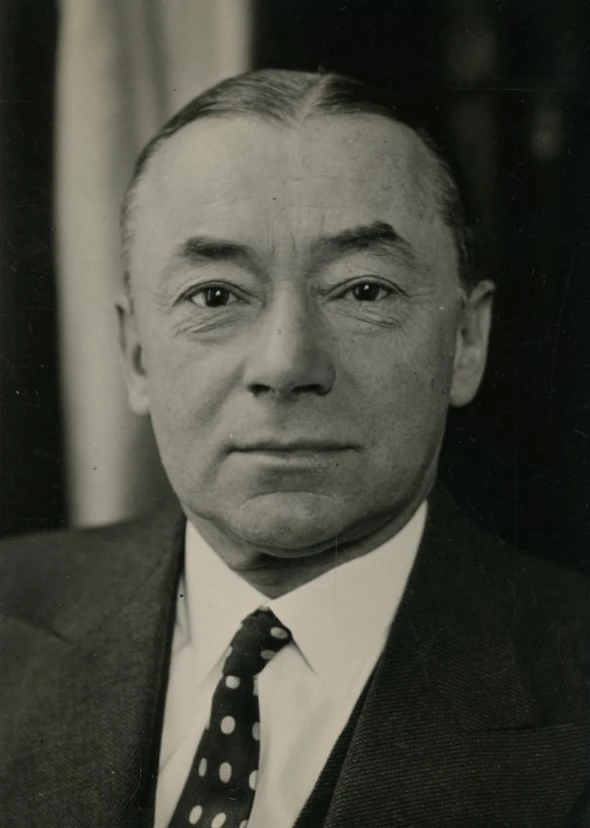
Reynaud — Matignon 21 March
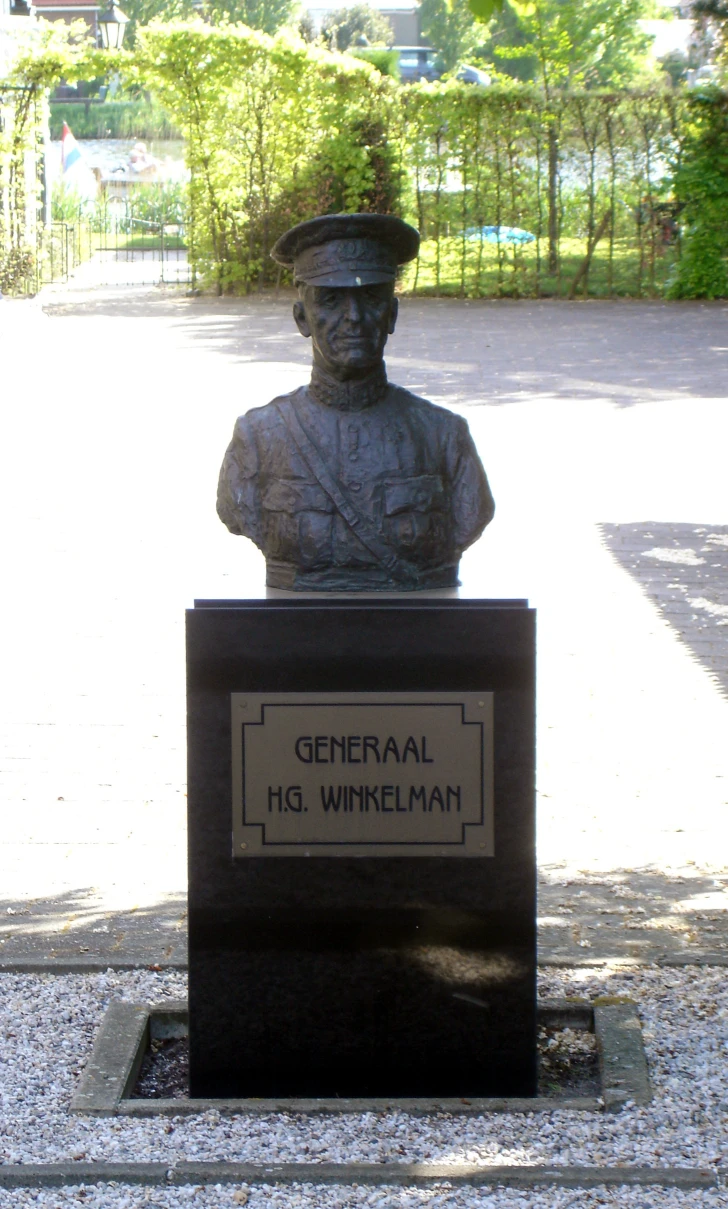
Winkelman after Rotterdam — 14 May
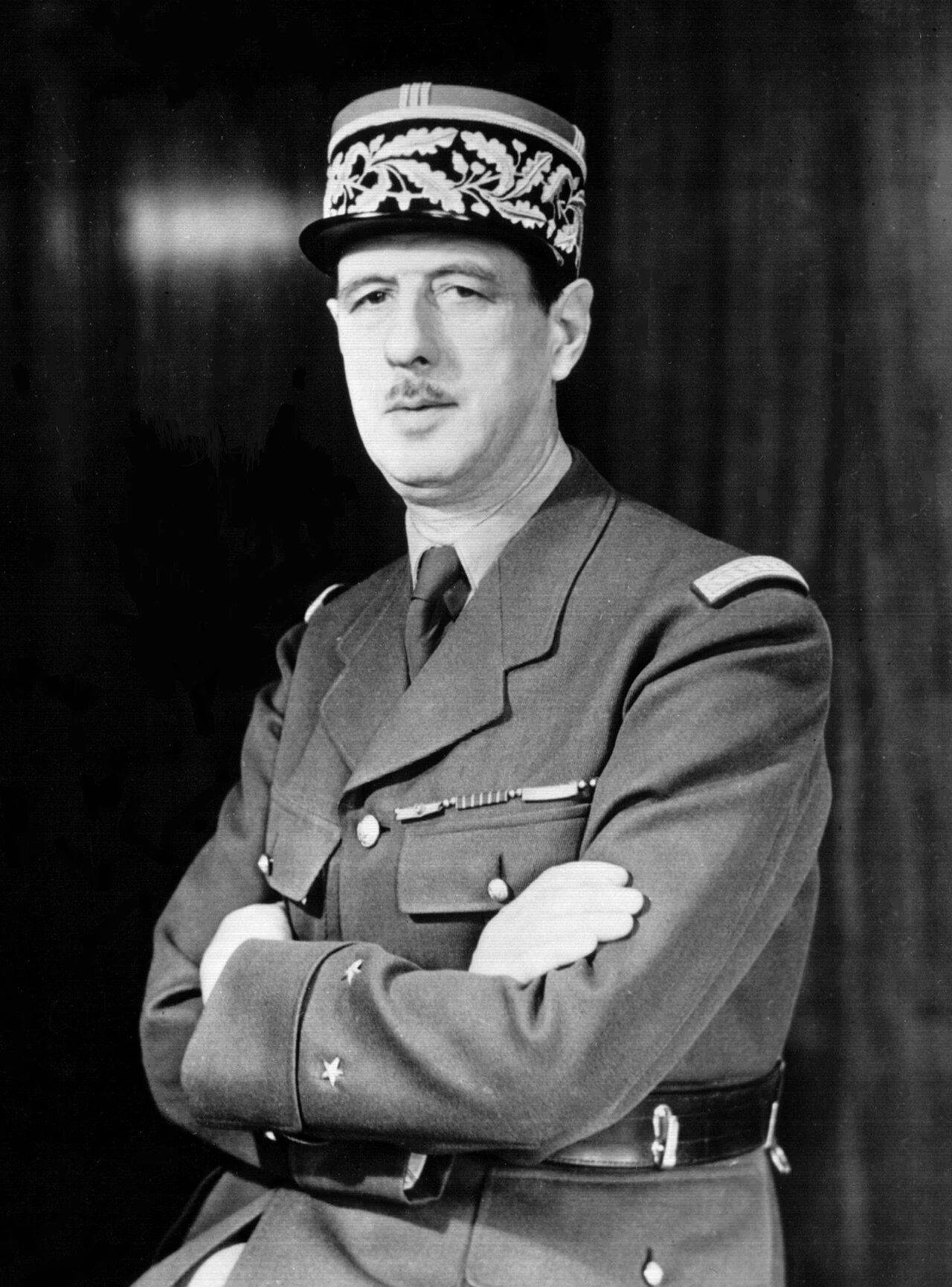
De Gaulle calls on Churchill — 9 June
The Saar Offensive — Gamelin at Vincennes
Commanding a battle without radio
Gort at Habarcq — trust in the French plan
Weygand — Vincennes 20 May 02:00
De Gaulle joins the government — 5 June
The Franco-British union — 16 June
The Supreme Allied Council faces Finland
Reynaud — Matignon 21 March
Winkelman after Rotterdam — 14 May