
After the fall of Wuhan in October 1938, 's Nationalist government has fallen back on Chongqing, its wartime capital nestled at the confluence of the Yangtze and the Jialing. A city overcrowded by the influx of refugees, built partly of wood on hills, it becomes the target of a Japanese aerial bombing campaign aimed at breaking the Chinese will to resist.
On 3 and 4 May 1939, the bombers of the Japanese navy strike the densely populated districts. Historians' estimates place the death toll of these two days at several thousand, among a civilian population without suitable shelters. The city, vulnerable and exposed, seems destined to endure further raids for as long as it remains the seat of power.
The authorities face a fundamental choice. Continue to maintain Chongqing as capital and organise the protection of the population on the spot, at the price of further losses? Move the administration toward more remote cities of the interior? Or let these bombings weigh on the question, never openly posed, of a compromise with Tokyo? For a government already cornered, each day of raids makes the decision more pressing and more fraught with consequences.
Should Chongqing be kept as the capital and the population sheltered there, despite the campaign of aerial terror?
The government chooses A: Chongqing remains the capital of China at war until 1945. The authorities launch a massive programme of digging shelters into the sandstone of the hills, where hundreds of thousands of inhabitants take refuge during the alerts. The city will endure, until 1943, one of the longest aerial bombing campaigns in history, with a total toll counted in thousands of dead according to the sources. The resistance of Chongqing becomes a symbol of Chinese tenacity in the face of Japan. The authorities also move part of the administration and industry toward the interior, organising a dispersed and resilient war economy.
Learn more about this event
Related polls
10
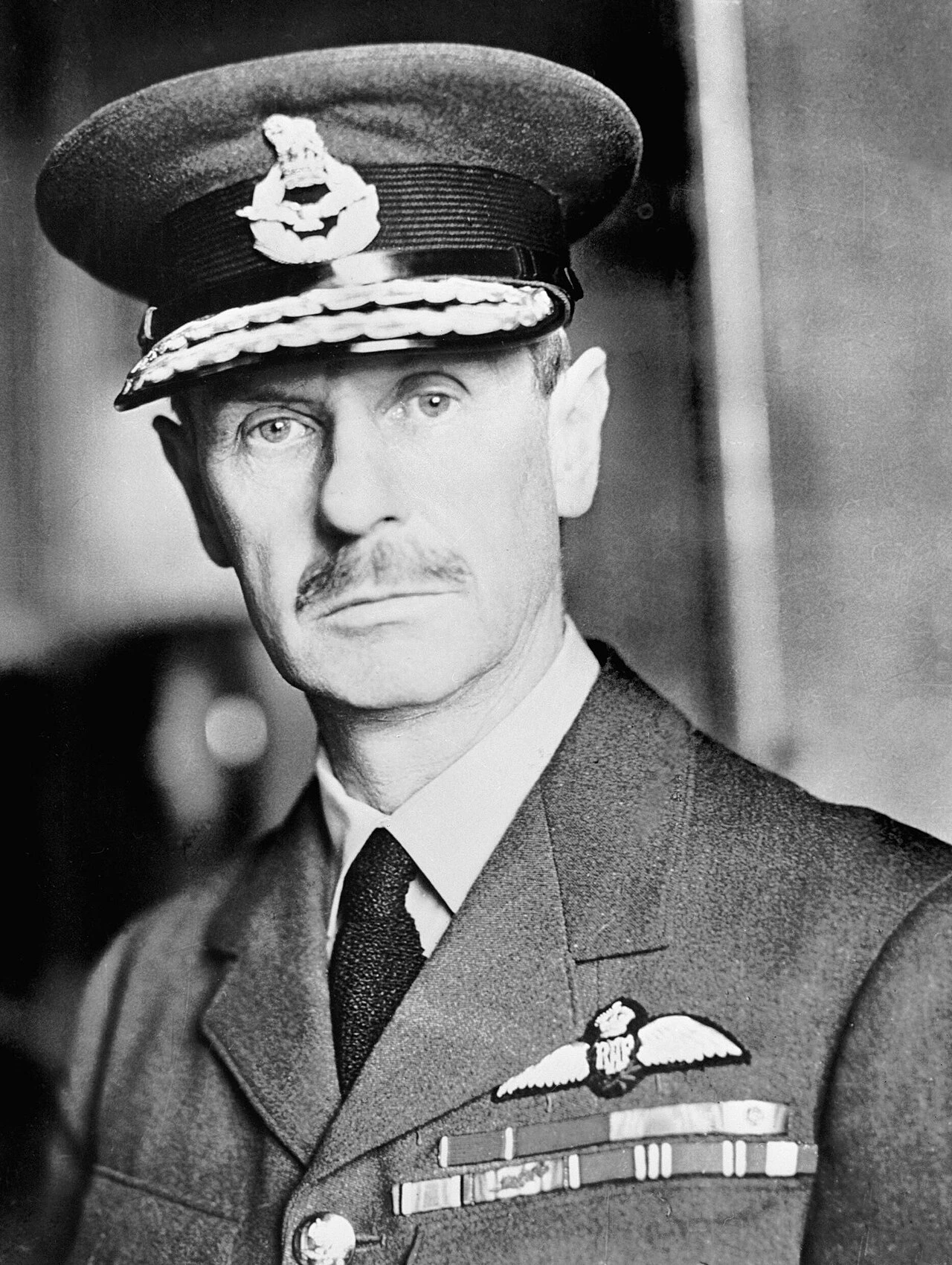
Chain Home — the Invisible Wall
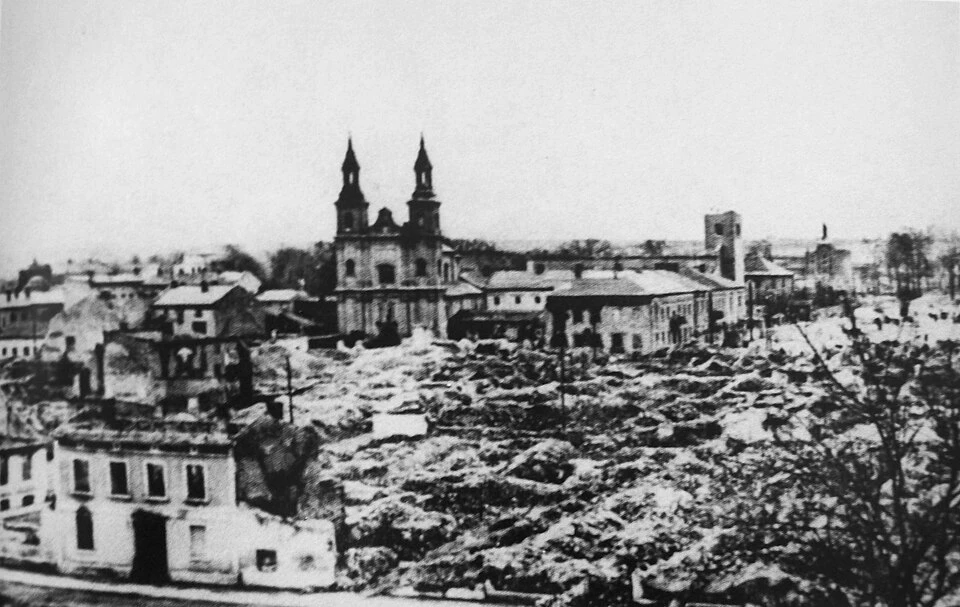
Wieluń at 04:40 — the first air strike
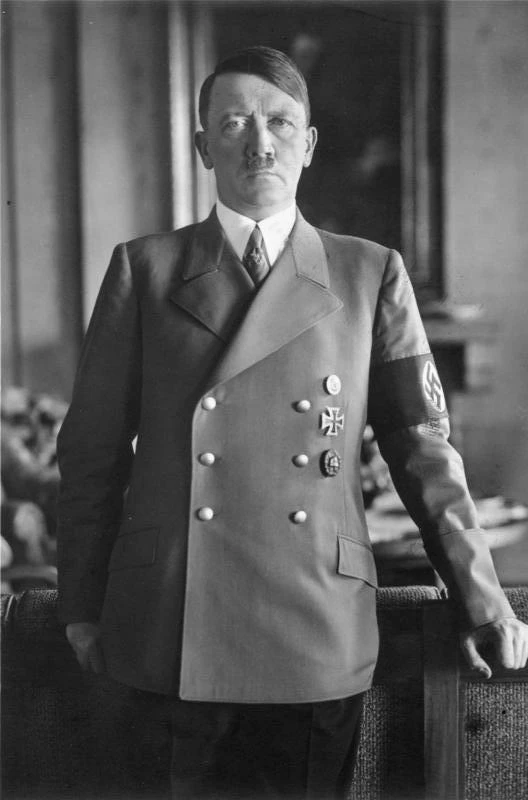
Coventry — the night of November 14
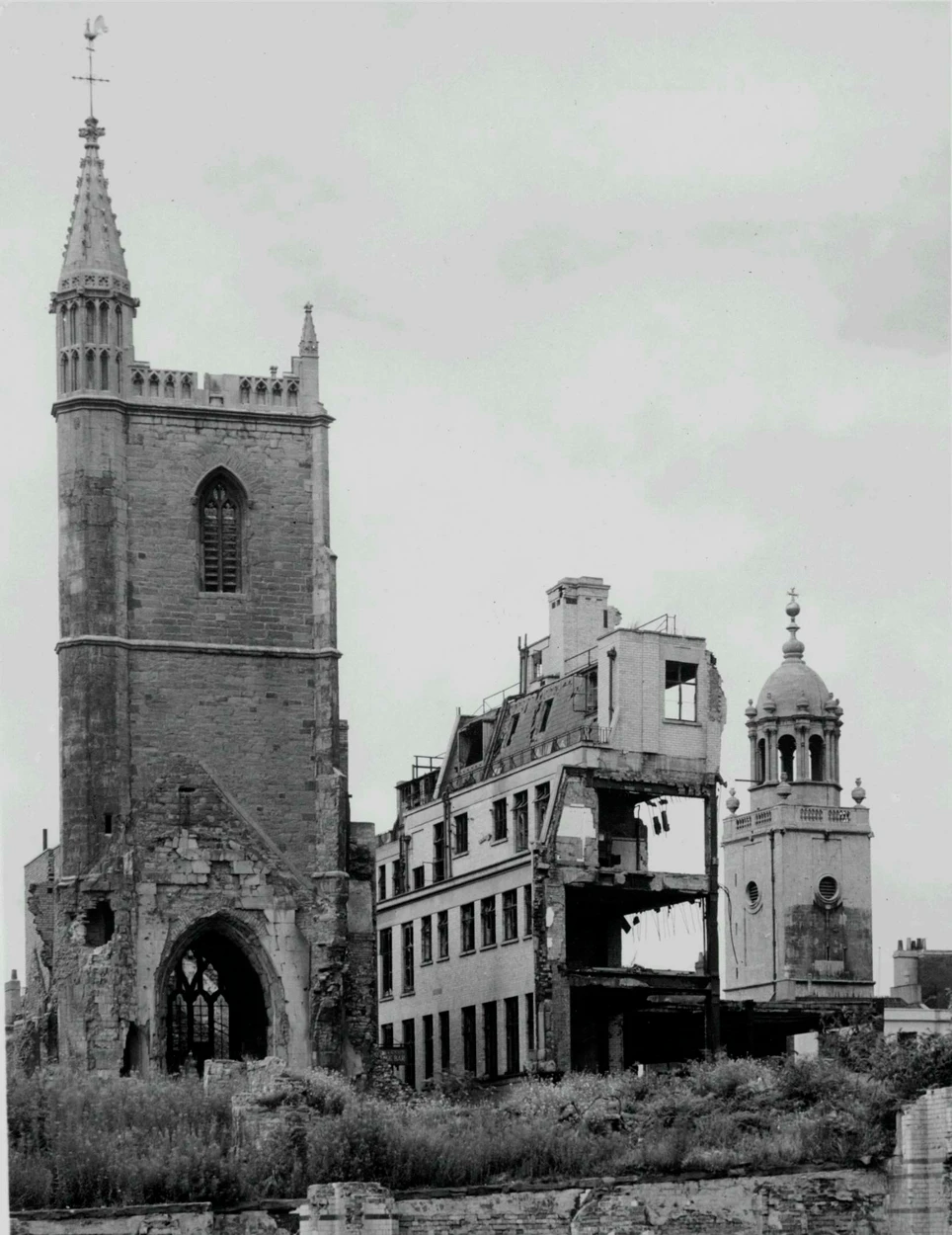
The last great night of the Blitz
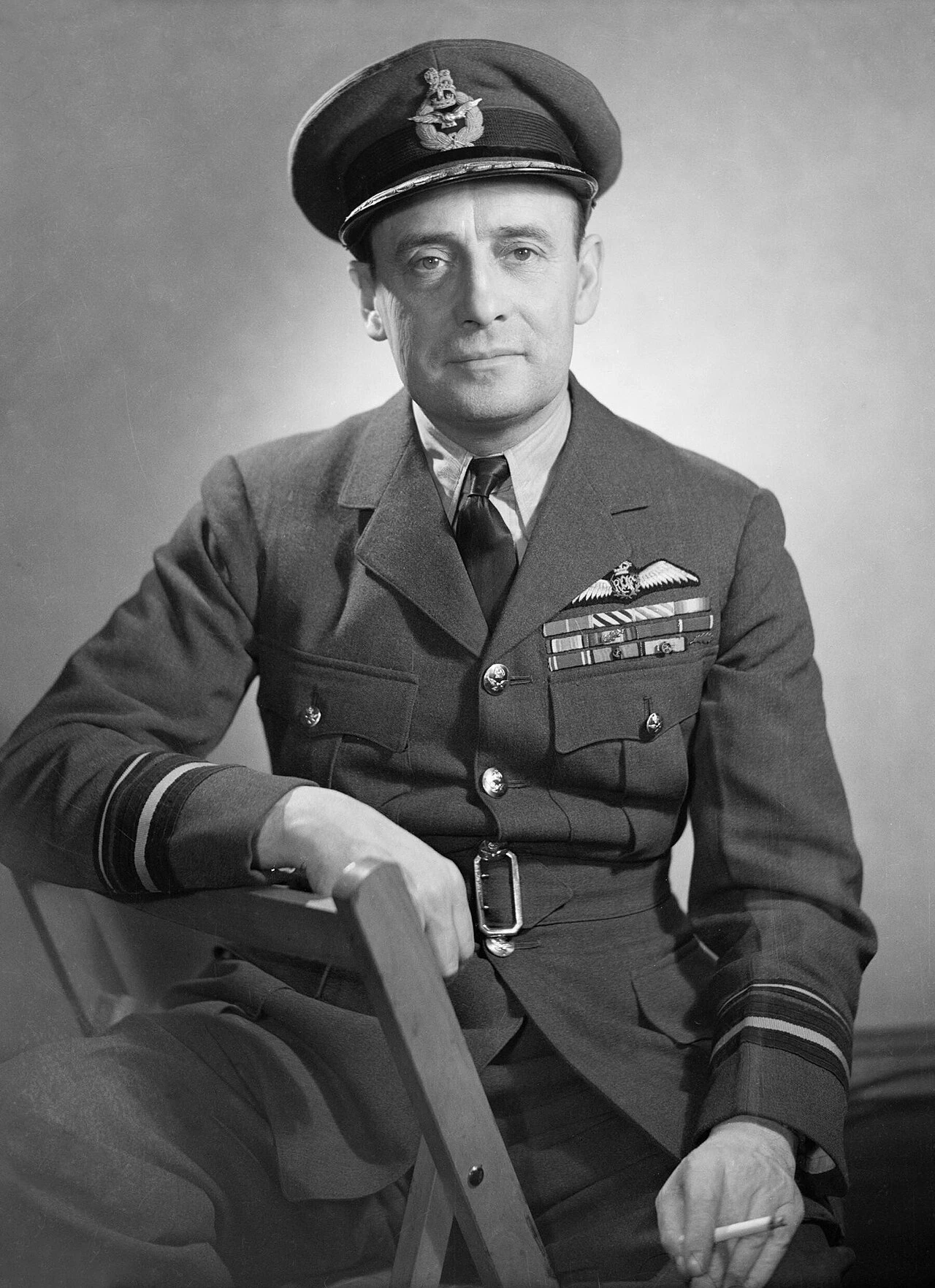
Habbaniya — the Anglo-Iraqi War
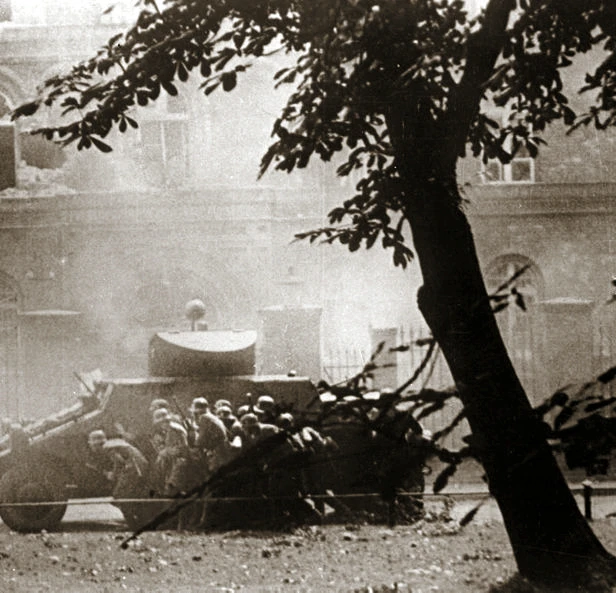
The Polish Post Office in Danzig — Guderski under SS fire
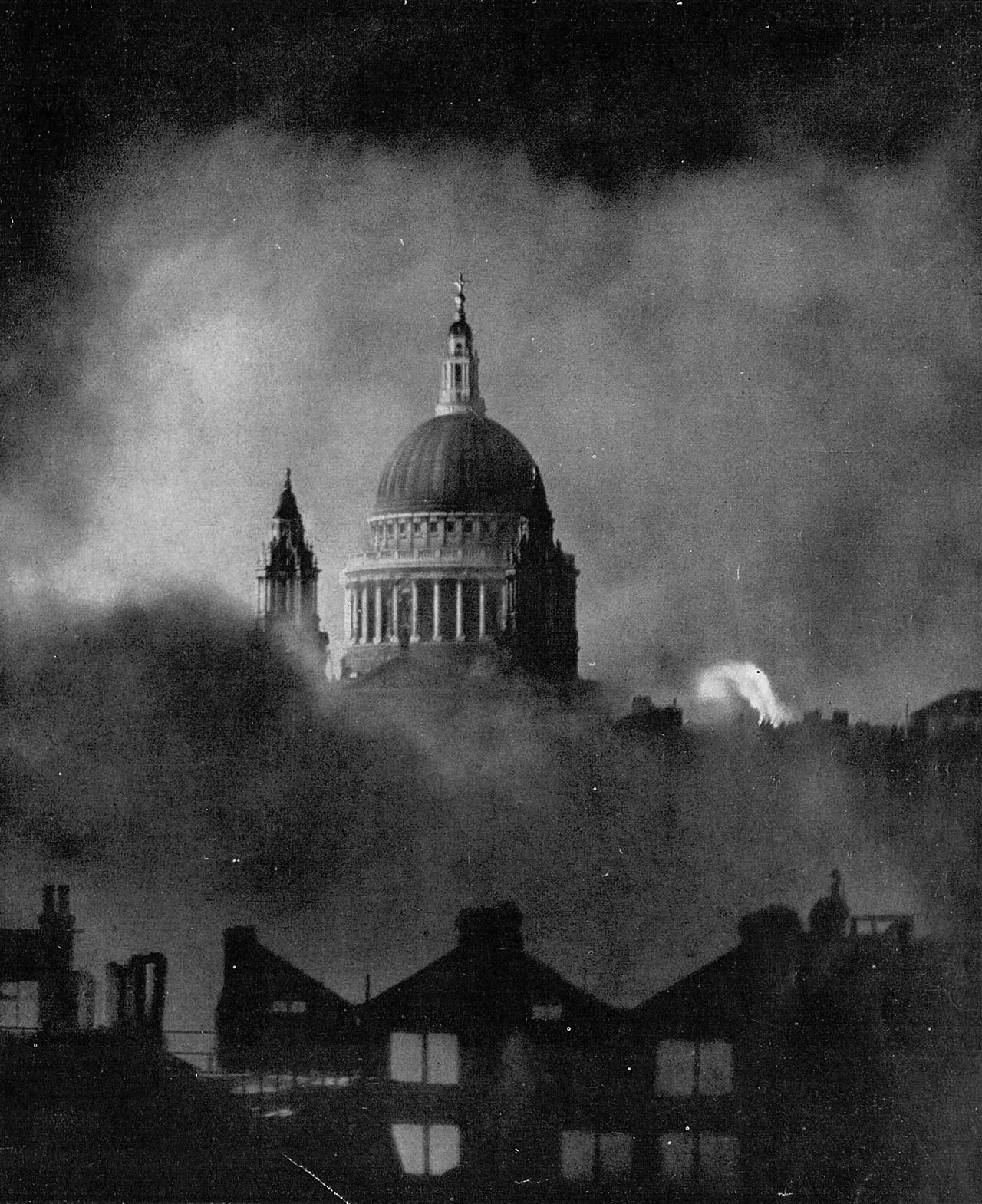
The Second Great Fire of London
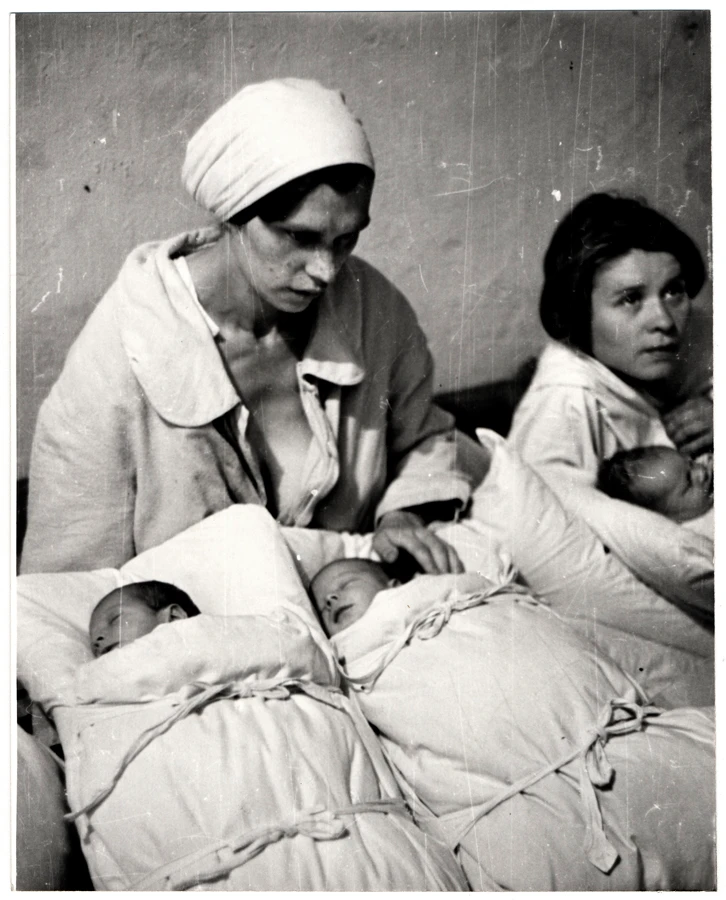
Warsaw Under Siege — Operating Without Morphine
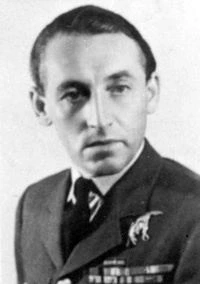
Władysław Gnyś — the Dorniers over Olkusz
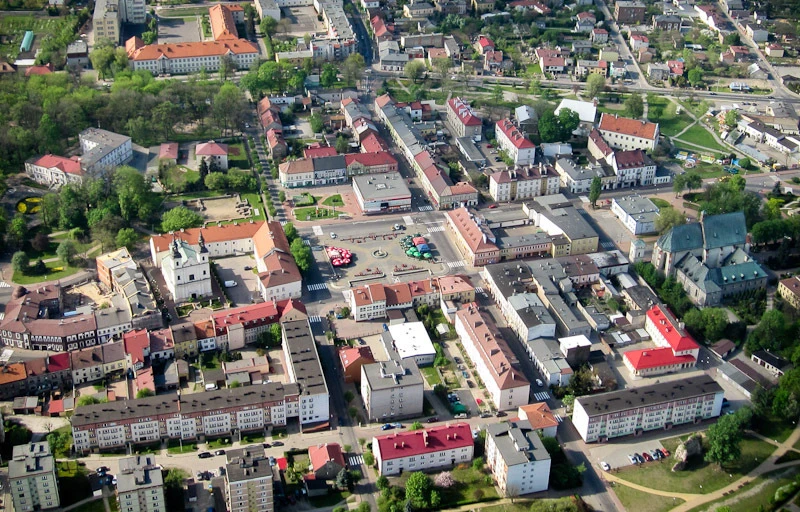
Wieluń, 4:40 a.m. — the first bomb of the war
Chain Home — the Invisible Wall
Wieluń at 04:40 — the first air strike
Coventry — the night of November 14
The last great night of the Blitz
Habbaniya — the Anglo-Iraqi War
The Polish Post Office in Danzig — Guderski under SS fire
The Second Great Fire of London
Warsaw Under Siege — Operating Without Morphine
Władysław Gnyś — the Dorniers over Olkusz