
The Minister, the Fleet and the Empty Plates
Since January 1940, the United Kingdom has rationed butter and sugar, then meat, cheese and eggs. As 1941 opens, food imports have been cut in half and the losses inflicted by German submarines are strangling supply.
, a former department-store executive turned Minister of Food, is a formidable communicator: he has made the "Woolton Pie" a symbol of national solidarity. But feeding an entire population while sustaining the war effort is an impossible equation.
He must arbitrate between the stomachs of civilians, whose morale is deemed vital, and the armed forces' need for protein, with no certainty that foreign aid will follow.
To feed 47 million Britons with a merchant fleet harried by the U-boats, which lever should Woolton prioritise in early 1941?
Woolton bet on external American supply: in March 1941, the first Lend-Lease agreement opened the floodgates of imports, bringing in Spam, "Mor" and other canned goods. Combined with the Canadian programme, this transatlantic flow ensured adequate stocks from 1942 onward, while domestic rationing was maintained and tightened (tea, margarine, fats) to share the scarcity fairly. The wager on Allied aid, rather than on civilian austerity alone, saved Britain's food balance.
Learn more about this event
Related polls
10
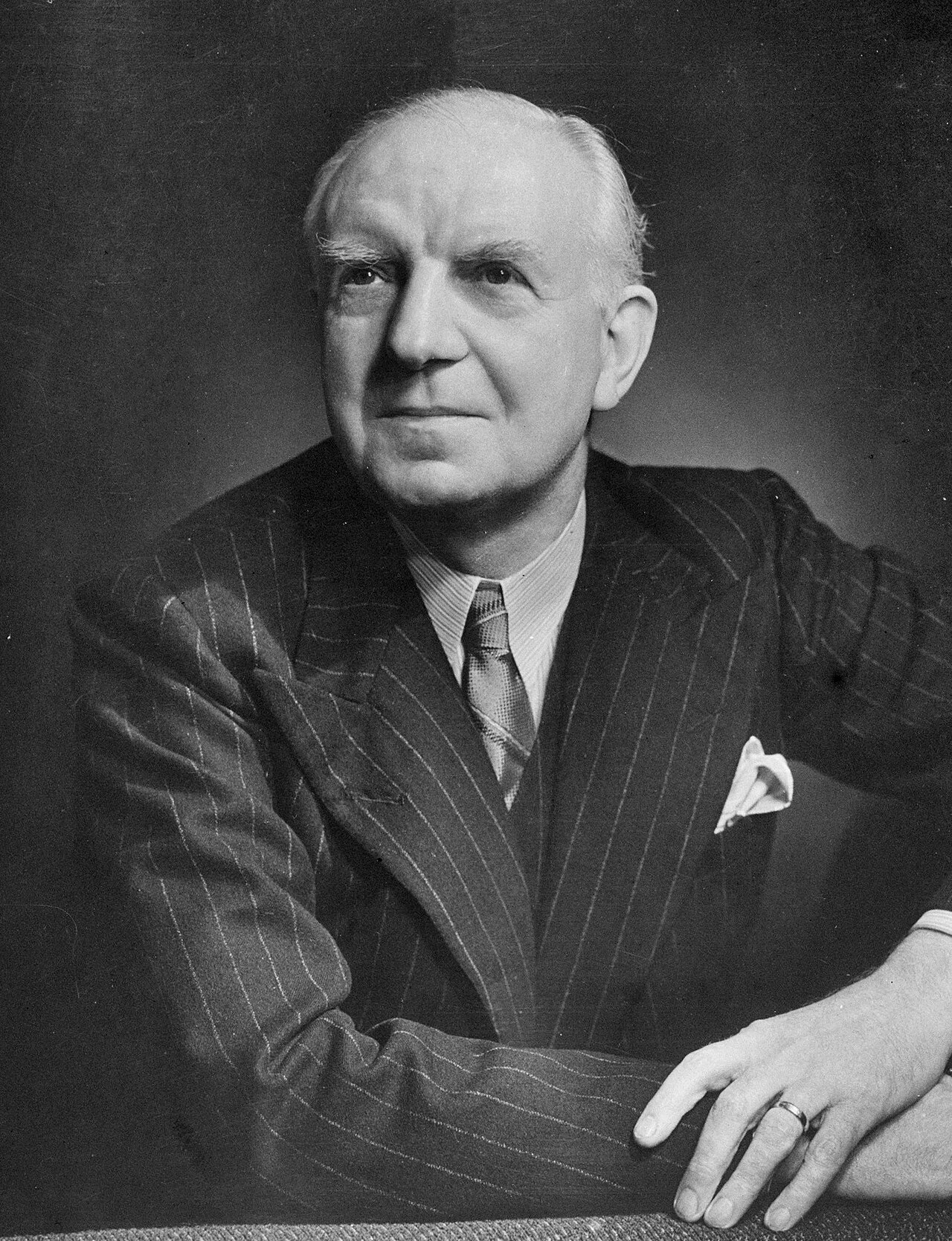
British rationing put to the test in 1941
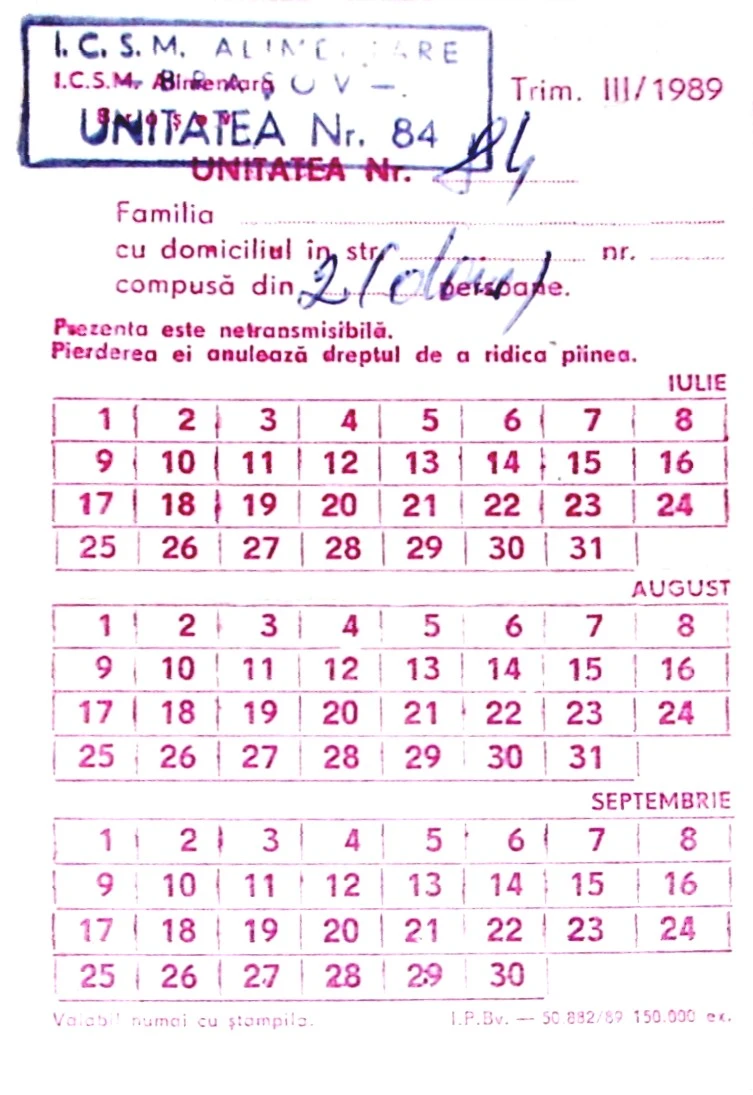
British Clothes Rationing
British Coal for the Winter of 1939
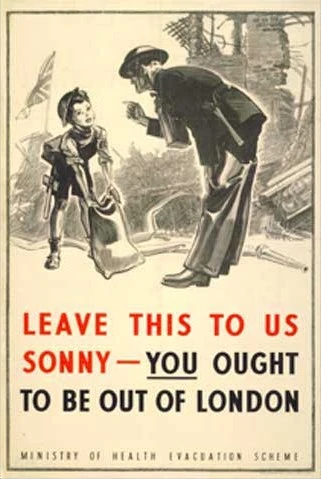
Operation Pied Piper — Womersley and the evacuation
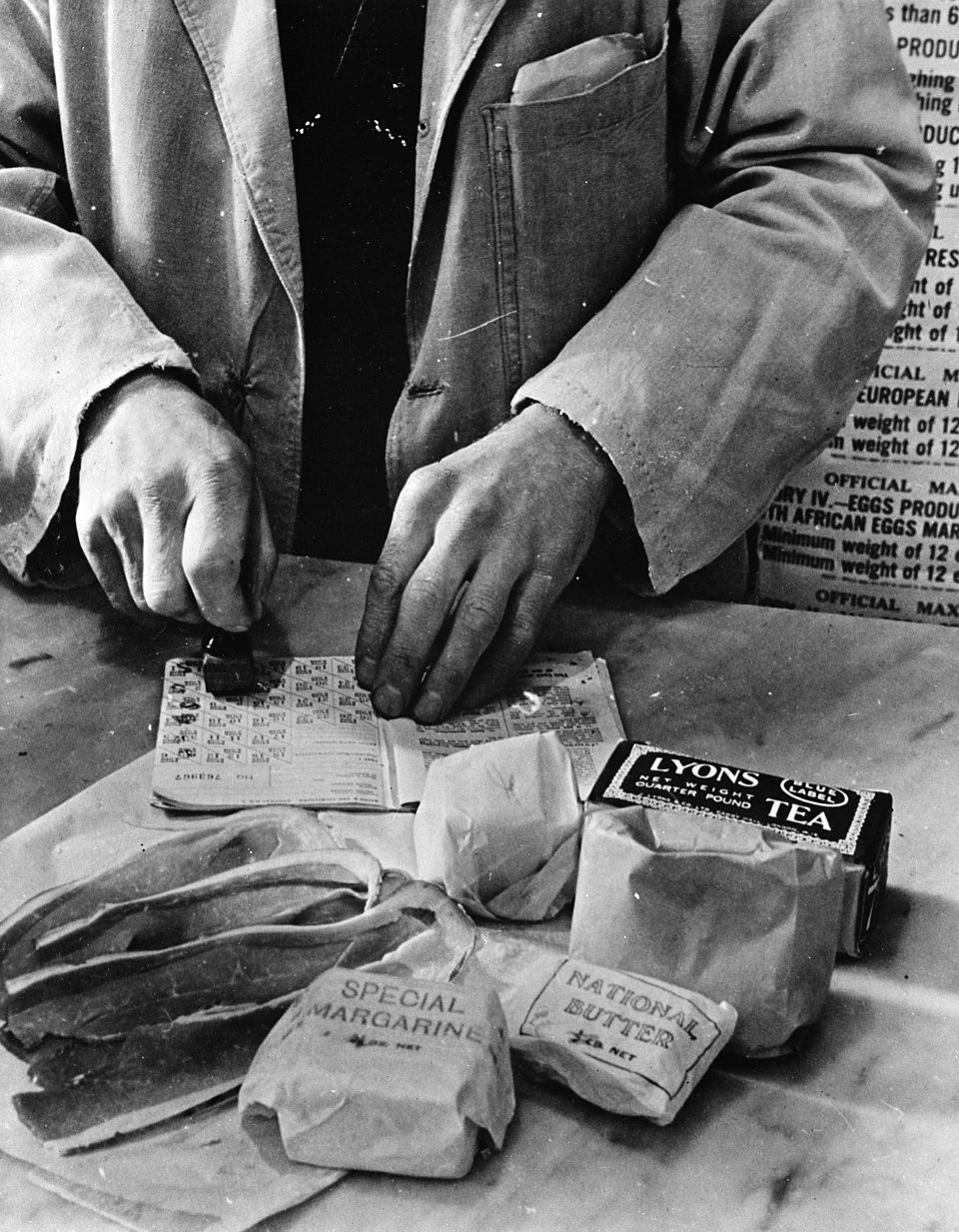
British rationing — Morrison and the principle
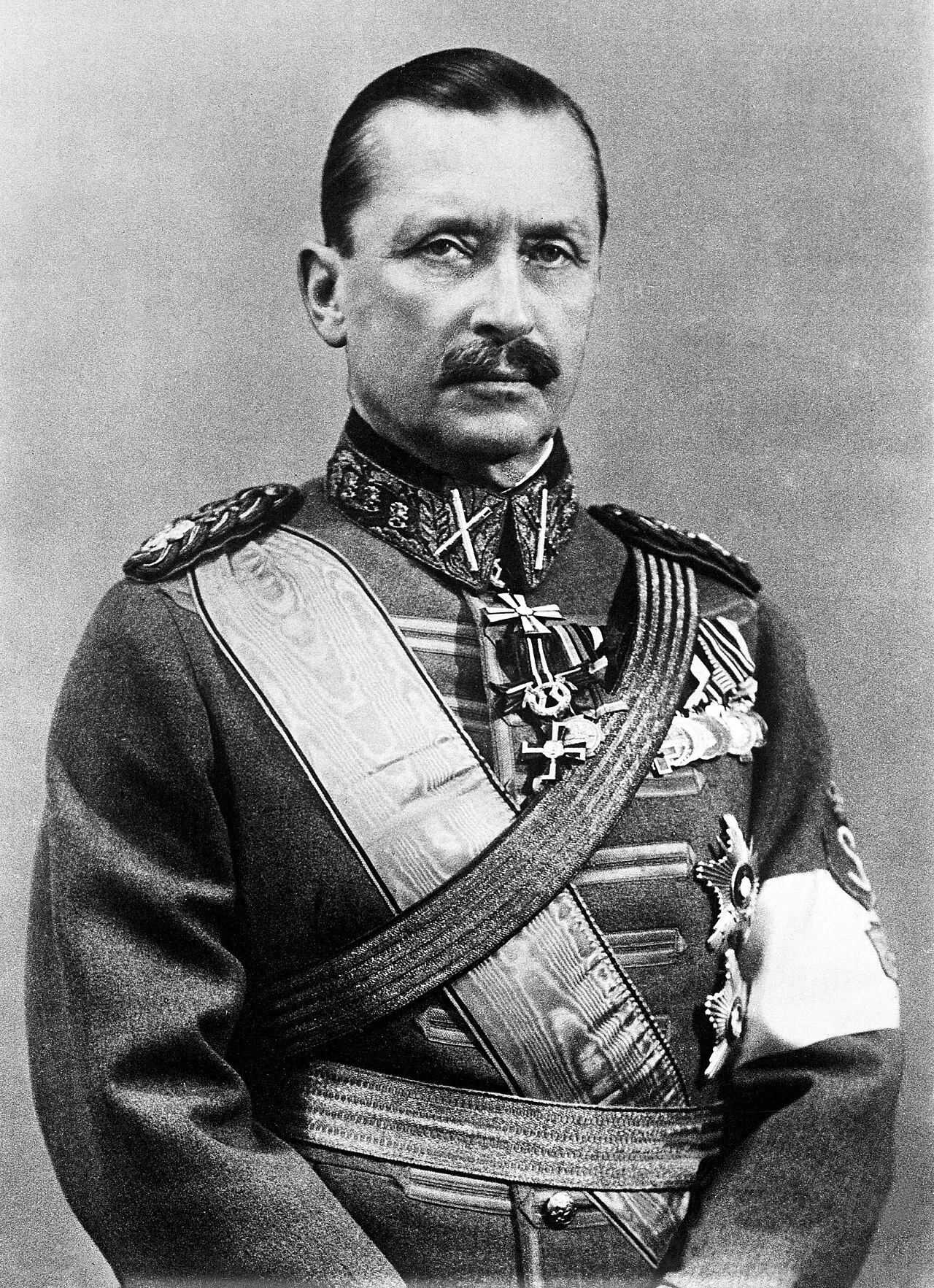
Winter rationing
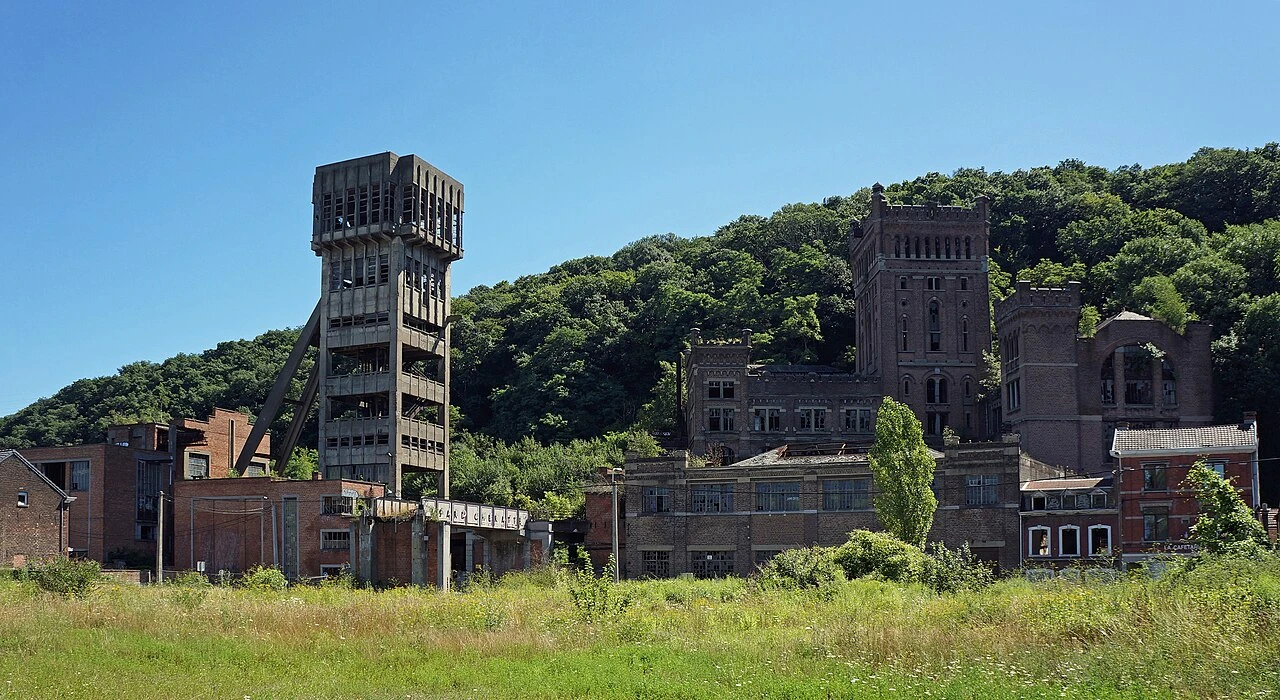
Campine Coal and the Hunger of Year One
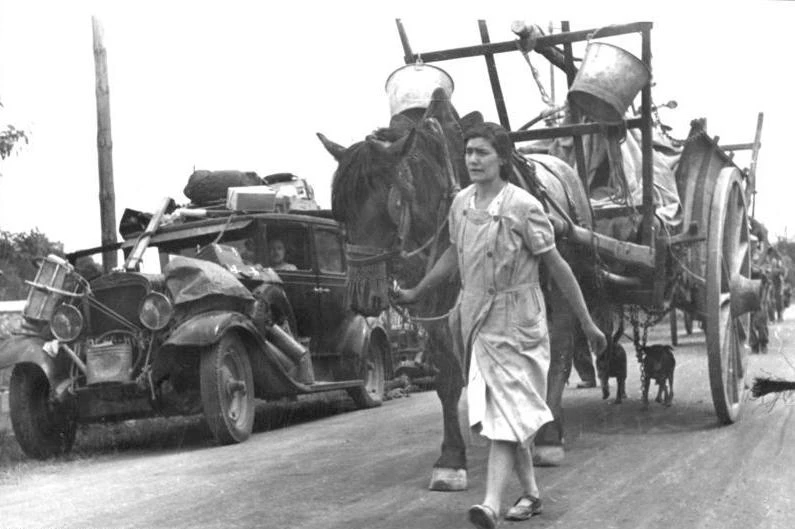
The Repatriation of the Refugees
Provisioning and the Black Market
Coventry — the night of November 14
British rationing put to the test in 1941
British Clothes Rationing
British Coal for the Winter of 1939
Operation Pied Piper — Womersley and the evacuation
British rationing — Morrison and the principle
Winter rationing
Campine Coal and the Hunger of Year One
The Repatriation of the Refugees
Provisioning and the Black Market