
Maria Wittek — Wzgórze Wuleckie
, 40, is a reserve lieutenant colonel — one of the highest military ranks held by a woman in interwar Poland. A veteran of the defence of Lwów in 1918 (where, at 19, she fought with the , the "Lwów Eaglets") and of the Polish-Soviet War of 1920. Since 1928 she has headed the Przysposobienie Wojskowe Kobiet (PWK, Women's Military Training) — a paramilitary state organisation training young women in shooting, signals, driving, first aid and military administration. In 1939 the PWK numbers around 50,000 active members.
On 1 September, Wittek activates the Wojskowa Służba Kobiet (WSK, Women's Military Service) — a mobilisation protocol prepared since 1937. The women's theoretical mission: signals, counter-intelligence, logistics, hospitals, anti-aircraft defence in the rear. Women are not authorised to engage in front-line combat by the official doctrine of the Polish General Staff.
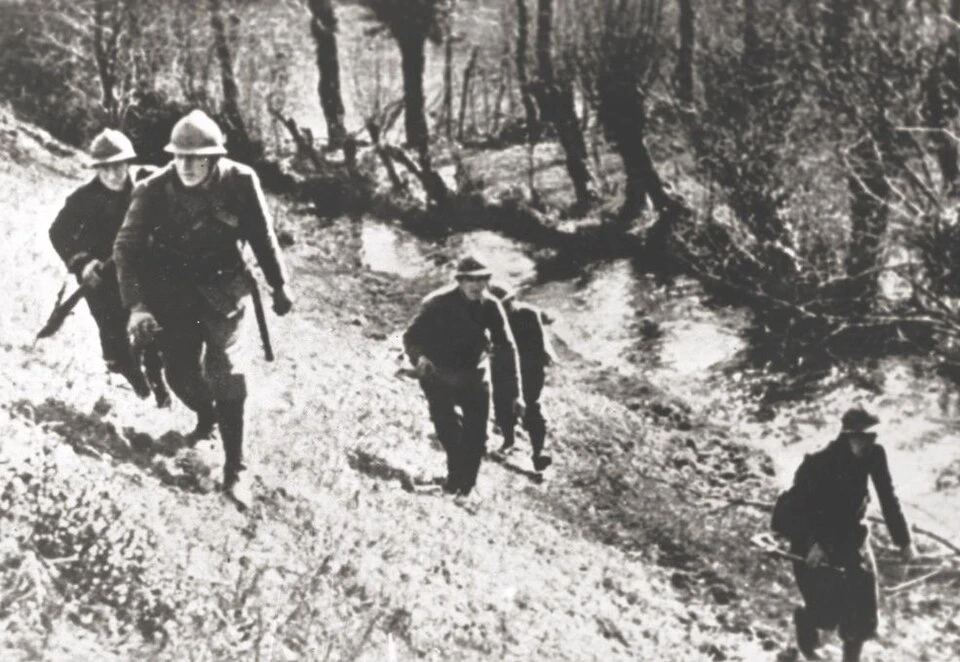
But on 19 September at Lwów, with the pulling back on Stryj, General asks Wittek to throw together an emergency mixed battalion to defend the heights of Wzgórze Wuleckie south of Lwów. The pressure on the city is extreme and the defence needs every available fighter. Wittek must now decide what follows: to keep the ambiguity and let local commanders rule, to hold to doctrine and confine women to the rear, or to accept the transgression and commit her recruits to the fighting.
Should women continue to be mobilised for front-line combat?
Wittek goes with A. In the moment, 250 PWK women, with Wittek herself as de facto commander, take on Wzgórze Wuleckie and hold the positions for three days in spite of the doctrinal contradiction. After the defeat of September she slips clandestinely to Warsaw, where, as early as 3 October 1939, she co-founds the women's branch of the Służba Zwycięstwu Polski (SZP), then of the ZWZ and finally of the . She heads the women's section of the AK (Wydział Wojskowej Służby Kobiet) throughout the war. On the eve of the Warsaw Uprising of 1944, more than 50,000 women are affiliated with the AK: liaison runners (łączniczki), gunners, nurses, sappers. Wittek herself fights in the Uprising. After the war, she is arrested by the communist authorities (1949), released in 1955, marginalised. The independent Republic of 1991 promoted her to the rank of the first woman general in Polish military history in May 1991, at the age of 92. She died in April 1997 in Warsaw, honoured with the national order.
Learn more about this event
Related polls
10
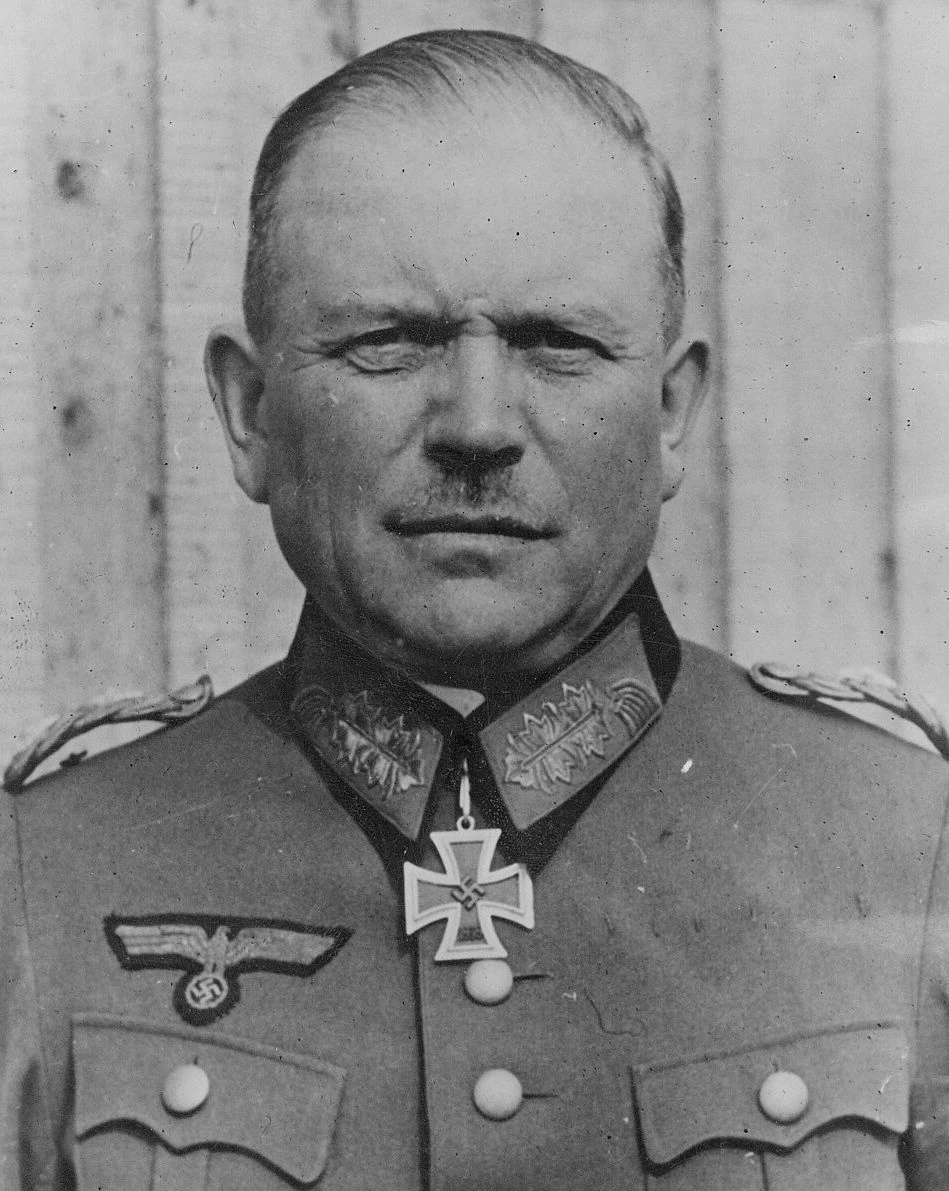
Brześć — Plisowski faces Guderian
The Bzura — Kutrzeba faces the trap
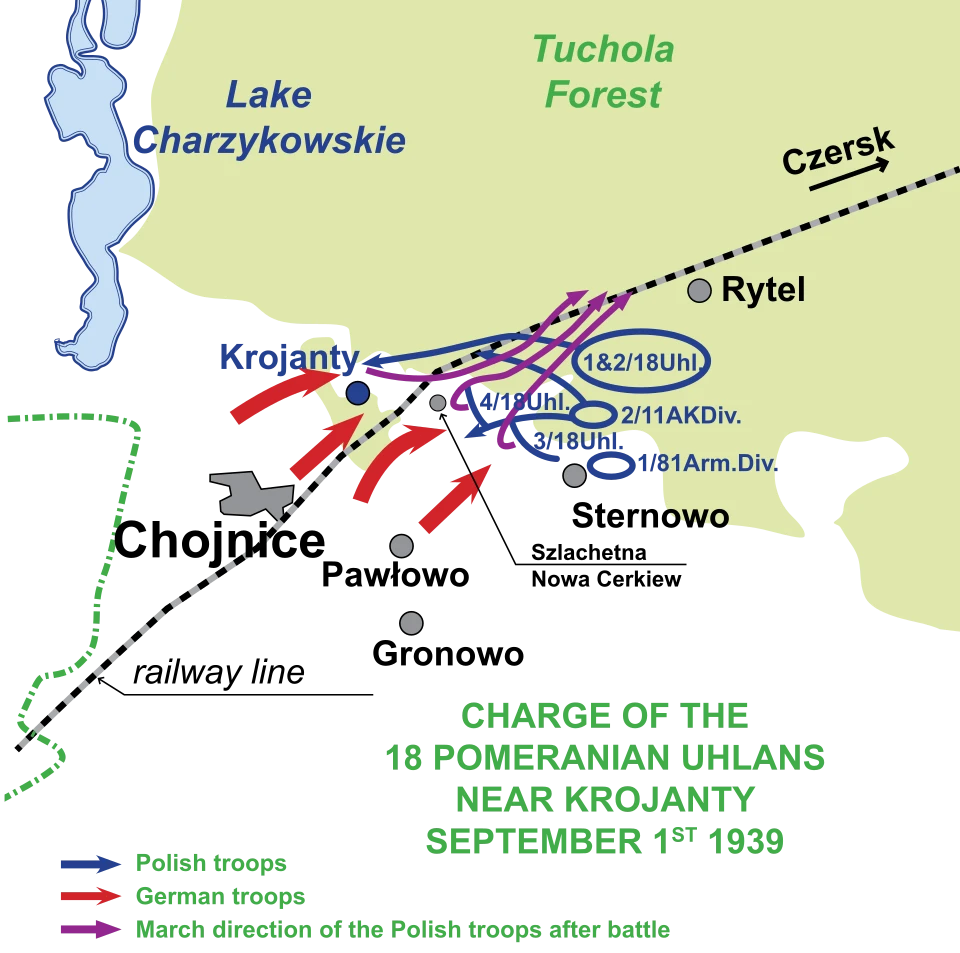
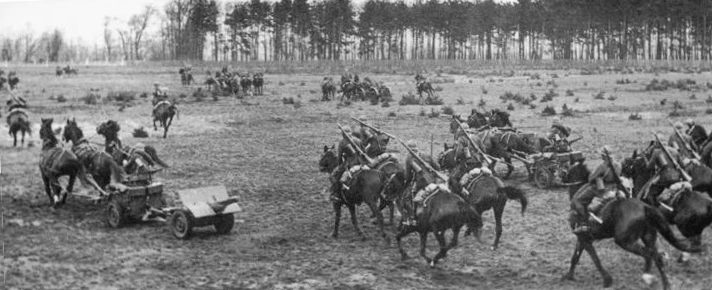
Krojanty — Mastalerz and the 18th Uhlans
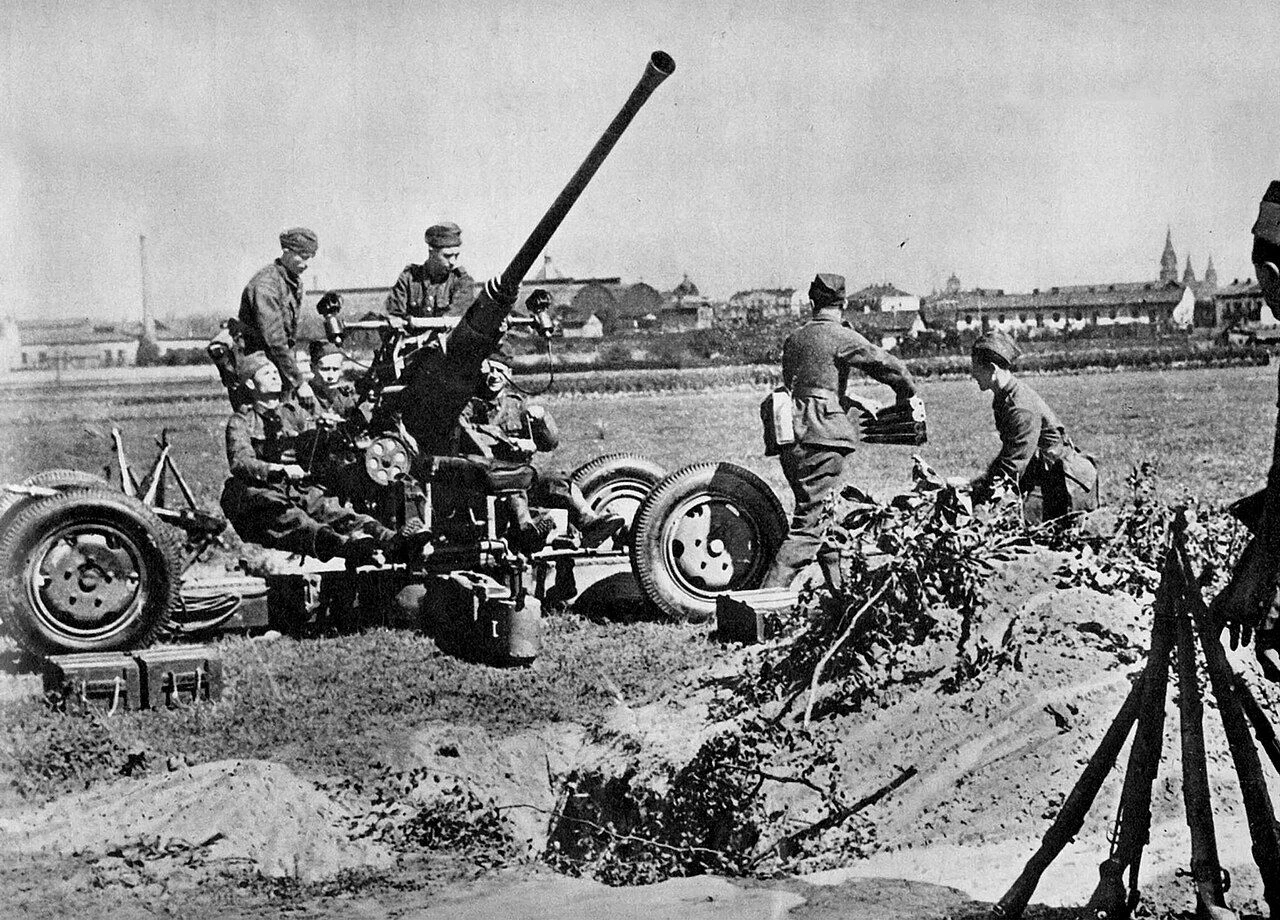
Lwów — Langner between two occupiers
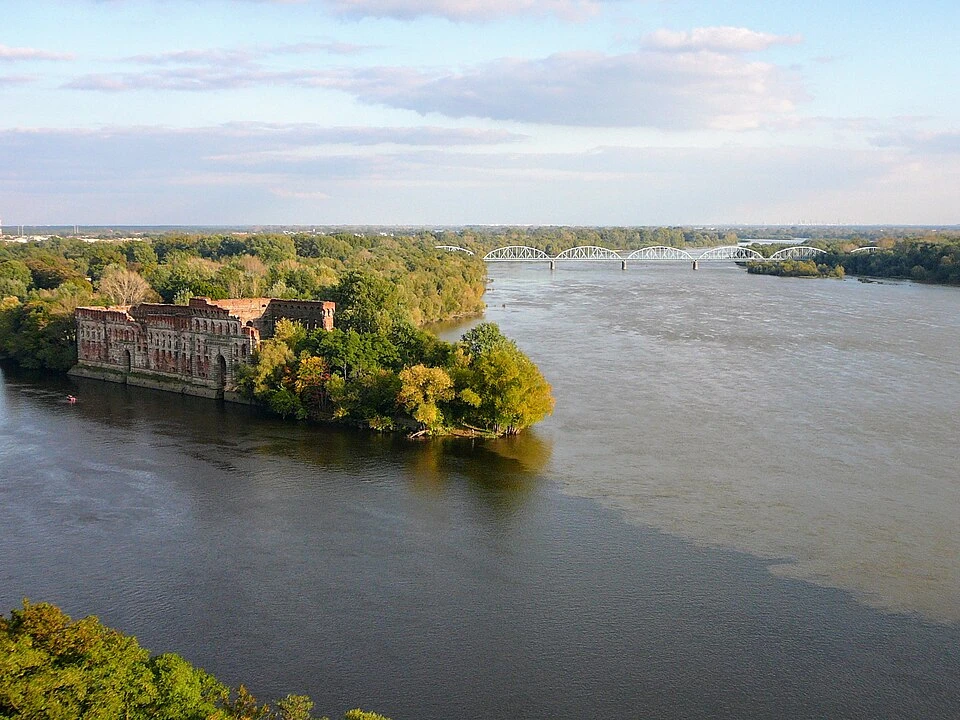
Modlin — Thommée at the last fortress
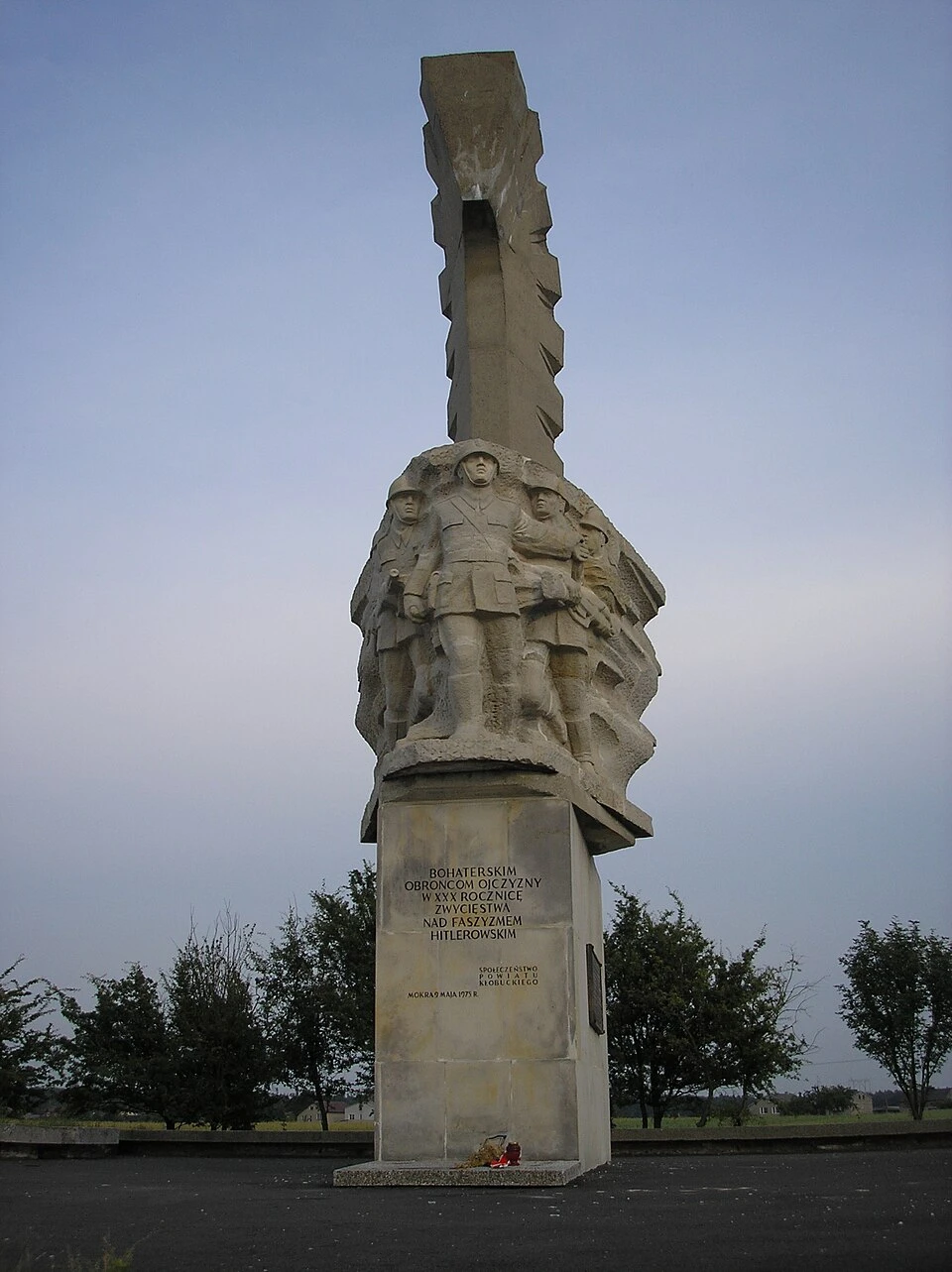
Mokra — Filipowicz and the Volhynian Brigade
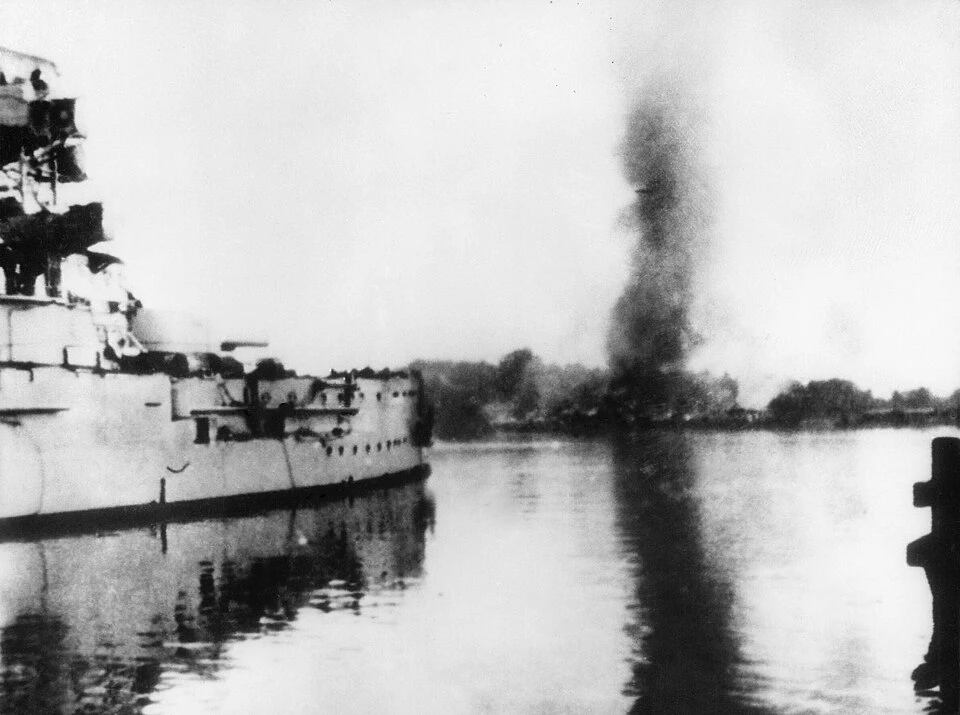
Westerplatte — Sucharski under the Schleswig-Holstein's guns
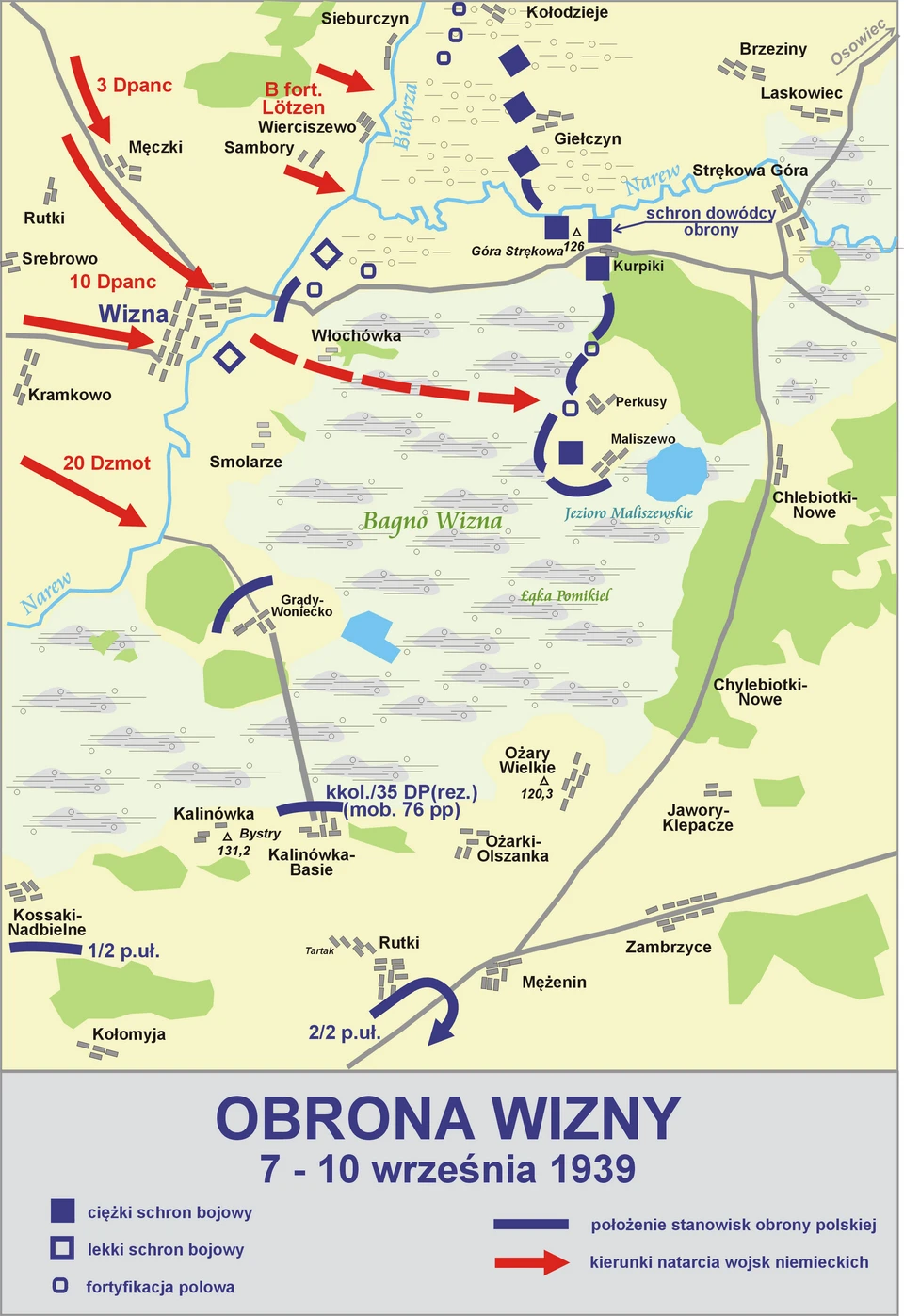
Wizna — Raginis in the Górka bunker
Kock — Kleeberg on the morning of 6 October
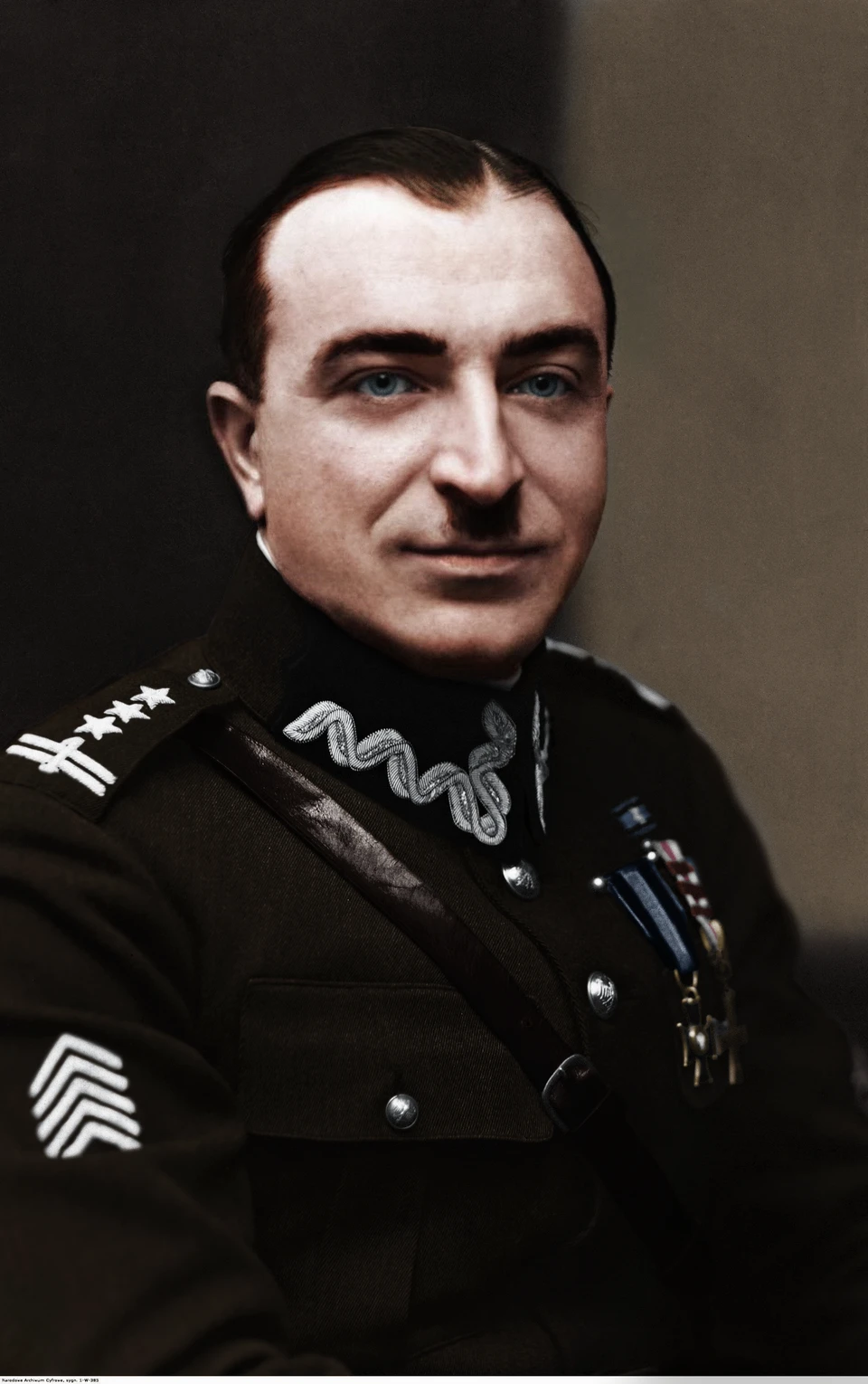
Wytyczno — Orlik-Rückemann after Szack
Brześć — Plisowski faces Guderian
The Bzura — Kutrzeba faces the trap
Krojanty — Mastalerz and the 18th Uhlans
Lwów — Langner between two occupiers
Modlin — Thommée at the last fortress
Mokra — Filipowicz and the Volhynian Brigade
Westerplatte — Sucharski under the Schleswig-Holstein's guns
Wizna — Raginis in the Górka bunker
Kock — Kleeberg on the morning of 6 October